
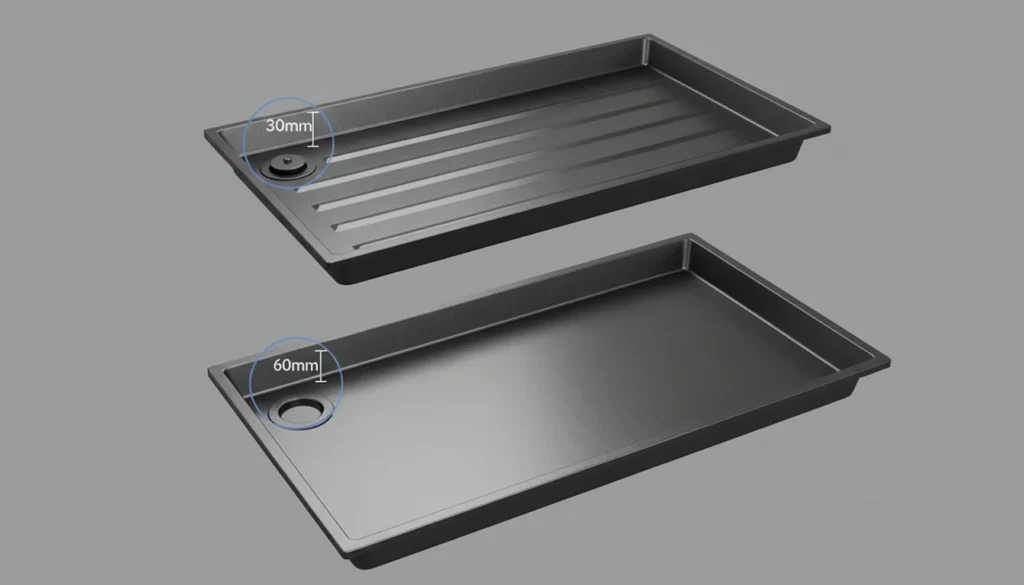
– Total Cost of Ownership (TCO): When factoring in freight, tariffs, inventory holding costs, and quality risks, the gap between Asian and domestic pricing has narrowed significantly.
– Agility over Unit Cost: Domestic molding allows for “Just-in-Time” delivery, critical for the highly seasonal HVAC industry where predicting summer heatwaves months in advance is impossible.
– Mold Transfer Reality: Moving existing tooling from offshore to local plants requires strict validation; machines, cooling connections, and material grades often differ.
– Engineering Collaboration: Proximity allows for rapid Engineering Change Orders (ECOs) during New Product Introduction (NPI), reducing time-to-market.
How Does the Shift from "Lowest Price" to "Highest Reliability" Impact Production?
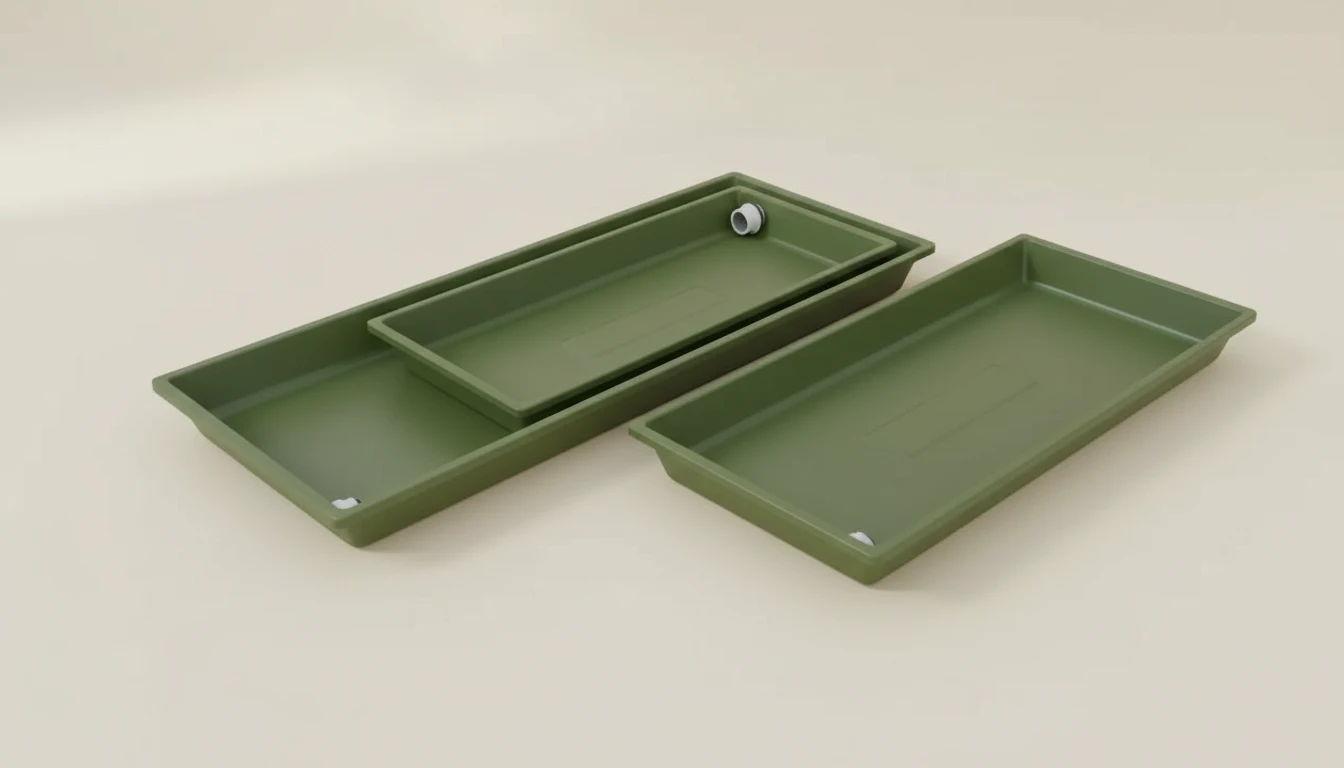
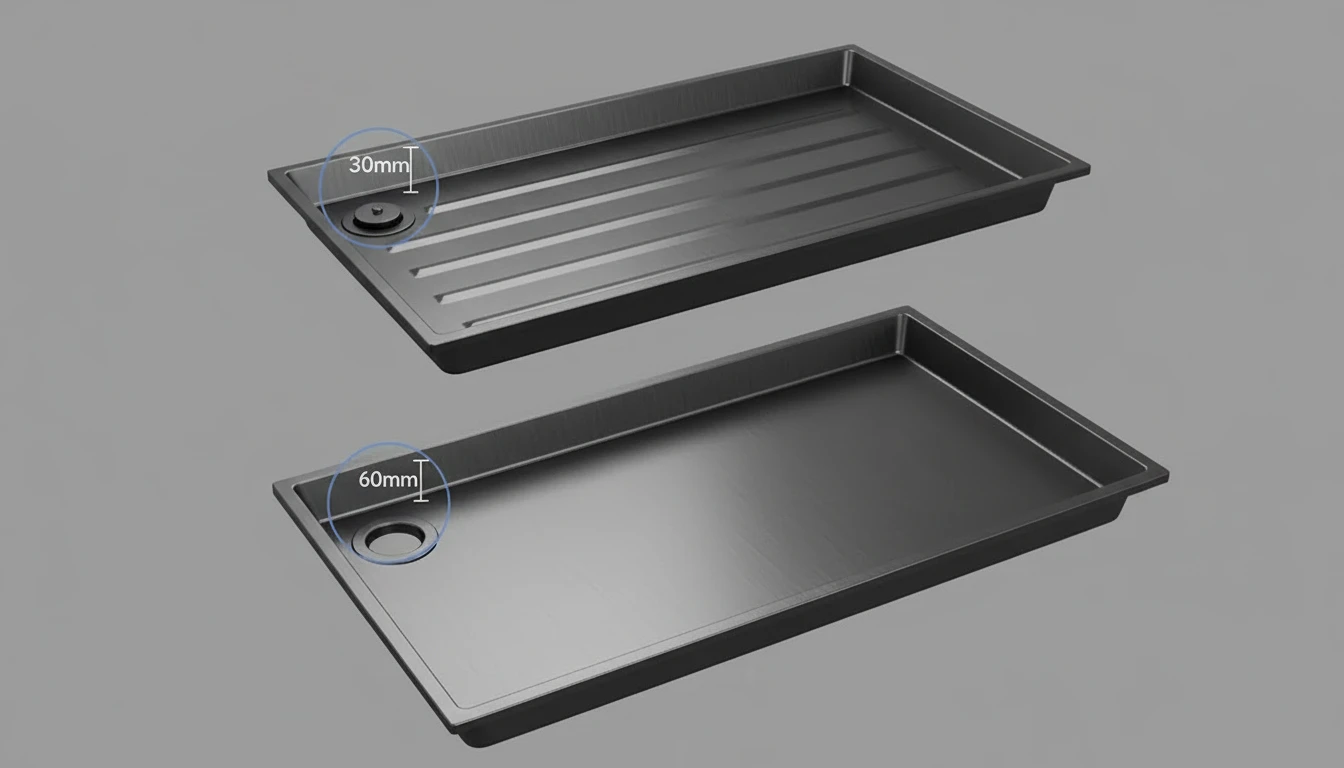
For a decade, the logic was simple: If a plastic condensate pan costs $4.00 to mold in Ohio and $2.50 in Guangdong, you buy it in Guangdong.
However, recent years exposed the fragility of this model. I have managed production lines that were shut down not because of complex compressors, but because a $0.50 plastic clip was stuck in a container off the coast of Long Beach. In HVAC supply chain resilience, a missing part is a missing unit.
Reshoring HVAC manufacturing is no longer just a patriotic talking point; it is a risk mitigation strategy. We are moving from "Just-in-Time" global chains to "Just-in-Case" local buffers, and finally to robust domestic injection molding partners who can react to demand spikes in days, not weeks.
How Do Key Parameters Compare: Offshore vs. Domestic?
When analyzing local HVAC production, we look beyond the piece price to the logistical realities.
| Parameter | Offshore Manufacturing (Asia) | Domestic Manufacturing (US/EU) | HVAC Impact |
|---|---|---|---|
| Lead Time | 8–14 Weeks (Production + Ocean Freight) | 1–3 Weeks | Domestic allows reaction to sudden weather events (e.g., heatwaves driving AC demand). |
| Inventory Requirement | High (Must order months in advance) | Low (Kanban / Weekly releases) | Reshoring frees up massive capital tied up in warehousing and safety stock. |
| Engineering Changes (ECO) | Slow (Time zones, language barriers) | Fast (Same day site visits) | Critical for fixing fitment issues during assembly line ramp-up. |
| Supply Chain Risk | High (Port strikes, Tariffs, Geopolitics) | Low (Truck delivery) | Stability ensures the OEM assembly line never stops. |
What is the Step-by-Step Strategy for Reshoring Molds?
Moving a mold isn’t as simple as shipping a box. I’ve managed several mold transfer strategies, and here is the technical workflow required to ensure the tool runs correctly on domestic soil.
1. How Do We secure the "Bridge" Bank?
Before you fire the offshore vendor, you must build a "safety bank" of inventory—usually 3 to 6 months’ worth.
- Risk: Molds often get "damaged" or "lost" when a vendor knows they are losing the business. Secure the stock first.
Przeprowadź ponowne okablowanie lub wymień kolektor na standardową markę krajową (np. Yudo, Husky, Mold-Masters) po przybyciu.
Chinese molds are often built to different standards than US/EU molds.
- Cooling: Asian molds often use BSPT or Metric threads for water lines; US plants use NPT. Adapters or re-tapping is required.
- Ejection: Ensure the domestic press knock-out pattern matches the mold’s ejector plate.
- Steel: We often find that "H13 Steel" claimed by low-cost suppliers is actually softer P20, which may require hardening or maintenance upon arrival.
3. How Do We Handle Material Equivalency (UL Compliance)?
HVAC parts have strict flammability ratings (UL 94 5VA/V-0).
- Challenge: The specific grade of ABS or PVC used in Asia might not be available domestically.
- Action: We must identify a local equivalent resin, mold sample parts, and submit them for limited UL testing or internal validation to ensure the Made in USA HVAC parts meet safety codes.
4. Why is Re-Validation (PPAP) Necessary?
You cannot assume the part will measure the same. Different injection machines have different screw designs and clamp tonnage controls.
- Process: We run a full Production Part Approval Process (PPAP). We measure critical dimensions (mounting holes, sealing surfaces) to ensure the domestic process yields a part that fits the assembly.
While the 'ex-works' piece price is higher, the Total Cost of Ownership (TCO) often favors domestic sourcing. When you deduct ocean freight (which can spike to $20k/container), tariffs (25%+), inventory carrying costs, and emergency air freight, domestic molding often becomes cost-neutral.
This is a 'Plug and Play' myth. Molds often require significant retrofitting for water fittings, clamp slots, and electrical connectors (hot runner zones). Furthermore, the mold must be cleaned of preservation grease and inspected for transit damage before it can run safely.
What Are the Advantages and Disadvantages of Domestic Sourcing?
| Strategy | Advantages | Disadvantages |
|---|---|---|
| Domestic Injection Molding | Speed: ECO changes happen in days. Quality: Easier to audit processes. Cash Flow: Smaller batches mean less cash tied in inventory. | Tooling Cost: Domestic molds cost 30-50% more to build. Capacity: US molders are often near max capacity; finding machine time takes planning. |
| Offshore Sourcing | Scale: Massive factories can throw 20 machines at a project instantly. Tooling Cost: Significantly cheaper molds. | Volatility: Freight delays. IP Risk: Higher risk of design copying. Communication: Night shifts required for meetings. |
What Practical Tips Ensure a Successful Transfer?
-
Why Should You Avoid Moving "End of Life" Molds?
If a mold is near the end of its cycle (shots fired > 80% of life), do not ship it. The cost to repair a worn-out Chinese tool in a US toolroom (approx. $125/hr) will exceed the cost of just building a new, better mold domestically. -
How Do We Manage Hot Runner Compatibility?
Asian molds often use copycat hot runner systems (generic brands). Spare parts (heaters, thermocouples) for these generic systems are unavailable in the US/EU. If a heater fails, you are down for weeks. Recommendation: Re-wire or replace the manifold with a standard domestic brand (e.g., Yudo, Husky, Mold-Masters) upon arrival. -
Innowacyjne produkty HVAC przekształcają kontrolę klimatu
For new projects, we often build the mold in Asia (to save capital) but ship it immediately to the US for production. This captures the low tooling cost but keeps the supply chain risk management under local control.

Which Scenarios Are Best for Reshoring?
- Service Parts (Legacy): For units out of production for 10 years, demand is low and sporadic. Ordering a container from China doesn’t make sense. These molds should be reshored to run small batches (500 units) domestically as needed.
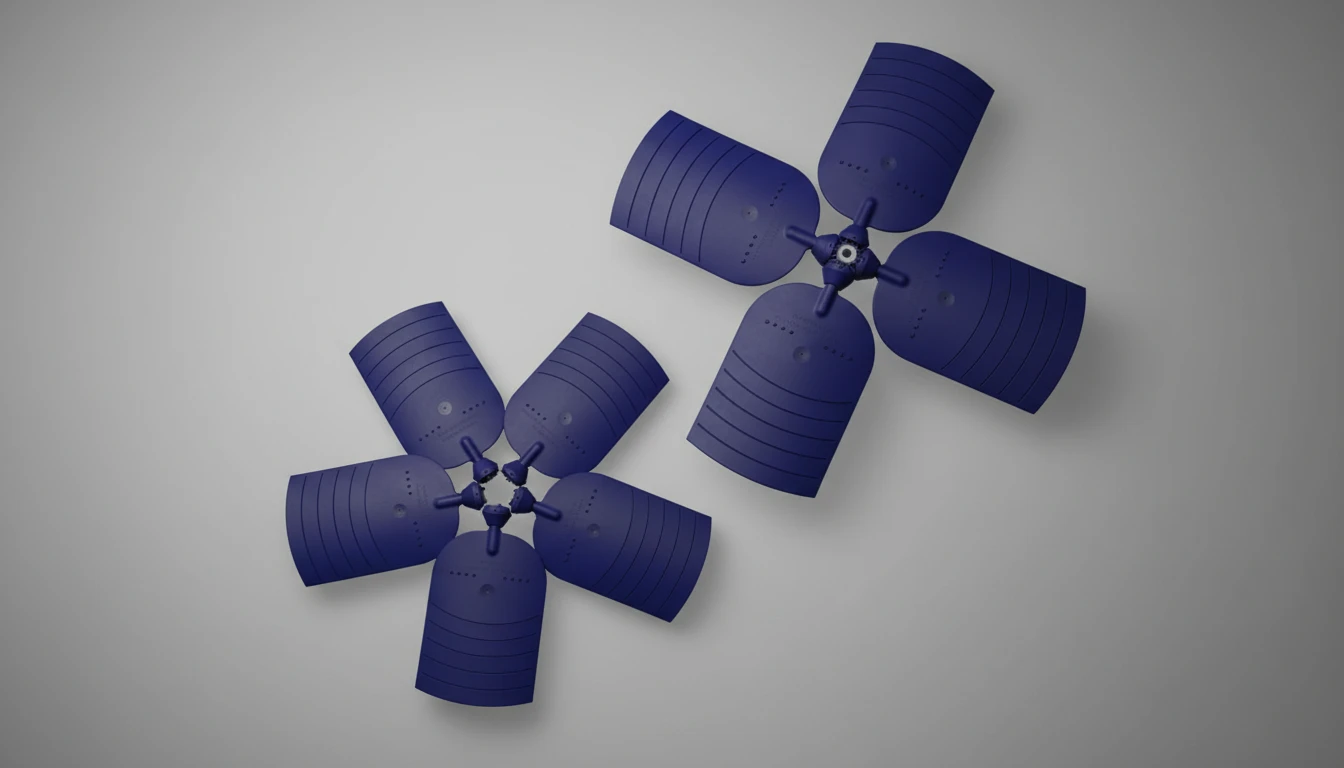
- High-Volume Blowers: Large blower wheels are mostly air. Shipping them across the ocean is shipping "expensive air." These should always be molded near the final assembly plant to maximize shipping density.
- Rapid Iteration Controls: Thermostat housings and interface plastics change frequently with electronics updates. Domestic molding allows for "soft tooling" or aluminum molds to bridge production while designs are finalized.
Bridge tooling (using aluminum or non-hardened steel molds) is an excellent risk mitigation strategy. It allows production to start weeks early while the high-volume hardened steel production mold is being built. It bridges the gap and gets products to market faster.
Eliminating the trans-oceanic shipping leg significantly reduces the embodied carbon of the component. Furthermore, domestic molders are subject to stricter environmental regulations regarding energy use and waste disposal than many low-cost country competitors.
FAQ: Reshoring HVAC Production
How much more does a US-made mold cost compared to China?
Typically, a US mold costs 1.5x to 2.5x the price of a Chinese mold. However, the steel quality and component availability (ejector pins, bushings) are usually superior, leading to longer life and lower maintenance costs.
Can we use "Family Molds" to save costs domestically?
Yes, but proceed with caution. A family mold makes different parts (e.g., Part A and Part B) in the same shot. If Part A has a high scrap rate, you are forced to throw away good Part Bs. In HVAC, where demand for spares varies, separate molds are usually operationally safer.
What is the biggest bottleneck in reshoring?
Labor and Machine Time. Many domestic molders are running at high utilization. Finding a partner with the right tonnage (especially for large HVAC panels requiring 1000+ tons) can be difficult. You must book capacity well in advance.
How do we handle raw material shortages domestically?
Domestic molders often have strong relationships with major resin distributors (getting "allocation" priority). However, it is vital to have alternate resins approved on your drawing. Don’t specify "Sabic Cycolac MG47" only; specify "or equivalent ABS" to give the molder purchasing flexibility.
Does reshoring improve quality control?
Yes. If there is a fitment issue, I can drive to the molder, see the defect, and fix the process in 24 hours. With an offshore supplier, I am relying on photos, emails, and shipping samples back and forth, which takes weeks while the assembly line sits idle.
Technical Summary
Reshoring HVAC supply chains is not about abandoning global trade, but about optimizing for reliability. By leveraging domestic injection molding, HVAC OEMs can insulate themselves from freight volatility and tariff uncertainty. While the unit price may be marginally higher, the elimination of safety stock, the speed of mold transfers, and the ability to react to weather-driven demand surges make local production the superior choice for critical, high-volume, or bulky HVAC components.





