
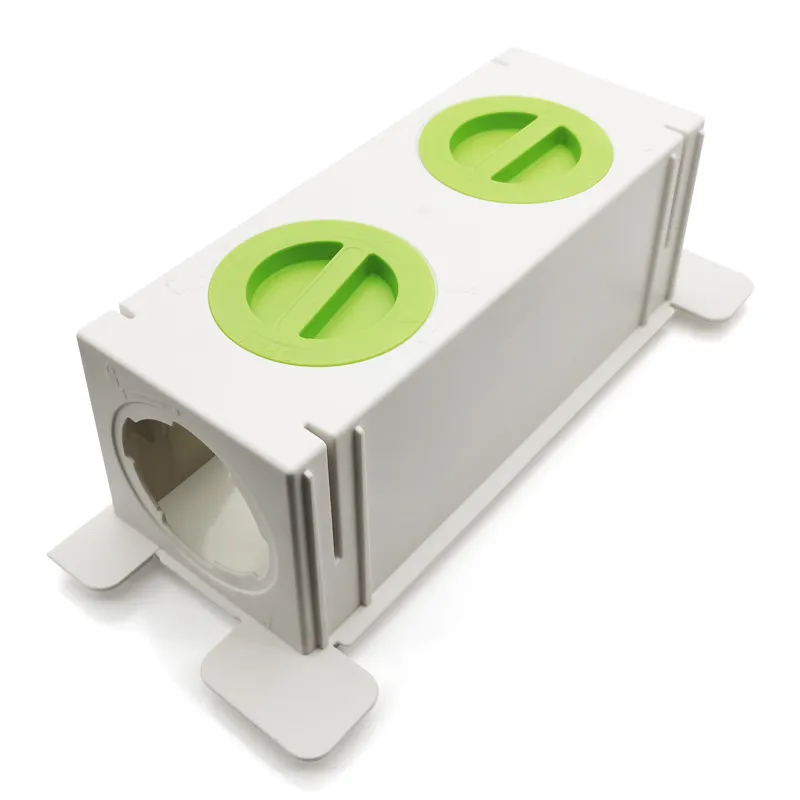
– Chemical resistant plastics must withstand not just refrigerants, but the synthetic oils (POE/PVE) that circulate with them.
– Condensate pan material selection has shifted from ABS to Polypropylene (PP) in many factories to prevent stress cracking from oil residue.
– PEEK vs PPS: While PEEK offers superior ductility, PPS is the industry standard for valve bodies due to its lower cost and excellent dimensional stability.
– Environmental Stress Cracking (ESC) is the primary failure mode, often triggered when residual molding stress meets aggressive chemical agents.
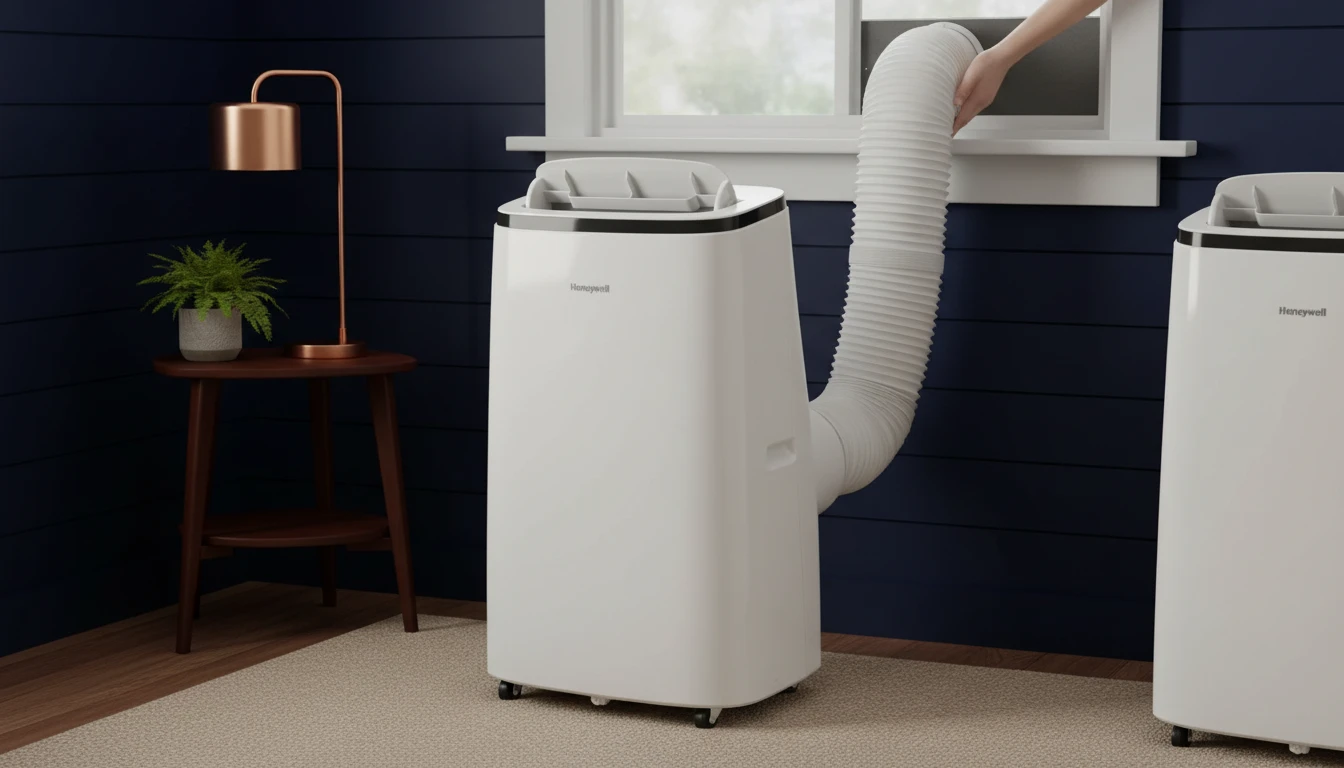
What is Chemical Resistance in the HVAC Context?
In our factory, "chemical resistance" does not just mean the plastic won’t dissolve. It means the component will not suffer from Environmental Stress Cracking (ESC).
HVAC systems are chemically hostile environments. We are dealing with a "toxic soup" of:
- Refrigerants: Fluorinated hydrocarbons (R410A, R32) or hydrocarbons (R290).
- Lubricants: Polyolester (POE) or Polyvinyl Ether (PVE) oils.
- Condensate: Water that absorbs CO2 to become carbonic acid (mildly acidic), often mixed with biological slime.
- Cleaners: Highly alkaline or acidic coil cleaners used by maintenance technicians.
If we choose the wrong material, the plastic doesn’t just melt—it snaps without warning under load.
Key Parameters: The Chemical Threats
When selecting HVAC refrigerant compatibility, we evaluate how specific plastics react to these agents.
| Chemical Agent | Primary Source | Risk to Plastic | Vulnerable Materials |
|---|---|---|---|
| POE Oil | Compressor Lubricant | Causes swelling and severe ESC in amorphous plastics. | ABS, PC, PS |
| Carbonic Acid (pH 5-6) | Condensate Water | Long-term hydrolysis (breakdown) of polymer chains. | Polyamide (Nylon) untreated |
| R32 / R410A | Refrigerant Loop | High-pressure absorption; rapid decompression (explosive decompression). | Soft elastomers, low-density PE |
| Coil Cleaners | Maintenance | Caustic attack causing surface embrittlement. | Aluminum (metal), some Acetals |
Step-by-Step: Managing Chemical Risks in Production
I have seen entire batches of drain pans rejected because of a material mismatch. Here is how we manage plastic corrosion resistance Dlaczego widzimy białe ślady naprężeń na naszych osłonach wyświetlacza z poliwęglanu (PC)?.
1. The "Oil-ABS" Problem
For years, Acrylonitrile Butadiene Styrene (ABS) was the standard for housings. However, modern systems use POE oil.
- The Failure: If a small refrigerant leak occurs, POE oil drips onto the ABS drain pan. The oil acts as a plasticizer, inserting itself between the polymer chains.
- The Result: The pan swells slightly. Because the pan is screwed down (under stress), it cracks instantly.
- The Solution: We switched mass production of drain pans to Polypropylene (PP) or glass-filled PP. PP is semi-crystalline and naturally resistant to chemical attack from oils.
2. Valve Bodies: PEEK vs PPS
For Electronic Expansion Valves (EEVs) inside the refrigerant flow, we need materials that hold tolerances within microns while submerged in refrigerant.
- Polyphenylene Sulfide (PPS): This is our "workhorse." It is rigid, does not swell in R410A, and handles heat up to 200°C. However, it is brittle.
- Polyether Ether Ketone (PEEK): This is the "Ferrari." It has better elongation (toughness) than PPS.
- Decision: We use PPS for the main body (cost-effective) and PEEK for the valve seat (wear resistance).
While ABS is glueable, it has poor resistance to Polyolester (POE) compressor oils. If a leak occurs, POE oil will cause environmental stress cracking (ESC) in ABS, leading to water leaks. Polypropylene (PP) is chemically superior for this application.
Condensate absorbs carbon dioxide from the air, forming mild carbonic acid. While weak, this constant acidic exposure can degrade susceptible metals and hydrolyze certain plastics (like Nylon) over years of service.
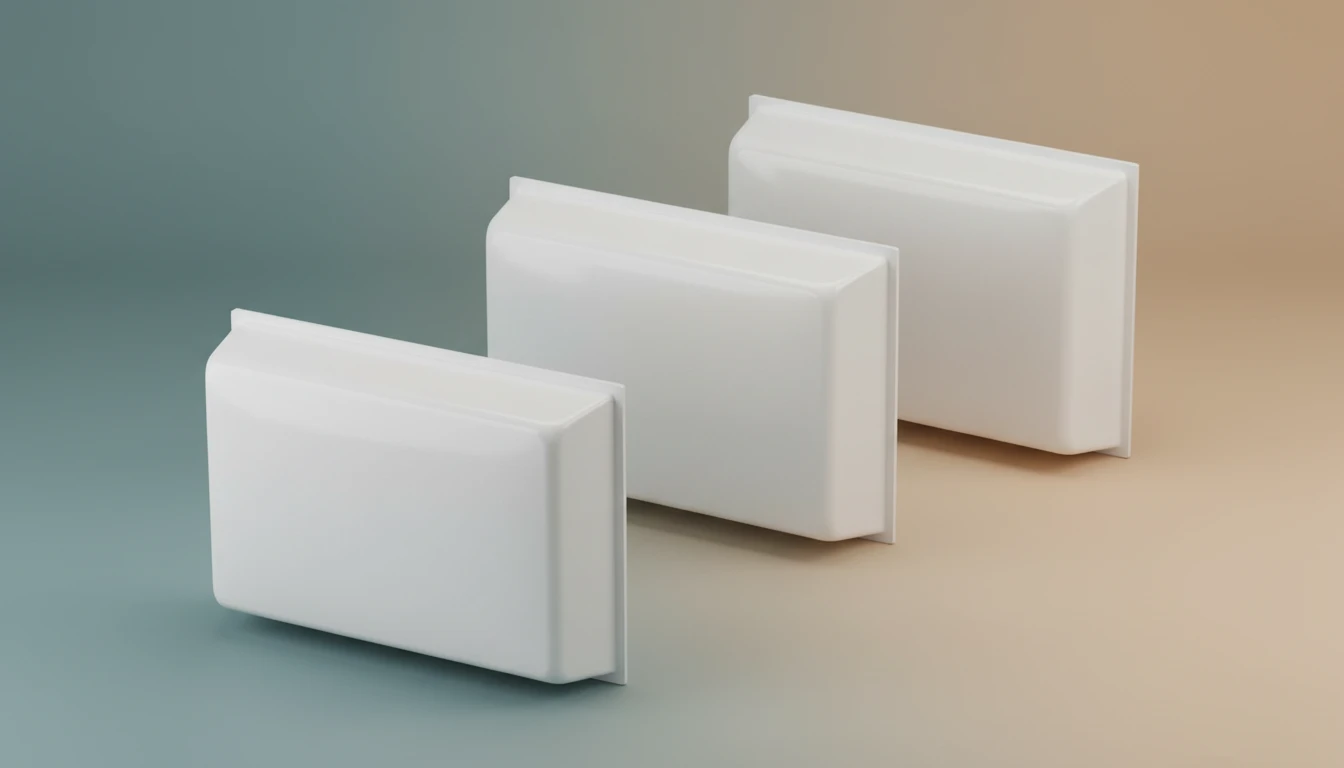
Advantages and Disadvantages: PEEK vs PPS
When engineering high-performance internal components, we usually debate between these two.
| Material | Advantages | Disadvantages |
|---|---|---|
| PPS (Polyphenylene Sulfide) | Exceptional dimensional stability (low thermal expansion). Highly resistant to almost all HVAC chemicals. Lower cost. | Brittle. Flash (excess plastic) is very hard to remove without chipping the part. |
| PEEK (Polyether Ether Ketone) | Extreme chemical resistance + toughness. Can handle higher dynamic loads than PPS. Self-lubricating grades available. | Extremely expensive (5x–10x cost of PPS). Requires very high mold temperatures (160°C+) to process. |
Practical Tips for Factory and Design
- Watch the Glass Fibers: When we use glass-reinforced plastics (like PP-GF30) for strength, the "wicking effect" can occur. Chemicals travel along the glass fibers into the center of the plastic part. We must ensure the resin completely encapsulates the fibers during injection molding (high packing pressure).
- Draft Angles for PP: Since we switched many pans from ABS to PP for chemical reasons, we had to modify molds. PP shrinks more (1.5-2.0%) compared to ABS (0.5%). If you don’t increase the draft angle, the chemical-resistant pan will stick in the mold.
- The "Acetone Test" is Obsolete: Old school molders tested stress by dipping parts in acetone. For HVAC parts, we now test using the actual compressor oil (POE) mixed with a surfactant, heated to 60°C, to simulate the worst-case operating environment.
HVAC Application Scenarios
- Condensate Pans: Polypropylene (PP) or PVC. Excellent water and acid resistance. Do not use Nylon (absorbs water).
- Compressor Terminal Covers: PBT (Polybutylene Terephthalate). Resists oil vapors and electrical tracking.
- Refrigerant Reversing Valves: PPS (40% Glass Filled). Must hold shape under high heat and pressure while resisting refrigerant absorption.
- Ducting in Chemical Labs: PVDF (Polyvinylidene Fluoride). If the HVAC system is extracting fumes from a lab, standard PVC might degrade. PVDF is the chemical shield.
Nylon (PA66) is hygroscopic, meaning it absorbs water. In a condensate environment, it swells and loses mechanical strength and stiffness. For wet HVAC areas, PP or PBT are superior choices.
The ordered molecular structure of semi-crystalline plastics (like PP, PE, PPS) makes it difficult for solvents and oils to penetrate the polymer matrix, whereas amorphous plastics (like ABS, PC) have loose chains that solvents can easily attack.
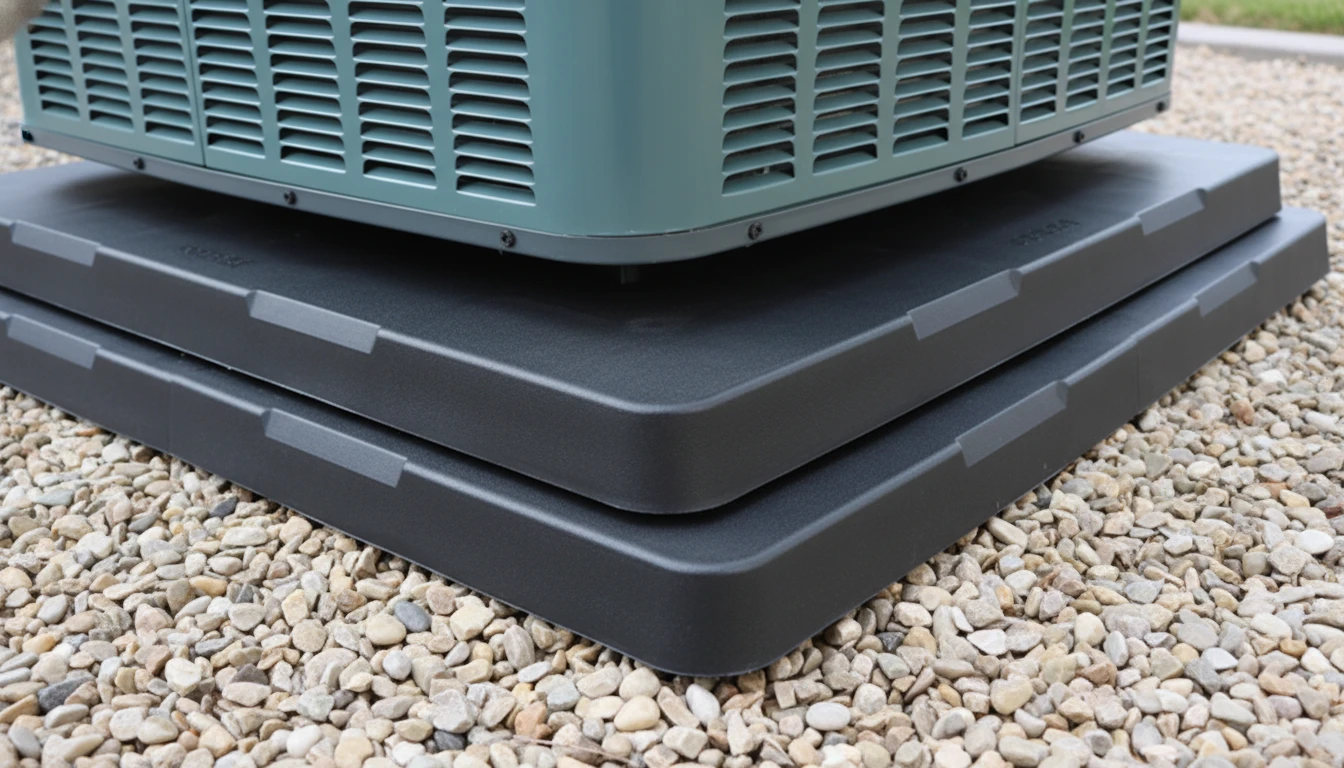
FAQ: HVAC Chemical Compatibility
Can I use PVC for hot gas bypass lines?
No. Polyvinyl Chloride (PVC) has a low heat deflection temperature (approx 60°C). Hot gas lines can exceed 80°C–90°C. The PVC will soften and burst. Use CPVC or metal for these sections.
Why do we see white stress marks on our polycarbonate (PC) display covers?
Najlepsze odpornościowe czynniki chłodnicze HVAC i skropliny.
Is R32 harder on plastics than R410A?
Chemically, they are similar (HFCs). However, R32 operates at slightly higher discharge temperatures. The heat is usually the bigger enemy than the chemical difference. Ensure the plastic (e.g., the discharge muffler) is rated for the higher temp.
How do we bond chemically resistant plastics like PP?
This is the manufacturing trade-off. PP resists chemicals because it has low surface energy. This means glues don’t stick to it. We must use heat staking, vibration welding, or mechanical fasteners (screws) to assemble PP drain pans. You cannot just use solvent cement like you do with PVC/ABS.
What is the risk of "Copper Plating" in plastic systems?
This is a chemical reaction in the refrigeration cycle where acid (from moisture) dissolves copper, which then plates out on hot surfaces. While this affects steel parts, the presence of acid indicates the system is acidic enough to degrade hydrolysis-prone plastics like PBT or Nylon over time.
Technical Summary
Selecting chemical resistant plastics for HVAC is a balance between processing ease and survival in a hostile environment. While amorphous plastics like ABS offer great dimensional control, they are vulnerable to the oils (POE) and cleaners common in the industry. For wetted parts and condensate pan material, Polypropylene (PP) is the industry standard due to its inertness. For high-stress internal components exposed to high-pressure refrigerant, the industry relies on PPS for static parts and PEEK for dynamic wear surfaces. Failure to account for the interaction between mechanical stress and chemical exposure (ESC) is the leading cause of plastic component failure in the field.





