
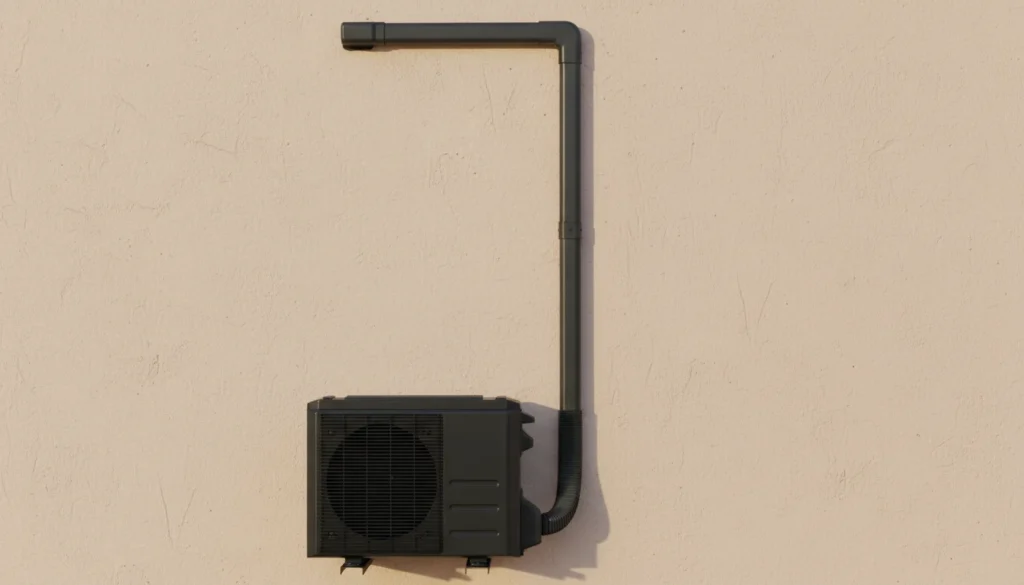
In the world of HVAC manufacturing, we spend thousands of hours perfecting the compressor and heat exchanger efficiency. Yet, once the unit leaves our factory, the system’s longevity often hinges on the external installation quality. The weakest link is almost always the exposed refrigerant piping.
I have seen countless high-end mini-split systems compromised within two years because the installer relied on simple vinyl tape to wrap the pipes. The sun destroys the foam insulation, birds pick it apart for nests, and the copper is left exposed to the elements.
This guide details the technical necessity of PVC line set covers (often called mini split line hide systems), explaining why they are not just a cosmetic accessory but a critical component for protecting refrigerant lines.
– UV radiation degrades standard foam insulation within 6–12 months, leading to energy loss and condensation leaks.
– PVC line set covers provide rigid impact protection against weed trimmers, hail, and pests.
– High-quality covers use UV-stabilized PVC or ASA additives to prevent the plastic itself from yellowing or becoming brittle.
– Proper installation requires accounting for the thermal expansion of the plastic to prevent buckling.
What Are PVC Line Set Covers?
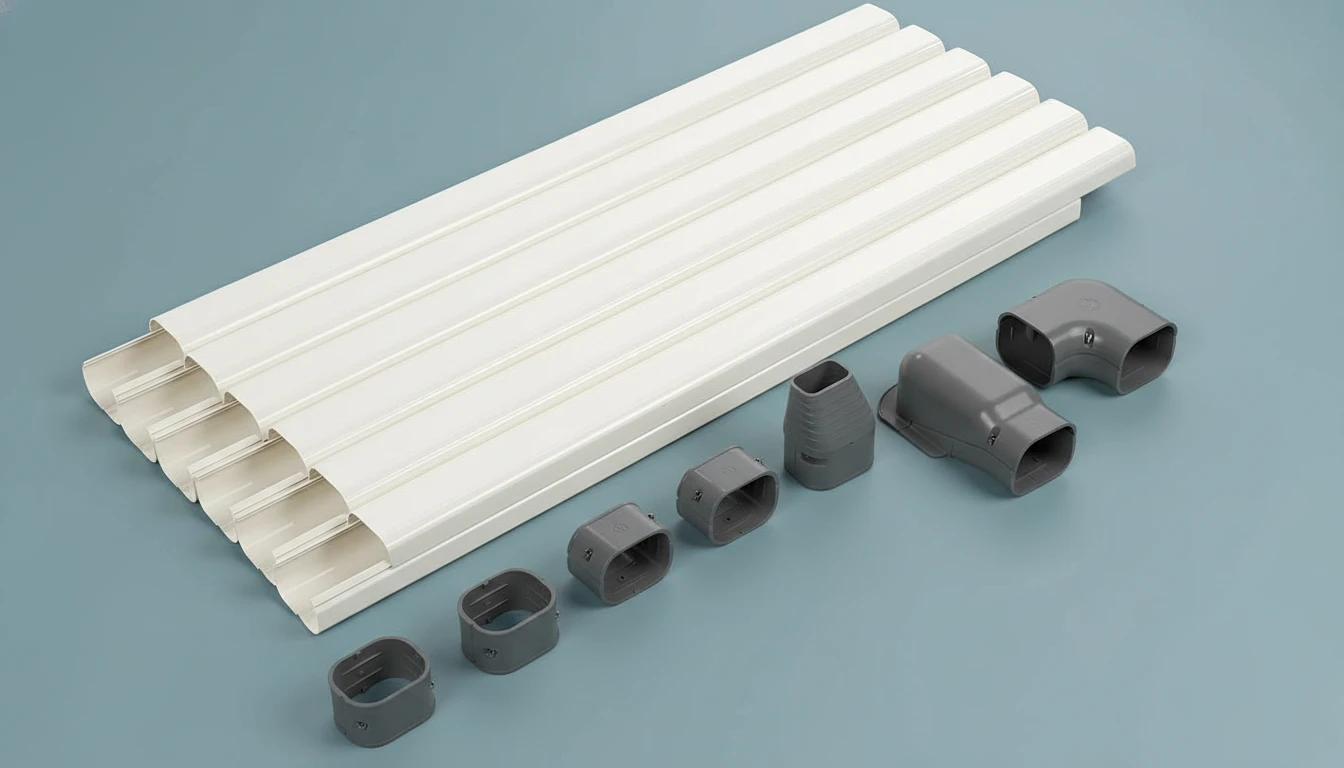
PVC line set covers are modular, rigid plastic enclosure systems designed to house and protect the copper refrigerant pipes, control wire, and condensate drain hose connecting the indoor and outdoor HVAC units.
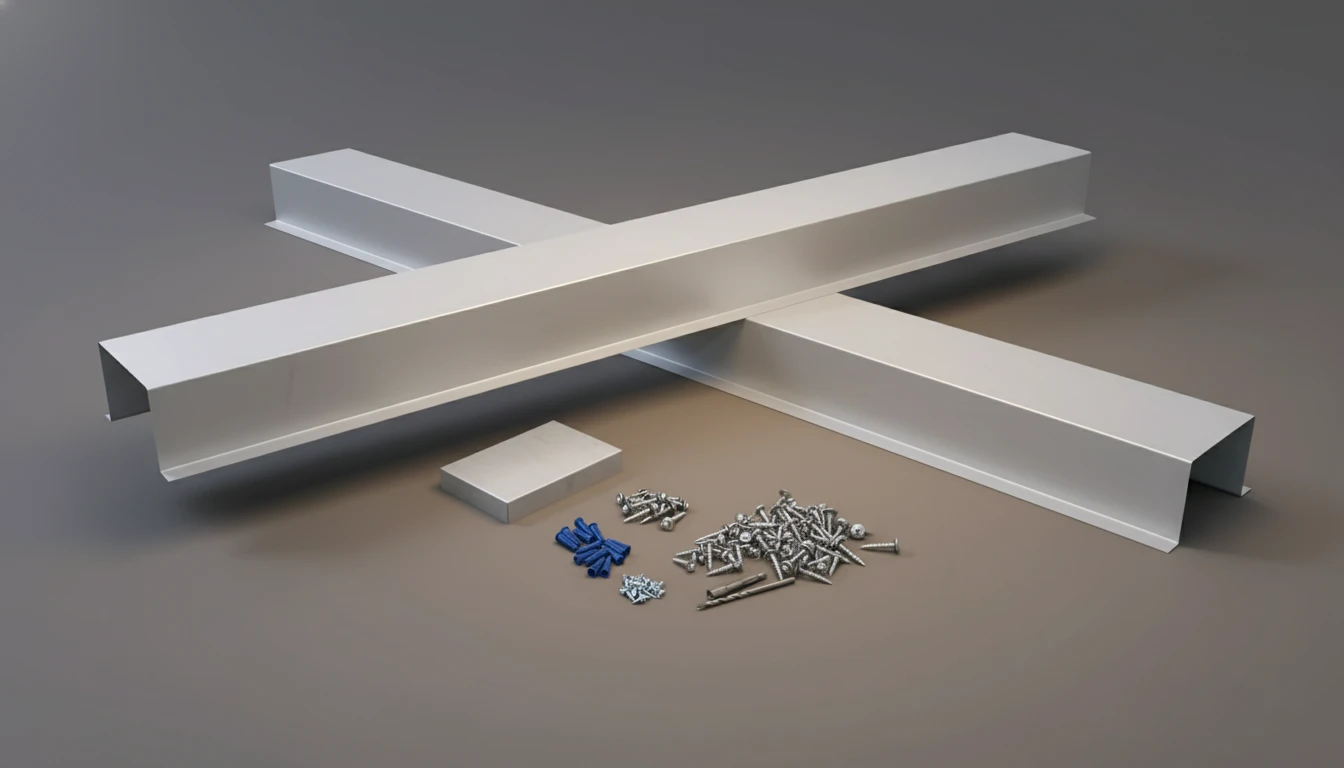
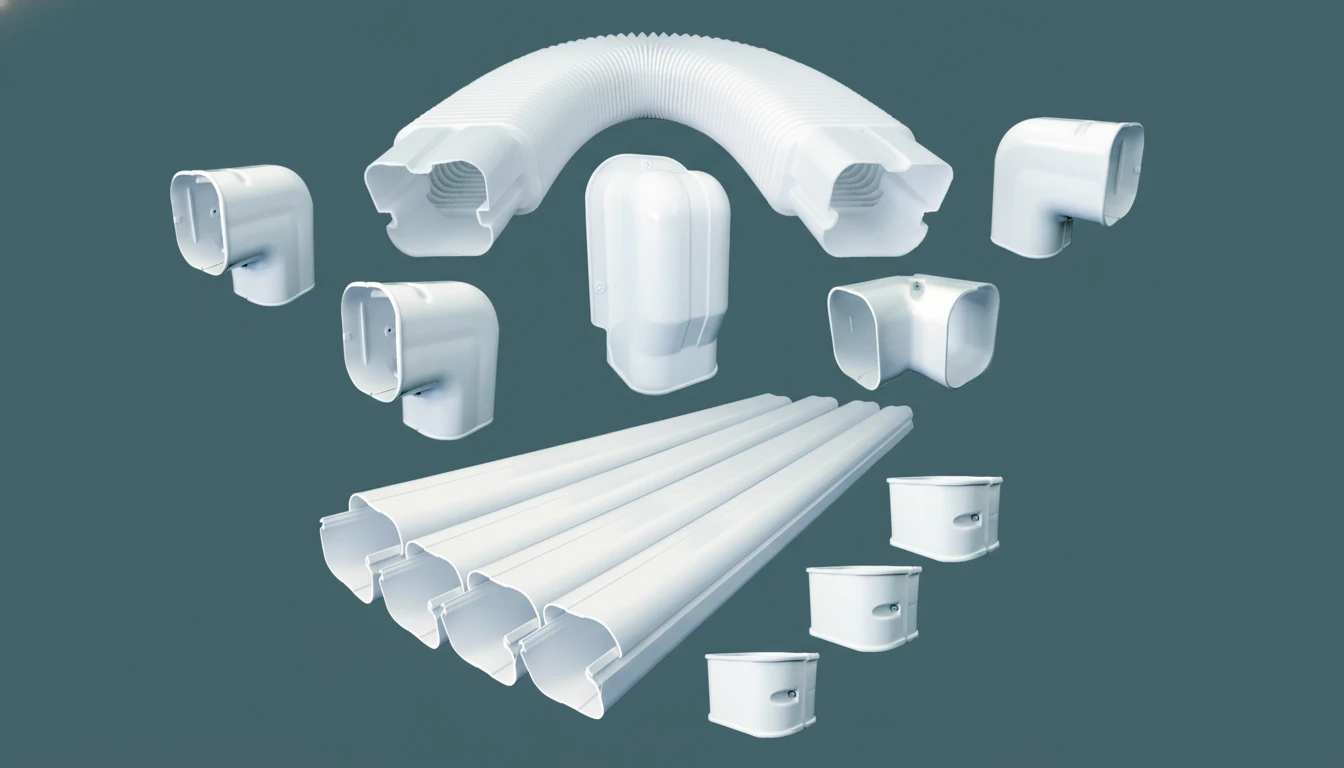
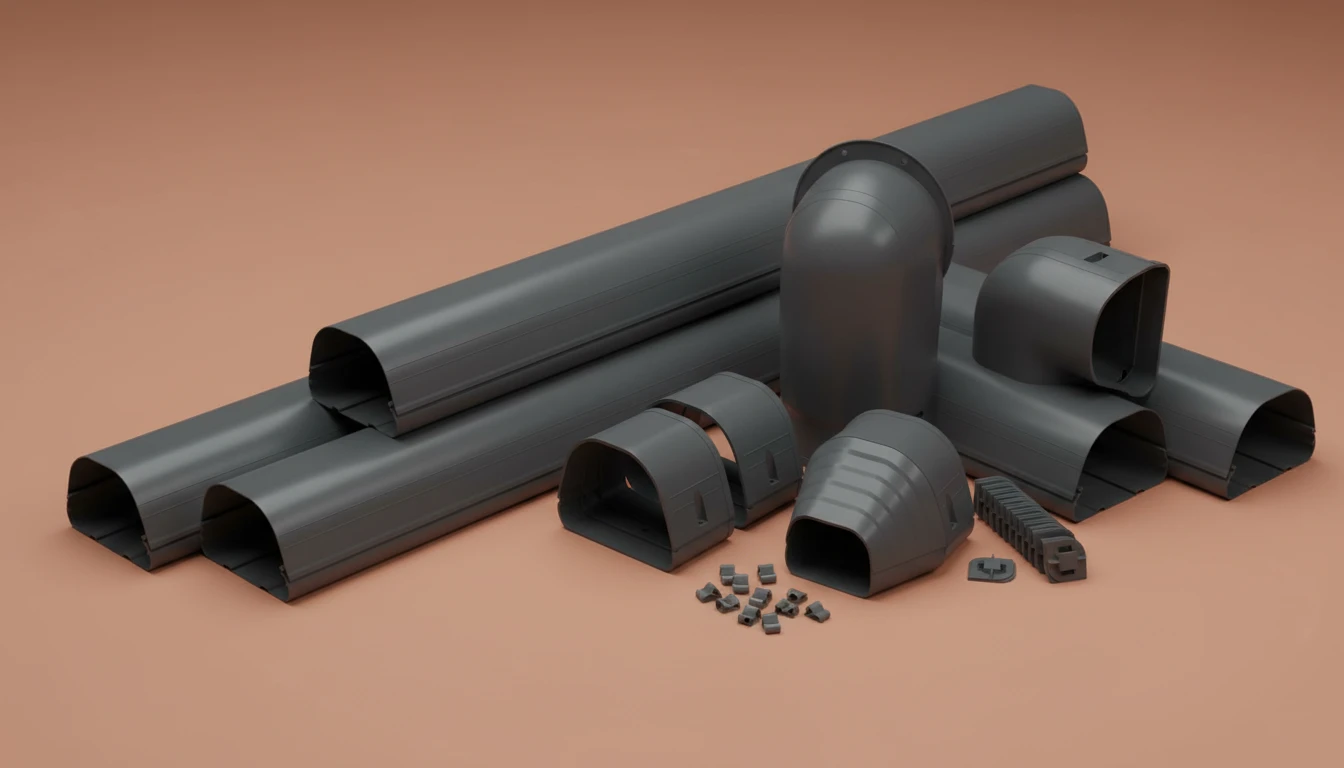
From a manufacturing standpoint, these are produced via extrusion (for the long straight ducts) and injection molding (for fittings like elbows, couplings, and wall caps). They typically feature a two-part design: a backplate that screws into the wall and a front cover that snaps or locks over the piping.
Key Parameters: What Defines a Quality Cover?
Not all plastic channels are equal. In our extrusion plant, we monitor specific parameters to ensure the AC pipe covering can withstand outdoor environments for 10+ years.
| Parameter | Specification | Why It Matters |
|---|---|---|
| Material Base | Rigid PVC or ASA | PVC is durable; ASA (Acrylic Styrene Acrylonitrile) offers superior color retention under UV. |
| Wall Thickness | 1.5mm – 2.5mm | Thinner walls shatter upon impact (hail/stones); thicker walls add rigidity. |
| UV Stabilization | High TiO2 (Titanium Dioxide) loading | Prevents the plastic from chalking and cracking in direct sunlight. |
| Standard Sizes | 3" (75mm) / 4" (100mm) | Must accommodate insulated liquid/gas lines plus the drain hose. |
| Temperature Range | -20°C to +60°C | Must not crack in winter or warp in summer heat. |
Myth vs. Fact: Insulation Protection
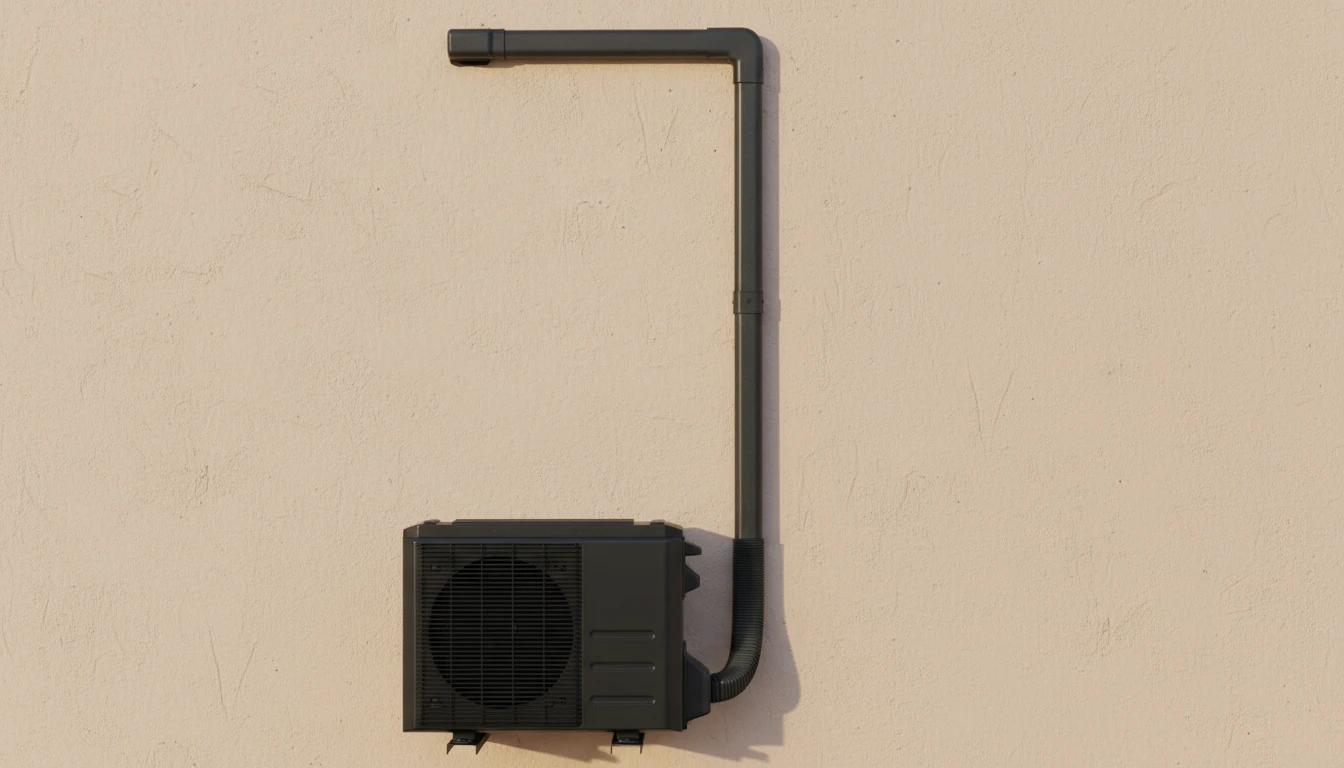
Standard NBR/EPDM foam insulation is highly sensitive to UV radiation. Without a cover, it dries out, cracks, and disintegrates into black dust within a year, destroying thermal efficiency.
By maintaining the integrity of the thermal insulation on the suction line, the system prevents heat gain from the outside air, ensuring the refrigerant arrives at the compressor at the correct temperature.
The Manufacturing Angle: Why "Decorative" Means "Protective"
While marketing often labels these as decorative HVAC covers, their primary function is structural protection.
1. UV Degradation Defense
Planlama:.
- Factory Insight: If we skimp on the UV additive to save cost, the cover will "chalk" (develop a white powder surface) within 6 months. Quality covers retain their gloss and flexibility.
2. Impact Resistance
The lower 3 feet of any installation is the "danger zone."
- The Threat: Weed whackers (string trimmers), lawnmowers kicking up rocks, and pets chewing on foam.
- The Solution: A rigid PVC shell takes the hit. If the copper line gets dented, it restricts refrigerant flow, killing the compressor. If the insulation is ripped, the pipe sweats, leading to water damage on the siding.
3. The Snap-Lock Mechanism
In extrusion, maintaining the tolerance of the "snap" feature is difficult.
- Loose fit: The cover rattles in the wind or falls off.
- Tight fit: The installer cannot close it without a mallet, potentially cracking the siding.
- We design the die profile to allow a specific amount of flex, ensuring a secure lock that can still be opened for maintenance.
Advantages and Disadvantages
| Feature | Advantages | Polikarbonat (PC) |
|---|---|---|
| Protection | Complete shield against UV, rain, and physical impact. | Cost: Adds $50–$150 to the installation material cost. |
| Aesthetics | Hides "spaghetti" wiring/piping; paintable to match siding. | Installation Time: Requires measuring, cutting, and drilling (adds ~30-60 mins). |
| Maintenance | Easy to wipe clean; prevents mold growth on insulation. | Thermal Expansion: Plastic expands in heat; improper install leads to gaps or buckling. |
| Sealing | Wall caps cover the hole penetration, reducing draft/pest entry. | Rigidity: Hard to retrofit over pre-installed, bent pipes that weren’t straightened. |
Myth vs. Fact: Installation
Line set covers are designed to shed water like a roof, not to be submerged. sealing them 100% prevents condensation from draining out and stops the plastic from expanding/contracting, leading to warping.
While high-quality covers have UV stabilizers, a coat of high-quality exterior latex paint adds an extra layer of protection against the sun and blends the duct into the building facade.
Practical Tips for Installers
As someone who has analyzed return parts from the field, here is how to avoid common failures with mini split line hide systems:
- Mind the Gap (Thermal Expansion): PVC expands when heated. If you butt two lengths of duct together tightly and screw them down, they will buckle when the sun hits them.
- Tip: Leave a 2-3mm gap between straight sections (covered by the coupling). Do not screw through the sliding part of the joint if possible.
- The "Pizza Cutter" Technique: Do not use a coarse wood saw to cut the PVC duct; it will shatter or leave jagged edges.
- Tip: Use a fine-tooth hacksaw or a dedicated PVC ratcheting cutter. In the factory, we use high-speed, cooled blades to prevent melting.
- Secure the Copper First: The cover is not a pipe support. Use the provided clips or straps to secure the copper bundle to the backplate. If the copper hangs loose inside the cover, vibration from the compressor will cause noise that travels into the house.
Common HVAC Application Scenarios
- Residential Retrofits: Installing ductless heads on bedrooms often requires running lines down the exterior siding. Covers are mandatory here for HOA compliance.
- VRF Commercial Systems: Large bundles of refrigerant lines running up the side of office buildings. We manufacture wider (140mm+) ducts specifically for these commercial applications.
- Coastal Installations: In salt-air environments, exposed copper corrodes rapidly (formicary corrosion). A PVC cover, while not airtight, significantly reduces the amount of salt spray settling directly on the metal.
Stepwise Installation Recommendations
- Planning: Verimlilik için Gelişmiş HVAC Otomasyon Çözümleri.
- Backplate Mounting: Screw the back panel to the wall. Ensure it is plumb (vertical). Use silicone behind the screw holes to prevent water ingress into the siding.
- Piping Route: Run the insulated copper, drain tube, and communication wire over the backplate. Strap them down using the internal clips.
- Top Cap: Install the wall inlet cap (where pipes exit the house) first. Seal the penetration with silicone inside the cap.
- Snap Cover: Snap the front panels onto the backplates. Install joint fittings (couplers/elbows) over the seams.
- Final Fasten: Many fittings have small set screws. Install these to prevent the fittings from sliding down over time due to gravity and vibration.
Frequently Asked Questions (FAQ)
1. Can I paint PVC line set covers?
Yes. Most rigid PVC covers accept high-quality exterior latex or acrylic paints. We recommend lightly sanding the surface with fine-grit sandpaper (scotch-brite pad) to break the surface gloss for better adhesion.
2. Do line set covers fit all mini-split brands?
Yes. The covers are universal. You simply choose a size (usually 3-inch or 4-inch width) based on the size of your line set bundle. A standard 9k–18k BTU system fits in a 3-inch (75mm) cover.
3. How do I cut the covers?
A chop saw (miter saw) with a fine-tooth blade gives the cleanest factory-style cut. A hacksaw works but requires filing down the burrs afterwards.
4. Why is my line set cover turning yellow?
This indicates UV degradation. It likely means the product was made with a lower-cost PVC compound lacking sufficient Titanium Dioxide or UV stabilizers. High-end brands use ASA resin which resists yellowing much longer.
5. Can I use these for electrical conduit?
While physically possible, these covers are not usually NEMA-rated electrical conduits. They are mechanical protection for insulated pipes. High-voltage wiring should be inside its own rated conduit or cable jacket within the cover.
Technical Summary
PVC line set covers are an essential investment for the longevity of any mini-split system. They solve the critical issue of UV-induced insulation failure, which preserves the system’s thermal efficiency and prevents condensation leaks. By utilizing high-grade, UV-stabilized PVC or ASA, these covers offer robust protection against impact and weather while improving the aesthetic finish of the installation. For HVAC professionals, recommending a quality mini split line hide is not an upsell—it is a standard of care to ensure the equipment survives the warranty period.





