
Schlüsselprozesse: Spritzguss • Extrusion • Vakuumformung • Pressverfahren • 3D-Druck Covers
Professional HVAC filter housing components engineered for secure filtration and optimal airflow. Custom plastic injection molding solutions with precision tolerances and global compliance.
Table of Contents
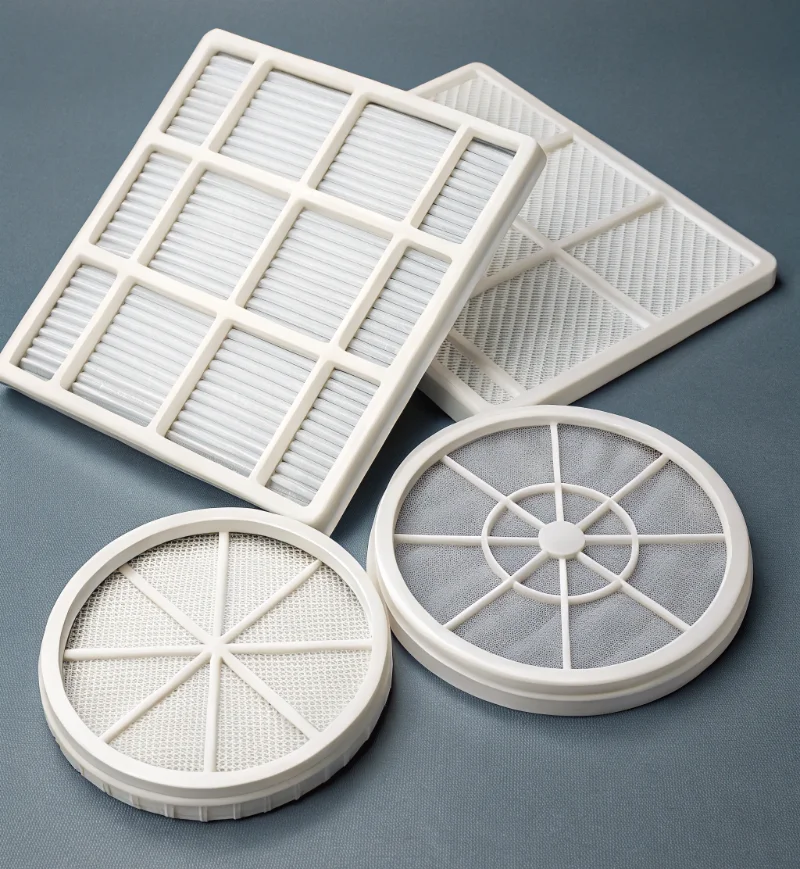
What are Filter Frames & Covers?
Filter frames and covers are essential components in HVAC systems that provide structural support and protection for air filters. These components ensure proper filter installation, maintain seal integrity, and prevent air bypass around the filter media. Filter frames create a rigid structure that holds the filter material in place, while covers provide additional protection and aesthetic finish. They come in various materials, sizes, and configurations to accommodate different filter types and HVAC applications. Properly designed frames and covers optimize filtration efficiency, reduce maintenance requirements, and extend the service life of both the filter and the HVAC system.
Key Function: Filter Support → Seal Integrity → Airflow Management → System Protection
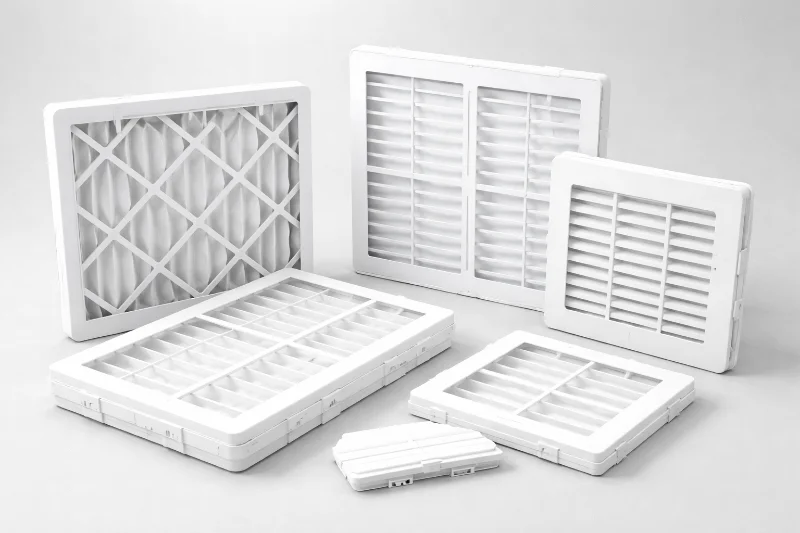
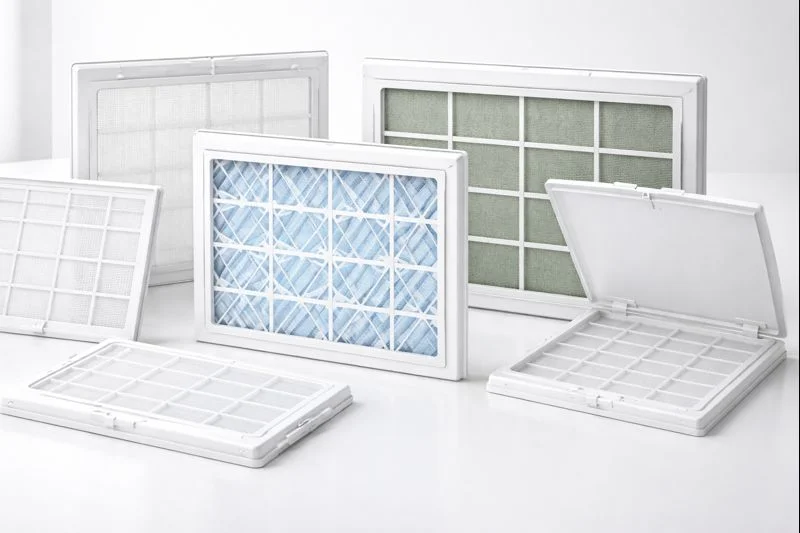
Types & Functions
Rigid Filter Frames
These provide structural support for various filter media types, featuring precise dimensions and mounting points for secure installation in HVAC systems.
Why it's crucial for HVAC: Rigid frames maintain filter shape and prevent media deformation, ensuring consistent filtration performance and preventing air bypass.
Flexible Filter Frames
Designed with flexible materials that can conform to irregular spaces or non-standard filter dimensions, often used in retrofit applications.
Why it's important for HVAC: Flexible frames accommodate installation challenges while still maintaining proper seal integrity and filter support.
Filter Covers
Protective enclosures that shield filters from damage, provide aesthetic finish, and often include additional features like access doors or mounting hardware.
Why it's important for HVAC: Covers protect filter investment, improve system appearance, and can enhance filter accessibility for maintenance.
Design & Materials
Material Selection
Common materials include ABS, polycarbonate, polypropylene, and glass-filled nylon, each offering different benefits in terms of strength, chemical resistance, and temperature tolerance.
Why it's crucial for HVAC: Material choice affects durability, chemical resistance, and compatibility with various filter media and operating conditions.
Sealing Mechanisms
Advanced designs incorporate gaskets, interlocking features, or compression seals to prevent air bypass around the filter media, ensuring all air passes through the filter.
Why it's crucial for HVAC: Proper sealing maximizes filtration efficiency and prevents contaminated air from bypassing the filter media.
Installation Features
User-friendly designs include quick-release mechanisms, tool-less installation options, and clear orientation indicators to simplify filter replacement and maintenance.
Why it's crucial for HVAC: Easy installation features reduce maintenance time and ensure proper filter placement for optimal performance.
What is the Difference Between Filter Frames and Filter Covers?
While both filter frames and filter covers are essential components in HVAC filtration systems, they serve distinct functions. A filter frame is the structural component that directly supports and holds the filter media in place, ensuring proper positioning and maintaining the filter's shape during operation. A filter cover, on the other hand, is an additional protective component that encloses the filter and frame assembly, providing protection from physical damage, improving aesthetics, and often incorporating features for easier access and maintenance. Understanding this distinction is crucial for proper HVAC system design, as both components work together to ensure optimal filtration performance, system efficiency, and longevity of the filtration system.
Core Difference: Filter frames directly support filter media, while filter covers provide additional protection and aesthetic finish.
| Feature | Filter Frame | Filter Cover |
|---|---|---|
| Primary Function | Direct structural support for filter media, maintaining shape and position. | Protective enclosure for the filter and frame assembly, providing additional protection and aesthetic finish. |
| Contact with Filter Media | Direct contact with filter media, securing it in place and maintaining proper tension. | No direct contact with filter media; encloses the frame and filter assembly. |
| Material Requirements | Requires materials with dimensional stability and strength to support filter media without deformation. | Can utilize a wider range of materials, with emphasis on durability and aesthetic qualities. |
| Sealing Function | Primary sealing component that prevents air bypass around filter media edges. | Secondary sealing that may provide additional protection against air leaks or contamination. |
| Design Focus | Primarily functional, designed for optimal filter support and sealing efficiency. | Balance of function and aesthetics, designed to complement system appearance while providing protection. |
Which Plastic Molding Processes are Suitable for Filter Frames and Covers?
Manufacturing filter frames and covers requires careful selection of plastic molding processes to achieve the necessary balance of structural integrity, dimensional accuracy, and cost-effectiveness. The choice of molding technique depends on factors such as component complexity, required precision, production volume, and material characteristics. This analysis evaluates various molding processes to determine their suitability for different types of filter frames and covers, helping manufacturers optimize production based on specific application requirements and performance specifications.
Key Processes: Injection Molding • Extrusion • Vacuum Forming • Compression Molding • 3D Printing
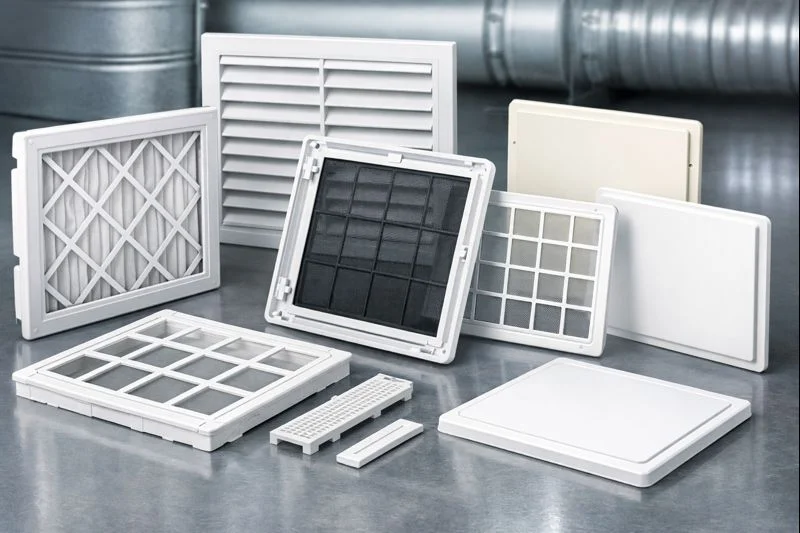
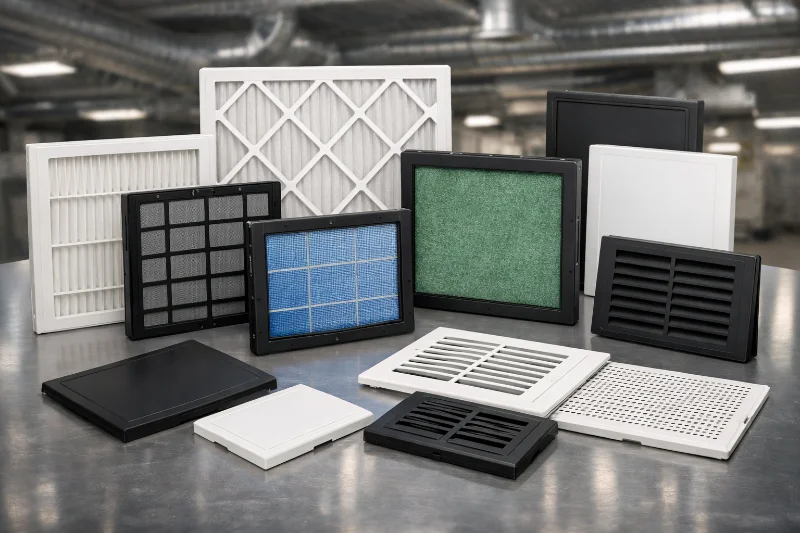
Injection Molding
The ideal process for manufacturing complex filter frames and covers with precise dimensions and integrated features.
Extrusion
Suitable for linear components of filter frames with consistent cross-sections, particularly for frame profiles and structural elements.
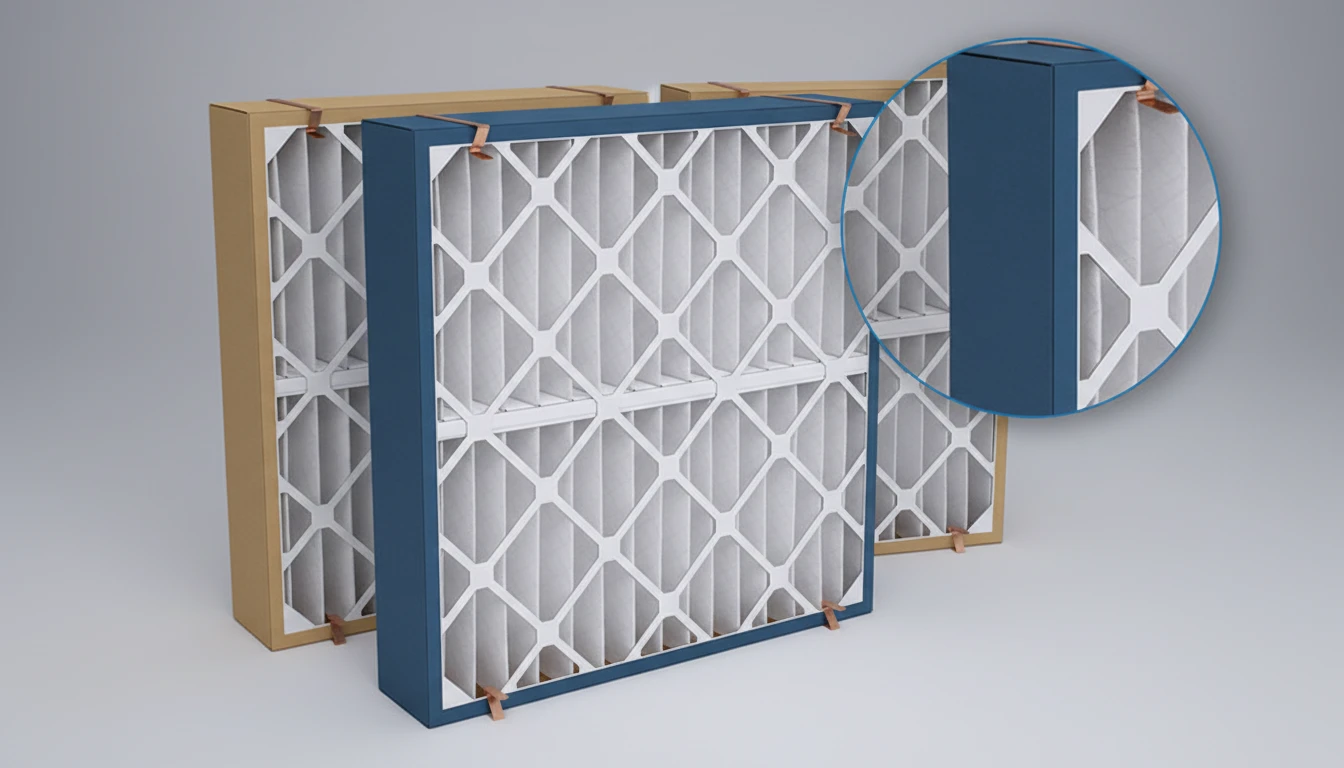
Vacuum Forming
Suitable for simple filter covers with basic contours and minimal detail requirements, particularly for large, flat covers.
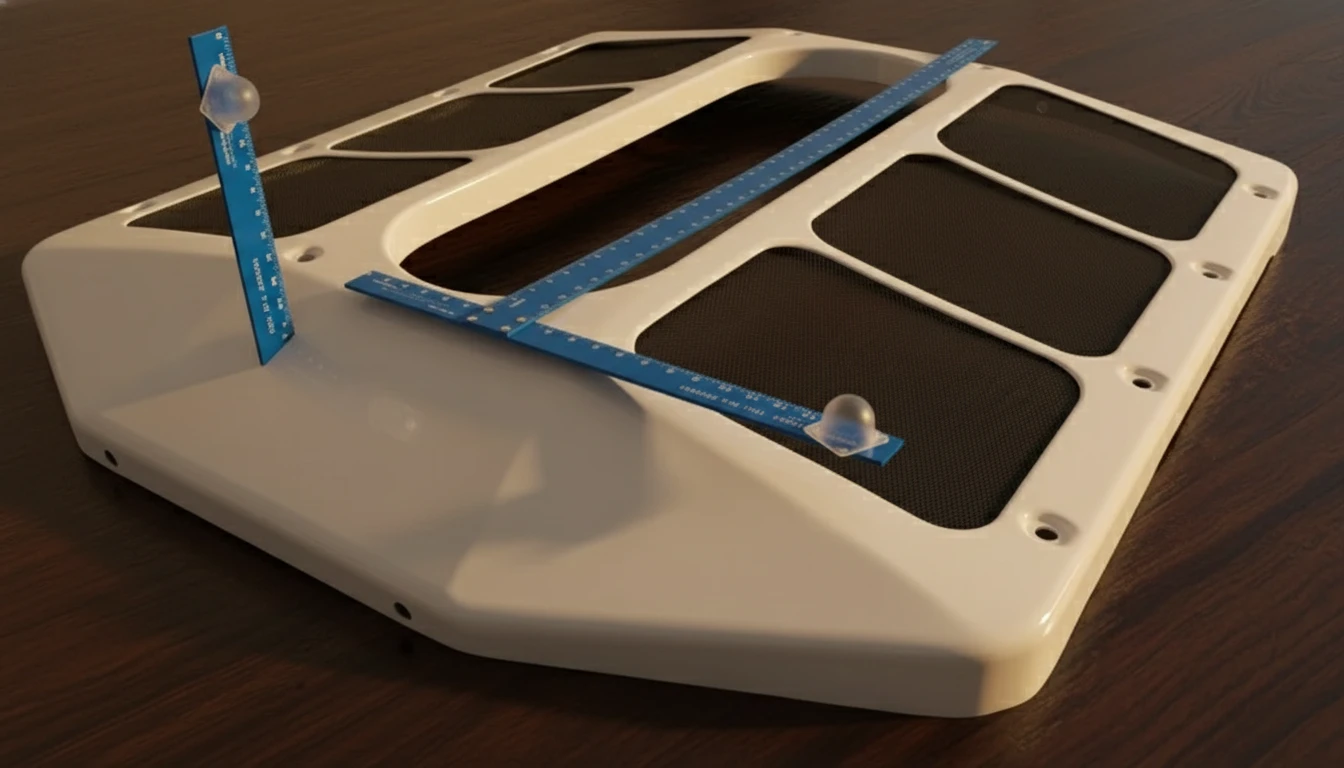
Compression Molding
Suitable for large, simple filter components, particularly when using reinforced materials for enhanced durability.
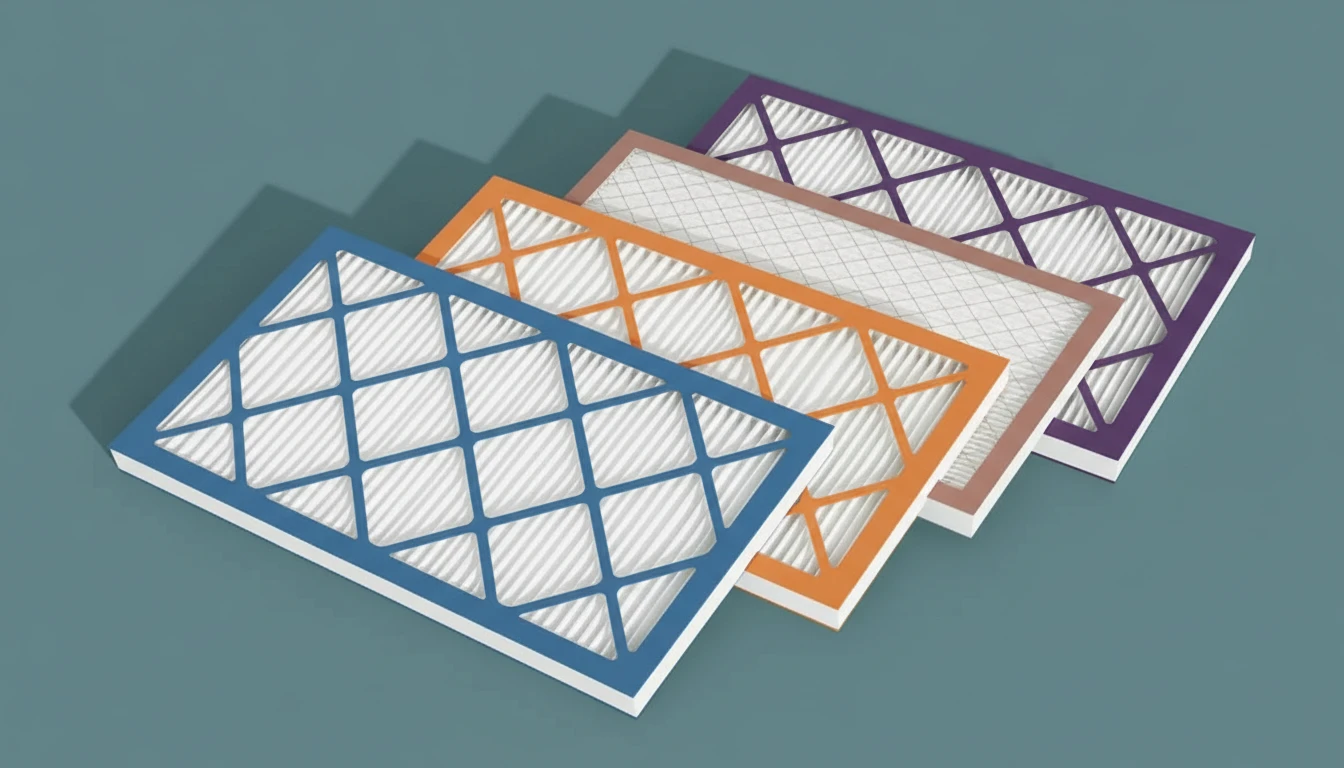
3D Printing (Additive Manufacturing)
Ideal for custom filter frames and covers with complex geometries or for rapid prototyping and low-volume production.
What are the Key Performance Metrics for Evaluating Filter Frames & Covers?
Evaluating filter frames and covers requires a comprehensive assessment of multiple performance dimensions that collectively determine their effectiveness in HVAC systems. Structural integrity ensures the components can withstand operational stresses without deformation. Sealing performance prevents air bypass and maintains filtration efficiency. Material characteristics determine durability and compatibility with operating conditions. Additionally, ease of installation, maintenance accessibility, and cost-effectiveness influence the overall value and practicality of the filter frame and cover design within the building system.
Key Dimensions: Structural Integrity • Sealing Performance • Material Characteristics • Installation & Maintenance
| Key Metric | What It Is | Why It Matters |
|---|---|---|
| 🏗️ Structural Integrity | ||
| Dimensional Stability | The ability of the frame or cover to maintain its shape and dimensions under varying temperature and humidity conditions. | Ensures consistent filter performance and prevents air bypass due to frame deformation or warping. |
| Load-Bearing Capacity | The maximum weight or pressure the frame can support without permanent deformation or failure. | Critical for supporting heavy filter media and withstanding pressure differentials across the filter during operation. |
| Impact Resistance | The ability to withstand sudden impacts or mechanical shocks without cracking or breaking. | Protects filter integrity during installation, maintenance, and accidental impacts in service environments. |
| 🔒 Sealing Performance | ||
| Gasket Integrity | The quality and durability of sealing materials used to prevent air bypass around the filter media. | Essential for maintaining filtration efficiency by ensuring all air passes through the filter media rather than bypassing it. |
| Compression Seal Performance | The effectiveness of compression-based sealing mechanisms that create airtight connections between components. | Provides reliable sealing without additional gaskets, reducing maintenance requirements and potential failure points. |
| 🧪 Material Characteristics | ||
| Chemical Resistance | The ability of materials to withstand exposure to chemicals, cleaning agents, and airborne contaminants. | Ensures longevity and maintains performance in environments with exposure to cleaning chemicals or corrosive agents. |
| Temperature Tolerance | The range of temperatures the material can withstand without losing structural integrity or dimensional stability. | Critical for applications with extreme temperature variations or exposure to heated or cooled air streams. |
| UV Resistance | The ability to resist degradation from exposure to ultraviolet light. | Essential for components exposed to sunlight or UV radiation to prevent yellowing, brittleness, and premature failure. |
| 🔧 Installation & Maintenance | ||
| Strategische Torplatzierung minimiert sichtbare Markierungen und gewährleistet die ordnungsgemäße Füllung komplexer Rahmenstrukturen. | How simple and intuitive the component is to install correctly, including features that guide proper placement. | Reduces installation time and costs while minimizing the risk of improper installation that could compromise performance. |
| Maintenance Accessibility | How easily the component can be accessed for inspection, cleaning, or filter replacement. | Impacts long-term maintenance costs and ensures regular filter changes can be performed efficiently. |
| Service Life | The expected operational lifespan of the component under normal operating conditions. | Determines long-term value and replacement costs. Durable frames and covers reduce total cost of ownership over the system's lifecycle. |
What are the Common Plastics Used for HVAC Filter Frames & Covers?
When selecting materials for your HVAC filter frames and covers, you have several excellent options to consider. ABS offers the perfect balance of impact resistance and surface finish for most indoor applications, with UV stabilizers available for outdoor use. For high-end installations requiring superior durability, PC provides exceptional strength and heat resistance. For applications requiring chemical resistance, PP delivers excellent performance against cleaning agents. When flame retardancy is paramount, PC/ABS blends with flame-retardant additives meet stringent safety standards. Your choice ultimately depends on your specific needs: application environment, chemical exposure, safety requirements, and aesthetic considerations.
Key Materials: ABS • PC • PP • PC/ABS Blends
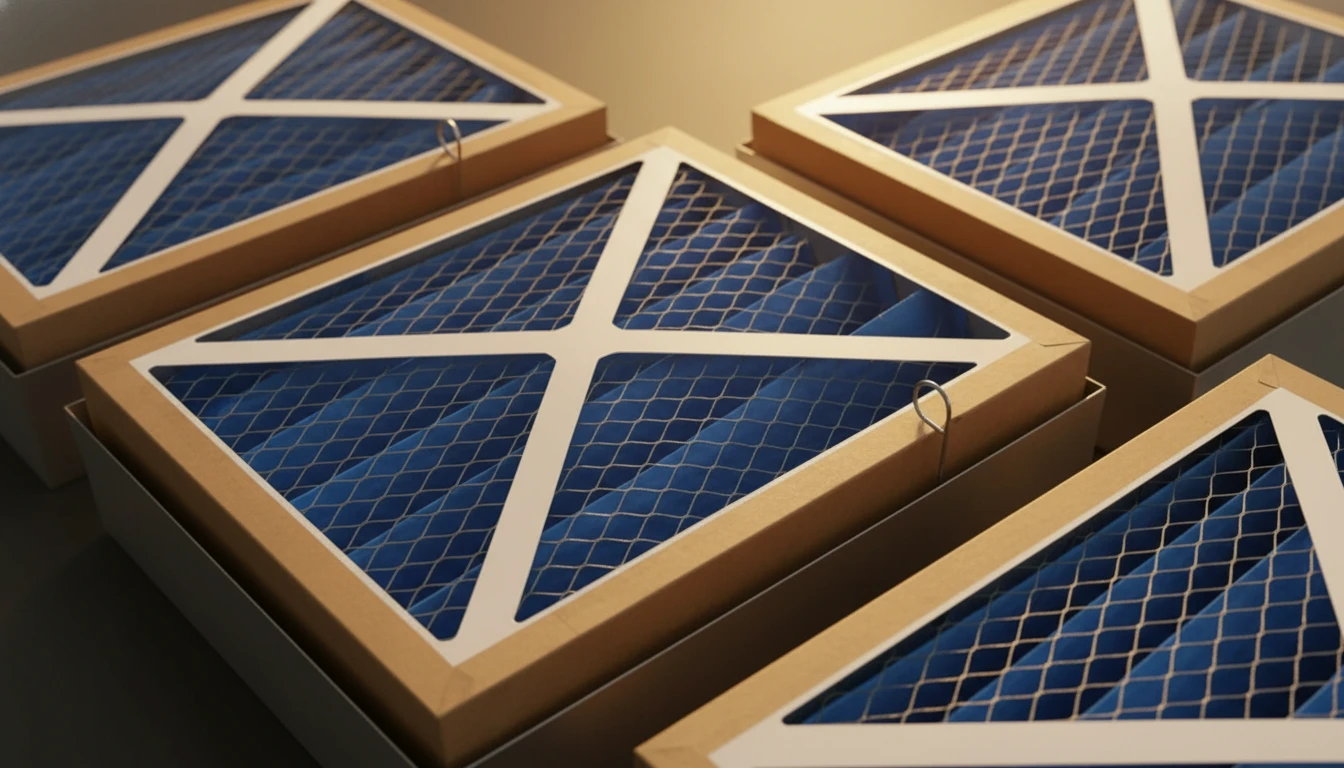
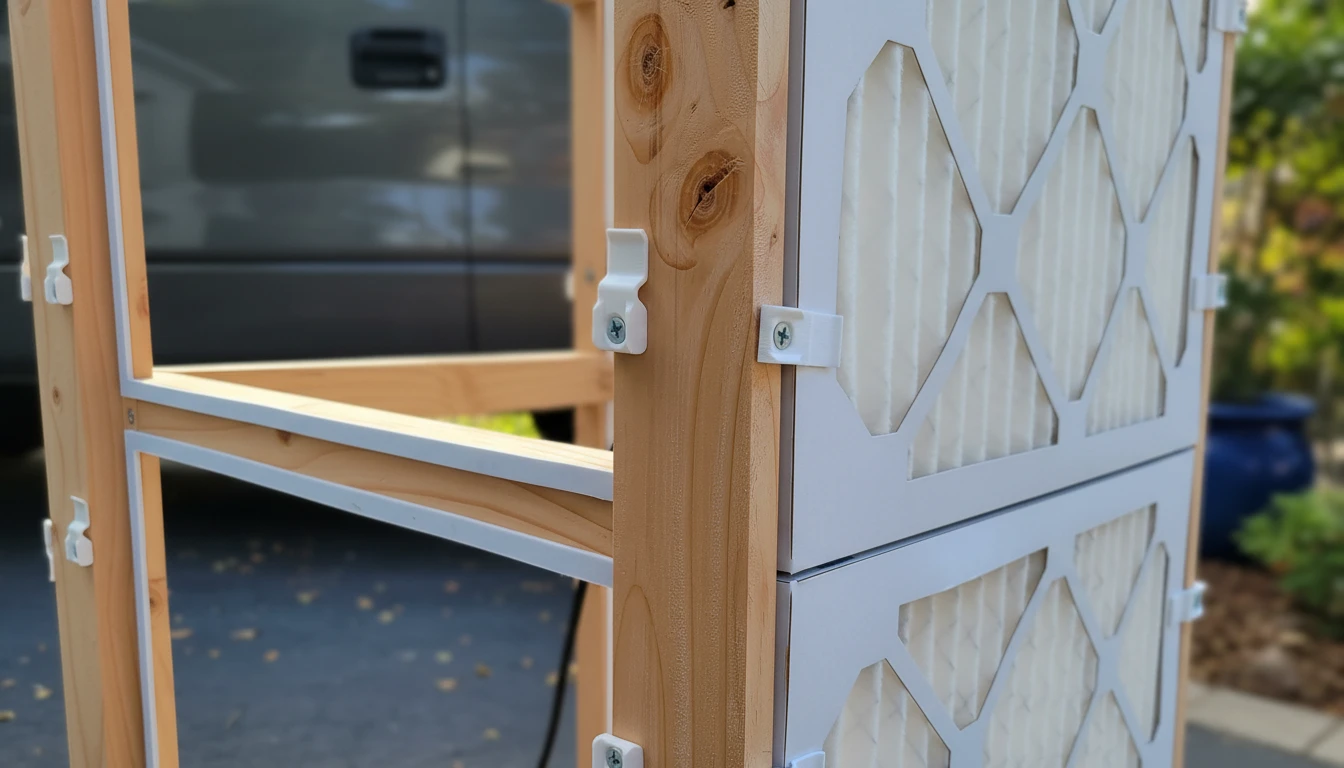
ABS (Acrylonitrile Butadiene Styrene)
ABS is the preferred material for HVAC filter frames and covers, offering an excellent combination of durability, aesthetics, and cost-effectiveness.
Key Properties:
- Excellent impact resistance: Withstands physical impact during installation and maintenance.
- Superior surface finish: Can be manufactured with high-gloss or textured surfaces for premium appearance.
- Dimensional stability: Maintains precise shape and size, critical for proper filter sealing.
- Good temperature resistance: Performs well in typical HVAC temperature ranges.
- Easy to process: Allows for complex frame designs and precise sealing features.
Common Applications:
- Residential and commercial HVAC filter frames
- Return air filter covers and grilles
- High-efficiency filter housing components
- Decorative filter covers for visible installations
Limitation: Standard ABS has limited UV resistance. For outdoor applications or areas with direct sunlight, UV-stabilized grades are recommended.
PC (Polycarbonate)
Polycarbonate is the premium choice for high-end filter frames and covers where superior durability and safety are paramount.
Key Properties:
- Exceptional impact strength: Virtually unbreakable, ideal for high-traffic areas.
- High heat resistance: Maintains structural integrity at elevated temperatures common in HVAC systems.
- Transparency options: Can be manufactured clear or tinted for unique design applications.
- Excellent dimensional stability: Ensures consistent performance across temperature variations.
- Flame retardant options: Available in grades that meet stringent fire safety standards.
Common Applications:
- Hospital and healthcare facility filter housings
- Industrial environments with high safety requirements
- Transparent filter covers for visual inspection
- High-end architectural filter solutions
Limitation: Higher cost compared to other materials and may require specialized processing equipment.
PP (Polypropylene)
Polypropylene is ideal for filter frames and covers that require chemical resistance and durability in harsh environments.
Key Properties:
- Excellent chemical resistance: Withstands cleaning agents and environmental contaminants.
- Good fatigue resistance: Suitable for components with repeated opening and closing.
- Low coefficient of friction: Enables smooth operation of moving parts.
- Lightweight: Reduces overall system weight, important for ceiling installations.
- Cost-effective: Provides excellent value for high-volume applications.
Common Applications:
- Industrial filter frames exposed to chemicals
- Laboratory and cleanroom filter housings
- Filter covers with frequent access requirements
- Budget-friendly commercial filter solutions
Limitation: Lower surface finish quality compared to ABS and PC. May become brittle at very low temperatures.
PC/ABS Blends
PC/ABS blends combine the best properties of both materials, offering a balanced solution for demanding filter frame and cover applications.
Key Properties:
- Excellent balance of properties: Combines impact resistance of PC with processability of ABS.
- Enhanced heat resistance: Better than ABS alone, suitable for most HVAC applications.
- Superior flame retardancy: Available in grades that meet stringent fire safety standards.
- Good surface finish: Can be manufactured with various textures and finishes.
- Cost-effective: Less expensive than pure PC while offering superior performance to ABS.
Common Applications:
- Commercial office building filter systems
- Hospital and healthcare facility filter housings
- Applications requiring both impact resistance and flame retardancy
- High-end residential filter solutions
Limitation: Properties depend on the specific blend ratio. May require UV stabilizers for outdoor applications.
Comparison at a Glance
| Material | Key Strengths | Best For |
|---|---|---|
| ABS | Impact resistance, surface finish, cost-effectiveness | General commercial applications with aesthetic requirements |
| PC | Superior impact strength, heat resistance, transparency | High-traffic areas and applications with safety requirements |
| PP | Chemical resistance, low friction, cost-effectiveness | Chemical-exposed environments and budget applications |
| PC/ABS | Balanced properties, flame retardancy, heat resistance | Applications requiring both durability and safety compliance |
Special Additives and Grades
To enhance these base plastics, manufacturers often use special formulations:
- UV-Stabilized Grades: Plastics (especially ABS and PP) are compounded with UV absorbers and inhibitors to prevent degradation and yellowing from sun exposure.
- Flame-Retardant (FR) Grades: Additives are mixed into the plastic to meet strict fire safety standards (e.g., UL 94 V-0).
- Antimicrobial Additives: Silver ion or other antimicrobial agents can be embedded into the plastic to inhibit the growth of bacteria and mold.
- Anti-Static Grades: Conductive additives reduce static electricity buildup, important in certain environments.
What are Mold Design Considerations for HVAC Filter Frames & Covers?
Effective mold design is critical for producing high-quality HVAC filter frames and covers that meet both functional and aesthetic requirements. The design process must balance precision engineering with manufacturability, considering factors such as sealing integrity, ease of maintenance, and surface finish. Advanced mold designs enable the integration of features like snap-fit mechanisms and sealing gaskets into a single component, reducing assembly steps and improving product reliability. Understanding these considerations is essential for optimizing production efficiency, minimizing defects, and ensuring the final product provides proper filter sealing and easy maintenance access.
Key Focus: Sealing Integrity • Maintenance Access • Precision Engineering • Surface Finish
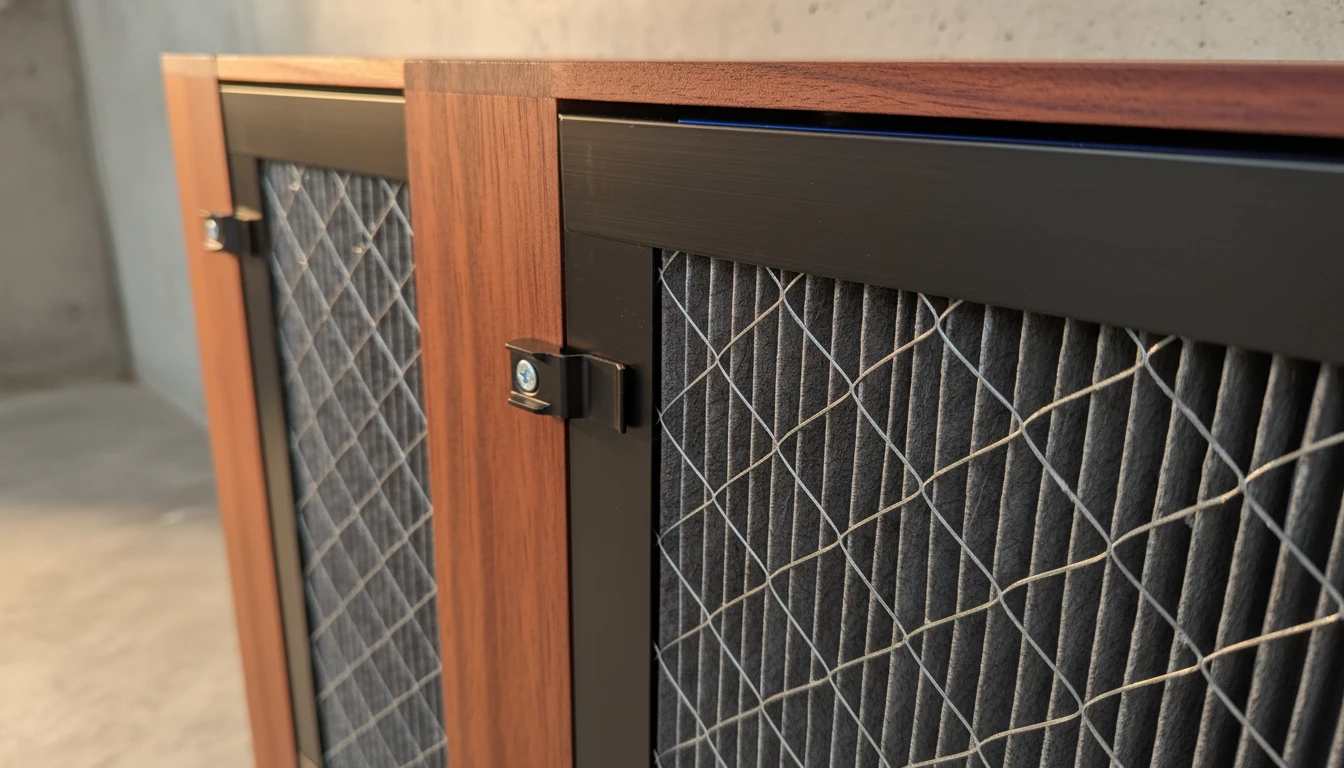
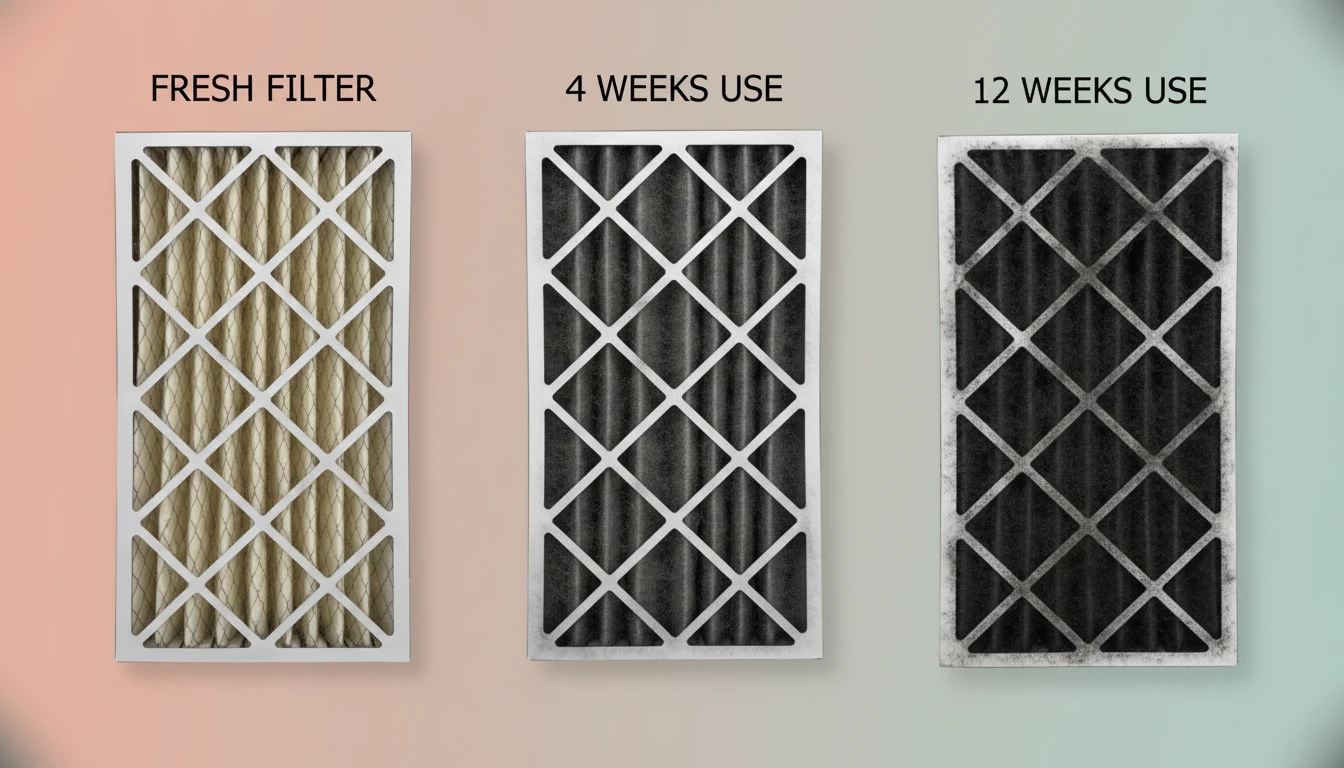
Mold Design & Sealing Features
Sealing Rib Design
Precision molding of sealing ribs and gasket channels is critical for ensuring proper filter sealing and preventing air bypass.
Why it's crucial: Proper sealing ensures HVAC system efficiency and prevents unfiltered air from bypassing the filter.
Snap-Fit Mechanisms
Integrated snap-fit features enable tool-free installation and secure filter retention without additional hardware.
Why it's crucial: Snap-fit mechanisms simplify installation and reduce maintenance time and costs.
Surface Finish Control
Mold surface finish directly affects the final product appearance and resistance to dust accumulation.
Why it's crucial: Proper surface finish enhances both aesthetics and long-term cleanliness of filter components.
Gate Placement Optimization
Strategic gate placement minimizes visible marks and ensures proper filling of complex frame structures.
Unzureichende Entlüftung in der Form.
Maintenance Integration
Easy Access Design
Hinge mechanisms and quick-release features enable convenient filter access for maintenance and replacement.
Why it's crucial: Easy access features reduce maintenance time and encourage regular filter changes.
Living Hinge Integration
Precision molding of living hinges enables durable, smooth operation of filter covers without additional hardware.
Why it's crucial: Living hinges reduce assembly costs and improve long-term reliability of filter covers.
Multi-Component Integration
Advanced mold designs allow integration of multiple components into a single assembly, reducing parts count.
Why it's crucial: Integrated components simplify installation and improve overall system reliability.
Ejection System Design
Specialized ejection systems prevent damage to delicate sealing features during demolding.
Why it's crucial: Proper ejection systems maintain dimensional accuracy and sealing integrity.
Design for Filter Performance
1
Air Tightness Testing
Design features that enable testing for air bypass and filter sealing effectiveness.
2
Dust Resistance Design
Surface finishes and features that minimize dust accumulation and simplify cleaning.
3
Filter Compatibility
Design considerations for various filter types and thicknesses while maintaining proper sealing.
How to Control Quality and Prevent Defects in HVAC Filter Frames & Covers?
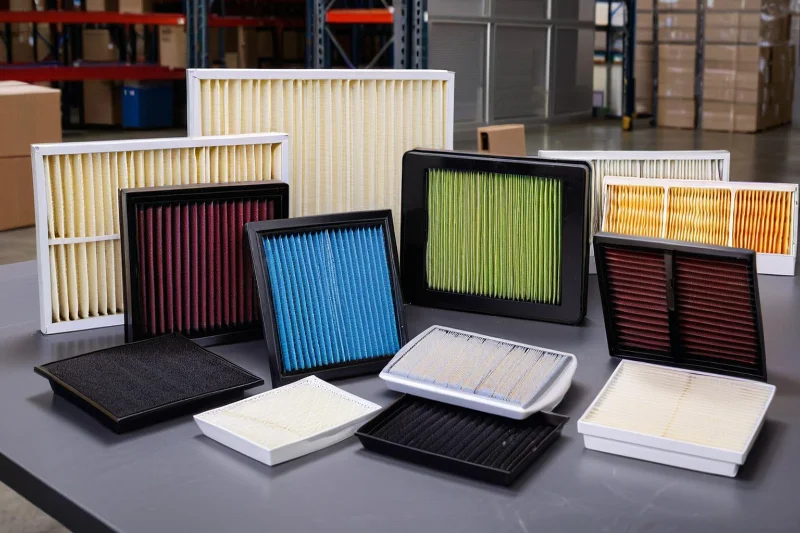
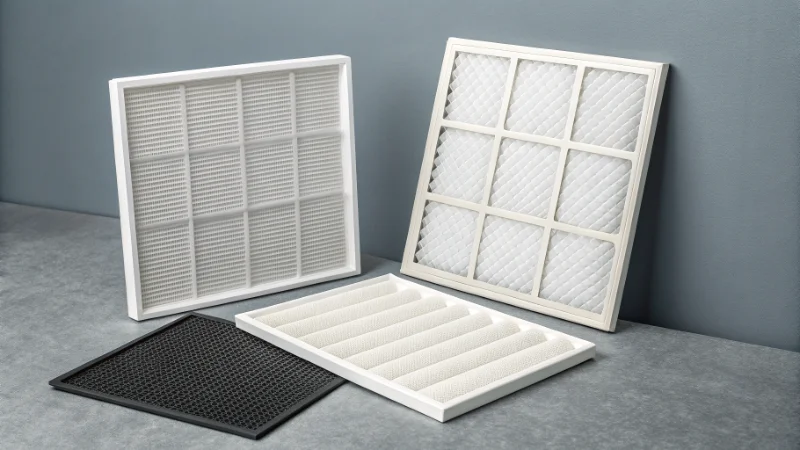
When sourcing HVAC filter frames and covers, consistent quality directly impacts system performance and air quality. A comprehensive quality control system addresses common defects in plastic molding before they become your problems, ensuring every component meets your exact specifications. This approach prevents issues like poor sealing, warping, and mechanism failure that could compromise filter efficiency and system performance. By implementing rigorous inspection protocols from material verification to final testing, you receive components that maintain dimensional accuracy, sealing integrity, and functional performance. This proactive quality management protects your projects from costly rework and warranty claims while ensuring reliable long-term performance of your HVAC filtration systems.
Quality Focus: Sealing Integrity • Mechanism Functionality • Dimensional Accuracy
Common Defect Analysis & Solutions
Understanding potential defects helps you evaluate suppliers more effectively. Here's how we prevent the most common issues that can compromise your product quality.
Poor Sealing
Filter frames and covers that don't seal properly, allowing unfiltered air to bypass the filter and reducing system efficiency.
Common Causes:
- Dimensional inaccuracies in sealing surfaces
- Warped or distorted frame components
- Improper gasket groove design
- Inconsistent wall thickness
Solutions:
- Implement precise dimensional control
- Optimize cooling to prevent warping
- Design proper gasket channels and grooves
- Perform sealing tests during quality control
Mechanism Failure
Snap-fit mechanisms or hinges that don't function properly, preventing secure filter installation and maintenance access.
Common Causes:
- Improper snap-fit design
- Insufficient material flexibility
- Excessive friction between moving parts
- Poor dimensional tolerance control
Solutions:
- Optimize snap-fit geometry and flexibility
- Select materials with appropriate fatigue resistance
- Incorporate proper draft angles and clearances
- Implement strict dimensional control
Warping
Deformation of filter frames or covers that prevents proper filter installation and sealing.
Common Causes:
- Uneven cooling of the part
- High internal stresses from improper flow
- Material shrinkage variations
- Improper ejection mechanism design
Solutions:
- Design uniform cooling channels in mold
- Optimize injection speed and pressure profile
- Select materials with lower shrinkage rates
- Implement proper ejection system design
Surface Defects
Imperfections on the surface that affect appearance and potentially sealing characteristics.
Common Causes:
- Improper mold temperature control
- Contaminated material or mold surface
- Inadequate venting in the mold
- Leichtgewicht, reduziert die strukturelle Belastung und den Installationsaufwand.
Solutions:
- Optimize mold temperature parameters
- Implement proper material drying procedures
- Ensure adequate mold venting
- Maintain clean mold surfaces
Quality Assurance Process
First Article Inspection (FAI)
FAI Includes:
- Complete dimensional verification using CMM
- Material certification and property testing
- Visual inspection for surface defects
- Functional testing of snap-fit mechanisms
- Sealing effectiveness verification
FAI Benefits:
- Identifies issues before mass production
- Establishes baseline quality standards
- Validates tooling and process parameters
- Reduces costly rework and scrap
- Ensures your requirements are met
In-Process Quality Control (IPQC)
Monitored Parameters:
- Injection pressure and speed profiles
- Melt and mold temperatures
- Cooling time and cycle consistency
- Part weight and dimensional stability
- Visual defect detection
Control Methods:
- Ideal für moderne Architekturentwürfe mit klaren Linien.
- Automated vision inspection systems
- Regular sampling and measurement
- Real-time parameter monitoring
- Operator training and standardized procedures
Advanced Testing Equipment
Dimensional Verification:
- Coordinate Measuring Machine (CMM): Provides precise 3D measurements with accuracy up to ±0.002mm
- Optical Comparators: For 2D profile verification of complex geometries
- Digital Calipers & Micrometers: For routine dimensional checks
- 3D Scanning Systems: For comprehensive surface analysis
Performance Testing:
- Sealing Test Stations: Verify air bypass prevention and filter sealing effectiveness
- Snap-Fit Testing Equipment: Test durability and retention force of mechanisms
- Durability Testers: Simulate long-term use of moving parts
- Environmental Chambers: Test performance under various temperature/humidity conditions
What are the Advantages and Disadvantages of HVAC Filter Frames & Covers?
Plastic filter frames and covers offer a unique set of advantages, making them essential components in modern HVAC systems. Their cost-effectiveness, design flexibility, and integration potential make them ideal for various applications. However, they also have distinct limitations, particularly regarding heat resistance and chemical compatibility, which must be carefully considered. The choice between different types of filter frames ultimately depends on a balance between performance requirements, aesthetic considerations, and budget constraints.
Key Trade-off: Cost & Design Flexibility vs. Heat Resistance & Chemical Compatibility
Advantages
Cost-Effectiveness
Plastic filter frames and covers are more affordable than metal alternatives, reducing overall system cost.
Why it's crucial: Lower initial investment makes quality filtration more accessible for budget-conscious projects.
Design Flexibility
Plastic allows for complex shapes, integrated features, and custom designs that would be difficult or expensive with metal.
Why it's crucial: Design flexibility enables integration of features like snap-fit mechanisms and sealing gaskets.
Corrosion Resistance
Plastic is inherently resistant to environmental factors that degrade metals, such as moisture and certain chemicals.
Why it's crucial: Perfect for humid environments without needing protective coatings.
Polycarbonat (PC)
Lower Heat Resistance
Plastic filter frames may deform at elevated temperatures common in HVAC systems, potentially affecting filter sealing.
Why it's crucial: Heat resistance limitations may restrict use in high-temperature applications.
Chemical Sensitivity
Some plastics may degrade when exposed to certain chemicals or cleaning agents used in HVAC maintenance.
Why it's crucial: Chemical sensitivity may limit compatibility with certain cleaning protocols.
Lower Mechanical Strength
Plastic is generally not as strong as metal, making it more susceptible to damage from impact.
Why it's crucial: Lower strength may require more careful handling during installation and maintenance.
Type Comparison: Plastic vs. Metal Filter Frames
| Feature | Plastic Filter Frames | Metal Filter Frames |
|---|---|---|
| Cost | Lower initial cost, but may require more frequent replacement. | Higher initial cost, but longer service life. |
| Design Flexibility | Excellent for complex shapes and integrated features. | Limited to simpler designs due to manufacturing constraints. |
| Weight | Lightweight, reducing structural load and installation effort. | Qualitätsprüfungsprozess. |
| Best Application | Residential and commercial applications with design emphasis. | Industrial applications with extreme conditions. |
Frequently Asked Questions
Find answers to your key concerns in HVAC filter frames and covers injection molding FAQ. Get expert guidance on selecting the right materials—ABS, PC, PP, or PC/ABS blends—for your specific application requirements. Explore precision mold design for sealing features and snap-fit mechanisms, ensuring strict dimensional tolerances within ±0.1mm and optimal sealing performance. Discover comprehensive solutions that meet both your functional performance and aesthetic needs, with various surface finishes and access options to perfectly match your HVAC system requirements.
Key Services: Material Selection • Precision Mold Design • Sealing Features • Quality Control • Surface Finishes
Which Plastic Material is Best for HVAC Filter Frames?
Customer concern: Material selection for optimal performance and cost-effectiveness.
+
Which Plastic Material is Best for HVAC Filter Frames?
Customer concern: Material selection for optimal performance and cost-effectiveness.
Our Solutions:
Material Recommendations Based on Application:
We recommend materials based on your specific requirements:
| Material | Best For | Key Properties |
|---|---|---|
| ABS | General commercial applications with aesthetic requirements | Good impact resistance, surface finish, cost-effective |
| PC | High-traffic areas, safety-critical applications | Superior impact strength, heat resistance, transparency |
| PP | Chemical-exposed environments and budget applications | Chemical resistance, low friction, cost-effective |
| PC/ABS | Applications requiring both durability and safety compliance | Balanced properties, flame retardancy, heat resistance |
Can You Produce Filter Frames with Snap-Fit Mechanisms?
Customer concern: Manufacturing capability for integrated fastening features.
+
Can You Produce Filter Frames with Snap-Fit Mechanisms?
Customer concern: Manufacturing capability for integrated fastening features.
Our Solutions:
Advanced Mold Design:
We specialize in complex mold designs with integrated snap-fit features that enable tool-free installation and secure filter retention.
Precision Engineering:
Our engineering team uses advanced CAD/CAM software to design snap-fit mechanisms with precise tolerances for consistent performance.
Case Examples:
We have successfully produced filter frames with various snap-fit configurations, including hinged covers and quick-release mechanisms.
How Do You Ensure Proper Filter Sealing?
Customer concern: Air bypass prevention and filter efficiency.
+
How Do You Ensure Proper Filter Sealing?
Customer concern: Air bypass prevention and filter efficiency.
Our Solutions:
Precision Manufacturing:
We maintain tight dimensional tolerances (±0.1mm) to ensure consistent sealing surfaces and gasket channels.
Sealing Testing:
Our quality control process includes air bypass testing to verify that each frame provides proper filter sealing.
Gasket Integration:
We can design frames with integrated gasket channels or features for sealing gaskets.
Can You Produce Custom-Finished Filter Frames to Match Interior Design?
Customer concern: Aesthetic integration and customization options.
+
Can You Produce Custom-Finished Filter Frames to Match Interior Design?
Customer concern: Aesthetic integration and customization options.
Our Solutions:
Custom Color Matching:
We offer custom color matching services using Pantone, RAL, or customer-provided samples to ensure perfect color coordination.
Surface Finish Options:
We offer various surface finishes including matte, gloss, textured, and metallic effects.
Texture Integration:
Custom textures can be integrated directly into the mold surface for unique aesthetic effects.
What's the Typical Production Cycle Time for Filter Frames & Covers?
Customer concern: Production efficiency and delivery timelines.
+
What's the Typical Production Cycle Time for Filter Frames & Covers?
Customer concern: Production efficiency and delivery timelines.
Our Solutions:
Cycle Time Range:
Production cycle times typically range from 20-40 seconds, depending on part complexity, size, and material.
Efficiency Optimization:
We optimize cooling channels, gate design, and ejection mechanisms to minimize cycle time while maintaining part quality.
Multi-Cavity Options:
For high-volume production of smaller frames, we offer multi-cavity molds to increase output efficiency.
How Do You Prevent Common Defects Like Warping or Poor Sealing?
Customer concern: Product quality and defect prevention.
+
How Do You Prevent Common Defects Like Warping or Poor Sealing?
Customer concern: Product quality and defect prevention.
Our Solutions:
Luftauslässe & Lamellen - Präzisions-HVAC-Komponenten | HVACore
We design specialized ejection systems to prevent damage to delicate sealing features during demolding.
Optimized Cooling Design:
Our molds feature strategically placed cooling channels to ensure uniform temperature distribution and prevent warping.
Process Control:
We maintain precise control over injection parameters to prevent defects and ensure consistent quality.
Can You Produce Filter Frames with Integrated Gaskets?
Customer concern: Integrated sealing solutions.
+
Can You Produce Filter Frames with Integrated Gaskets?
Customer concern: Integrated sealing solutions.
Our Solutions:
Integrated Gasket Housing:
We can design and produce frames with integrated housing for foam or rubber gaskets, eliminating separate assembly steps.
Precision Mounting Features:
Our designs include precise mounting points and features for secure gasket installation.
Gasket Compatibility:
We can optimize frame designs for various gasket materials and thicknesses while maintaining proper sealing.
What Quality Control Measures Do You Implement for Filter Frames & Covers?
Customer concern: Quality assurance and performance consistency.
+
What Quality Control Measures Do You Implement for Filter Frames & Covers?
Customer concern: Quality assurance and performance consistency.
Our Solutions:
Dimensional Inspection:
We use coordinate measuring machines (CMM) and optical inspection systems to verify critical dimensions and ensure consistent sealing characteristics.
Sealing Performance Testing:
Our quality control process includes air bypass testing to verify that each frame meets specified performance requirements.
Mechanism Functionality Testing:
We perform functional tests including snap-fit operation, hinge durability, and retention force testing of mechanisms.