
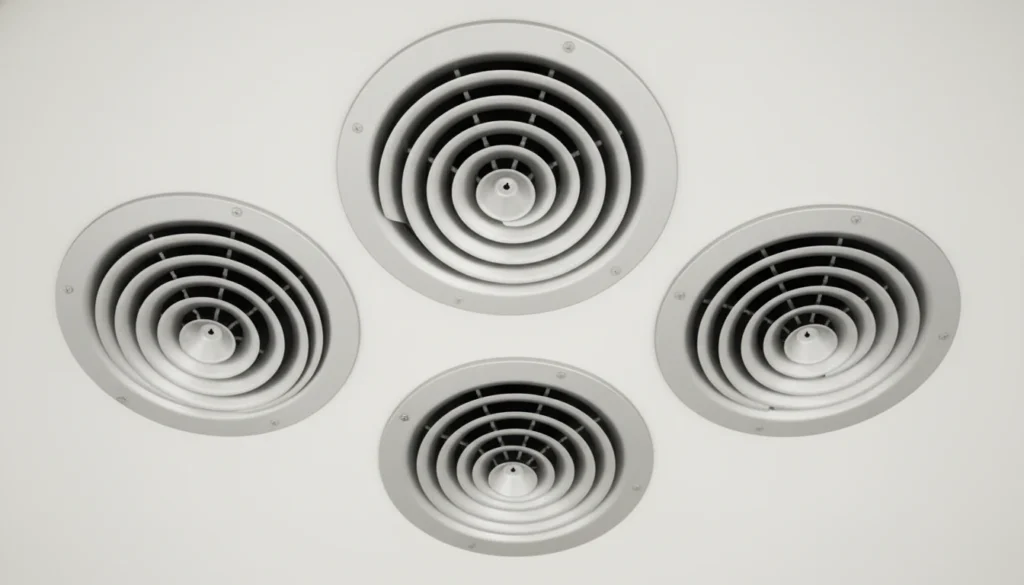
In the manufacturing of outdoor HVAC components, few quality issues generate as many field complaints as cosmetic degradation. I have stood on factory rooftops inspecting condenser units that looked pristine when they left our injection molding facility, only to turn a sickly, chalky yellow after just one summer of exposure.
Preventing plastic yellowing in HVAC1 systems is not just an aesthetic concern; it is a structural one. The same photo-oxidative degradation that causes yellowing also causes brittleness, leading to cracked vents and compromised internal components.
This guide details the technical approach to selecting UV stable plastics2, optimizing process parameters, and avoiding common manufacturing pitfalls based on real-world production trials.
– Material selection is the primary defense; replacing ABS with ASA significantly improves weatherability.
– Processing heat kills UV stabilizers; excessive shear or barrel temperatures can neutralize additives before the part is even molded.
– Black colorants (Carbon Black) offer natural UV protection but do not prevent polymer matrix degradation (chalking).
– Standard ABS contains butadiene rubber, which has double bonds that break easily under UV radiation, causing yellowing.
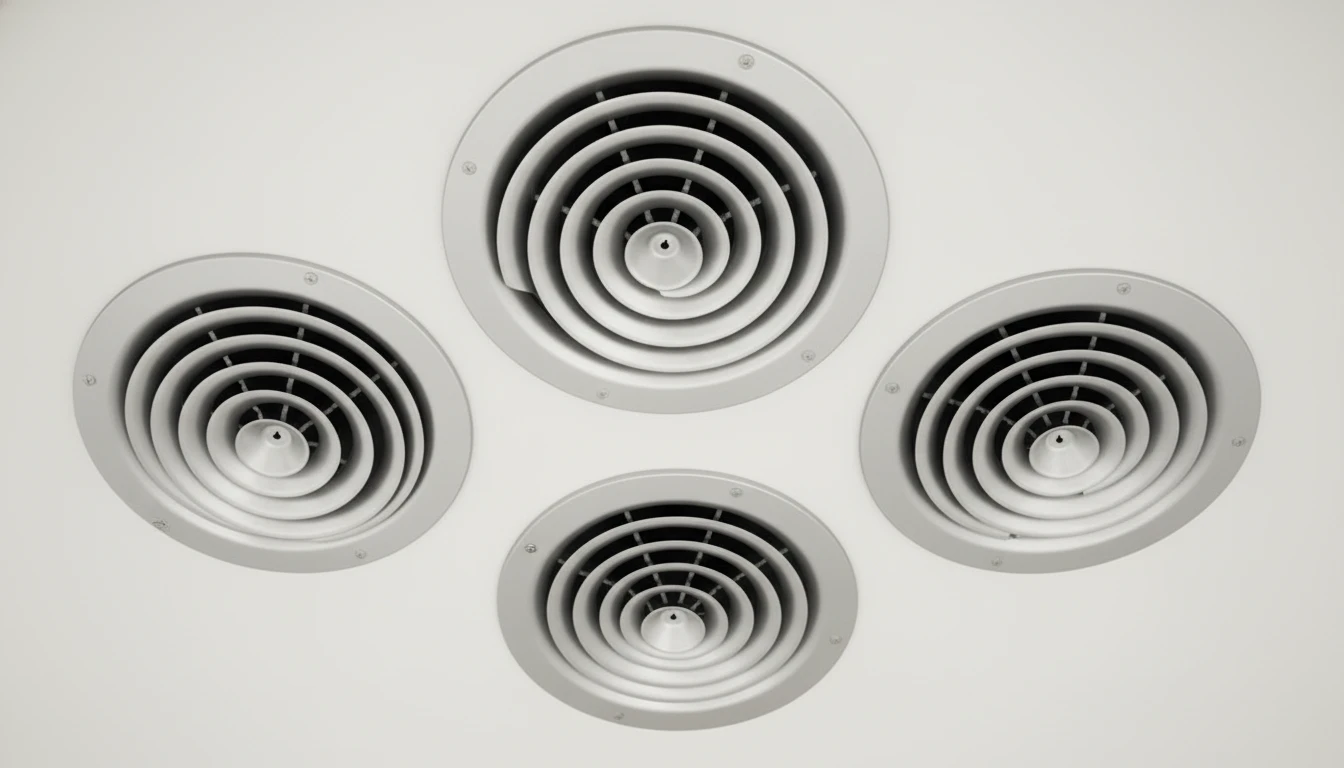
What Is UV Degradation in Injection Molding?
UV degradation occurs when ultraviolet radiation (sunlight) breaks the chemical bonds in polymer chains. In the context of weather resistant plastics, this process—known as photo-oxidation—manifests in two stages:
- Color Shift: White or light gray parts turn yellow; dark parts fade or chalk.
- Mechanical Failure: The polymer chain scission leads to a loss of impact strength and elongation, making the parts brittle.
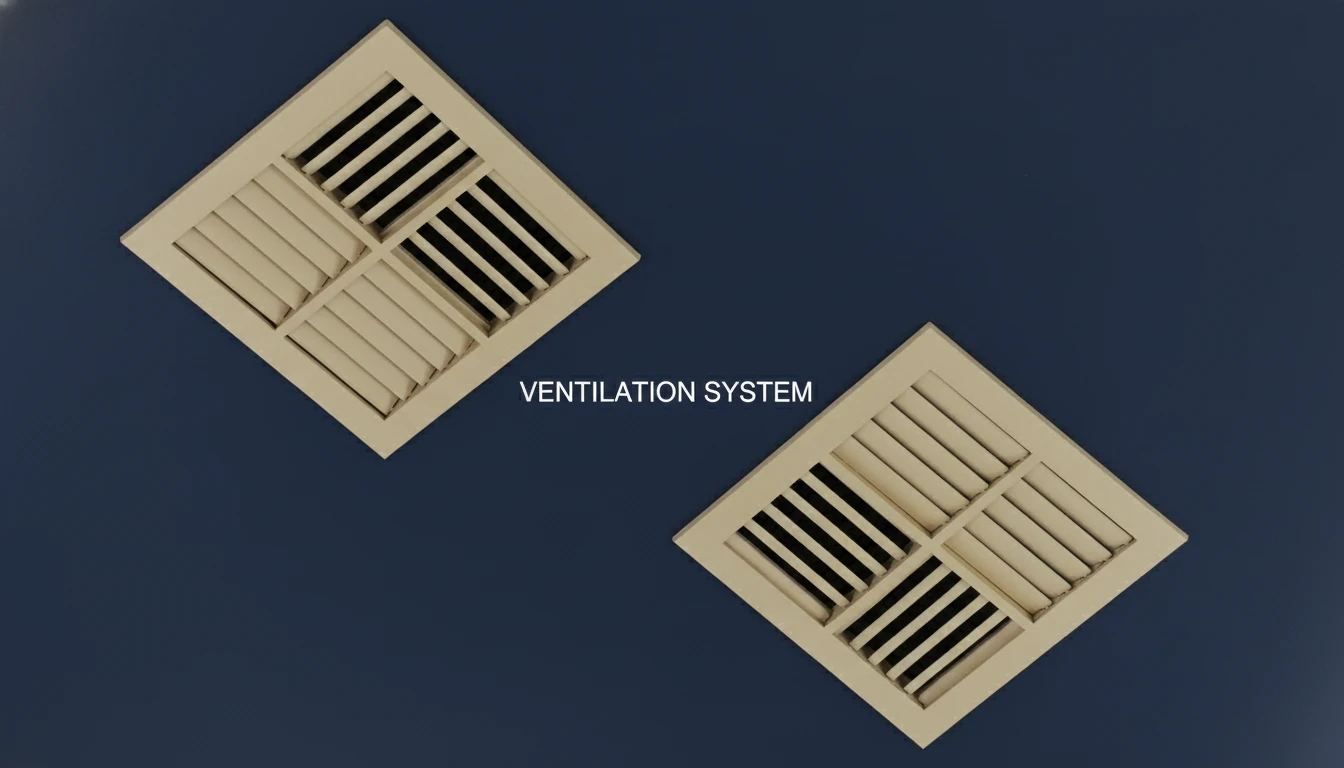
For outdoor HVAC components, specifically vents and louvers, this is critical because they are subjected to direct sunlight, thermal cycling, and humidity simultaneously.
While painting works, using inherently UV-stable resins like ASA (Acrylonitrile Styrene Acrylate) provides permanent, integral protection without the added cost and environmental impact of a secondary painting process.
Unlike ABS, which uses butadiene, ASA uses an acrylate rubber phase that lacks double bonds, making it chemically resistant to UV radiation and weathering.
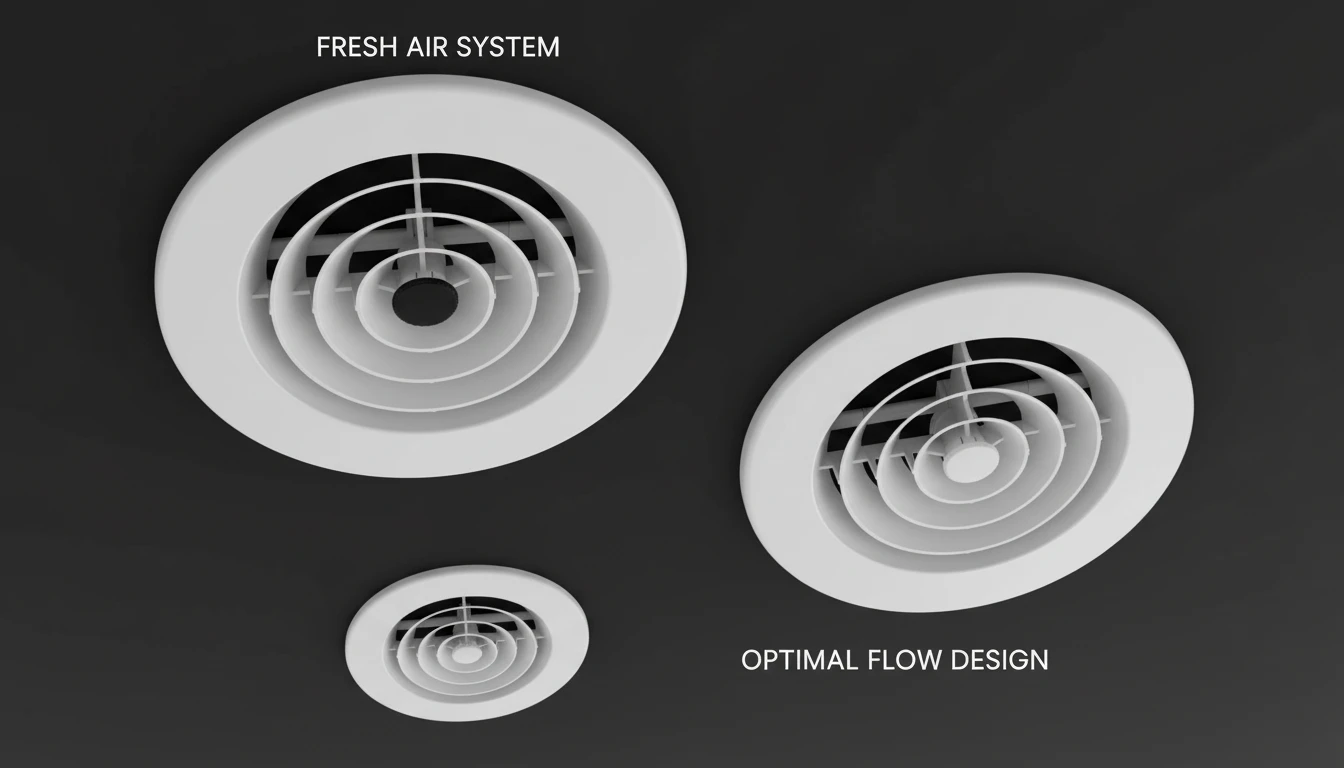
ASA vs ABS: The Material Selection Critical Path
In my early years of molding HVAC housings, we primarily used Acrylonitrile Butadiene Styrene (ABS) due to its cost-effectiveness and impact strength. However, we constantly fought yellowing issues. The culprit was the Butadiene component in ABS. It contains double bonds that are highly reactive to UV light.
The industry solution was a transition to Acrylonitrile Styrene Acrylate (ASA). By replacing the butadiene rubber with acrylate rubber, we removed the reactive double bonds.
Comparative Material Data
| Feature | ABS (Standard) | ASA (UV Stable) | Impact on HVAC Vents |
|---|---|---|---|
| Rubber Phase | Polybutadiene | Polybutyl Acrylate | ASA resists photo-oxidation; ABS degrades rapidly. |
| UV Stability | Poor (Yellows/Chalks) | Excellent | Risiko einer schlechten Dispersion (Streifenbildung); begrenzter Schutz im Vergleich zu ASA; "Pflaster"-Lösung. |
| Impact Strength | High | Moderate to High | ABS is tougher initially, but ASA retains toughness longer outdoors. |
| Process Window | Wide | Slightly Narrower | ASA can be sensitive to shear heat, requiring careful gate design. |
| Cost | Low | Medium-High | UV stable plastics like ASA cost more per kg but save on warranty claims. |
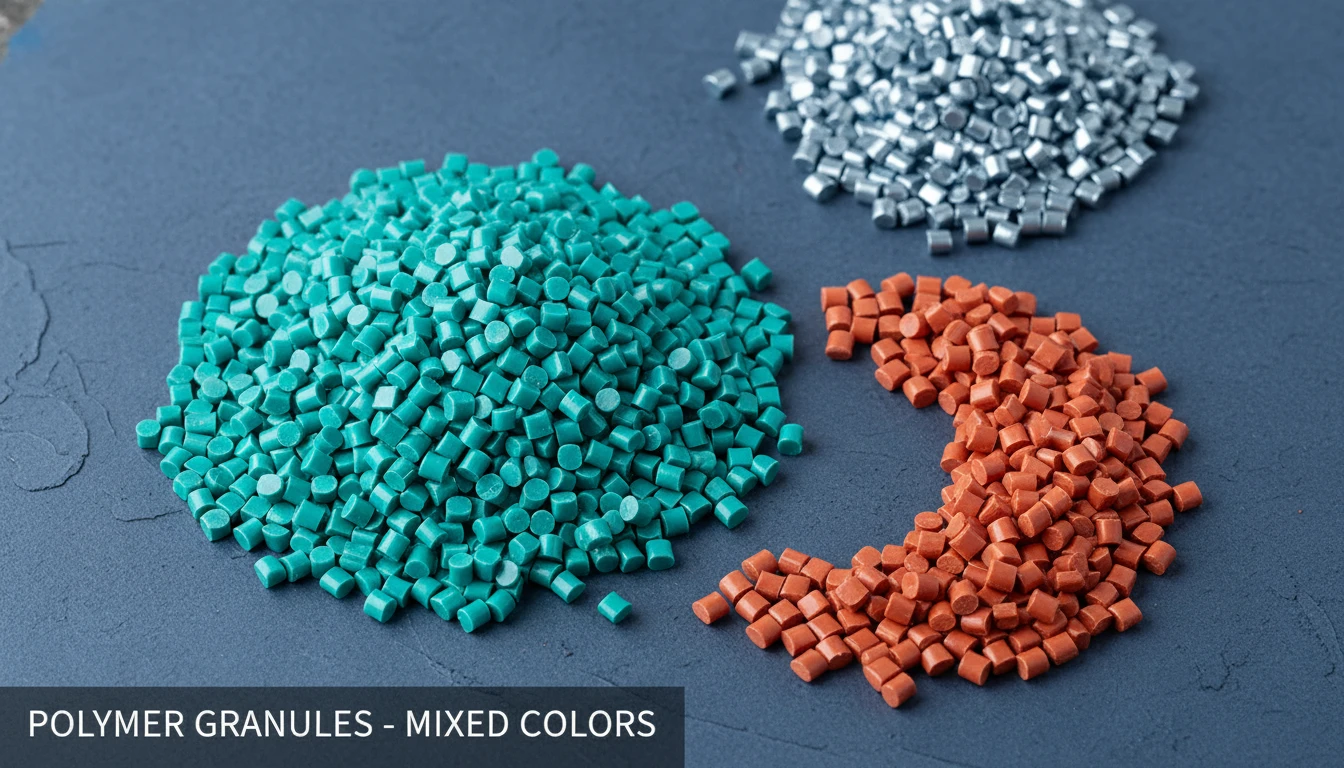
How Does Manufacturing Experience Inform Process Parameters?
When we first switched a louver mold from ABS to ASA, we assumed the parameters would be identical. We were wrong. We noticed "gas burns" and splay marks at the gate. ASA is more sensitive to shear heat and moisture than standard ABS.
Here are the optimized parameters we established for molding UV stable plastics2 for HVAC applications.
Key Processing Parameters for ASA (vs ABS)
| Parameter | ABS (Standard) | ASA (Weather Resistant) | Why It Matters for UV Stability? |
|---|---|---|---|
| Drying Temp | 80°C – 85°C | 80°C – 90°C | ASA is hygroscopic; moisture causes splay, which creates weak points for UV attack. |
| Drying Time | 2 – 4 Hours | 3 – 4 Hours | Incomplete drying leads to hydrolytic degradation. |
| Melt Temp | 220°C – 260°C | 240°C – 280°C | Do not overheat UV additives; excessive heat degrades the stabilizer package. |
| Mold Temp | 40°C – 80°C | 40°C – 80°C | Higher mold temps improve surface finish, sealing the polymer skin against weathering. |
| Injection Speed | Moderate – Fast | Moderate | excessive shear breaks down the acrylate rubber, reducing weatherability. |
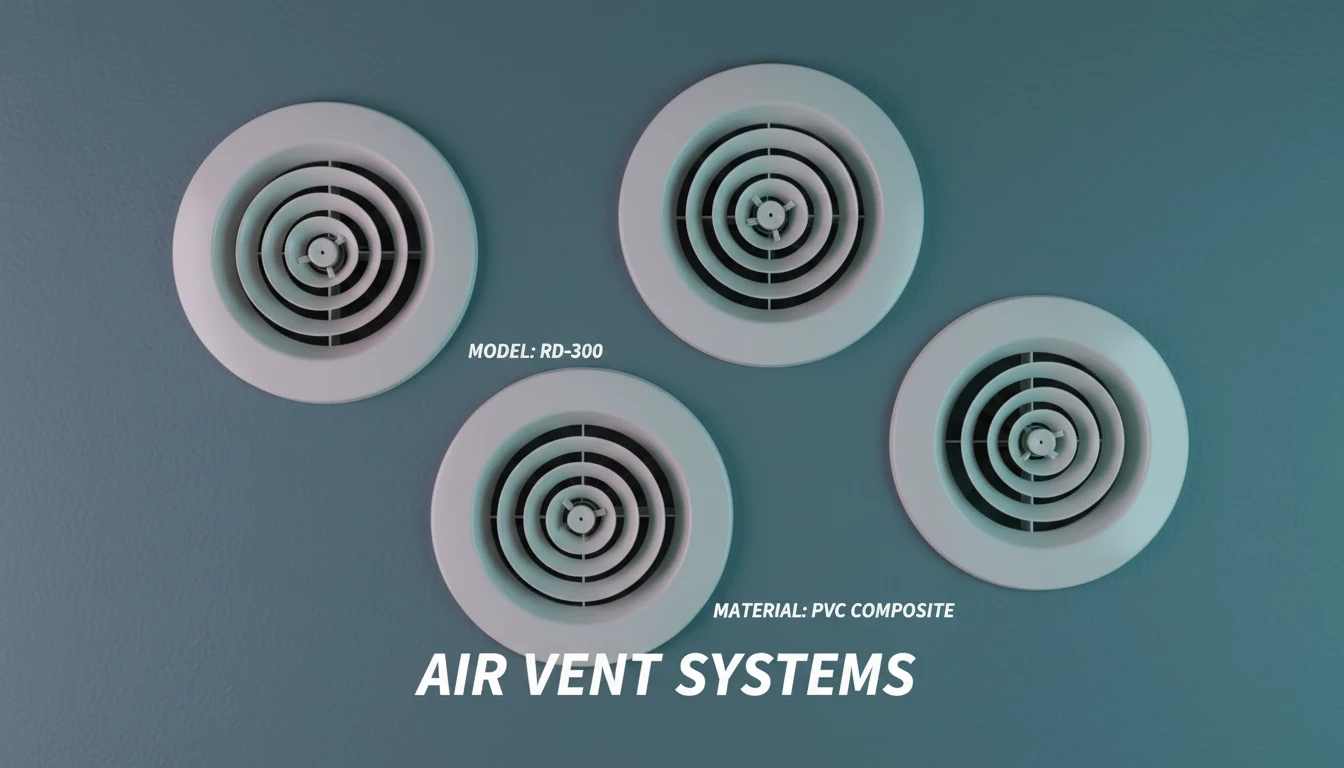
Real Factory Case Study: The "Zebra Stripe" Failure
The Project: A large exhaust grille for a commercial rooftop HVAC unit.
The Material: Initially tried a generic ABS mixed with a UV-stabilizer masterbatch at the hopper (3% let-down ratio).
The Problem:
During the first mass production run, we observed subtle streaking in the light gray parts. It looked fine under factory lighting, but under direct sunlight, the dispersion was uneven. We colloquially called it "Zebra Striping."
The Consequence:
Accelerated weathering tests (QUV testing per ASTM G154) showed that the "stripes" yellowed faster than the rest of the part. The masterbatch had not homogenized perfectly with the base resin due to a mismatch in melt flow index (MFI) between the carrier resin and the base ABS.
The Solution:
- Switch to Pre-compounded Resin: We abandoned the "salt and pepper" mixing approach. We purchased pre-colored, pre-compounded ASA. This ensured every pellet had the correct UV stabilizer dosage.
- Screw Design: We utilized a mixing screw for future trials, but the pre-compounded material solved 90% of the issue.
- Result: The Delta E (color change) value dropped from 5.0 (visible yellowing) to < 1.5 after 1000 hours of UV exposure.
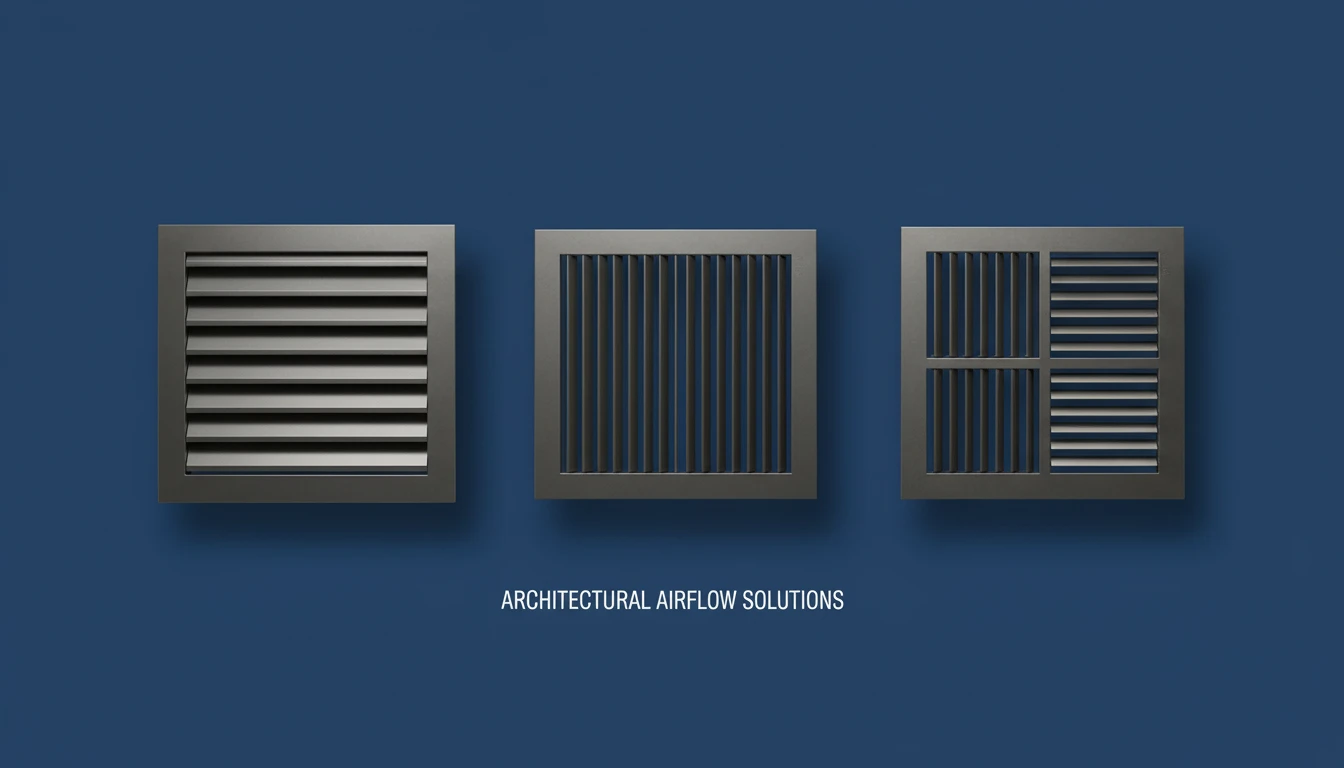
What Are the Advantages and Disadvantages of UV Strategies?
When deciding between ASA vs ABS or masterbatches, consider the production trade-offs.
| Strategy | Advantages | Polycarbonat (PC) |
|---|---|---|
| Native ASA Resin | Best inherent UV stability; no painting required; excellent surface finish. | Higher raw material cost than ABS; slightly lower impact strength at low temps. |
| ABS + UV Masterbatch | Cheaper base resin; flexible inventory (mix as needed). | Risk of poor dispersion (streaking); limited protection compared to ASA; "bandage" solution. |
| Erkunden Sie diese Ressource, um die besten Praktiken für die Wartung von Außen-HVAC-Komponenten und die Verhinderung von Verschlechterung zu verstehen. | Perfect color matching; protects the ABS completely if coating is intact. | High cost (secondary op); VOC emissions; if paint scratches, the ABS underneath degrades rapidly. |
| PC/ASA Alloys | Combines the heat resistance of PC with UV stability of ASA. | Difficult to process; high cost; mostly for high-heat structural components. |
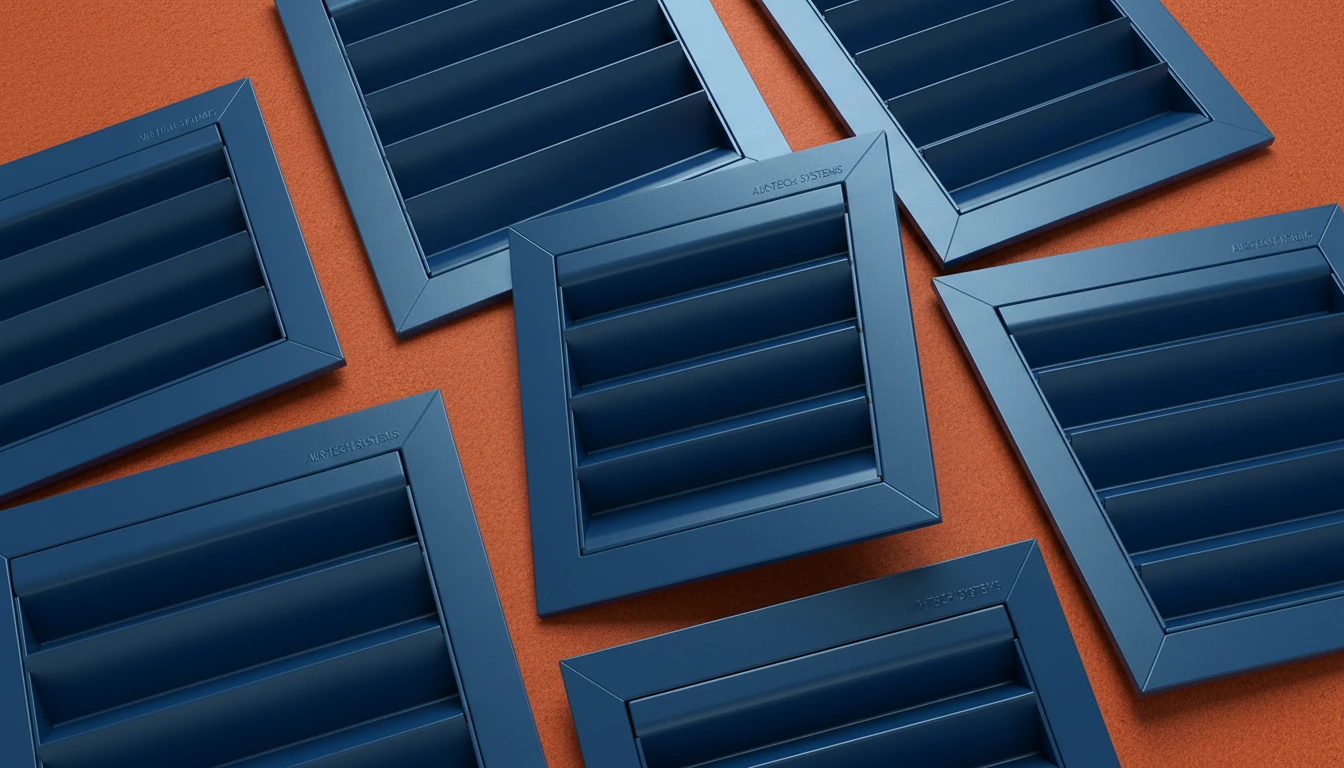
Practical Factory Tips for UV Stable Molding
Through years of troubleshooting outdoor HVAC components3, I have compiled these practical rules:
- Don’t "Cook" the Stabilizer: HALS (Hindered Amine Light Stabilizers) and UV Absorbers are organic chemicals. If you let the material sit in the barrel (long residence time) or set the rear zone temperatures too high, you essentially burn up the protection before injection.
- Texture Hides Sins: For exterior vents, we always recommend a heavy EDM texture (e.g., VDI 30+). High-gloss surfaces show chalking and micro-cracking much faster than textured surfaces.
- Gate Location Matters: Avoid gating in high-stress areas. Residual stress accelerates environmental stress cracking (ESC). If a vent blade is under stress and hit by UV, it will crack there first.
- Purging is Critical: If you switch from standard ABS to ASA, purge thoroughly. Even small traces of butadiene-heavy ABS left in the barrel will create "weak spots" in the ASA part that will yellow prematurely.
While Carbon Black is an excellent UV absorber that protects the bulk of the material, the surface polymer matrix can still degrade, leading to a phenomenon known as 'chalking' (a white powdery surface layer).
Actually, a high-gloss finish reflects more UV radiation than a textured surface, which traps light. However, textured surfaces are often preferred practically because they hide the initial stages of chalking better than high-gloss finishes.
(Note: The second claim is technically nuanced. High gloss reflects, but texture hides degradation. From a pure physics standpoint, reflection helps, but from a cosmetic longevity standpoint, texture is often chosen. The "True" statement here reflects the physics of reflection, but the explanation clarifies the practical trade-off.)
Recommended Stepwise Process for HVAC Manufacturers
If you are currently experiencing plastic yellowing in HVAC1 parts, follow this workflow:
- Audit the Material: Confirm if the current material is ABS, PP, or ASA. If it is standard ABS, no amount of process tweaking will stop the yellowing.
- Define the Environment: Is this a rooftop unit in Arizona (high UV, high heat) or a basement unit? For rooftop units, specify ASA or UV-stabilized PC/ASA.
- Mold Trial with Pre-Color: Order a sample bag of pre-colored ASA. Do not rely on masterbatch for validation trials.
- Check the Delta E: Perform an accelerated weathering test (Xenon arc or QUV). Measure the color shift (Delta E). A passing grade is usually Delta E < 3.0 after 1000 hours.
- Review Locking Force: ASA might flash more easily than ABS if the viscosity is lower. Ensure your clamp tonnage is sufficient.
FAQ: Common Questions on Molding Weather Resistant Plastics
Why does white plastic turn yellow outdoors?
White plastic yellows due to the breakdown of polymer chains when exposed to UV energy. This reaction creates chromophores (color-bearing groups). In ABS, the polybutadiene phase oxidizes rapidly, causing a shift to yellow/brown.
Can I just add more UV stabilizer to standard ABS?
You can, but it has diminishing returns. You are trying to protect a chemically vulnerable material. It delays the yellowing but does not prevent it long-term. Switching to a polymer with stable chemistry (like ASA) is far more effective.
Is ASA a "drop-in" replacement for ABS in existing molds?
Mostly yes, but with caveats. The shrinkage rates are similar (0.4% – 0.7%), so dimensions usually remain within tolerance. However, ASA may require different venting and cooling adjustments to prevent gas traps and warpage.
How does mold temperature affect UV stability?
A higher mold temperature creates a resin-rich skin. This smooth, dense skin creates a better barrier against moisture and environmental contaminants, which can act synergistically with UV light to degrade the part.
What is the cost difference between ABS and ASA?
Generally, ASA resins cost 20% to 40% more than standard ABS. However, when you factor in the elimination of painting or the reduction in warranty replacement costs for outdoor HVAC components, the total cost of ownership is often lower with ASA.
Technical Summary
Preventing degradation in exterior HVAC vents requires a move away from standard ABS toward Acrylonitrile Styrene Acrylate (ASA). While processing parameters must be controlled to prevent shear-induced degradation of additives, the chemical stability of the acrylate rubber phase provides the best balance of aesthetics and durability. For critical weather resistant plastics4, manufacturers should prioritize pre-compounded resins over masterbatches to ensure uniform protection and eliminate "zebra striping" defects.
-
This link provides insights on preventing plastic yellowing, ensuring longevity and aesthetic appeal in HVAC systems. ↩ ↩
-
Learn about UV stable plastics and how they can enhance the durability of your products against environmental factors. ↩ ↩
-
Explore this resource to understand the best practices for maintaining outdoor HVAC components and preventing degradation. ↩
-
Verhindern Sie UV-Abbau in HLK-Komponenten. ↩





