
복잡한 HVAC 형상은 언더컷, 얇은 벽, 내부 채널을 포함한 정교한 특징을 포착하기 위해 초기에 파라미터식 CAD 모델을 사용하여 분석됩니다. Development
두꺼운 벽 HVAC 부품의 설계 솔루션은 무엇인가요?
Table of Contents
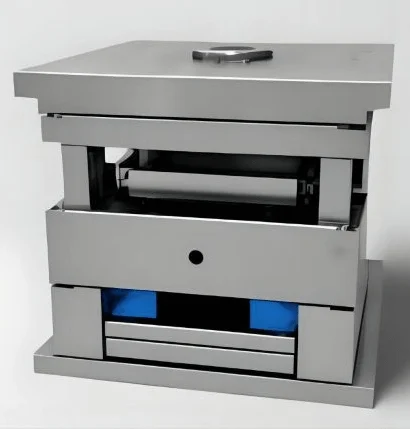
What is the HVAC Mold Development Process?
The HVAC mold development process begins with product design analysis, where part geometry and functional requirements are reviewed. This systematic workflow transforms design concepts into functional manufacturing tools, ensuring that every step—from material selection to testing—optimizes both product quality and production efficiency. Following design validation, the process moves through manufacturing, testing, and optimization stages to ensure the mold meets all performance standards before entering mass production.
Process Overview: Design Analysis → Mold Design → Manufacturing → Testing → Mass Production
| Phase | Description |
|---|---|
| Product Design Analysis | The process begins with a review of part geometry and functional requirements to ensure design feasibility for molding. |
| Mold Design Concepts | Engineers create mold design concepts, including cavity layout, gating system, and cooling channel design. |
| Material Selection | Materials are selected to ensure the mold can withstand temperature, pressure, and production volume requirements. |
| Mold Flow Analysis | Analysis is conducted to simulate material behavior, optimize filling patterns, and reduce potential defects. |
| Mold Manufacturing | After design validation, manufacturing begins, including CNC machining, EDM, and precision finishing processes. |
| Assembly & Testing | The mold is assembled and tested through trial production to evaluate performance and identify necessary adjustments. |
| Optimization & Production | Modifications are carried out based on test results to improve quality. Once finalized, the mold enters mass production with ongoing maintenance. |
How do Design Principles Affect HVAC Mold Development?
Design principles directly determine the feasibility, performance, and cost of HVAC mold development. A well-structured design improves mold manufacturability, ensures stable part quality, and reduces risks during production. For example, proper draft angles allow smooth part ejection, while uniform wall thickness helps prevent defects such as warpage, sink marks, and internal stress.
Development Impact: Design Feasibility → Manufacturability → Quality Stability → Cost Efficiency
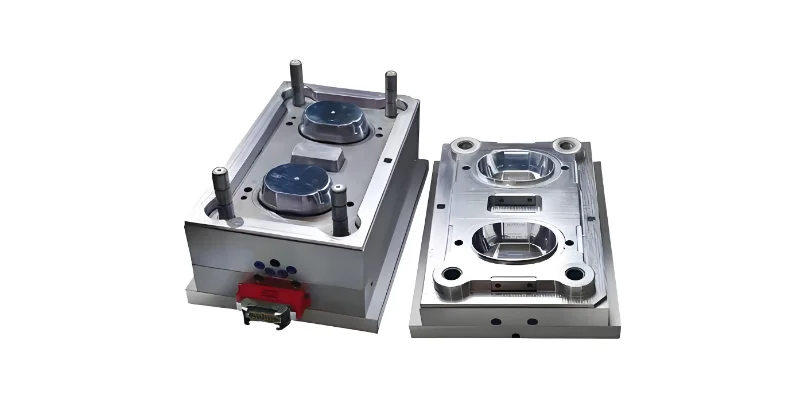
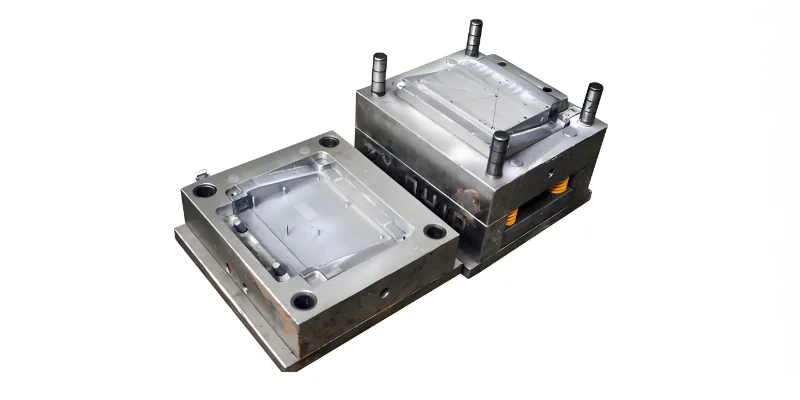
Geometry & Structure
Draft Angles & Wall Thickness
Proper draft angles allow smooth part ejection, while uniform wall thickness helps prevent defects such as warpage, sink marks, and internal stress.
Why it's crucial for Mold: These basic principles ensure the mold can be manufactured and the parts can be produced without structural failures.
Complex Feature Design
Features such as ribs, bosses, and snap-fits must be carefully designed to maintain strength without increasing material usage or causing molding issues.
Why it's important for Mold: Correctly designed features prevent the need for expensive mold modifications and ensure part functionality.
Gate Location & Flow Path
Gate location and flow path design affect how molten plastic fills the cavity, directly influencing surface quality and dimensional accuracy.
Why it's important for Mold: Optimized flow paths reduce air traps and weld lines, improving the overall quality of the HVAC component.
Thermal & Production Impact
Thermal Management
Efficient cooling channel design ensures uniform temperature distribution within the mold, reducing cycle time and minimizing deformation.
Why it's crucial for Mold: Good thermal design is key to high-volume production speed and maintaining consistent part dimensions.
Defect Prevention
Poor thermal design can lead to uneven shrinkage and longer production cycles, while optimized design principles reduce these risks significantly.
Why it's crucial for Mold: Preventing defects early in the design phase avoids costly rework and scrap during mass production.
Feasibility & Cost
Design principles directly determine the feasibility and cost of HVAC mold development, ensuring stable part quality and reduced production risks.
Why it's crucial for Mold: A well-structured design improves manufacturability, lowering the overall investment and operational costs.
How are Complex HVAC Geometries Optimized in Mold Development?
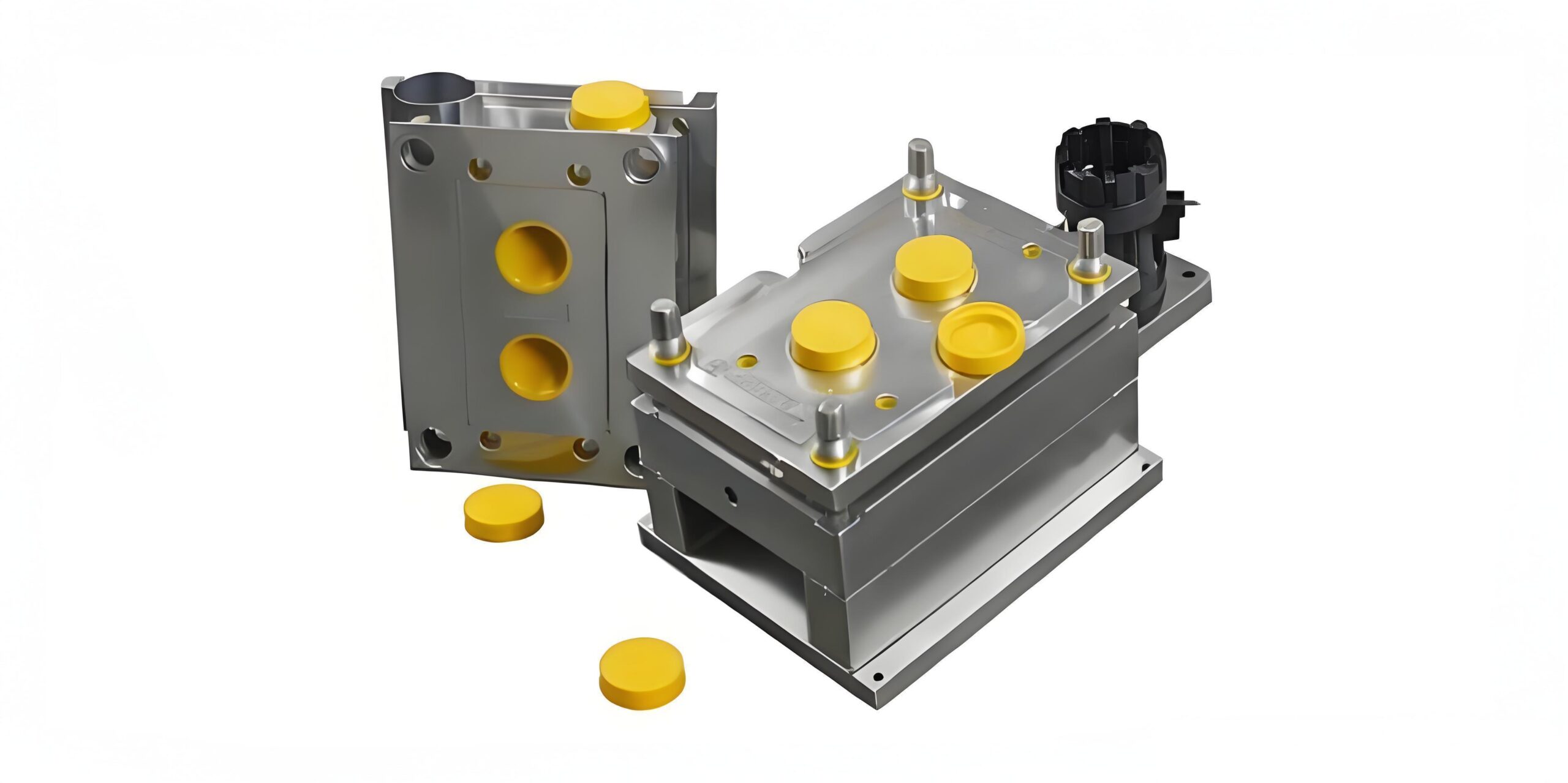
Complex HVAC geometries are initially analyzed using parametric CAD models to capture intricate features, including undercuts, thin walls, and internal channels, ensuring the design aligns with functional and thermal requirements. This analytical approach allows engineers to identify potential manufacturing challenges early and optimize the design for both performance and manufacturability.
Optimization Workflow: CAD Analysis → Flow Simulation → Precision Machining → Quality Assurance
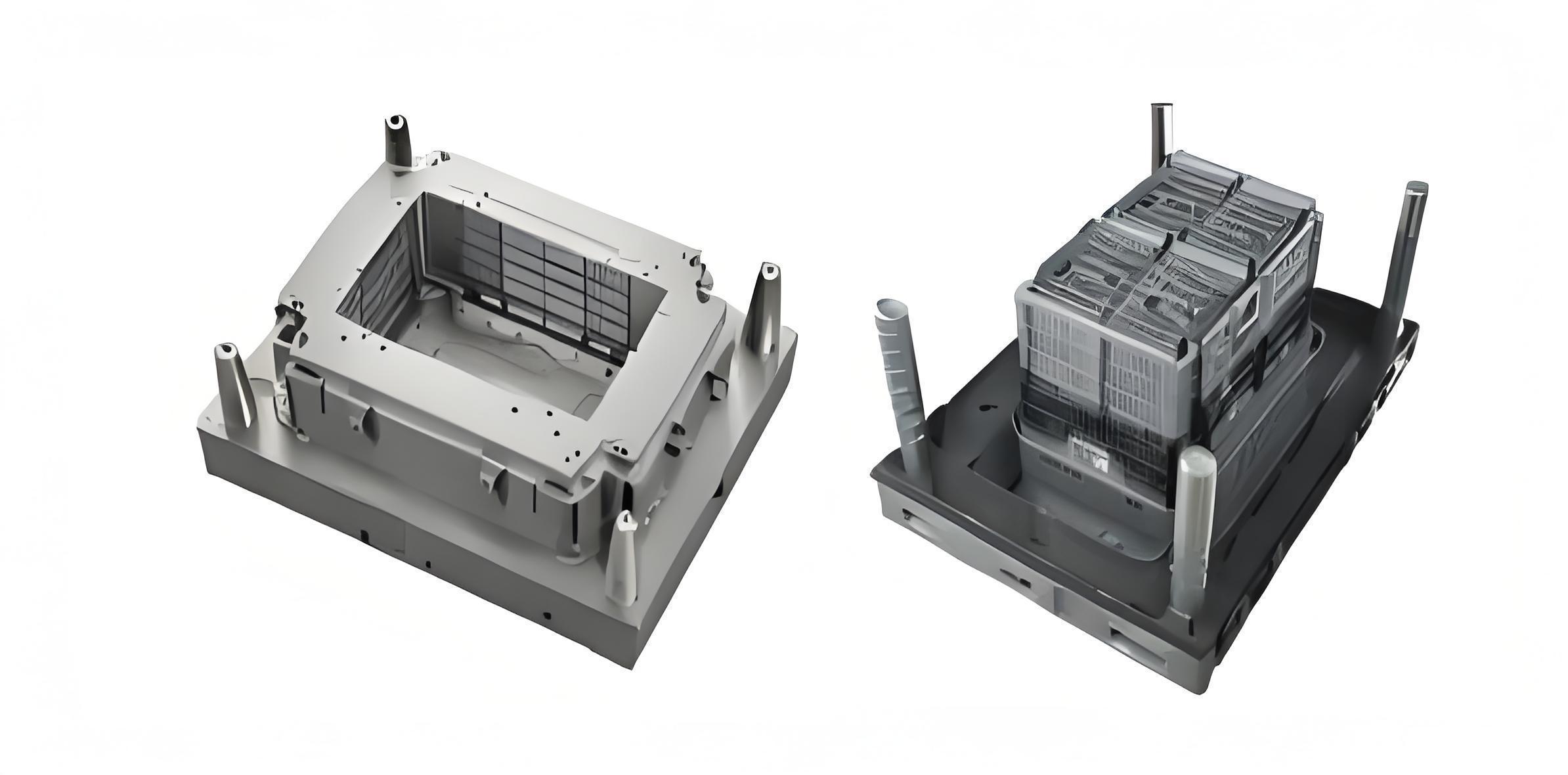
Analysis & Simulation
Parametric CAD Analysis
Complex HVAC geometries are initially analyzed using parametric CAD models to capture intricate features, including undercuts, thin walls, and internal channels.
슬라이딩 코어: 측면 피처와 언더컷 생성에 용이합니다.
Mold Flow Simulation
Simulation predicts material filling patterns, weld lines, air traps, and potential sink marks in complex parts.
Why it's important for Mold: Allows engineers to optimize gate locations, runner systems, and cooling channel layouts to reduce defects.
Thermal & Structural Analysis
Analysis is incorporated to evaluate mold temperature distribution and stress concentrations.
Why it's important for Mold: Prevents warpage, sink marks, and premature tool wear in parts with variable wall thickness.
Manufacturing Solutions
Multi-part Mold Systems
Systems including slides, lifters, and collapsible cores are engineered to handle undercuts and deep cavities.
Why it's crucial for Mold: These mechanisms maintain dimensional accuracy and ensure repeatable demolding for complex parts.
High-precision Machining
Techniques such as 5-axis CNC milling and EDM ensure tight tolerances for intricate features.
Why it's crucial for Mold: Essential for creating the complex geometries required in modern HVAC components with strict quality standards.
Surface Finishing Processes
Advanced finishing reduces friction and improves material flow in narrow channels.
Why it's crucial for Mold: Optimized surface finishes facilitate better material flow and easier part release, extending mold life.
What Types of Mold Structures Are Used in HVAC Applications?
HVAC applications utilize specific mold structures tailored to the geometry and function of different components. From large housings requiring stability against warpage to complex ducts with undercuts and precision fan blades, the mold design is critical for manufacturability and performance. Selecting the appropriate mold structure ensures part quality, dimensional accuracy, and efficient production.
Key Mold Types: Housings & Covers • Duct Sections • Fan Blades & Impellers
| Mold Type | Structure & Design | Key Features & Benefits |
|---|---|---|
| 🏠 Housings, Panels, & Covers | ||
| Large Thin-Walled Molds | Often single or multi-cavity designs specifically engineered for large thin-walled components. | Reinforced cores are utilized to prevent warping during the injection process, ensuring structural integrity. |
| 🌀 Duct Sections & Airflow Channels | ||
| Complex Core Molds | These molds often incorporate slides, lifters, or collapsible cores to form complex internal shapes. | Specifically designed to handle undercuts and intricate internal geometries required for airflow management. |
| ⚙️ Fan Blades & Impellers | ||
| High-Precision Molds | Requires molds with tight tolerances and thin-walled geometry to ensure balance and performance. | Sometimes utilize gas-assisted molding to reduce warpage and minimize material usage without compromising strength. |
How is HVAC Mold Development Adapted for Large Plastic Parts?
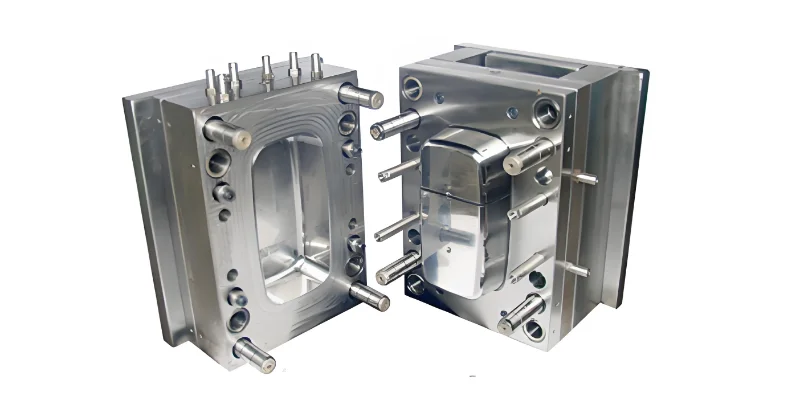
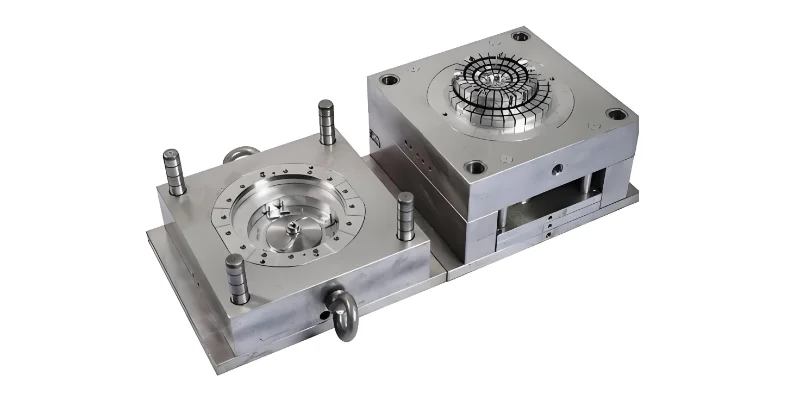
HVAC mold development for large plastic parts, including air handler covers, commercial duct sections, fan housings, and plenum boxes, requires highly specialized engineering techniques to ensure precise dimensional stability, functional reliability, and consistent product quality. Adapting to these large-scale components involves specific strategies regarding structure, flow, and thermal management.
Key Adaptations: Structural Stability • Complex Geometry • Hot Runners • Thermal Analysis
Reinforced Cores & Wall Thickness
Reinforced cores and optimized wall thickness are critical to prevent warping, sink marks, and deformation during the high-pressure injection process, especially for thin-walled or asymmetrical components.
Key Techniques:
- Reinforced core design: Prevents shifting or deformation under high injection pressures.
- Uniform wall thickness: Minimizes differential shrinkage and sink marks.
- Structural optimization: Ensures large parts maintain precise dimensions.
- Asymmetry management: Specialized support for unbalanced geometries.
Critical Factor: Without these measures, large flat areas in air handler covers are prone to warping, compromising assembly fit.
Complex Geometry Management
Complex internal airflow channels and undercuts are managed through advanced mold mechanisms, enabling the accurate formation of intricate geometries without compromising mold longevity.
Key Mechanisms:
- Sliding cores: Facilitate the creation of side features and undercuts.
- 효과적인 냉각 시스템 설계는 고급 기술과 전략적 계획에 의존하여 몰드 내 열역학을 관리함으로써 고품질 HVAC 부품을 보장합니다.
- Collapsible inserts: Allow for detailed internal geometries to be formed and released.
- Longevity focus: Mechanisms designed to withstand repeated cycles.
Application: Essential for plenum boxes and duct sections where internal airflow channels dictate performance.
Hot Runner Systems
Hot runner systems are often integrated to maintain consistent molten plastic flow across large cavities, reduce cycle times, and minimize material wastage.
System Benefits:
- Consistent flow: Ensures even filling of large, complex cavities.
- Reduced cycle time: Eliminates cooling time for runners, speeding up production.
- Material efficiency: Reduces scrap by eliminating cold runners.
- Improved aesthetics: Minimizes gate marks on visible surfaces.
Efficiency Gain: Crucial for high-volume production of commercial duct sections where cost-efficiency is paramount.
Thermal Analysis & Structural Reinforcements
Extensive thermal and structural analyses are conducted to evaluate cooling rates and prevent residual stresses. Additionally, structural reinforcements like ribs are incorporated to enhance mechanical strength.
Analysis Outcomes:
- Thermal analysis: Identifies hotspots to optimize cooling channel placement.
- Stress prevention: Ensures uniform shrinkage and dimensional tolerance.
- Ribs & Gussets: Enhances stiffness without increasing wall thickness.
- Fillets: Reduces stress concentrations in corners and junctions.
Result: Achieves optimal dimensional tolerance and resistance to deformation during both molding and operational use.
Key Adaptations at a Glance
| Challenge | Adaptation Strategy | Outcome |
|---|---|---|
| Warping & Deformation | Reinforced cores & optimized wall thickness | Precise dimensional stability |
| Complex Internal Shapes | Sliding cores, lifters, collapsible inserts | Accurate geometry without tool damage |
| Material Waste & Flow | Integrated hot runner systems | Consistent flow, reduced cycle time |
| Residual Stress & Shrinkage | Thermal analysis & cooling optimization | Uniform shrinkage and quality |
Validation & Final Outcomes
To ensure success, iterative prototyping and 3D-printed insert trials are frequently employed to validate the mold design, optimize material flow, and fine-tune injection parameters.
- Iterative Prototyping: Validates design assumptions before hard tooling.
- 3D-Printed Insert Trials: Allows low-cost testing of complex mold sections.
- Final Result: Together, these adaptations allow large HVAC plastic components to achieve high precision, structural integrity, and long-term durability suitable for demanding industrial and commercial applications.
How is the Cooling System Designed in HVAC Mold Development?
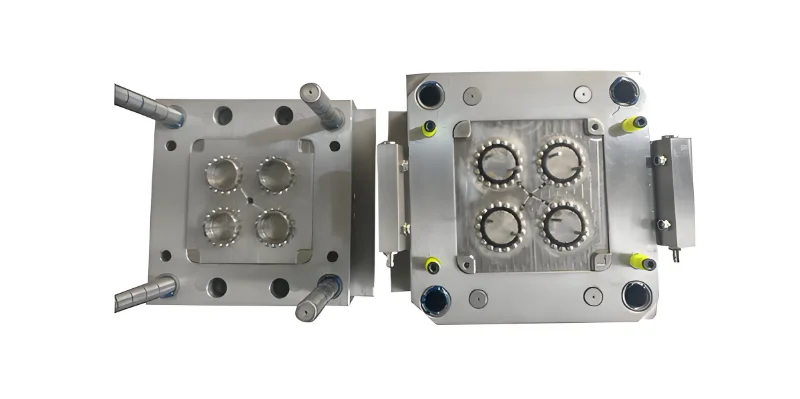
Cooling system design is a critical aspect of HVAC mold development, directly influencing cycle time and part quality. Strategies involve strategically placing channels near high-heat areas, utilizing conformal cooling for complex shapes, and employing simulation software for optimization. Multiple circuits and real-time monitoring ensure uniform cooling across large molds, while iterative testing refines the process to minimize defects like warpage and sink marks.
Design Focus: Uniform Temperature • Cycle Time Reduction • Defect Prevention
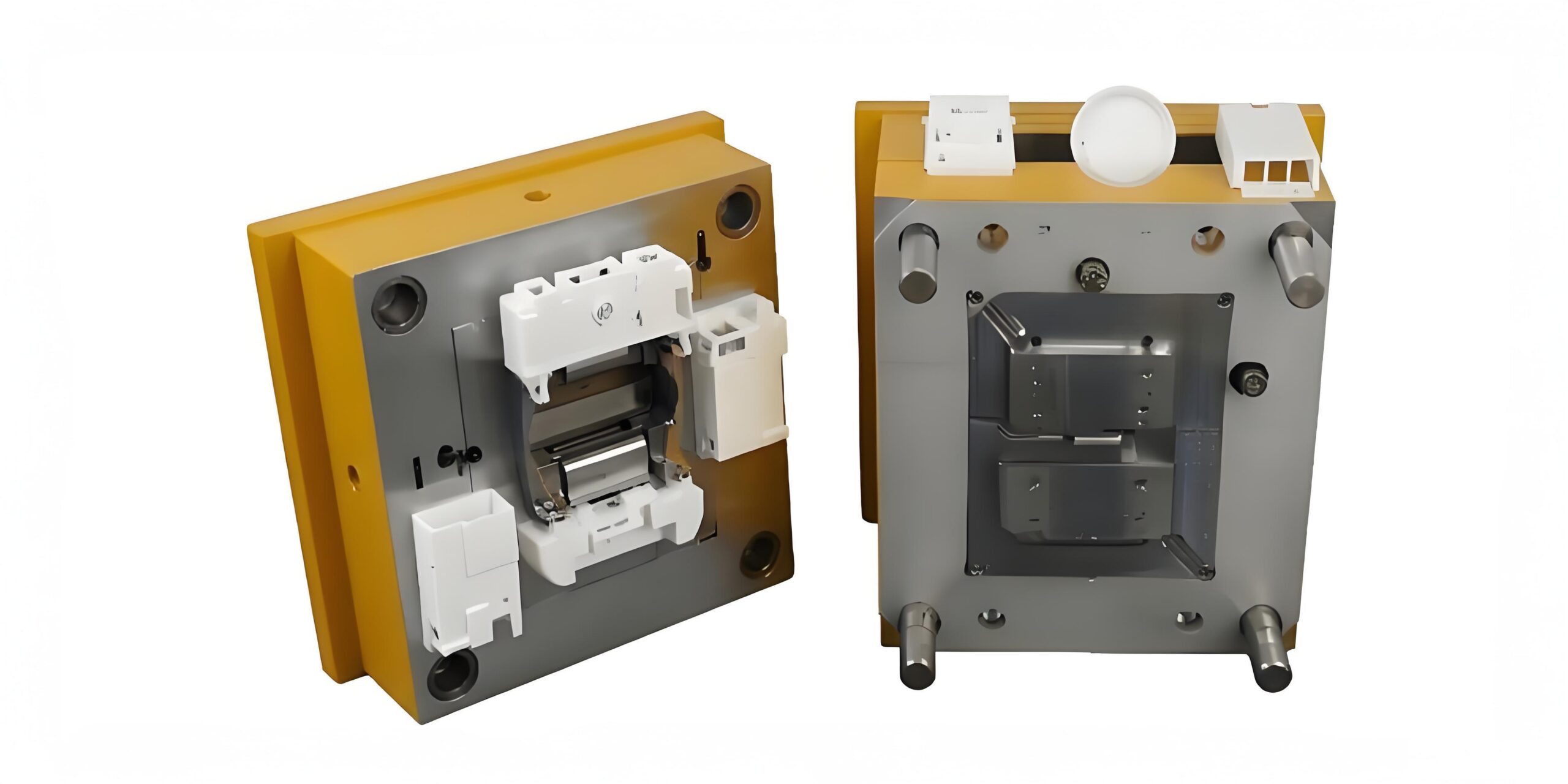
Cooling Design Strategies & Technologies
Effective cooling system design relies on advanced technologies and strategic planning to manage thermal dynamics within the mold, ensuring high-quality HVAC components.
TM
Cooling channels are strategically placed close to thick sections and high-heat areas to ensure uniform temperature distribution across HVAC mold cavities.
Design Principle:
- Target thick sections and high-heat zones
- Ensure uniform temperature distribution
- Maintain consistent cooling rates
Benefits:
- Prevents localized hotspots
- Ensures even part quality
- Reduces cooling time variability
Conformal Cooling Technology
Conformal cooling, often created with 3D-printed inserts, follows the contour of complex HVAC parts to reduce hotspots and minimize cycle time.
Technology:
- 3D-printed metal inserts
- Channels follow part contour
- Customized cooling paths
Results:
- Significantly reduces hotspots
- Minimizes cycle time
- Improves part dimensional stability
Simulation & Optimization Tools
Simulation tools, such as Moldflow or thermal analysis software, are used to optimize coolant flow rates, channel diameter, and layout before mold fabrication.
Simulation Capabilities:
- Optimize coolant flow rates
- Determine ideal channel diameter
- Validate layout before manufacturing
Advantages:
- Reduces trial-and-error
- Predicts thermal behavior
- Saves development time and cost
Multiple Cooling Circuits
Multiple cooling circuits are implemented in large HVAC molds to ensure uniform cooling across different cavities and sections.
Implementation:
- Separate circuits for different zones
- Independent control for cavities
- Designed for large-scale molds
Purpose:
- Ensures uniform cooling
- Accommodates complex geometries
- Prevents uncontrolled shrinkage
Process Optimization & Monitoring
Balanced Cooling Benefits
Impact on Quality:
- Reduces residual stress
- Minimizes warpage in thin-walled parts
- Prevents sink marks in asymmetrical components
Target Components:
- Thin-walled HVAC housings
- Asymmetrical duct sections
- Complex fan shrouds
작은 특징을 위한 정밀 게이트
Monitoring Systems:
- Integrated temperature sensors
- Real-time mold temperature tracking
- Ensures process stability
Hot Runner Integration:
- Combined with active cooling
- Maintains consistent material flow
- Ensures part quality for large components
Iterative Testing & Refinement
Testing Process:
- Conducted during trial runs
- Refines cooling system design
- Optimizes placement and flow rate
Final Outcome:
- Optimized cycle time
- Validated cooling parameters
- High-quality HVAC part production
How does Gate Design Influence HVAC Mold Development?
Gate design plays a critical role in HVAC mold development by controlling the flow of molten plastic into cavities and ensuring uniform filling of complex geometries. Proper gate placement reduces weld lines, air traps, sink marks, and residual stress, which is especially important for thin-walled parts, fan housings, ducts, and large panels.
Design Focus: Flow Control • Defect Prevention • System Balance • Optimization
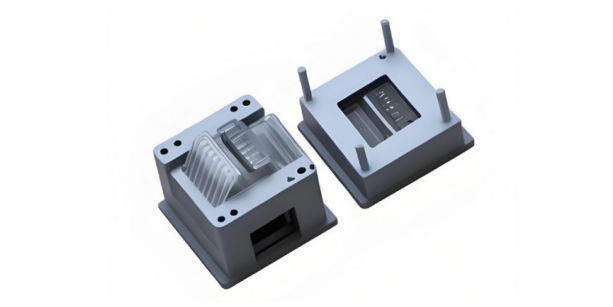
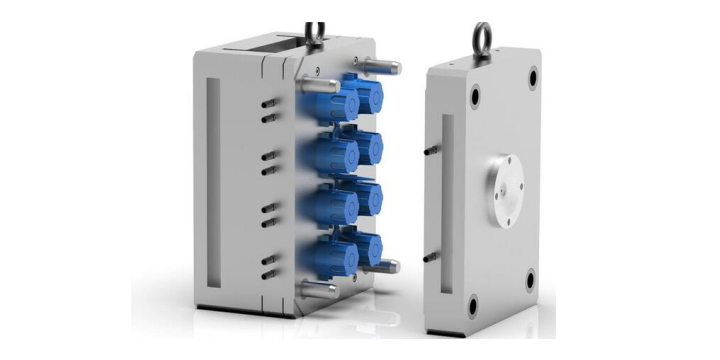
Gate Design Principles & Impact
Understanding the principles of gate design is essential for ensuring part quality and manufacturing efficiency. Proper design directly influences filling patterns, structural integrity, and surface finish.
Flow Control & Uniform Filling
Gate design controls the flow of molten plastic into cavities, ensuring uniform filling of complex geometries essential for HVAC components.
Critical Requirements:
- Filling thin-walled sections completely
- Reaching distant corners of large panels
- Managing flow in complex fan housings
- Avoiding flow hesitation
Design Outcomes:
- Uniform filling prevents short shots
- Consistent density throughout the part
- Minimized flow lines
- Optimized packing pressure
Defect Prevention
Proper gate placement is the primary method for minimizing internal defects and surface imperfections during the molding process.
Targeted Defects:
- Reduction of weld lines
- Elimination of air traps
- Prevention of sink marks
- Minimization of residual stress
Prevention Strategy:
- Strategic gate positioning
- Optimized flow paths
- Proper venting locations
- Balanced pressure distribution
Gate Types & Selection
Different gate types, such as pin-point, submarine, or edge gates, influence surface finish, dimensional accuracy, and stress distribution.
Common Types:
- Pin-point gates for small features
- 몰드 냉각 시스템
- Edge gates for large parts
- Hot runner gates for efficiency
Selection Factors:
- Surface finish requirements
- Dimensional accuracy needs
- Stress distribution goals
- Production volume considerations
Hot Runner Systems
Hot runner gate systems are often used for large HVAC components to maintain consistent flow and minimize material waste.
Primary Applications:
- Large air handler covers
- Commercial duct sections
- High-volume production runs
System Benefits:
- Consistent melt flow
- Minimized material waste
- Faster cycle times
System Optimization & Balance
Balanced Gate Systems
Functionality:
- Ensures simultaneous filling
- Equal pressure distribution
- Consistent part weight across cavities
Preventable Issues:
- Prevents short shots
- Avoids uneven shrinkage
- Eliminates dimensional variation
Design Parameters Impact
Key Parameters:
- Gate size and taper
- Runner design and layout
- Cooling channel proximity
Direct Impacts:
- Injection pressure requirements
- Cooling efficiency and cycle time
- Part ejection and mold longevity
Simulation & Optimization
Optimization Tools:
- Iterative testing during trial runs
- Thermal analysis software
- Mold flow simulation
Optimization Goals:
- Optimize gate location and geometry
- Enhance overall part quality
- Improve manufacturing efficiency
What are the Design Solutions for Thick-Wall HVAC Parts?
Managing thick-wall sections in HVAC mold design requires specific strategies to prevent defects like sink marks and internal stress. Key approaches include maintaining uniform wall thickness, optimizing cooling, and selecting appropriate materials. These measures ensure structural integrity and dimensional stability for components with heavy sections, while advanced molding techniques further enhance quality and efficiency.
Key Solutions: Uniform Thickness • Conformal Cooling • Process Optimization
Design & Structural Solutions
Uniform Wall Thickness
Uniform wall thickness is maintained as much as possible to prevent sink marks and internal stress, while gradual transitions are used in thicker areas.
Why it's crucial: Ensures consistent cooling and structural integrity, preventing surface defects.
Optimized Gate Design
Large or multiple gates (such as fan or edge gates) are applied to ensure proper filling of thick sections and reduce flow resistance.
Why it's crucial: Facilitates complete material packing, minimizing voids and shrinkage in heavy sections.
Robust Mold Structure
Thick-wall parts often require stronger mold bases and support structures to withstand higher injection pressure.
Why it's crucial: Prevents mold deformation under high pressure, ensuring longevity and precision.
Process & Material Optimization
Cooling System Design
Conformal cooling channels or strategically placed cooling lines are used to ensure uniform heat dissipation and reduce cycle time.
Why it's crucial: Prevents differential cooling that leads to warpage in thick sections.
Injection Process Control
Lower injection speed with extended packing and holding time helps compensate for material shrinkage in thick-wall areas.
Why it's crucial: Minimizes internal voids and ensures dimensional stability during cooling.
Advanced Materials & Molding
Materials with low shrinkage rates are selected. Gas-assisted or foam molding can reduce internal stress and material usage while maintaining strength.
Why it's crucial: Enhances part quality and reduces weight without compromising structural performance.
Optimization Strategies for Thick-Wall Parts
| Aspect | Strategy | Primary Benefit |
|---|---|---|
| Wall Design | Maintain uniform thickness with gradual transitions. | Prevents sink marks and internal stress. |
| Cooling | Use conformal channels or strategic lines. | Ensures uniform dissipation and reduces cycle time. |
| Gating | Apply large or multiple gates (fan/edge). | Ensures proper filling and reduces resistance. |
| Molding Tech | Utilize gas-assisted or foam molding. | Reduces stress and material usage. |
Frequently Asked Questions
Find answers to your key concerns in HVAC mold development and component manufacturing. Get expert guidance on selecting the right mold steels, optimizing surface finishes for aesthetics and durability, ensuring precise parting line placement, and integrating metal inserts for robust assembly. Discover comprehensive solutions that meet both your functional performance and manufacturing efficiency requirements.
Key Topics: Mold Steel Selection • Surface Finishes • Parting Line Design • Insert Molding
Do specific methods exist for integrating metal inserts into plastic HVAC components during molding?
Customer concern: Secure integration of metal components within plastic parts.
+
Do specific methods exist for integrating metal inserts into plastic HVAC components during molding?
Customer concern: Secure integration of metal components within plastic parts.
Our Solutions:
Insert Molding:
Insert molding places metal components into the mold before injection, allowing plastic to encapsulate them for a secure bond.
Overmolding & Post-Processing:
Overmolding combines pre-molded parts with additional layers. Ultrasonic or heat staking is applied after molding for secure bonding when needed.
Automation Integration:
Automation systems are often introduced to ensure precise insert positioning and consistency across high-volume production runs.
Does parting line selection have a critical impact on the aesthetics of HVAC covers?
Customer concern: Maintaining high-quality surface appearance on visible components.
+
Does parting line selection have a critical impact on the aesthetics of HVAC covers?
Customer concern: Maintaining high-quality surface appearance on visible components.
Our Solutions:
Impact on Aesthetics:
Yes, parting line selection has a significant impact. Poor placement can create visible lines, mismatches, or flash on cosmetic surfaces.
Strategic Placement:
비용, 내구성, 유지보수 요구사항을 균형 있게 맞추기 위해 특정 HVAC 프로젝트에 최적의 강재 등급을 선택하도록 도와드립니다.
Process Efficiency:
Careful selection improves overall product aesthetics and reduces the need for secondary finishing processes to remove flash.
Are there specific surface finish options available for HVAC plastic components?
Customer concern: Availability of finishes for functional and aesthetic needs.
+
Are there specific surface finish options available for HVAC plastic components?
Customer concern: Availability of finishes for functional and aesthetic needs.
Our Solutions:
Standard Finish Options:
Yes, common options include polished (high gloss), matte, textured (such as VDI or Mold-Tech patterns), and sandblasted finishes depending on requirements.
Protective Coatings:
Anti-scratch and UV-resistant coatings may also be applied for outdoor HVAC components to enhance durability.
Influence on Performance:
The choice of finish influences both appearance and durability, allowing customization for specific environmental conditions.
Can you list the most common steel types used for HVAC mold cavities and cores?
Customer concern: Material selection for mold longevity and performance.
+
Can you list the most common steel types used for HVAC mold cavities and cores?
Customer concern: Material selection for mold longevity and performance.
Our Solutions:
Common Steel Options:
Yes, widely used steels include P20 (pre-hardened steel for general applications), H13 (high hardness and thermal resistance), S136 (corrosion-resistant stainless steel), and 718 (improved P20 with better polishability).
Selection Criteria:
The selection depends on production volume, plastic material type, and required surface finish specifications.
Application Matching:
We help select the optimal steel grade to balance cost, durability, and maintenance requirements for your specific HVAC project.