
العوامل البيئية LOGO Printing
لماذا هو حاسم: هذا يضمن أن ميزة الشعار يتم نسخها تمامًا على كل جزء دون أي تغيير.
Table of Contents
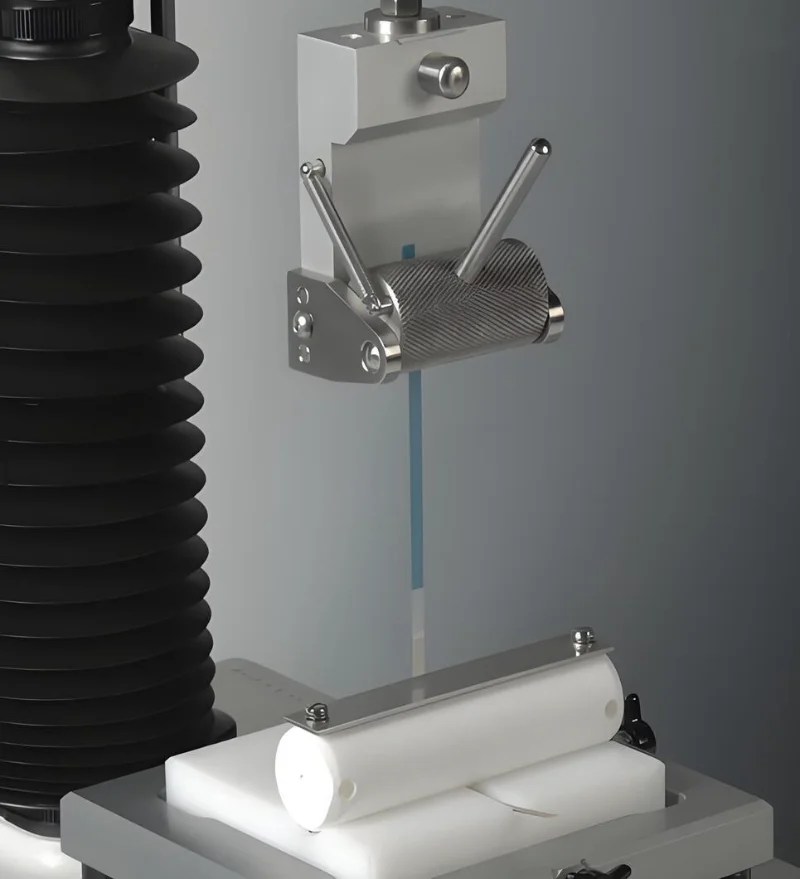
Why Traceable Logos are Essential for Quality and Regulatory Compliance?
Traceable logos play a critical role in ensuring both quality assurance and regulatory compliance in HVAC injection-molded components. A traceable logo is more than a brand identifier; it functions as a unique marker linking each part to specific production data, including mold cavity, material batch, processing parameters, and inspection records. This capability is essential for internal quality control and for demonstrating compliance to regulatory authorities.
Key Function: Unique Identification → Data Linking → Issue Isolation → Regulatory Compliance
Identification & Data Linking
Unique Production Data Link
A traceable logo functions as a unique marker linking each part to specific production data, including mold cavity, material batch, processing parameters, and inspection records.
Why it's crucial for Quality: This enables manufacturers to monitor and verify that each component meets defined specifications and tolerances throughout the production cycle.
Targeted Issue Isolation
If a batch of air handling unit housings shows abnormal thermal deformation during a field test, the logo can immediately identify which mold cavity and material batch produced those parts.
Why it's crucial for HVAC: Engineers can isolate the issue without affecting unaffected units, ensuring efficient internal quality control.
Verification of Specifications
Traceability allows for the verification that every component adheres to strict design and performance criteria.
Why it's crucial for Quality: It demonstrates compliance to regulatory authorities through documented evidence of production consistency.
Resolution & Compliance
Rapid Root Cause Analysis
During the production of HVAC fan covers, if ultrasonic inspection reveals micro-cracks, the logo allows engineers to trace affected parts to a specific injection press and mold configuration.
Why it's crucial for HVAC: This targeted approach enables specific adjustments, like injection speed, without halting the entire production line.
Regulatory Audit Trail
In regulated markets, authorities often require documented evidence that all parts can be traced to their manufacturing source.
Why it's crucial for Compliance: Traceable logos combined with digital records provide a clear audit trail that satisfies strict regulatory requirements.
Risk and Liability Reduction
Implementing traceable logos facilitates rapid identification and resolution of quality issues, protecting the manufacturer from widespread recalls.
Why it's crucial for Manufacturers: This reduces risk and liability while ensuring consistent product quality for the end-user.
How do Custom Logos Enhance HVAC Plastic Components?
Custom logos enhance HVAC plastic components by combining functional guidance, brand identification, and quality traceability into a single feature. This integrated approach ensures that technicians install components correctly without referring to manuals, reducing installation errors and streamlining maintenance processes. By linking the logo to specific production batches, manufacturers can also trace the component’s origin if quality issues arise, supporting both operational efficiency and accountability.
Key Focus: Functional Guidance • Brand Identification • Quality Traceability • Process Efficiency
Functional Guidance & Identification
Airflow Direction Indication
On a plastic air vent cover, a recessed logo can indicate the direction of airflow, serving as a critical functional guide.
Why it's crucial: This ensures technicians install the component correctly without referring to manuals.
Reduction of Installation Errors
Simple design cues like functional logos prevent incorrect installation, mitigating risks associated with improper component fitting.
Why it's crucial: Reducing installation errors streamlines maintenance processes and improves system reliability.
Brand Identification
Beyond function, the logo serves as a brand identifier, reinforcing manufacturer presence on the final product.
Why it's crucial: It combines marketing value with operational utility in a single design element.
Traceability & Production Integration
Quality Traceability
The logo can be linked to the specific production batch, allowing manufacturers to trace the component’s origin if quality issues arise.
Why it's crucial: This capability supports accountability and enables rapid response to field failures.
Mold Design Integration
By integrating the logo directly into the mold design, manufacturers maintain consistency across all produced units.
Why it's crucial: This ensures that the logo feature is replicated perfectly on every single part without variation.
تصاميم جرافيك معقدة
Integrated logos avoid additional post-production steps, as the feature is formed during the initial molding cycle.
Why it's crucial: It enhances efficiency by eliminating secondary operations like labeling or engraving.
Multi-Benefit Integration
1
Enhanced Usability
The example of the airflow-indicating logo demonstrates how a single custom feature can enhance usability by guiding installation without manuals.
2
Improved Safety
By preventing incorrect installation, the integrated logo contributes to overall system safety and reduces the risk of operational failures.
3
Seamless Traceability
The custom feature adds a layer of traceability without adding complexity to the production process, ensuring quality control.
What are the Common Logo Printing Techniques for HVAC Plastic Parts?
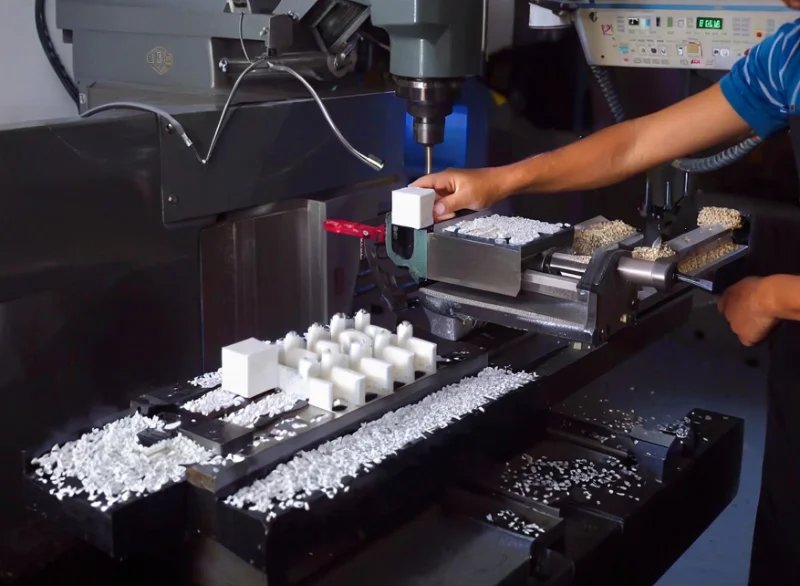
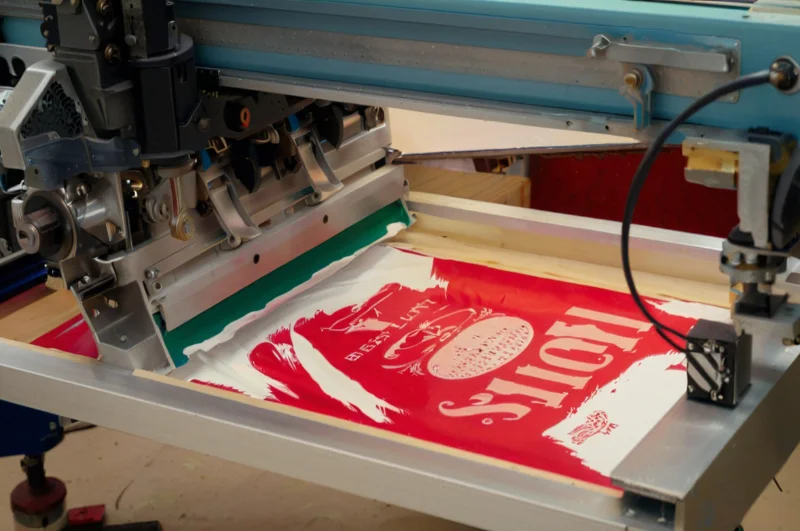
Injection-molded HVAC plastic parts require logo printing techniques that can withstand thermal cycles, mechanical stress, and environmental exposure without compromising clarity or durability. Techniques compatible with such components include pad printing, screen printing, laser etching, hot-stamping, and in-mold labeling (IML). Each method offers distinct advantages depending on part geometry, material type, and production volume.
Key Techniques: Laser Etching • Pad Printing • Screen Printing • Hot Stamping • In-Mold Labeling
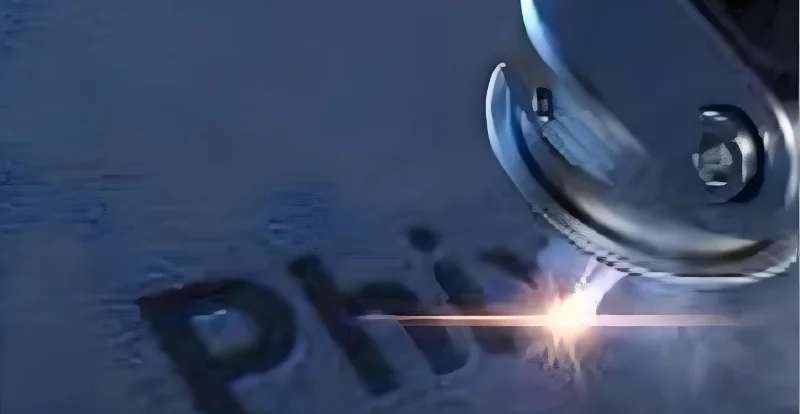
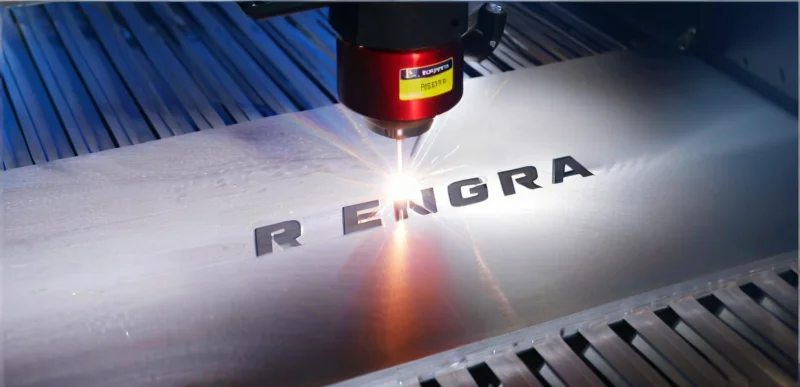
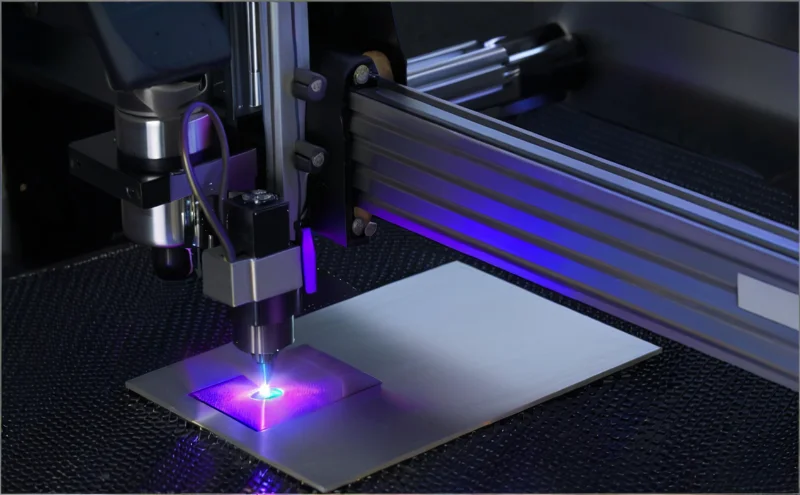
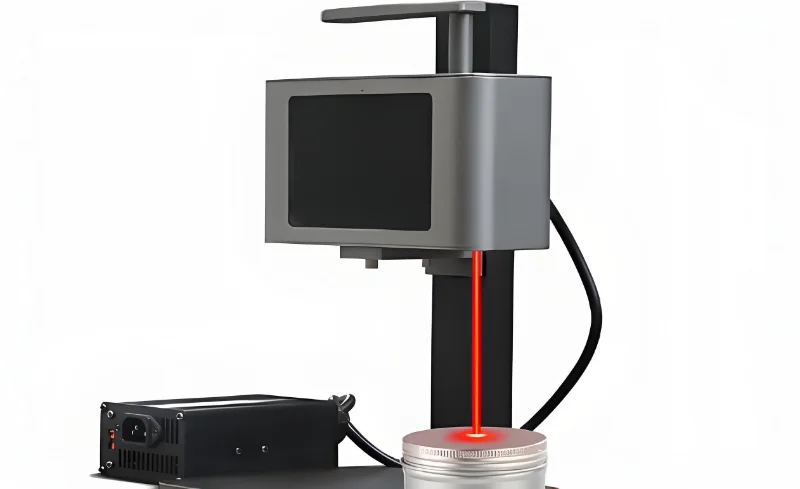
Laser Etching
Creates permanent, high-resolution logos on polycarbonate parts without adding secondary materials, making it highly resistant to abrasion and environmental exposure.
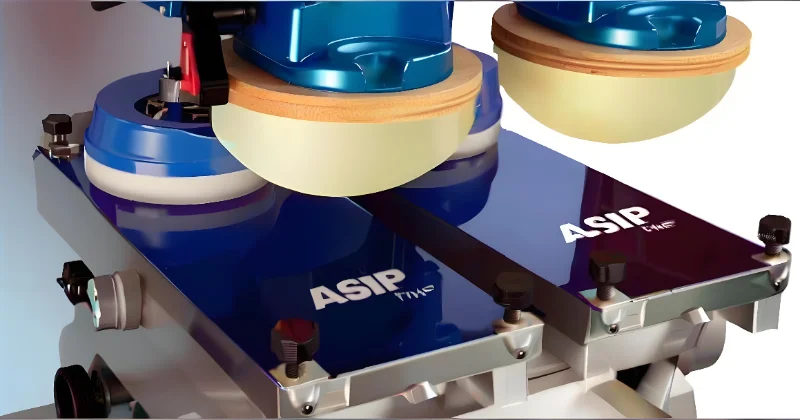
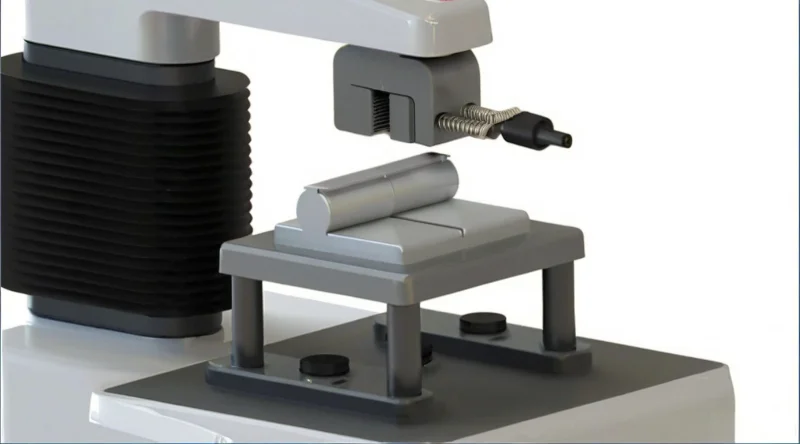
Pad Printing
Viable for flat or slightly contoured surfaces, providing multi-color flexibility and fast setup for medium-volume production.
Considerations:
Screen Printing
Remains a viable option for flat surfaces, offering cost-effective solutions for larger logo areas and medium-volume production runs.
Limitations:
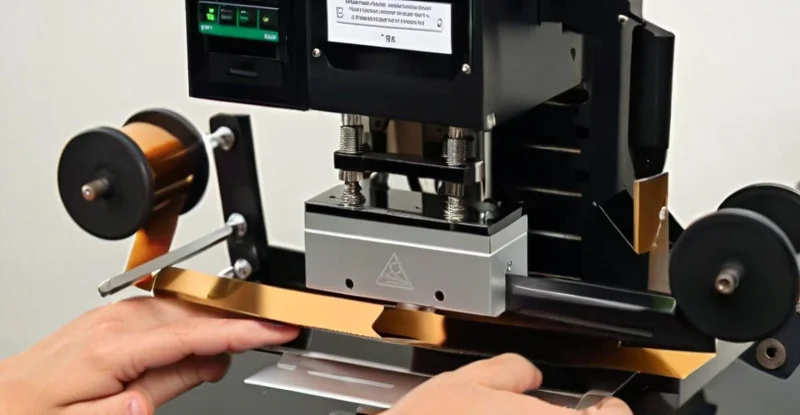
Hot Stamping
Suitable for parts requiring distinct visual characteristics, such as metallic finishes or textured logos.
Considerations:
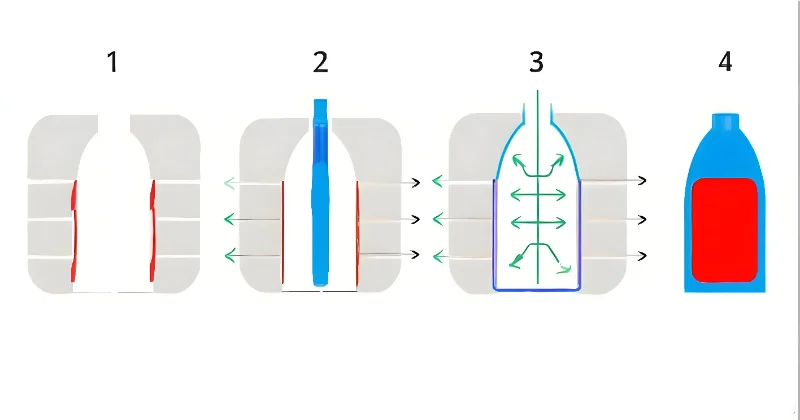
In-Mold Labeling (IML)
Allows logos to be integrated during the injection process itself, eliminating post-processing steps and ensuring consistent placement.
Best For:
How to Ensure Durability of Logos on High-Temperature HVAC Components?
مناسب للإنتاج بكميات أصغر أو التغييرات المتكررة في التصميم.
For example, on a blower motor housing operating at temperatures above 100°C, a recessed laser-etched logo will not soften or distort during prolonged operation. The depth and positioning of the logo are designed to avoid thin-wall regions or areas prone to thermal expansion, ensuring both visibility and structural integrity. This method eliminates the need for surface-applied inks, which are more likely to degrade under sustained heat exposure.
Key Approaches: Material Selection → Printing Method → Design Optimization → Long-Term Durability
| Key Aspect | What It Is | Why It Matters |
|---|---|---|
| 🧱 Material & Process | ||
| Heat-Resistant Plastics | Materials such as polyphenylene sulfide (PPS) and glass-filled polyamide that retain mechanical properties and shape at elevated temperatures. | Enable logos and enclosures to withstand high operating temperatures (often above 100°C) without softening or warping, supporting long-term durability. |
| Laser Etching / Embossing | Permanent marking methods that remove or deform material to create a logo, rather than applying inks or labels on the surface. | Produces durable, high-contrast logos that resist fading, peeling, and chemical exposure, especially important in high-temperature environments. |
| 🧩 Design Strategy | ||
| Logo Position & Depth | Placement and recess depth of logos in relation to thin-wall sections and high-stress areas on the component. | Avoids stress concentrations and excessive wall thickness variations, maintaining both structural integrity and readability of the logo. |
| Thermal Expansion Consideration | Designing the logo location to account for differential thermal expansion between the logo and surrounding material. | Minimizes the risk of distortion or stress around the logo during thermal cycling, helping the mark remain clear and the part remain robust. |
| 🛡️ Durability Benefits | ||
| Resistance to Fading & Peeling | Laser-etched or embossed logos are integral to the surface rather than a separate coating layer. | Provides superior resistance to fading from UV light and peeling from repeated heating/cooling cycles or chemical cleaning. |
| Mechanical Stress Resistance | The logo is not dependent on fragile surface coatings that can be worn away by abrasion or handling. | Maintains legibility under handling, maintenance, and vibration, which is critical for identification and safety labeling in HVAC systems. |
| No Ink Degradation | Eliminates reliance on inks that can degrade, discolor, or lose adhesion at high temperatures. | Simplifies the supply chain and quality control by removing a potential failure point, ensuring the logo remains readable throughout the component’s life. |
How to Achieve Multi-Color Logo Printing on Complex HVAC Molded Parts?
Achieving multi-color logo printing on complex HVAC molded parts requires a balance between precise engineering and practical production considerations. Complex geometries, such as curved surfaces, recessed buttons, or textured panels, can cause misalignment, color bleeding, or incomplete transfer if not carefully managed. Multi-shot injection molding, overmolding, or sequential pad printing are commonly used techniques, each with specific process controls to ensure durability and clarity.
Key Techniques: Multi-Shot Injection • Sequential Pad Printing • Laser Masking • Surface Treatments
Multi-Shot Injection Molding
This technique integrates the logo directly into the part structure, offering superior durability and alignment for complex components.
Key Process Features:
- Two-shot process: The first shot forms the base part while leaving cavities for the logo.
- Second shot injects a contrasting polymer into the cavities to form the logo.
- Precise mold inserts are machined to define sharp logo boundaries.
- Parameters like injection speed, temperature, and cooling time are tightly controlled.
- Prevents warping and ensures material bonding between shots.
خصائص متوازنة، مقاومة جيدة للهب، فعالة من حيث التكلفة
- Control panel covers with recessed buttons
- Components requiring permanent, wear-resistant branding
- Parts with complex geometries needing precise color registration
- High-volume production where tooling investment is justified
Consideration: Proper cooling is essential to minimize differential shrinkage between colors, preserving the logo’s shape and alignment.
Sequential Pad Printing
An versatile alternative for curved or textured surfaces where multi-shot injection may be impractical, applying each color with high precision.
Key Process Features:
- Each color is applied individually using high-precision registration systems.
- Adaptable to complex shapes like curved surfaces and textured panels.
- Effective for parts where mold modifications are cost-prohibitive.
- Can be combined with surface treatments to enhance ink adhesion.
- Suitable for smaller production runs or frequent design changes.
خصائص متوازنة، مقاومة جيدة للهب، فعالة من حيث التكلفة
- استخدم التسجيل عالي الدقة للطباعة بالقالب للحفاظ على الاتساق عبر المنحنيات المعقدة.
- Textured aesthetic panels
- Components made from heat-resistant polymers like PPS or glass-filled PA
- Aftermarket customization or branding updates
Consideration: Ink durability depends heavily on surface preparation and adhesion to the specific substrate material.
Laser Masking & Surface Treatments
Advanced methods to ensure sharp edge definition and strong adhesion, particularly when dealing with challenging polymers.
Key Process Features:
- Laser masking defines sharp edges and prevents cross-contamination between colors.
- Plasma cleaning or corona discharge enhances ink adhesion to polymers.
- Surface treatments activate the polymer surface for better chemical bonding.
- Selective ink deposition allows for clean, multi-color designs.
- Crucial for heat-resistant materials that resist standard ink adhesion.
خصائص متوازنة، مقاومة جيدة للهب، فعالة من حيث التكلفة
- High-precision logos requiring crisp lines
- Heat-resistant polymer components (PPS, Glass-filled PA)
- Applications prone to chemical exposure or cleaning agents
- Ensuring long-term legibility of safety labels
Consideration: Surface treatment intensity must be calibrated to avoid damaging the substrate while ensuring sufficient adhesion.
Process Control & Engineering
Regardless of the technique selected, precise engineering and control are vital to prevent defects like misalignment or color bleeding.
Key Engineering Aspects:
- Mold insert machining: Requires high precision to ensure perfect alignment.
- Parameter control: Injection speed and temperature must be optimized for the materials used.
- Cooling management: Essential to control shrinkage and prevent warping.
- Geometry analysis: Identifying thin-wall regions to avoid structural issues.
- Quality checks: Verification of alignment and color integrity during production.
خصائص متوازنة، مقاومة جيدة للهب، فعالة من حيث التكلفة
- Complex parts with recessed buttons or patterned surfaces
- High-reliability components where defect rates must be minimized
- Production scaling from prototype to mass production
- Ensuring consistent quality across different material batches
Consideration: Differential shrinkage between different polymers or colors requires careful calculation in the design phase.
Comparison at a Glance
| Technique | Key Strengths | Best For |
|---|---|---|
| Multi-Shot Injection | Permanent integration, high durability, precise alignment | Complex parts with recessed buttons, high-volume production |
| Pad Printing | Versatility on curves/textures, lower tooling cost | Curved surfaces, textured panels, smaller runs |
| Laser Masking | Sharp edge definition, prevents color bleeding | High-precision multi-color logos, fine details |
| Surface Treatments | Ensures ink adhesion on resistant polymers | Heat-resistant plastics like PPS and Glass-filled PA |
Critical Process Considerations
To ensure successful multi-color logo application on HVAC parts, several engineering factors must be addressed:
- Geometry Management: Avoid thin-wall regions in logo areas to prevent structural weakness during molding.
- Thermal Expansion: Account for different thermal expansion rates of contrasting polymers in multi-shot processes.
- Adhesion Testing: Verify ink adhesion on target polymers, especially for heat-resistant materials like PPS or glass-filled PA.
- Alignment Systems: Utilize high-precision registration for pad printing to maintain consistency across complex curves.
How to Implement Multi-Process Printing on HVAC Molded Components?
تحديد الموضع بالنسبة للمعالم المرجعية.
Key Techniques: Laser Etching • Pad/Screen Printing • Surface Preparation • Precision Registration
Core Printing Technologies
Laser Etched Base
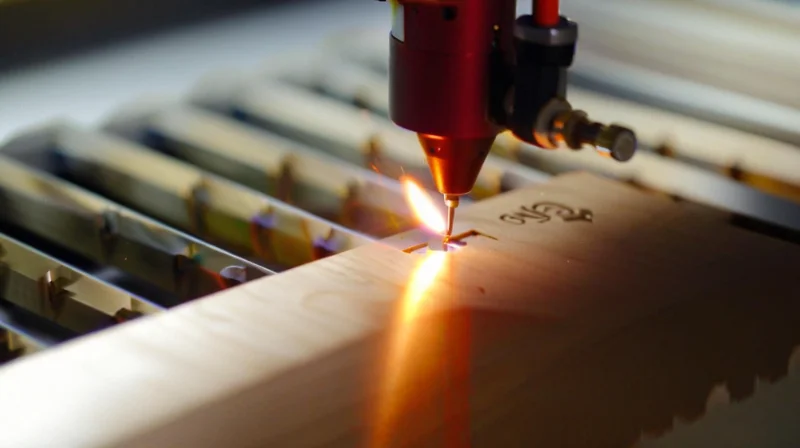
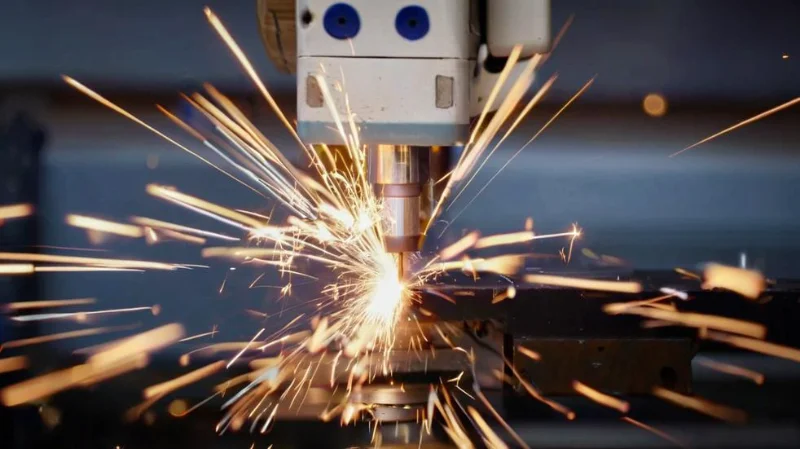
A laser-etched base logo provides permanent high-resolution detail and sharp edge definition resistant to abrasion.
Why it's crucial: Ensures the logo remains legible even if surface layers are compromised, providing a durable foundation.
Color Application Layer
Subsequent pad or screen-printed layers add vibrant brand-specific colors to the etched regions or recessed areas.
Why it's crucial: Overcomes the color limitations of laser marking, enhancing visual impact and brand recognition.
Hybrid Method Benefits
Combining methods overcomes single-process limitations like poor surface adherence or low color fidelity.
Why it's crucial: Achieves a balance between aesthetic quality and functional resilience against thermal or chemical stress.
Structural Integrity
The process adds visual features without compromising the component's structural strength or durability.
Why it's crucial: Maintains the mechanical performance required for demanding HVAC environments.
Process Control & Integration
Surface Preparation
The substrate undergoes plasma or corona treatment to enhance ink adhesion on heat-resistant polymers.
Why it's crucial: Critical for ensuring the printed ink bonds effectively to the plastic surface, preventing peeling.
Precision Registration
High-precision systems ensure that subsequent color layers align perfectly with the laser-etched pattern.
Why it's crucial: Prevents misalignment, ensuring sharp, professional-looking logos without color bleeding.
Thermal Considerations
Cooling rates, shrinkage, and differential thermal expansion are calculated to maintain dimensional accuracy.
Why it's crucial: Ensures the logo maintains its shape and registration despite temperature changes during processing.
Integrated Planning
Process steps are integrated into mold and process planning to achieve both visual and functional goals.
Why it's crucial: Results in logos that are visually striking and functionally resilient for the product's lifetime.
Application Example: Glass-Filled Polyamide Blower Housing
1
Laser Etching Step
A laser-etched logo provides sharp edge definition and micro-text details resistant to abrasion, forming a permanent base on the housing.
2
Pad Printing Step
A two-color pad printing step adds brand-specific colors to the recessed regions, creating a vibrant contrast against the substrate.
3
Final Durability
The combination ensures the logo remains legible after repeated thermal cycling, chemical exposure, and mechanical contact during maintenance.
Standardizing Logo Printing Across Multiple HVAC Product Lines
Standardizing logo printing across multiple HVAC product lines requires a combination of consistent design specifications, controlled material selection, and reproducible printing processes. Each product line may use different polymers, surface textures, and part geometries, so achieving uniform appearance and durability depends on defining clear tolerances for logo dimensions, color codes, and placement relative to reference features on the part.
Focus: Design Specifications • Material Selection • Process Reproducibility
Standardization Strategy & Implementation
Achieving consistent branding across diverse product lines requires addressing variations in materials and geometries. Here's how we implement standardization to ensure uniform logo appearance.
Managing Part Variations
Addressing the differences in polymers, textures, and geometries across product lines to ensure uniformity.
Challenges:
- Different polymers per product line
- Varying surface textures
- Distinct part geometries
- Requirement for uniform appearance and durability
Strategies:
- Define clear tolerances
- Specify logo dimensions
- Set color codes
- Determine placement relative to reference features
نتائج التحكم:
Establishing a unified visual reference for all products to maintain brand consistency.
Challenges:
- Example: Blower housings
- Example: Control panels
- Multiple HVAC lines
- Need for consistent design
Strategies:
- Establish master logo template
- Define precise dimensions
- Use Pantone color references
- Apply template to all lines
Technology Selection
Choosing the right printing method for specific part conditions to ensure clarity and durability.
Challenges:
- High-temperature parts
- Textured components
- Low-temperature components
- Need for durability and clarity
Strategies:
- Apply laser etching (high-temp)
- Use pad printing (textured)
- Use screen printing (low-temp)
- Ensure permanent clarity
Process Controls
Implementing controls to reproduce the logo with minimal variation across product lines.
Challenges:
- Need for reproducible processes
- Variation in production
- Importance of alignment
- Multiple product lines
Strategies:
- Specify registration points
- Control injection parameters
- Manage cooling cycles
- Standardize surface treatment
Implementation & Process Control
Design Standards & Reference
Standards Include:
- Master logo template
- Defined dimensions
- Pantone color references
- Placement specifications
- Reference features on part
Applies To:
- Blower housings
- Control panels
- Multiple HVAC lines
- Different polymers
- Varying geometries
Process Parameters & Control
Key Parameters:
- Injection parameters
- Cooling cycles
- Surface treatment
- Registration points
- Process reproducibility
Control Outcomes:
- التأثير المرئي
- Reproducible printing processes
- Consistent logo placement
- Uniform appearance
- Durable branding
Technology Application
Technologies Used:
- Laser Etching: Applied to high-temperature parts for permanent clarity
- Pad Printing: Used on textured components
- Screen Printing: Used on low-temperature components
- Material Selection: Controlled for consistency
Adaptation Goals:
- High-Temp Parts: Ensure permanent clarity
- Textured Parts: Ensure proper adhesion and visibility
- Low-Temp Parts: Ensure safety and material compatibility
- General: Reproduce same design with minimal variation
Innovations in Transparent and 3D Logo Printing
Innovations in transparent and 3D logo printing have significantly enhanced the aesthetic appeal of HVAC components by integrating brand identity with part geometry and surface design. Transparent logos, often created using clear or lightly tinted polymers, allow the underlying texture, lighting effects, or internal structural details to remain visible, creating a sense of depth and sophistication. Meanwhile, 3D logos are formed using multi-shot injection molding, overmolding, or selective embossing, enabling raised or recessed designs that interact with light and shadow to provide a premium tactile and visual experience.
Key Innovation: Visual Depth & Sophistication vs. Tactile Feedback & 3D Form
Transparent Logos
Visual Depth & Sophistication
Created using clear or lightly tinted polymers, allowing underlying texture, lighting effects, or internal structural details to remain visible.
Why it's crucial: Creates a sense of depth and sophistication, integrating the logo seamlessly with the part geometry.
Enhanced Visibility
On a ceiling-mounted air diffuser, a transparent logo on a recessed panel allows internal airflow vanes and LED indicators to be seen.
Why it's crucial: Enhances visual continuity and modern design appeal without obstructing functional components.
Material Integration
Utilizes the transparency of the material to blend the brand identity with the surface design rather than sitting on top of it.
Why it's crucial: Provides a premium look that maintains the integrity of the component's aesthetic.
3D Logos
Premium Tactile Experience
Formed using multi-shot injection molding, overmolding, or selective embossing to create raised or recessed designs.
Why it's crucial: Provides a premium tactile and visual experience by interacting with light and shadow.
Low-Light Visibility
A subtle 3D embossing on the logo’s perimeter adds tactile feedback, making the brand presence noticeable even under low-light conditions.
Why it's crucial: Ensures brand recognition without interfering with the diffuser's functionality or relying solely on lighting.
Structural Integration
The logo is physically part of the component's geometry rather than a decal, ensuring durability and a cohesive design.
Why it's crucial: Enhances the perceived quality of the HVAC component through robust physical presence.
Technology Comparison: Transparent vs. 3D Logos
| Feature | Transparent Logos | 3D Logos |
|---|---|---|
| Creation Method | Uses clear or lightly tinted polymers to allow visibility through the logo material. | Uses multi-shot injection molding, overmolding, or selective embossing. |
| Visual Effect | عملية النقش بالليزر لأجزاء التكييف والتهوية. | Raised or recessed designs that interact with light and shadow for a premium look. |
| Sensory Experience | Primarily visual; enhances modern design appeal through transparency. | Provides tactile feedback; noticeable by touch even in low-light conditions. |
| Application Example | Ceiling-mounted air diffuser: Allows internal vanes and LED indicators to remain partially visible. | Air diffuser perimeter: Subtle embossing adds brand presence without interfering with functionality. |
| Key Benefit | Enhances visual continuity by integrating brand identity with part geometry. | Ensures durability and a high-quality physical presence. |
Frequently Asked Questions
Find answers to your key concerns regarding advanced logo application and durability on HVAC components. Get expert guidance on using thermoform-compatible inks for curved surfaces and multi-layer printing to reduce color migration. Explore surface energy optimization for adhesion on high-performance polymers like PPS and PPA. Discover solutions for achieving simultaneous logo transparency and 3D relief, ensuring your brand identity remains robust under thermal and chemical exposure.
Key Services: Thermoform Compatibility • Multi-Layer Printing • Surface Energy • 3D Relief • Color Stability
What are the Advantages of Using Thermoform-Compatible Logos on Curved HVAC Surfaces?
Customer concern: Durability on curved or flexible surfaces.
+
What are the Advantages of Using Thermoform-Compatible Logos on Curved HVAC Surfaces?
Customer concern: Durability on curved or flexible surfaces.
Our Solutions:
Thermoform Compatibility Overview:
Thermoform-compatible inks or overmolded logos can stretch with curved surfaces without cracking or distortion, ensuring the logo maintains integrity during and after forming.
| Feature | Application | Benefit |
|---|---|---|
| Thermoform-Compatible Inks & Overmolded Logos | Curved HVAC Surfaces (Ducting, Rounded Panels) | Stretch without cracking or distortion |
| Proper Material Matching | Components Subject to Bending or Flexing | Maintains clarity and adhesion throughout service life |
How does Multi-Layer Printing Reduce Color Migration in HVAC Parts?
Customer concern: Color fidelity and bleed prevention.
+
How does Multi-Layer Printing Reduce Color Migration in HVAC Parts?
Customer concern: Color fidelity and bleed prevention.
Our Solutions:
Multi-Layer Printing Mechanism:
Multi-layer printing separates color layers with intermediate protective coatings or barrier layers. This structure isolates pigments from external stressors.
Prevention of Bleeding:
This design prevents pigments from blending or bleeding under heat, humidity, or chemical exposure common in HVAC environments.
Long-Term Fidelity:
The result is a crisp, high-fidelity logo that resists discoloration during long-term operation.
How Is Surface Energy Optimized for Adhesion of Multi-Layer or Ink-Based Logos?
Customer concern: Ink adhesion on difficult plastics.
+
How Is Surface Energy Optimized for Adhesion of Multi-Layer or Ink-Based Logos?
Customer concern: Ink adhesion on difficult plastics.
Our Solutions:
Surface Energy Optimization:
Treatments like corona discharge, plasma etching, or chemical primers increase surface polarity and roughness at the microscale, creating a better bonding surface.
Adhesion Techniques:
Surface energy is critical for pad, screen, or inkjet printing. These treatments ensure inks bond effectively to high-performance polymers.
Material Compatibility:
This ensures inks bond effectively to high-performance polymers, including PPS, PPA, and glass-filled PA, even under thermal cycling and chemical exposure typical of HVAC operations.
How Can Logo Transparency and 3D Relief Be Achieved Simultaneously?
Customer concern: Advanced aesthetic effects.
+
How Can Logo Transparency and 3D Relief Be Achieved Simultaneously?
Customer concern: Advanced aesthetic effects.
Our Solutions:
Simultaneous Transparency & 3D Relief:
Achieving a transparent logo with 3D depth requires careful material layering and light path management to maintain optical clarity.
Construction Method:
Clear polymers are used for the base layer, while overmolded or embossed features create height without causing optical distortion.
Visual Enhancement:
Laser polishing or micro-texturing of the surface can enhance light diffusion, ensuring the logo maintains legibility, visual depth, and color fidelity under various lighting conditions.