
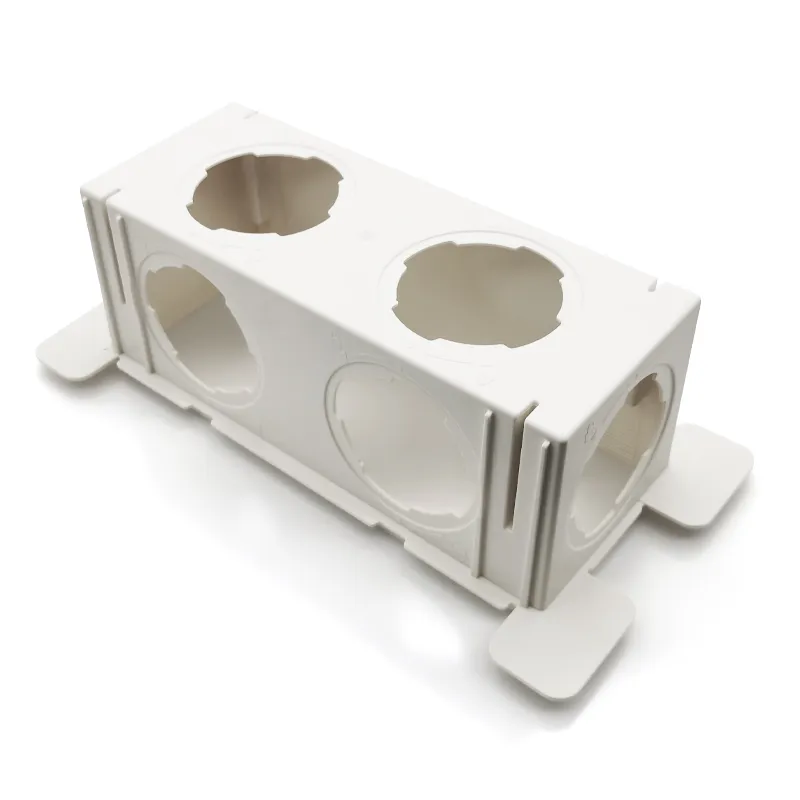
– Precision injection molding allows for airfoil cross-sections (variable thickness) that stamped metal cannot achieve, significantly reducing air turbulence.
– Plastic materials naturally possess higher internal damping rates than aluminum or steel, absorbing motor vibration before it turns into sound.
– Single-shot **blower wheel injection molding** creates a monolithic part with superior concentricity, reducing the wobbling inherent in crimped metal wheels.
– Advanced features like serrated trailing edges and swept tips are cost-effective in plastic but prohibitively expensive in metal manufacturing.
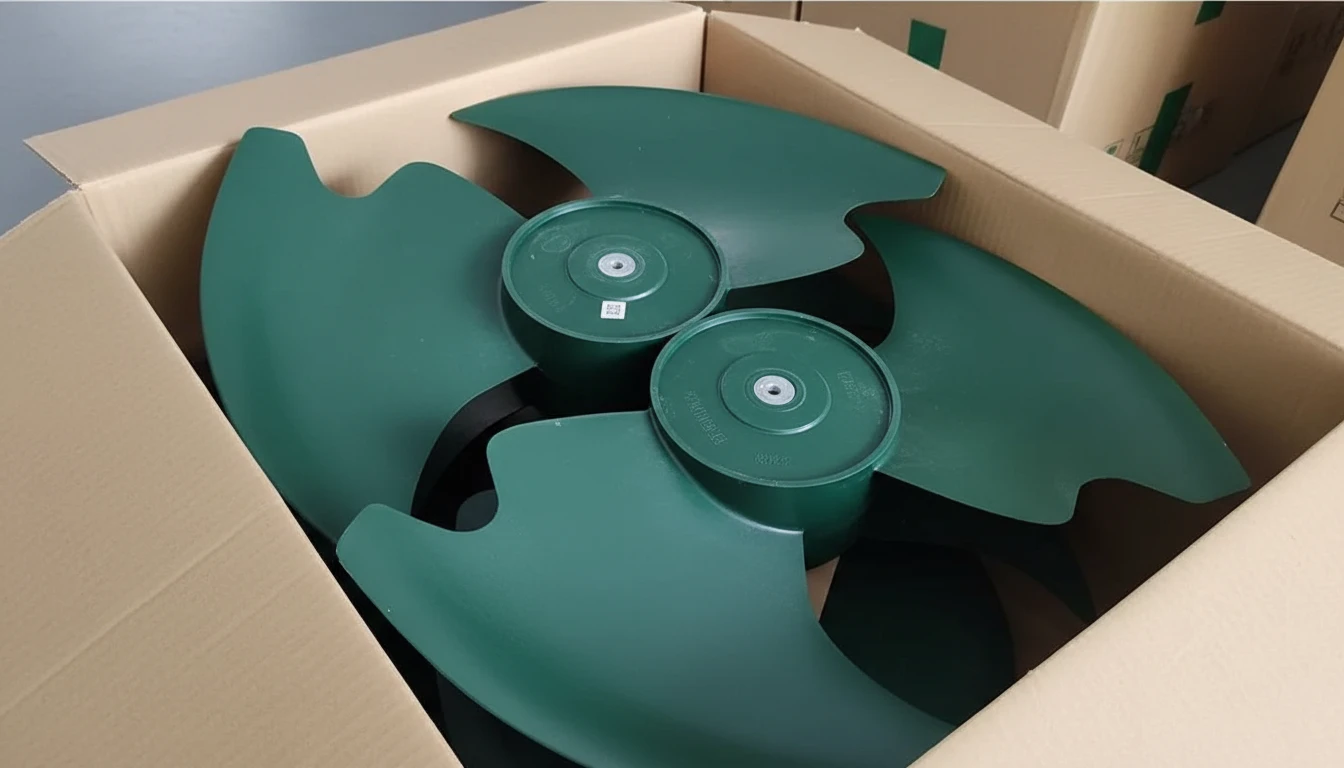
Why Are Metal Fans the Source of Most HVAC Noise?
In traditional HVAC design, the moving air isn’t usually the loud part—it’s the interaction between the blade and the air, and the mechanical resonance of the material.
For decades, we relied on stamped aluminum or galvanized steel for fans and blower wheels. The problem with metal stamping is the geometry constraint: a stamped blade has a constant thickness. It is essentially a flat plate bent into a curve. When this "flat plate" hits the air, it creates significant vortex shedding (turbulence) at the trailing edge. This turbulence manifests as the "whooshing" or "chopping" noise homeowners complain about.
Furthermore, metal rings like a bell. If the motor vibration matches the natural frequency of a steel fan blade, the blade amplifies that hum. In my factory experience, solving HVAC noise reduction techniques often starts by removing the metal that acts as a speaker membrane.
How Does Aerodynamic Fan Design Reduce Decibels?
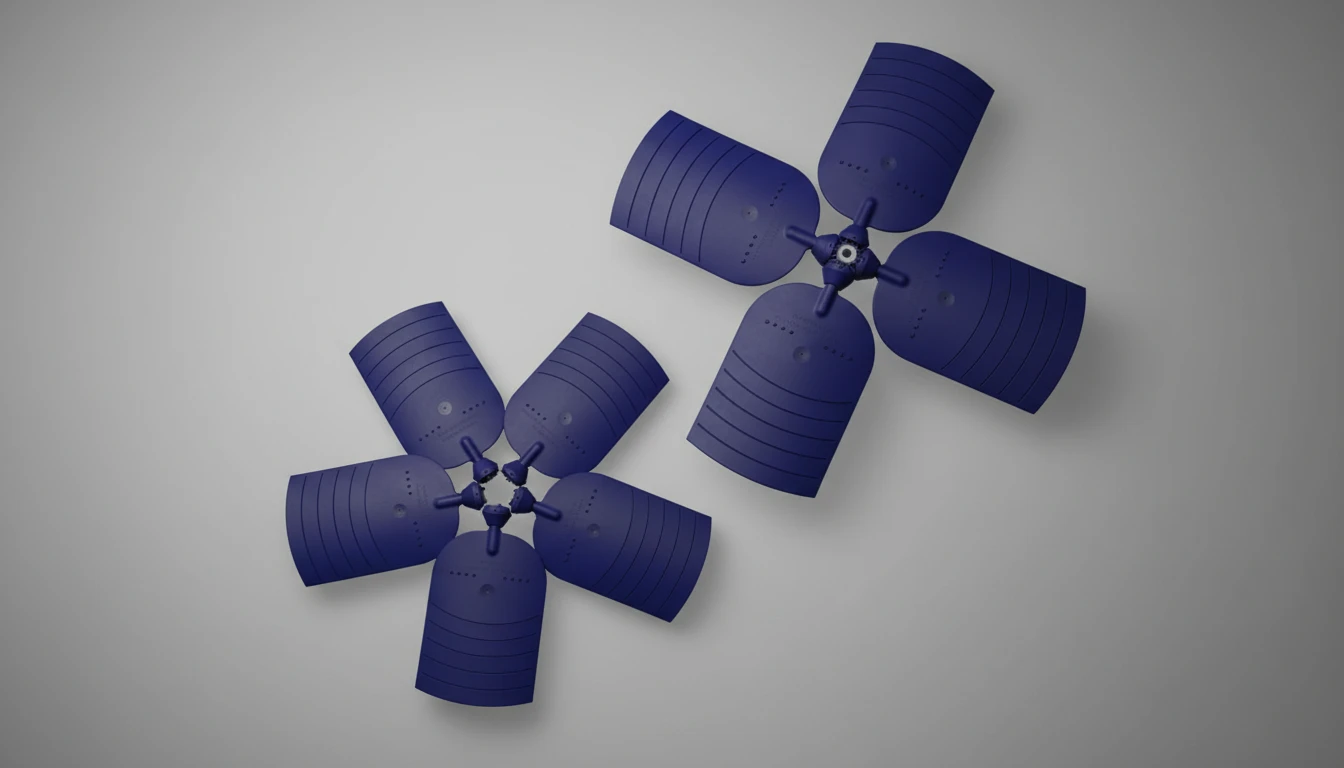
Switching to plastic HVAC fan blades isn’t just a material change; it’s a geometry revolution. Injection molding allows us to vary the wall thickness of the blade from the leading edge to the trailing edge.
We can shape the blade like an airplane wing (airfoil).
- The Leading Edge: Rounded and thick to slice into the air smoothly.
- The Body: Tapered to guide airflow without separation.
- The Trailing Edge: Razor-thin to minimize the wake (turbulence) as the blade leaves the air.
This "variable cross-section" smooths out the airflow. Instead of slapping the air, the blade glides through it. In testing, I’ve seen this geometric shift alone reduce noise levels by 3 to 5 dBA while maintaining the same CFM (Cubic Feet per Minute1) airflow.
Polymers have a higher internal loss factor (damping capacity) than metals, meaning they absorb vibrational energy rather than transmitting or amplifying it as sound.
Weight often introduces balancing issues and increases the load on bearings. A lightweight, perfectly balanced plastic fan is quieter than a heavy, slightly unbalanced metal one.
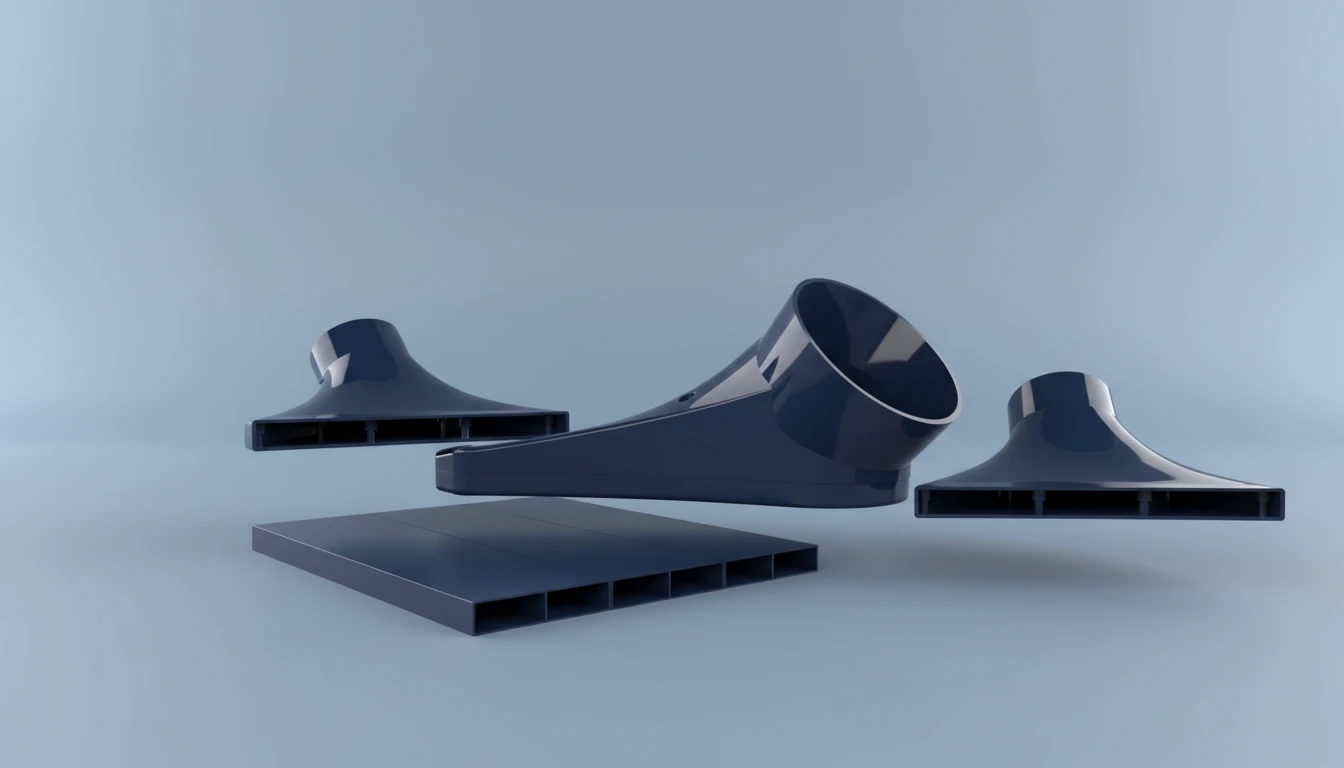
What Is the Advantage of Blower Wheel Injection Molding?
For indoor air handlers and furnaces, we use centrifugal blower wheels (squirrel cages).
- The Old Way (Metal): Dozens of small metal blades are mechanically crimped onto a center disk and an outer ring. Every crimp point is a variable. If one blade is slightly loose, it rattles. If the assembly isn’t perfectly round, it wobbles.
- The New Way (Plastic): We use blower wheel injection molding to create the entire wheel—hub, blades, and rings—in a single "shot."
Factory Reality:
When we mold a glass-filled polypropylene blower wheel, it comes out of the mold as one solid unit. There are no joints to loosen. The concentricity (roundness) is determined by the precision of the mold, not an assembly worker. A perfectly round wheel means less vibration, which translates directly to quiet HVAC components.
Case Study: Retrofitting a Noisy Condenser Unit
The Challenge:
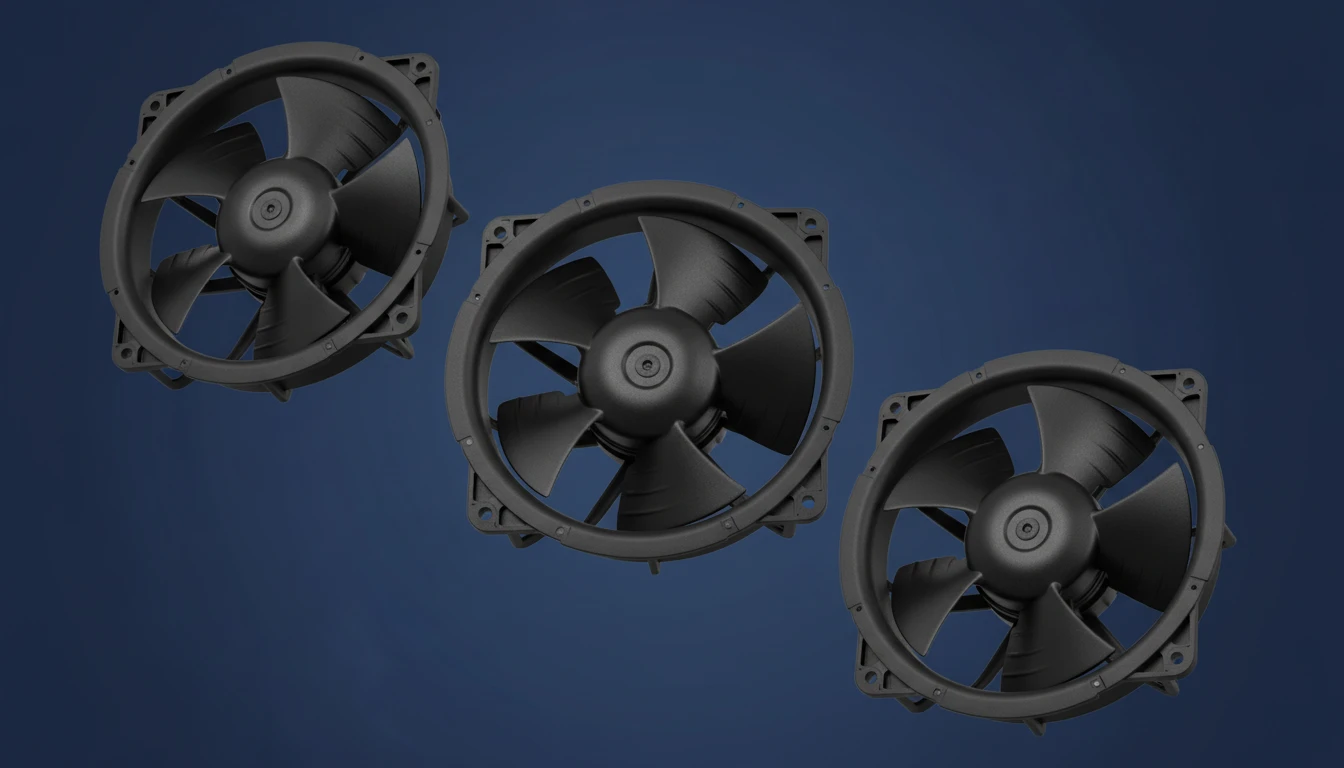
An OEM client had a 3-ton outdoor condensing unit that was failing noise regulations in strict residential zones (limit 55 dBA at property line). The existing fan was a 3-blade aluminum paddle type. It produced a harsh, low-frequency drone.
The Solution:
We proposed a custom-molded, glass-filled Nylon (PA6) fan.
- che è essenzialmente gratuito da aggiungere in uno stampo di plastica ma molto costoso da tagliare nel metallo. We designed the blades with a backward "sweep" at the tip. This delays the onset of turbulence and spreads the acoustic energy over a wider frequency range, making the sound less annoying to the human ear.
- Surface Texture: We etched a matte texture onto the mold surface to disrupt boundary layer separation.
Production Adjustments:
During the first mold trial (T1), we found the fan was wobbling. The issue was the gate location (where plastic enters the mold). We were gating from the side, pushing the center of gravity off. We moved to a "hot runner" system gating directly into the center hub.
The Result:
The new plastic fan reduced the overall sound pressure by 4.5 dBA. More importantly, it eliminated the specific low-frequency "drone," making the unit sound significantly quieter subjectively. The aerodynamic fan designallowed the motor to run at a slightly lower RPM while moving the same amount of heat, further reducing noise.
Comparison: Plastic vs. Metal Fan Blades
| Feature | Stamped Metal Fan | Molded Plastic Fan | Impact on Noise |
|---|---|---|---|
| Blade Geometry | Constant thickness (2D curve) | Airfoil (3D variable thickness) | Plastic reduces turbulence (whoosh). |
| Balance | Mechanical assembly (crimping/riveting) | Single-shot monolithic | Plastic has better concentricity2 (less vibration). |
| Damping | Low (rings like a bell) | High (absorbs energy) | Plastic eliminates metallic harmonics. |
| Corrosion | Susceptible (rust creates imbalance) | Immune | Plastic maintains balance over life. |
| Cost | Low tooling, higher unit cost | High tooling, lower unit cost | Neutral (dependent on volume). |
What Are the Risks and Limitations?
While plastic is superior for noise, it has limitations we must manage on the production floor:
- RPM LimitsPlastic fans can explode if spun fast enough to overcome their tensile strength. We must strictly simulate and test the "burst speed."
- Heat Creep: In gas furnaces, if the heat exchanger gets too hot, a plastic blower wheel can soften and deform ("creep"). We use Glass-Filled Polypropylene (GF-PP) or Glass-Filled Nylon (GF-PA) to raise the heat deflection temperature.
- Cold Brittleness: In sub-zero ambient conditions, some plastics become brittle. Impact modifiers are added to the resin mix to prevent shattering during winter startups.
Glass fibers increase the stiffness (modulus) of the blade, preventing it from fluttering or deforming under load, which actually helps maintain aerodynamic efficiency and reduces noise.
While we prefer to add weight clips or balance by design, we can (and do) remove material for fine balancing, though we usually mill small notches rather than drilling holes to avoid stress risers.
FAQ: Questions on Quiet HVAC Components
Can plastic fans match the airflow of metal fans?
Yes, and often exceed it. Because we can mold efficient airfoil shapes, plastic HVAC fan bladescan usually move more air at lower RPMs than a stamped metal equivalent. Lower RPM almost always equals less noise.
Why do some plastic fans have a "serrated" back edge?
This is biomimicry, often inspired by owl wings. The serrations break up the large air vortices into smaller, quieter micro-turbulences. This is a classic HVAC noise reduction technique that is essentially free to add in a plastic mold but very expensive to cut into metal.
Riduci il Rumore HVAC con il Design Avanzato delle Ventole in Plastica
They can if the wrong material is used. For outdoor condenser fans, we use [UV-stabilized resins](https://phoenixplastics.com/what-is-uv-stabilized-plastic-why-is-it-useful/)3 (often black in color to mask carbon black UV inhibitors). Without this, the plastic would chalk and become brittle, eventually shattering and causing a massive noise event.
What is the Blade Pass Frequency
This is the drone sound you hear. It equals (RPM / 60) × (Number of Blades). With plastic molding, we can easily produce fans with odd numbers of blades (5 or 7) or uneven blade spacing. This prevents the sound waves from stacking up into a single annoying tone, "whitening" the noise.
Is it possible to overmold the metal hub?
Yes, this is standard practice. We place a machined steel or aluminum hub into the mold and inject the plastic around it. This ensures a rock-solid mechanical connection to the motor shaft while keeping the blades plastic for noise control.
Technical Summary
Designing quiet HVAC systems is no longer about wrapping the unit in sound blankets; it is about source reduction. By transitioning to plastic HVAC fan blades, manufacturers leverage the freedom of injection molding to create aerodynamic fan designs that slice through air rather than chopping it. While material selection (Glass-Filled PP/PA) is critical for structural safety, the primary acoustic benefit comes from the superior geometry and concentricity that only molding can provide.





