
Gli schermi proteggono le condutture esposte da danni fisici, fluttuazioni di temperatura e infiltrazioni di umidità. Rapid Prototyping
Forte, durevole e termicamente stabile; ampiamente utilizzato per simulare parti in plastica stampate a iniezione.
Table of Contents
What is HVAC Rapid Prototyping?
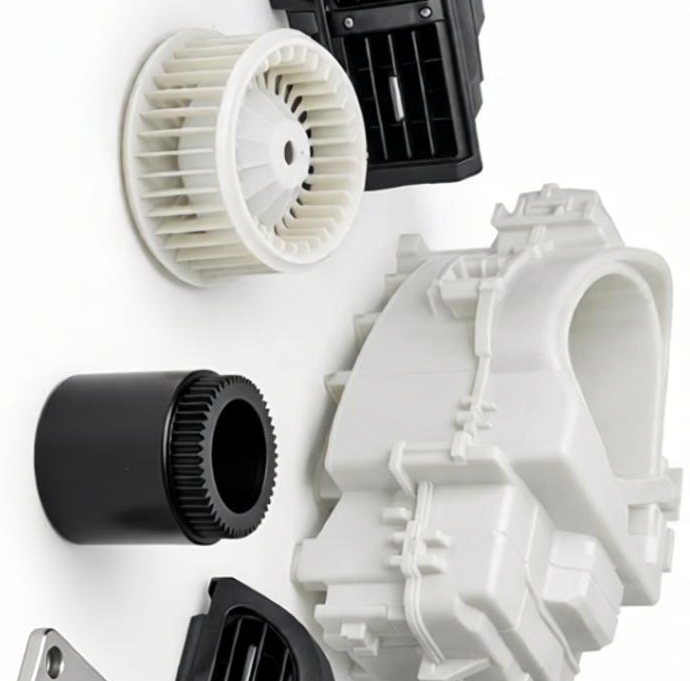
HVAC rapid prototyping is the process of quickly producing physical representations of heating, ventilation, and air conditioning components using digital design data and fast manufacturing technologies. It enables engineers to transform CAD models into tangible parts within a short time frame for evaluation and verification. In the context of HVAC systems, this process is primarily used to create sample parts that replicate the shape, structure, and in some cases functional characteristics of final components before mass production begins.
Core Process: Digital Design (CAD) → Rapid Manufacturing → Physical Part → Evaluation & Verification
Types & Applications
Design Verification Prototypes
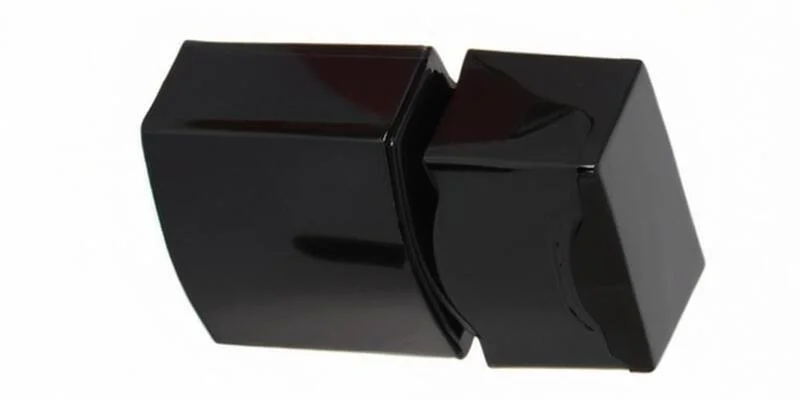
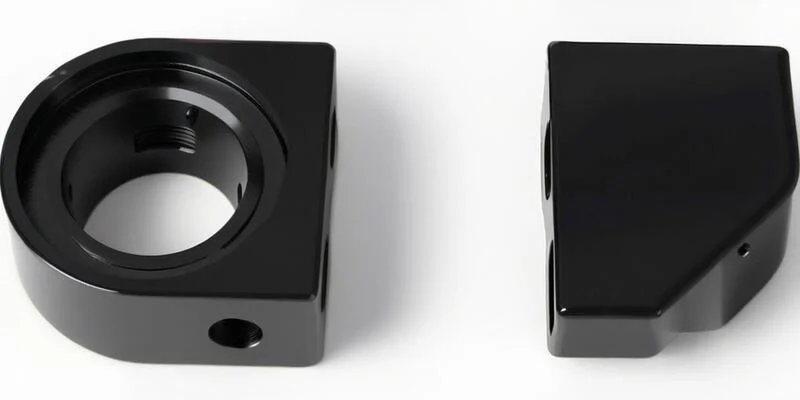
These are created to physically validate the form, fit, and aesthetic appeal of a new component design, allowing designers to assess ergonomics and integration with existing systems.
Why it's crucial for HVAC: Early visual and tactile feedback prevents costly design errors from advancing to production tooling.
Functional Test Prototypes
These prototypes are built with materials that simulate the properties of final production parts, enabling testing of airflow performance, acoustic levels, and mechanical function.
Why it's important for HVAC: Allows for real-world performance validation of critical characteristics like pressure drop and noise generation before committing to mass production.
Manufacturing Feasibility Models
Prototypes used to evaluate and refine the manufacturability of a design, identifying potential issues with molding, assembly, or material flow before tooling investment.
Why it's important for HVAC: Reduces risk in the transition from design to production, ensuring designs are optimized for efficient and cost-effective manufacturing.
Process Advantages
Speed & Iteration
The process focuses on speed and flexibility, allowing multiple design iterations to be produced and tested without the need for permanent tooling such as injection molds.
Why it's crucial for HVAC: Dramatically shortens development cycles, enabling faster response to market needs and design improvements.
Cost-Effective Validation
Commonly applied during early product development stages where design concepts need to be verified physically before committing to high-cost production processes.
Why it's crucial for HVAC: Minimizes financial risk by validating designs early, avoiding expensive tooling modifications or production failures later.
Enhanced Collaboration
Physical prototypes provide a clear, tangible reference for cross-functional teams (engineering, marketing, clients) to evaluate and align on product development decisions.
Why it's crucial for HVAC: Improves communication and decision-making across departments and with external stakeholders, ensuring all parties share a common understanding of the product.
Why Compare Rapid Prototyping Methods in Injection Mold Development?
Comparing rapid prototyping methods in injection mold development is important because different technologies vary significantly in terms of accuracy, material properties, cost, and production speed. A systematic comparison helps determine which method is most suitable for a specific stage of product development. Understanding these differences ensures that the selected approach aligns with both technical requirements and project constraints before committing to the high cost of final mold tooling.
Core Value: System Comparison → Optimal Method Selection → Successful Development
| Comparison Factor | Differences & Challenges | Value of Comparison |
|---|---|---|
| Cost Efficiency | Different prototyping techniques involve varying equipment, materials, and labor costs, impacting the early-stage budget. | Allows for better cost control and resource allocation before investing in permanent mold tooling. |
| Lead Time | Turnaround times differ significantly; some processes are faster for initial validation, while others require more time for refined parts. | Supports better project timeline planning by matching method speed with development stage requirements. |
| Accuracy & Surface Quality | Each prototyping method produces parts with different levels of dimensional precision and surface finish quality. | Ensures the selected method meets the specific technical requirements needed before mold manufacturing begins. |
| Method Suitability | Technologies vary significantly in material properties and production capabilities for different development stages. | Helps determine which method is most suitable for a specific stage, from concept validation to functional testing. |
What is Proper Material Selection in Rapid Prototyping for Functional Testing?
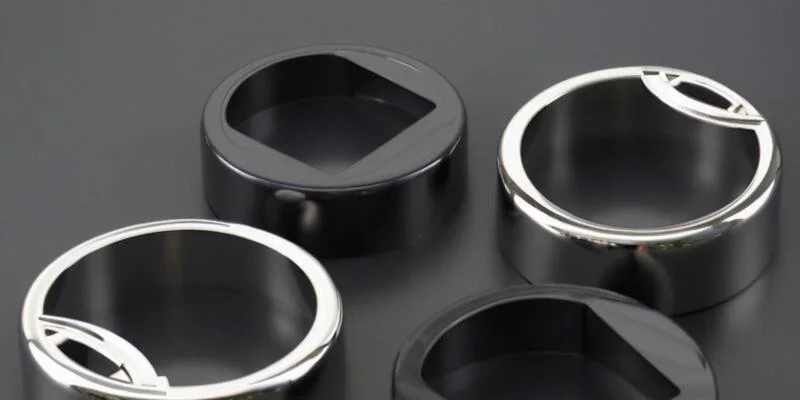
Material selection is a critical step in rapid prototyping, especially when functional testing is required. The choice of material directly impacts the prototype's mechanical properties, durability, and how closely it mimics the behavior of the final production part. Different prototyping materials offer varying degrees of strength, flexibility, thermal stability, and surface finish, making them suitable for different testing scenarios and validation needs.
Selection Criteria: Test Requirements → Material Properties → Prototype Performance → Validation Accuracy
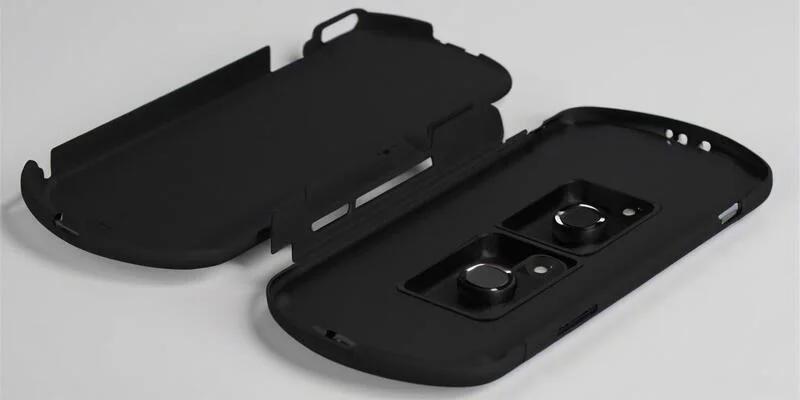
Common Materials for Functional Testing
ABS (Acrylonitrile Butadiene Styrene)
Strong, durable, and thermally stable; widely used to simulate injection-molded plastic parts.
.
PLA (Polylactic Acid)
Easy to print, low cost, biodegradable; suitable for concept validation and basic functional testing.
Ideal For: Early-stage prototypes where cost and speed are priorities, and high mechanical stress is not expected.
Nylon (Polyamide)
High flexibility and wear resistance; ideal for parts requiring mechanical stress testing.
Ideal For: Gears, hinges, snap-fits, and other components that undergo repeated movement or load-bearing.
Specialized Material Properties
Polycarbonate (PC)
High impact resistance and transparency; suitable for parts requiring toughness and visual inspection.
Why it's important: Excellent for testing transparent or translucent components like light covers or fluid reservoirs.
TPU (Thermoplastic Polyurethane)
Flexible and elastic; ideal for testing gaskets, seals, or soft-touch components.
Why it's important: Enables validation of parts that require flexibility, grip, or vibration dampening properties.
Resin (Photopolymer)
High precision and smooth surface finish; suitable for detailed prototypes and visual-functional testing.
Why it's important: Perfect for intricate parts where surface detail, fit checks, and aesthetic evaluation are critical.
How does Rapid Prototyping work in HVAC Component Development?
Rapid prototyping in HVAC component development is the process of transforming digital designs into physical models quickly using advanced manufacturing technologies. Engineers start with CAD models of HVAC components, which are then converted into physical prototypes using methods such as 3D printing, CNC machining, or vacuum casting. This process allows for multiple iterations to be tested in a short period, reducing development time and cost before committing to production tooling.
Workflow: Digital Design → Method Selection → Physical Prototyping → Testing & Evaluation
| Development Stage | Key Activities | Value & Impact |
|---|---|---|
| 💻 Design & Modeling | ||
| CAD Model Creation | Engineers create detailed 3D CAD models of HVAC components with precise geometry, dimensions, and features required for the prototype. | Provides the digital foundation for all downstream prototyping activities and ensures accuracy in the physical representation. |
| Design Optimization | CAD data is analyzed to determine the optimal prototyping method and material that can simulate the final production part's mechanical and thermal properties. | Ensures the prototype will behave similarly to the production part, allowing meaningful testing and validation. |
| 🔧 Prototyping Method Selection | ||
| Method Selection | Based on requirements, engineers select from methods such as 3D printing, CNC machining, or vacuum casting, each with different speed, cost, and material capabilities. | Different methods offer trade-offs between speed, cost, accuracy, and material properties. Selection impacts prototype quality and development timeline. |
| Material Selection | Materials are chosen to replicate the properties of final production materials, including strength, flexibility, thermal resistance, and durability. | Proper material selection ensures test results from the prototype will be representative of the production component. |
| 🏭 Physical Prototyping | ||
| Rapid Manufacturing | The selected manufacturing method is used to quickly produce physical prototypes directly from CAD data, often within hours or days. | Dramatically reduces lead time compared to traditional prototyping methods, enabling faster design iterations. |
| Iterative Production | Rapid prototyping allows multiple iterations of the design to be tested in a short period, with each iteration refining the design based on previous test results. | Facilitates design optimization through quick cycles of build-test-modify, leading to better final products. |
| 🧪 Testing & Evaluation | ||
| Comprehensive Testing | Engineers can evaluate form, fit, airflow performance, acoustic behavior, and mechanical functionality before committing to mold tooling or mass production. | Identifies design issues early when changes are inexpensive, preventing costly modifications later in production. |
| Decision Validation | Test results provide data-driven insights for go/no-go decisions on proceeding with expensive production tooling and mass manufacturing. | Reduces business risk by validating designs with physical prototypes before significant capital investment. |
| Stakeholder Communication | Physical prototypes serve as tangible references for cross-functional teams, clients, and management to understand and evaluate the design. | Improves communication and alignment across teams, ensuring all stakeholders have a clear understanding of the product. |
What are the Prototyping Strategies for Complex Plastic Housing Design?
Stampato in 3D (FDM o SLA).
Strategy Focus: Digital Design • Method Selection • Material Simulation • Functional Validation
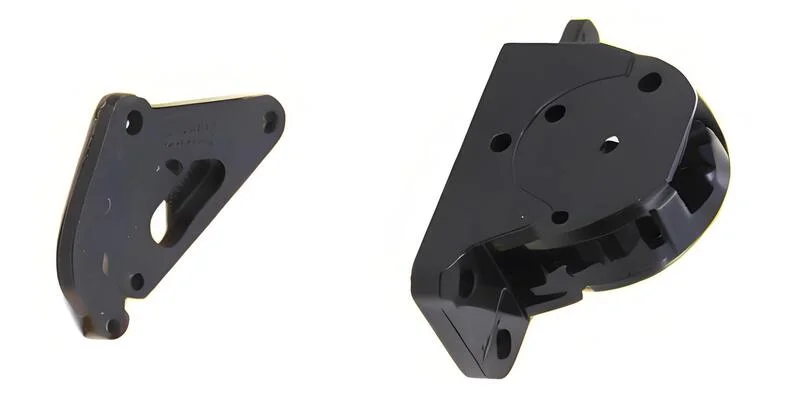
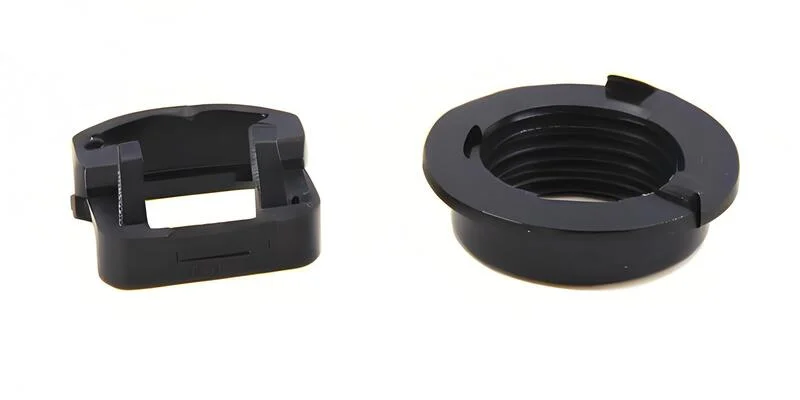
Structural & Mechanical Solutions
Air Duct Housing with Internal Baffles
3D printing using ABS to create intricate internal airflow baffles.
Why it's effective: Layered additive manufacturing allows highly complex internal geometries that would be impossible with traditional molding.
Control Panel Enclosure with Snap-Fit Features
CNC machined prototype in engineering-grade polycarbonate.
Why it's effective: CNC machining provides high dimensional accuracy to test snap-fit assembly and panel alignment.
Performance & Aesthetic Solutions
Fan Housing with Acoustic Dampening
Vacuum cast prototypes using TPU inserts for vibration absorption.
Why it's effective: TPU inserts simulate flexible components to evaluate noise and vibration behavior before final tooling.
Transparent Cover for LED Indicator
Resin (photopolymer) printed prototypes for high surface finish and clarity.
Why it's effective: Photopolymer ensures smooth surfaces and optical transparency for visual inspection and functional validation of light diffusion.
Rapid Prototyping Workflow in HVAC
1
Digital Design to Physical Model
Engineers start with CAD models of HVAC components, which are then converted into physical prototypes using methods such as 3D printing, CNC machining, or vacuum casting.
2
Method & Material Selection
The process typically begins with detailed design and modeling. CAD data is analyzed to determine the optimal prototyping method and material that can simulate the final production part’s properties.
3
Iterative Testing & Validation
Rapid prototyping allows multiple iterations of the design to be tested in a short period. Engineers can evaluate form, fit, airflow performance, and mechanical functionality before mass production.
What are the Typical Advantages and Disadvantages of Rapid Prototyping?
Rapid prototyping plays a crucial role in HVAC component development by enabling faster product design and iteration. It allows engineers to validate designs early, test complex geometries, and identify potential flaws before mass production, significantly reducing the risk of costly errors. Prototyping also enhances communication among design, engineering, and manufacturing teams, and encourages innovation through experimentation with new ideas and materials. On the downside, it can increase initial development costs and may involve material limitations that affect precision and final product performance.
Key Aspects: Design Validation • Risk Reduction • Team Collaboration • Innovation & Limitations
HVAC Air Vent with Thin Walls
3D Printed (FDM in ABS)
- Moderate tensile strength (~30 MPa)
- Slightly lower impact resistance
- Minor layer anisotropy
Injection Molded ABS
- Higher tensile strength (~45 MPa)
- Excellent impact resistance
- Isotropic mechanical properties
Fan Housing with Snap-Fit Features
3D Printed (SLA Resin)
- Brittle under repeated stress
- Precise dimensional accuracy for initial fit testing
Injection Molded (Polycarbonate)
- Excellent toughness
- Supports repeated assembly without deformation
Small Electronics Housing with Thin Features
3D Printed (SLA or DLP Resin)
- High surface precision
- Limited flexural strength (~50 MPa)
- Prone to micro-cracking under torque
Injection Molded (ABS or PC)
- Higher flexural strength (~70–80 MPa)
- Suitable for functional use and assembly stress
Airflow Guide with Complex Internal Channels
3D Printed (FDM or SLA)
- Selezionare materiali appropriati, controllare le condizioni di test e applicare rivestimenti protettivi è fondamentale per garantire che i prototipi rimangano affidabili durante tutta la valutazione.
- Tensile strength moderate
- Anisotropy along layers
Injection Molded ABS
- Slight design limitation on channel complexity
- Isotropic and durable
How can Rapid Prototyping Methods Be Applied to Low-Volume Production?
Low-volume production using rapid prototyping is ideal for customized products or limited editions, allowing manufacturers to quickly adapt designs for specific client requirements. By leveraging these methods, companies can bridge the gap between prototype validation and full-scale manufacturing efficiently.
Application Workflow: Design Adaptation → Method Selection → Low-Volume Manufacturing → Customized Delivery
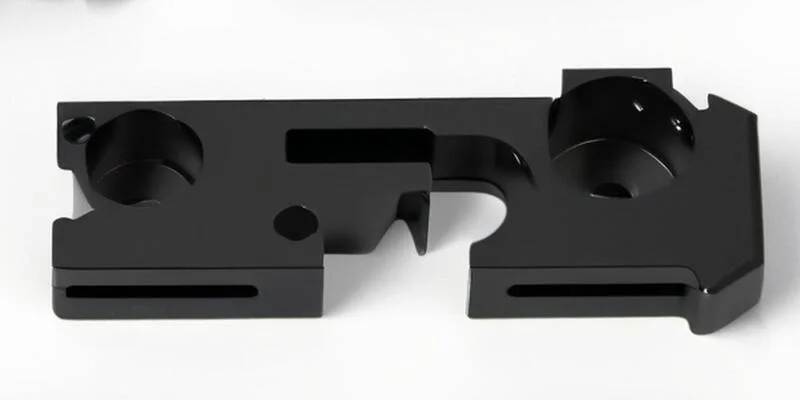
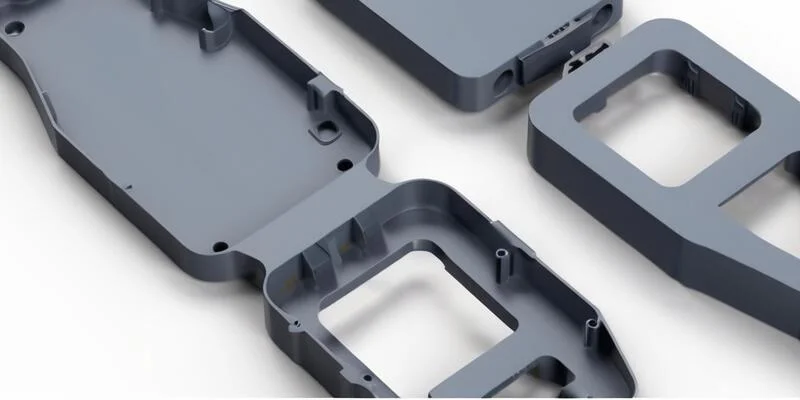
Direct Manufacturing Methods
Direct 3D Printing for End-Use Parts
3D printing can produce functional parts directly for low-volume orders, eliminating the need for expensive tooling.
Materials like ABS, Nylon, or Polycarbonate are selected to meet performance requirements.
CNC Machining from Rapid Prototype Designs
CNC machining can use rapid prototype CAD models to produce small batches of high-precision parts.
This approach bridges the gap between prototype validation and low-volume manufacturing.
Specialized Production Applications
Silicone or Urethane Casting from Master Prototypes
Rapid prototypes serve as master patterns for silicone or urethane molding.
This method allows producing dozens or hundreds of parts with consistent quality, suitable for pilot production runs.
Multi-Material Printing for Complex Assemblies
Multi-material 3D printing enables production of parts with integrated rigid and flexible sections in low volumes.
This capability significantly reduces assembly time and component count.
Frequently Asked Questions
Rapid prototyping for HVAC components enables fast design validation, functional testing, iterative development, early flaw detection, and improved collaboration across engineering teams.
Key Aspects: Fast Design Validation • Functional Testing • Iterative Development • Innovation & Limitations
How do Prototypes Simulate Long-Term Mechanical Stress?
Customer concern: Validating durability and lifecycle performance.
+
How do Prototypes Simulate Long-Term Mechanical Stress?
Customer concern: Validating durability and lifecycle performance.
Our Solutions:
Accelerated Testing Methods:
Prototypes simulate long-term mechanical stress by using accelerated testing methods. Engineers apply repeated load cycles, vibration, and torsion to the prototype to mimic the stresses that the final production part will experience over its lifecycle.
Material Simulation:
Materials can also be selected to closely match the mechanical properties of the final product, ensuring that the test results provide realistic predictions for durability and performance.
What Methods Ensure Prototype Surface Quality Meets Standards?
Customer concern: Achieving required surface finish and aesthetics.
+
What Methods Ensure Prototype Surface Quality Meets Standards?
Customer concern: Achieving required surface finish and aesthetics.
Our Solutions:
Process Optimization:
Surface quality is ensured through proper material selection, optimized printing or machining parameters, and post-processing techniques.
Post-Processing Techniques:
Sanding, polishing, vapor smoothing, or coating may be applied to improve smoothness and reduce surface defects.
Verification:
Engineers also use visual inspections and surface roughness measurements to verify that the prototype meets required aesthetic and functional standards.
How is Thermal Behavior Tested in HVAC Prototypes?
Customer concern: Performance under operational temperature conditions.
+
How is Thermal Behavior Tested in HVAC Prototypes?
Customer concern: Performance under operational temperature conditions.
Our Solutions:
Thermal Exposure:
Thermal behavior is tested by exposing prototypes to operational temperatures and thermal cycling.
Measurement Tools:
Temperature sensors, thermal cameras, and data loggers measure heat distribution, expansion, and conductivity.
Evaluation Goals:
This allows engineers to evaluate whether materials can withstand expected temperature ranges and whether component design prevents overheating or deformation during operation.
What Factors Affect Prototype Material Durability?
Customer concern: Ensuring material reliability under real conditions.
+
What Factors Affect Prototype Material Durability?
Customer concern: Ensuring material reliability under real conditions.
Our Solutions:
Key Influences:
Material durability is influenced by environmental conditions, mechanical loads, and material properties. Factors such as UV exposure, moisture, repeated stress, temperature fluctuations, and chemical contact can degrade the prototype over time.
Mitigation Strategies:
Selecting appropriate materials, controlling testing conditions, and applying protective coatings are critical to ensuring that prototypes remain reliable throughout evaluation.