
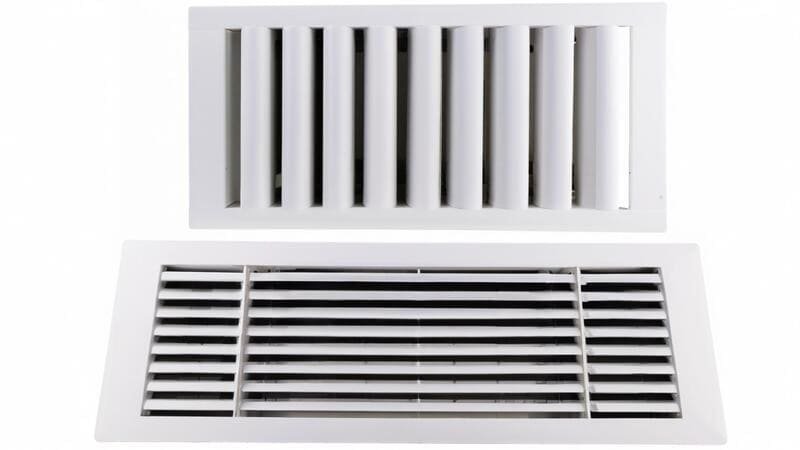
– Insert molding HVAC parts provides superior pull-out strength and torque retention compared to post-process heat staking.
– Pre-heating metal inserts is critical to minimize residual stress and prevent “hoop stress” cracking in the plastic boss.
– Component assembly reduction is a primary economic driver; integrating fasteners during molding eliminates secondary labor.
– Vertical clamp injection molding machines are preferred for this process to utilize gravity for insert stability.
What is Insert Molding in the HVAC Context?
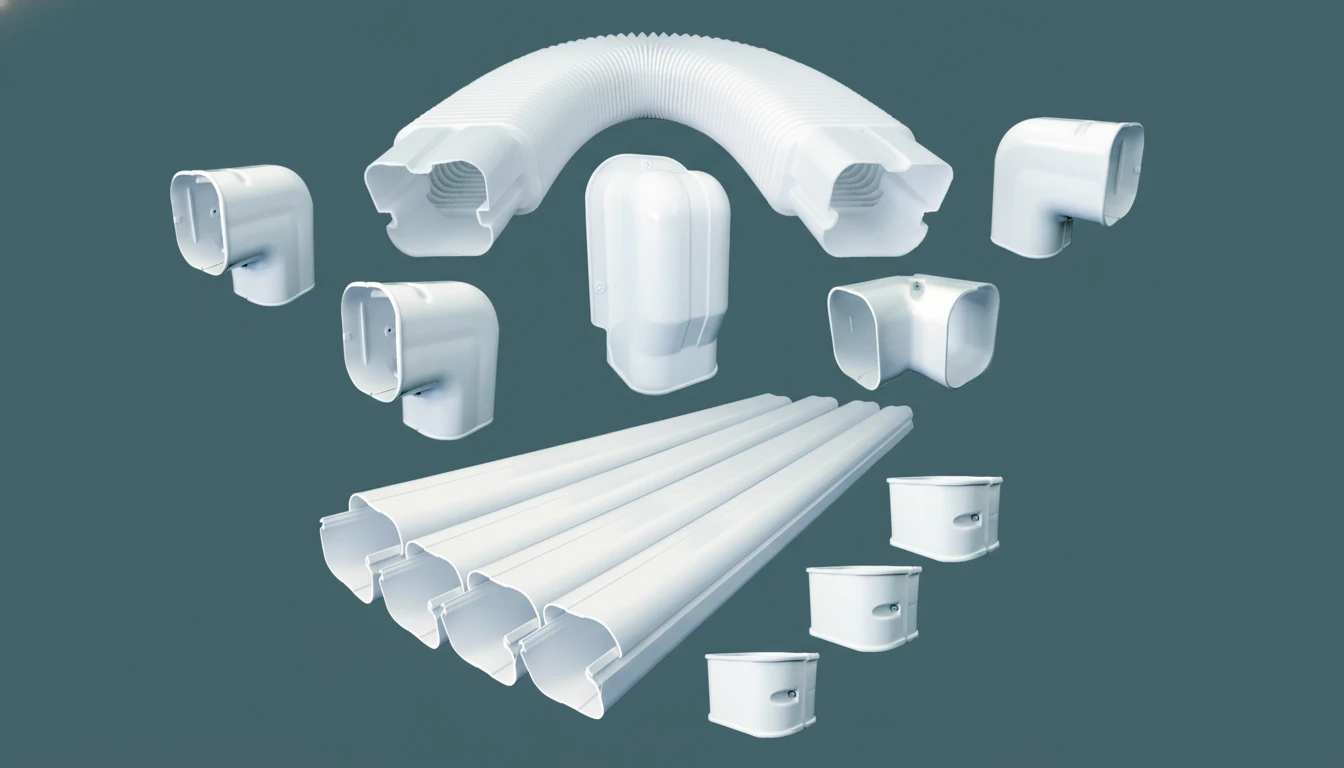
In the factory, insert molding is the process where we place a pre-formed component (usually a brass threaded nut, a steel reinforcement bar, or a copper electrical terminal) into the mold cavity before injecting the plastic. The molten resin flows around the insert, encapsulating it to form a single, inseparable unit.
For HVAC applications, we use plastic molding with metal inserts to solve a specific engineering contradiction: we need the lightweight, complex geometry of plastic for airflow, but the mechanical durability of metal for mounting motors, compressors, or heavy service panels.
Key Process Parameters for Insert Molding
The success of a reinforced HVAC housing relies on managing the thermal difference between the cold metal insert and the hot plastic melt.
| Parameter | Typical Range (Example: 30% GF-PP) | Why it Matters |
|---|---|---|
| Insert Pre-Heat Temp | 80°C – 120°C | Prevents thermal shock. Cold inserts cause rapid cooling at the interface, leading to high internal stress and future cracking. |
| Injection Speed | Medium – Low | High speeds can shift the insert off its pin ("washing out"), damaging the mold. |
| Holding Pressure | 60% – 80% of Injection Pressure | Critical to pack the plastic tightly into the knurling of the insert for maximum mechanical lock. |
| Mold Temperature | 50°C – 70°C | Keeps the plastic mobile long enough to flow behind the insert and knit together strongly. |
Step-by-Step: The Production Reality
I have overseen lines producing thousands of blower housings daily. Here is how the workflow differs from standard injection molding:
1. The Loading Phase
We typically use vertical clamp machines with a rotary table. While one side is molding, the operator (or robot) loads inserts into the other side.
- The Risk: If an insert is not seated 100% flat, the mold closes on it. In the industry, we call this a "crash." It can cost thousands of dollars in tooling repairs. We use "low-pressure mold protection" settings to detect resistance during closing.
2. The Injection Phase
When we inject threaded inserts for plastics, the polymer flows around the diamond knurl pattern.
- The Challenge: The plastic flow splits around the insert and meets on the back side. This creates a "weld line" (or knit line). If the temperature is too low, this weld line is weak. When a technician later tightens a bolt into that insert, the boss will split exactly at the weld line.
3. Cooling and Shrinkage
Plastic shrinks; metal does not. As the plastic cools, it shrinks onto the insert.
- The Benefit: This interference fit creates exceptional tightness.
- The Danger: If the wall thickness around the insert is too thin, the shrinkage force (Hoop StressPossiamo inserire filtri o schermi per stampi?.
Insert molding allows the plastic to flow into the deep undercuts and knurls of the metal while molten, creating a mechanical interlock that is significantly stronger in torque and pull-out resistance than heat staking.
Injecting hot plastic (200°C+) around a cold metal insert causes immediate freezing at the interface, leading to high residual stress and potential stress cracking known as 'hoop failure' weeks or months later.
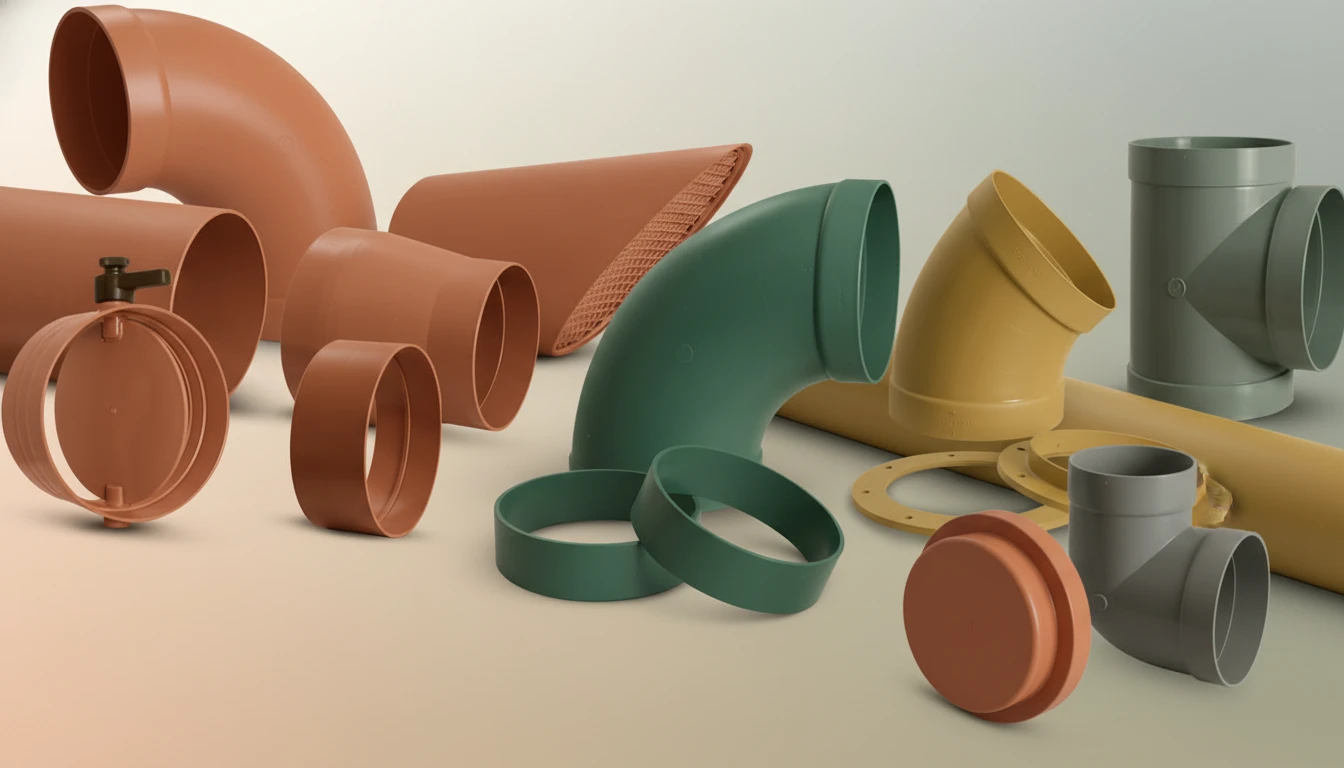
Design Considerations for Reinforced HVAC Housings
When we design a mold for insert molding Gli schermi proteggono le condutture esposte da danni fisici, fluttuazioni di temperatura e infiltrazioni di umidità. parts, we follow strict rules to ensure the plastic doesn’t fail around the metal.
1. Boss Geometry
The plastic "boss" (the cylinder holding the insert) must be robust.
- Rule of Thumb: The outer diameter of the boss should be 2.0 to 2.5 times the diameter of the insert.
- Real World Example: In a condenser fan shroud project, we used a 6mm brass insert. We initially designed a 10mm boss (1.6x ratio). Under vibration testing, 15% of the units developed hairline cracks. We increased the boss to 13mm, and the failure rate dropped to zero.
2. Insert Shape (Knurling)
Not all inserts are equal.
- Diamond Knurl: Best for multi-directional strength (Torque + Pull-out). Standard for HVAC.
- Straight/Helical Knurl: Good for torque, bad for pull-out. Avoid these for fan motor mounts where gravity pulls on the screw.
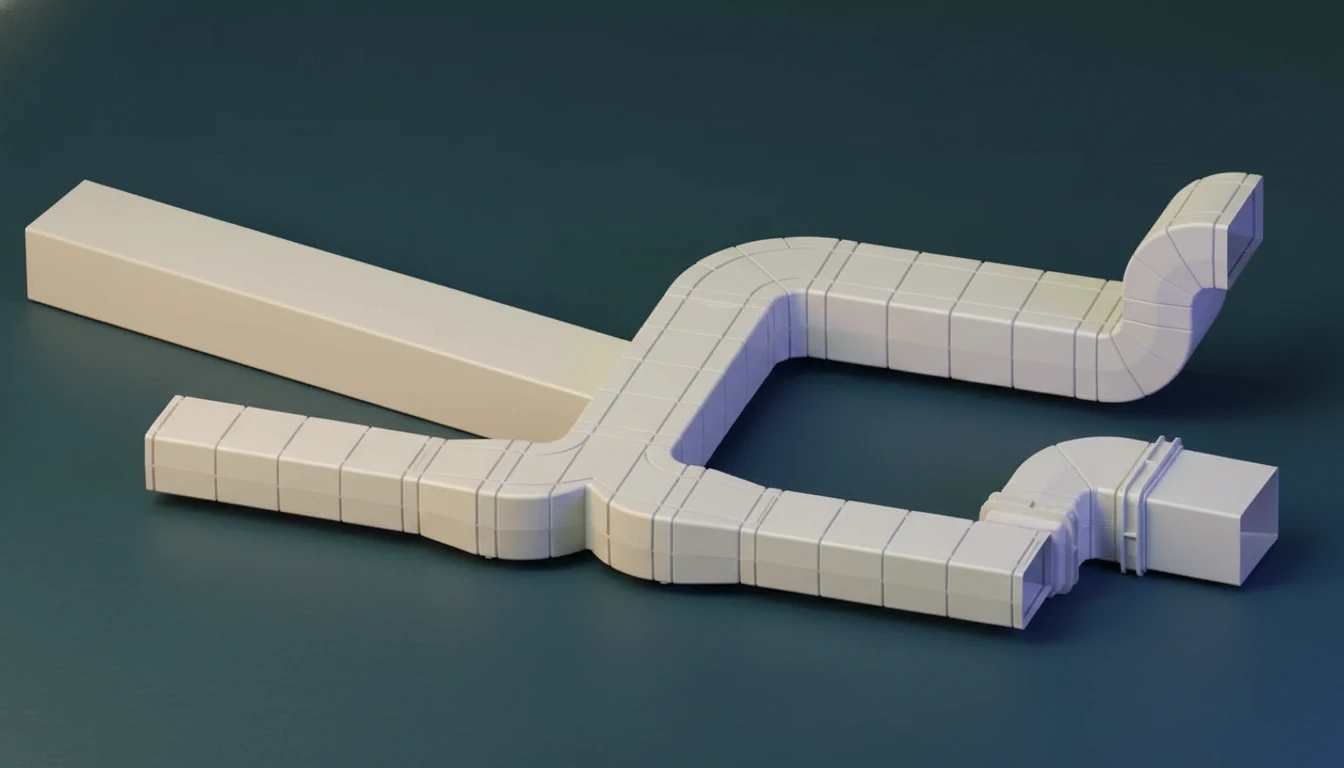
Advantages and Disadvantages
| Feature | Advantages | Disadvantages |
|---|---|---|
| Assembly | Component assembly reduction. The part comes out of the mold ready to use. No post-molding labor. | Slower cycle time (10–30 seconds added) due to the manual or robotic loading process. |
| Performance | Maximum vibration resistance. Essential for compressors and motor mounts. | High risk of mold damage if an insert falls out of position before the mold closes. |
| Design | Allows for smaller fastener sizes to hold heavy loads. | Difficult to recycle. The metal must be mechanically separated from the plastic at end-of-life. |
Practical Tips for Factory Troubleshooting
- Avoid "Floaters": A floating insert is loose on the core pin. Use magnetic core pins for steel inserts, or vacuum-assisted core pins for brass/stainless steel to hold them firmly in place during the injection blast.
- Watch the Flash: If plastic leaks into the threads of the insert, the part is scrap (the screw won’t go in). This usually means the "crush" (the seal between the mold steel and the insert face) is worn out. We often design the insert slightly taller (+0.05mm) to ensure the mold shuts off tightly against it.
- Material Selection: Glass-filled materials (like PP-GF30) are abrasive. They will wear down the core pin holding the insert, leading to loose fits over time. Check core pin diameters weekly.
While it removes the need for insert installation, 'flash' (excess plastic) can sometimes occur over the insert threads, requiring a secondary air-blast or cleaning operation to ensure the threads are clear.
Deep diamond knurling allows molten plastic to flow into the undercuts, providing resistance against both rotation (torque) and axial force (pull-out), which is critical for HVAC parts subject to vibration.
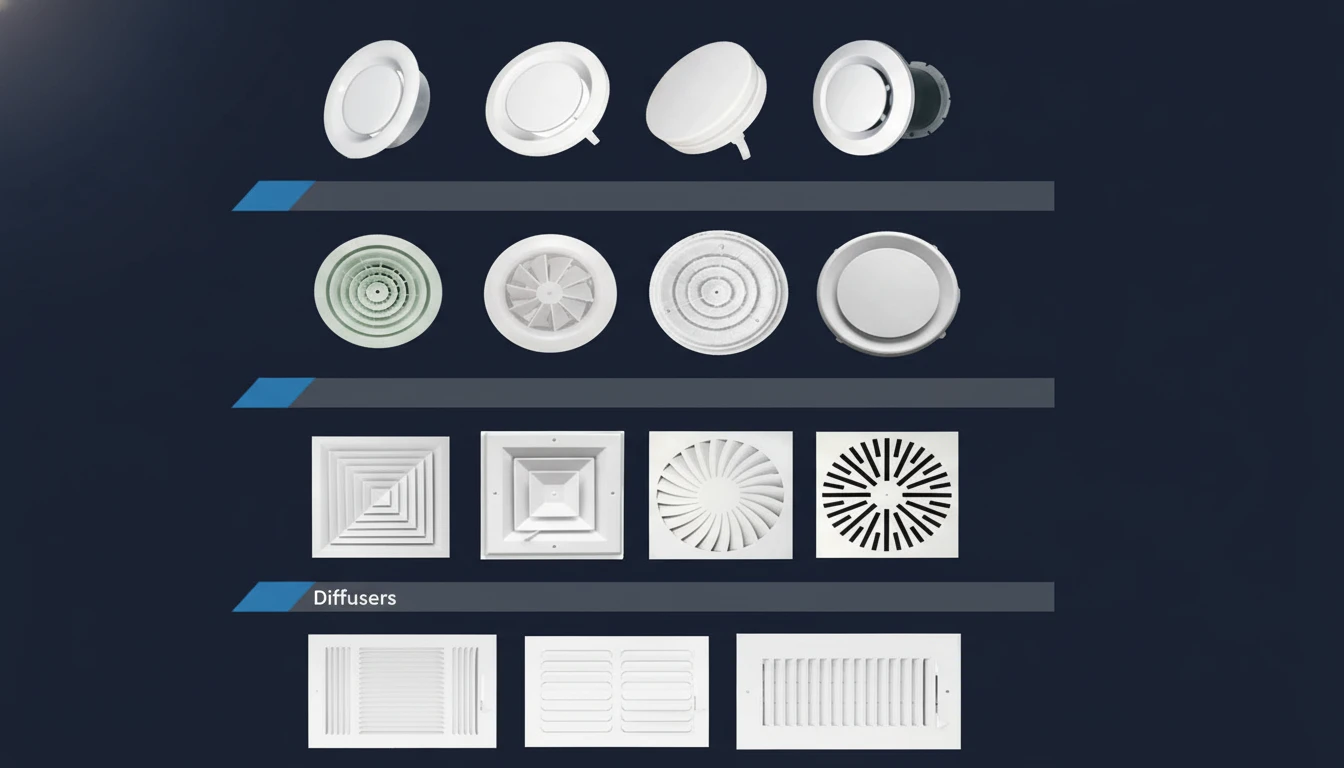
FAQ: Insert Molding in HVAC
Can we use aluminum inserts instead of brass?
Yes, aluminum is lighter and cheaper, but it is softer. In HVAC, where technicians often use impact drivers to install panels, aluminum threads strip easily. We stick to brass or stainless steel for service points that will be opened repeatedly.
What is the biggest cause of failure in insert molded parts?
Delayed Stress Cracking. The part looks fine off the line, but the internal stress from cooling around the metal causes the boss to crack 2–3 months later in the warehouse. This is almost always solved by pre-heating the inserts or changing to a tougher resin grade.
How does insert molding help with leak prevention?
In condensate pans, we insert mold the threaded drain port. Because the plastic is fused chemically and mechanically to the metal (often with O-ring grooves on the insert itself), there is no path for water to leak, unlike a bulkhead fitting that relies on a gasket.
Is automation required for insert molding?
Not strictly, but for high-volume HVAC parts, it is recommended. An operator gets tired and might misplace an insert. A 6-axis robot places the insert with 0.1mm accuracy every time, preventing mold damage.
Can we insert mold filters or screens?
https://hvacoretech.com/wp-content/uploads/2025/09/百叶窗.jpeg"over-mold" mesh filters for intake vents. The plastic frame is molded directly onto the mesh. The challenge here is keeping the mesh from wrinkling under injection pressure.
Technical Summary
Insert molding HVAC components is the definitive method for creating high-strength, vibration-resistant connection points in plastic assemblies. By integrating threaded inserts for plastics directly during the molding phase, manufacturers achieve significant component assembly reduction and superior leak prevention. However, the process demands rigorous control over thermal parameters—specifically insert pre-heating and boss design—to manage the disparate expansion rates of metal and plastic. When executed correctly, it transforms a simple plastic shell into a structural engineering chassis capable of supporting motors, fans, and pressurized flows.





