
Критерии отбора Protective Covers
Стратегически расположенные вентиляционные отверстия и перфорация обеспечивают достаточный воздушный поток, сохраняя защиту от мусора и крупных частиц.
Request Sent Successfully!
Thank you for your inquiry. Our protective cover specialists will review your requirements and get back to you within 24 hours with a customized solution.
Table of Contents
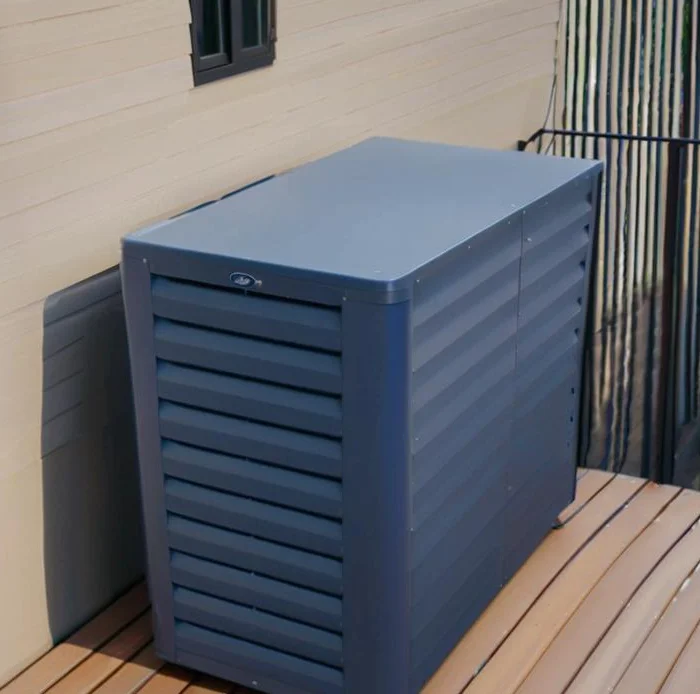
What is Protective Covers for HVAC?
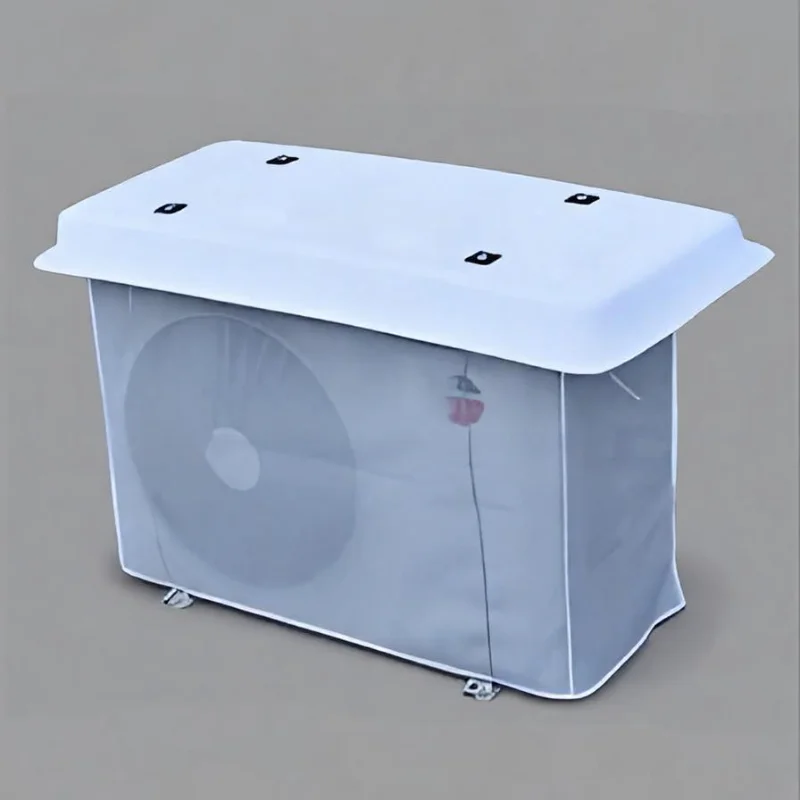
Protective covers for HVAC systems are specialized enclosures manufactured through advanced plastic molding processes to safeguard heating, ventilation, and air conditioning equipment. These covers are engineered to provide a barrier against environmental hazards while maintaining optimal system performance. Typically constructed from durable polymers such as ABS, polycarbonate, or HDPE, these protective solutions are precision-molded to fit specific HVAC components. They serve as critical investments that prevent premature equipment failure, reduce maintenance costs, and extend service life by shielding sensitive components from dust, moisture, UV radiation, and physical impact.
Definition: Molded Plastic Enclosures → Environmental Barriers → Performance Enhancers → Equipment Lifespan Extenders
Definition & Purpose
What Are HVAC Protective Covers?
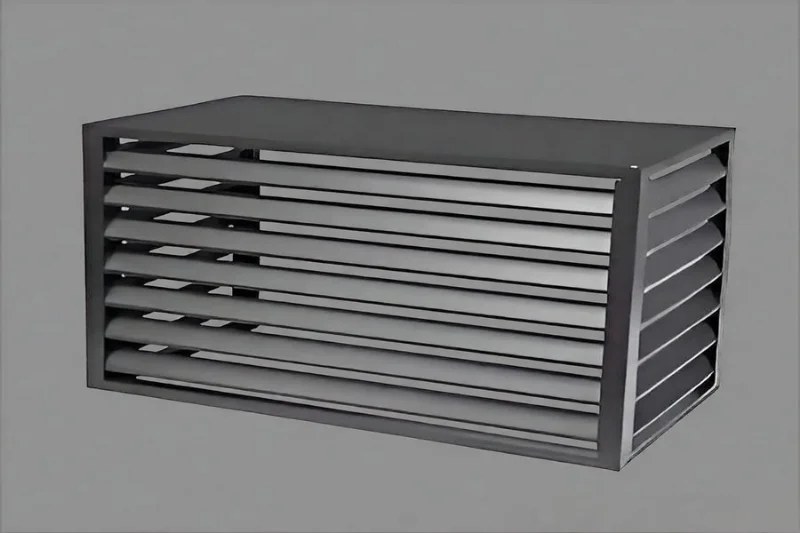
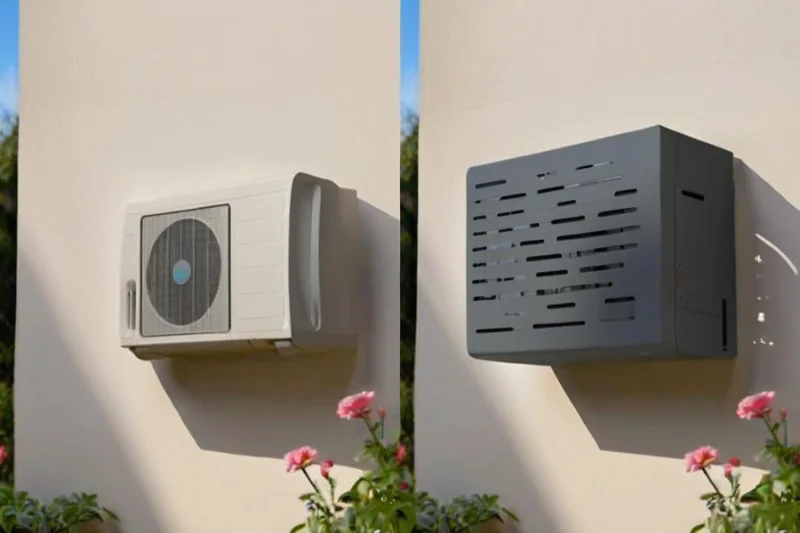
HVAC protective covers are precisely engineered plastic enclosures created through injection molding, vacuum forming, or rotational molding processes to shield HVAC components.
Plastic molding advantage: Allows for complex geometries, precise fit, and integration of features like ventilation channels and mounting points.
Primary Protection Functions
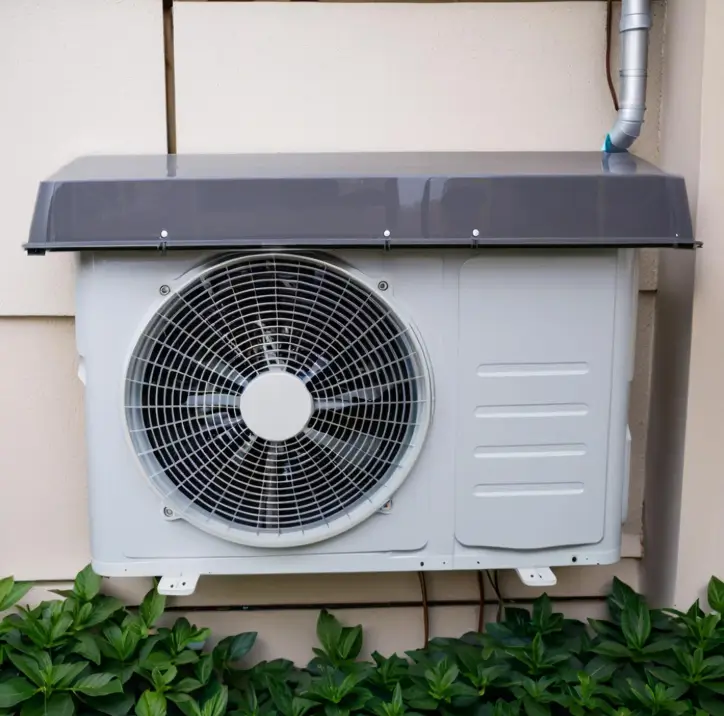
These covers create a physical barrier against weather elements, debris, UV radiation, and accidental impact while maintaining necessary airflow for optimal operation.
Plastic molding advantage: Enables creation of specialized ventilation patterns and structural reinforcements that metal fabrication cannot achieve as efficiently.
System Integration
Modern protective covers are designed with integrated features such as service access panels, mounting brackets, and connection points for seamless integration with HVAC systems.
Plastic molding advantage: Allows for integration of multiple components into a single piece, reducing assembly time and potential failure points.
HVAC Protective Covers: Comprehensive Guide
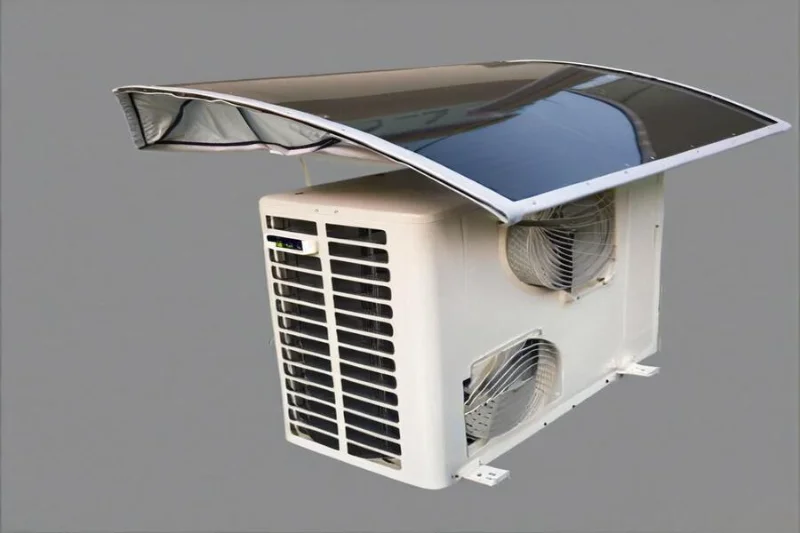
HVAC protective covers are essential components designed to shield HVAC equipment from environmental factors, physical damage, and contaminants. These covers serve both protective and aesthetic purposes, extending equipment lifespan while maintaining professional appearance. They come in various materials, sizes, and configurations to suit different applications, from residential units to large commercial systems. Properly designed protective covers optimize equipment performance, reduce maintenance requirements, and enhance system reliability by preventing dust, debris, moisture, and UV damage.
Key Function: Equipment Protection → Environmental Shielding → Performance Optimization → Lifespan Extension
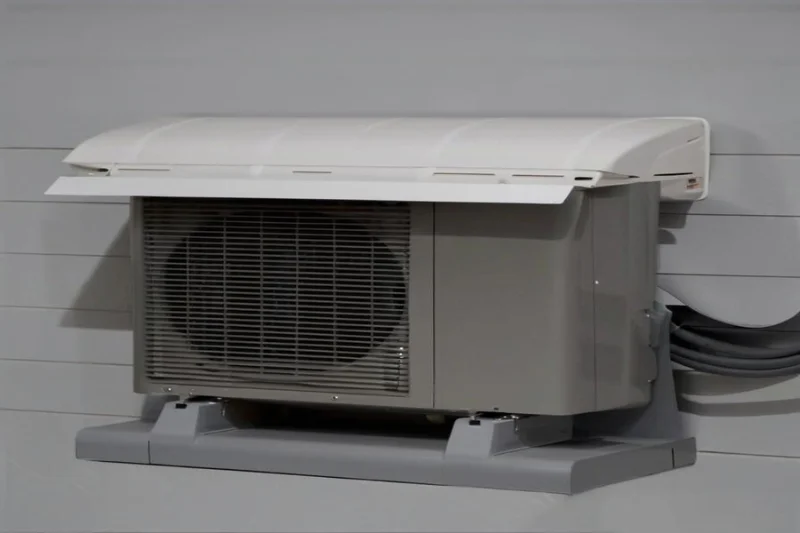
Types & Functions
Outdoor Unit Covers
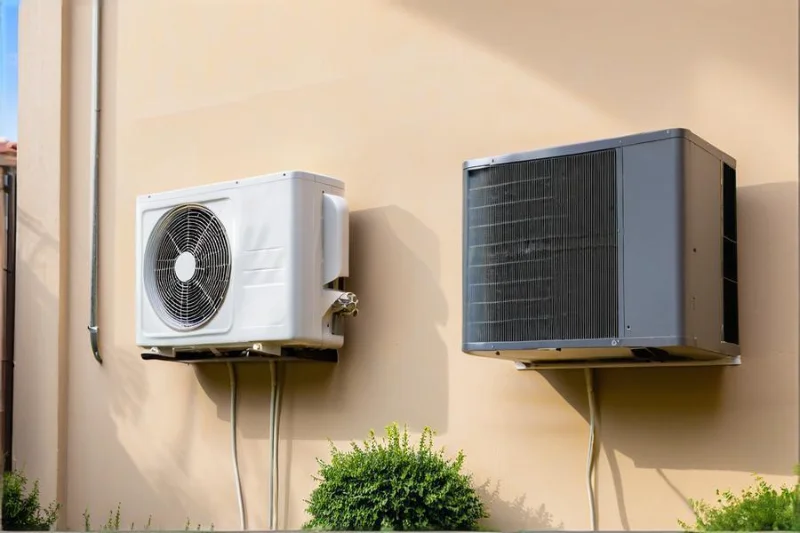
Designed to protect condenser units from weather elements, debris, and physical damage while maintaining proper airflow.
Why it's crucial for HVAC: Extends equipment lifespan by preventing corrosion, coil damage, and component failure from environmental exposure.
Indoor Unit Covers
Protect air handlers and furnaces from dust accumulation and accidental damage while allowing access for maintenance.
Why it's important for HVAC: Maintains indoor air quality by preventing dust infiltration and protects sensitive components from damage.
Ductwork Protection
Shields exposed ductwork from physical damage, temperature fluctuations, and moisture infiltration.
Why it's important for HVAC: Preserves duct integrity, prevents energy loss, and maintains system efficiency by protecting ductwork.
Design & Materials
Material Selection
Common materials include ABS, polycarbonate, HDPE, and UV-stabilized plastics, each offering different benefits in terms of durability, weather resistance, and cost-effectiveness.
Why it's crucial for HVAC: Material choice affects longevity, weather resistance, and ability to withstand temperature extremes without deformation.
Ventilation Design
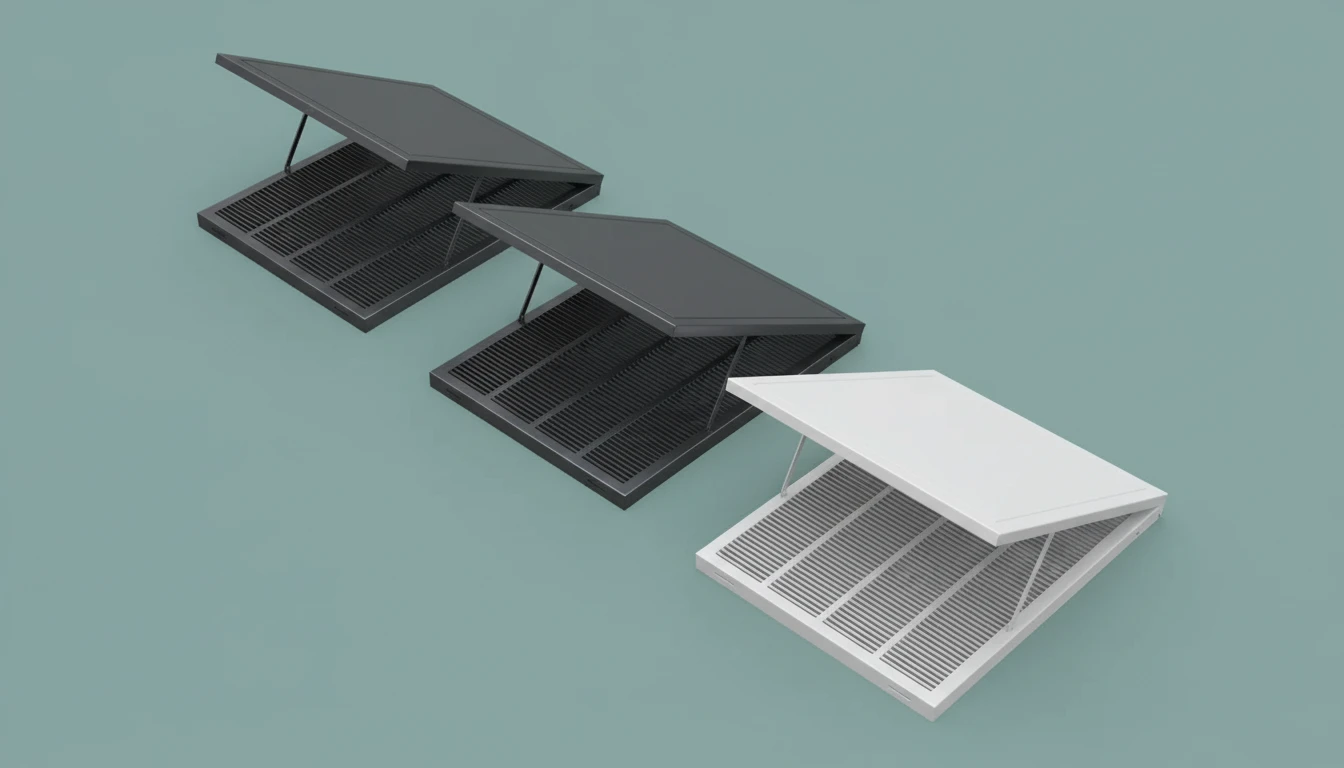
Strategically placed vents and perforations ensure adequate airflow while maintaining protection from debris and large particles.
Низкозатратные покрытия снижают долгосрочные расходы на владение и обеспечивают постоянную защиту без частых перерывов в обслуживании.
Installation Features
Designed with secure mounting mechanisms, easy access panels, and compatibility with various HVAC unit sizes and configurations.
Why it's crucial for HVAC: Easy installation and access ensures proper protection while allowing for routine maintenance without cover removal.
Which Plastic Molding are Suitable for HVAC Protective Covers?
Manufacturing HVAC protective covers requires careful consideration of molding processes to achieve the desired balance of durability, weather resistance, and cost-effectiveness. The selection of the appropriate process depends on factors such as cover size, complexity, required strength, and production volume. This analysis evaluates five common molding processes—Injection Molding, Rotational Molding, Vacuum Forming, Blow Molding, and Compression Molding—to determine their suitability for different types of HVAC protective covers, helping manufacturers make informed decisions based on their specific application needs.
Key Processes: Injection Molding • Rotational Molding • Vacuum Forming • Blow Molding • Compression Molding
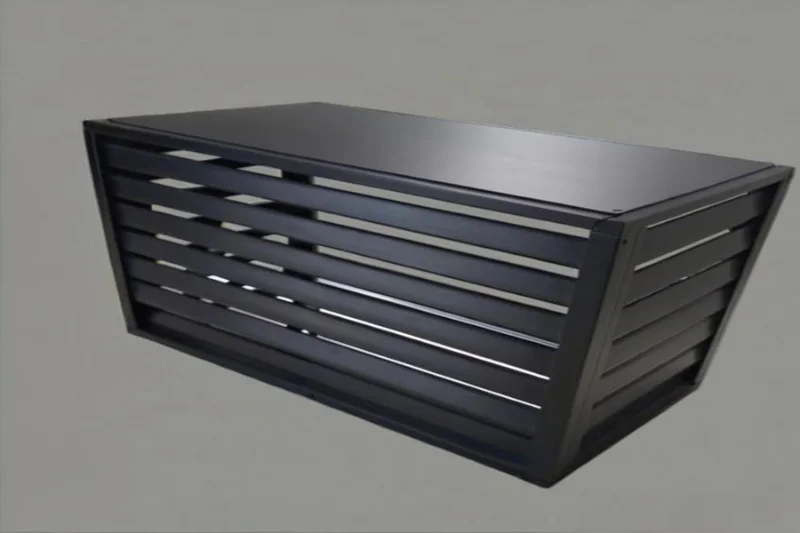
Injection Molding
The most suitable process for manufacturing small to medium-sized protective covers with complex features and high precision requirements.
Rotational Molding
Ideal for large, hollow protective covers with uniform wall thickness and complex shapes.
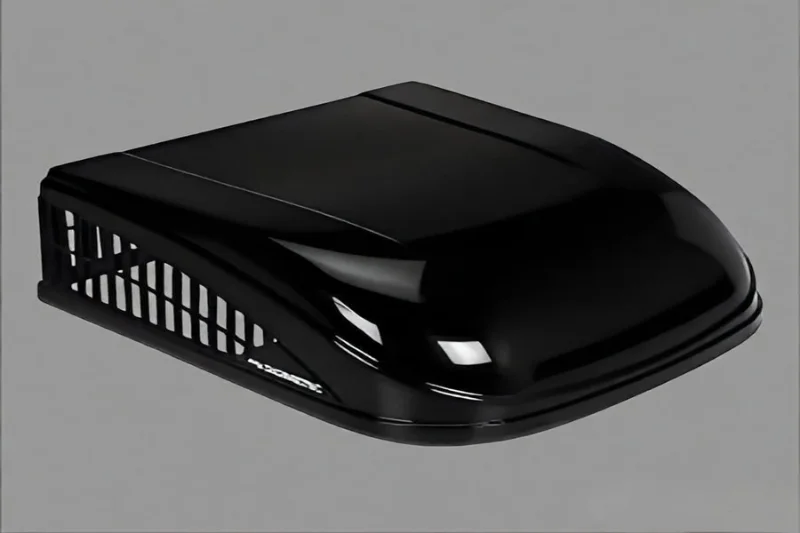
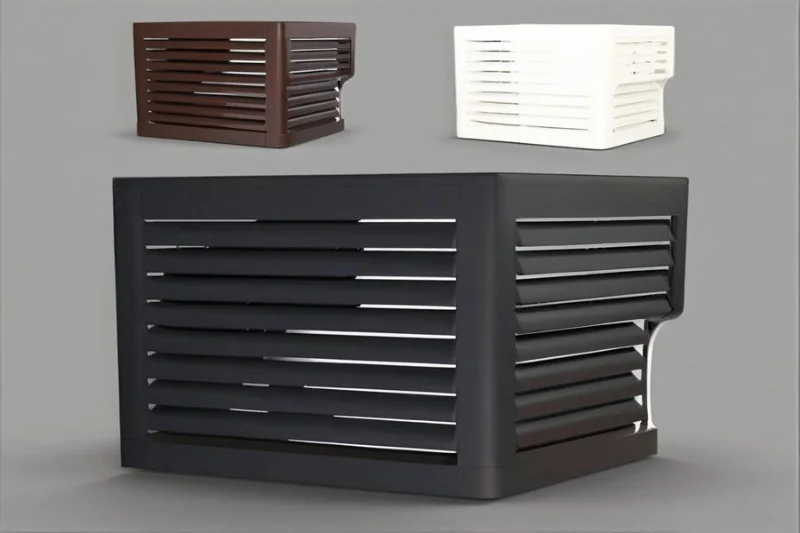
Vacuum Forming
Suitable for large, simple protective covers with basic shapes and minimal complexity requirements.
Blow Molding
Suitable for specific types of protective covers, particularly those requiring hollow structures with uniform walls.
What are the Key Performance for Evaluating HVAC Protective Covers?
Evaluating HVAC protective covers requires a comprehensive assessment of several key performance areas. Protection performance ensures effective shielding against environmental factors and physical damage. Material properties determine the cover's durability and longevity under various conditions. Installation and maintenance metrics evaluate the practicality of using the cover in real-world applications. Finally, cost-effectiveness and other factors like aesthetics and customization options determine the overall value and suitability of the cover for specific applications.
Key Dimensions: Protection Performance • Material Properties • Installation & Maintenance • Cost-Effectiveness & Others
| Key Metric | What It Is | Why It Matters |
|---|---|---|
| 🛡️ Protection Performance | ||
| Weather Resistance | The ability to withstand various weather conditions including rain, snow, wind, UV radiation, and temperature extremes. | Critical for outdoor units. Proper weather resistance prevents premature degradation, maintains appearance, and ensures long-term protection of HVAC equipment. |
| Impact Resistance | The ability to withstand physical impacts from debris, tools, or accidental contact without cracking or breaking. | Essential for protecting equipment in high-traffic areas or locations prone to falling debris. Prevents costly damage to sensitive HVAC components. |
| Ingress Protection (IP) Rating | A two-digit code that defines the level of protection against solid objects (like dust) and liquids (like water spray). | Indicates how well the cover prevents dust, moisture, and other contaminants from reaching the HVAC equipment. Higher IP ratings provide better protection in harsh environments. |
| Более высокая стоимость сырья по сравнению с АБС; несколько меньшая ударная прочность при низких температурах. | The resistance to degradation from ultraviolet radiation, measured by retention of mechanical properties and appearance after UV exposure. | Crucial for outdoor applications. UV-stable covers maintain their structural integrity and appearance, preventing brittleness, cracking, and discoloration over time. |
| 🔬 Material Properties | ||
| Temperature Resistance | The ability to maintain structural integrity and mechanical properties across a range of temperatures (typically -40°F to 200°F for HVAC applications). | Ensures the cover won't warp, crack, or become brittle in extreme temperatures, maintaining consistent protection throughout seasonal changes. |
| Chemical Resistance | The resistance to degradation from exposure to various chemicals, oils, solvents, and cleaning agents. | Important for industrial environments or areas where the cover may come into contact with chemicals. Prevents material breakdown and maintains appearance. |
| Flame Retardancy | The material's resistance to ignition and ability to self-extinguish, often measured by UL 94 ratings or similar standards. | Critical safety feature, especially for indoor applications or areas with fire codes. Flame-retardant materials reduce fire risk and comply with building regulations. |
| 🔧 Installation & Maintenance | ||
| Ease of Installation | The simplicity and speed of installing the cover, including required tools, time, and technical expertise. | Reduces installation costs and minimizes disruption to HVAC operations. User-friendly designs ensure proper installation and consistent protection. |
| Maintenance Requirements | The frequency and complexity of cleaning, inspection, and replacement needed to maintain optimal performance. | Low-maintenance covers reduce long-term ownership costs and ensure consistent protection without frequent service interruptions. |
| Жёсткий и прочный: обеспечивает длительный срок службы при минимальном обслуживании. | The design features that allow easy access to HVAC equipment for routine maintenance without complete cover removal. | Balances protection with practicality. Well-designed access points ensure technicians can service equipment efficiently while maintaining protection when not in use. |
| 💰 Cost-Effectiveness & Other Factors | ||
| Cost-Effectiveness | The balance between initial purchase price, expected lifespan, maintenance costs, and protection value. | Determines the overall value proposition. A cost-effective cover provides adequate protection at a reasonable total cost of ownership over its lifespan. |
| Aesthetics & Customization | The visual appearance of the cover and options for customization in terms of color, finish, and branding. | Important for visible installations. Aesthetically pleasing covers enhance property value and can be customized to match building aesthetics or corporate branding. |
| Warranty & Support | The manufacturer's warranty period and the availability of technical support or replacement parts. | Indicates manufacturer confidence in product quality and provides assurance against premature failure, reducing long-term risk and ownership costs. |
What are the Common Plastics Used for HVAC Protective Covers?
When selecting materials for your HVAC protective covers, you have four excellent options to consider. ABS offers the perfect balance of impact resistance and surface finish for most indoor applications, though it needs UV protection for outdoor use. If you need superior durability in high-traffic areas, PC provides exceptional strength and heat resistance. For budget-conscious projects, PP delivers chemical resistance at the lowest cost. When weather exposure is your primary concern, PVC stands out with its natural UV resistance and flame retardancy. Your choice ultimately depends on your specific needs: location, budget, safety requirements, and aesthetic preferences.
Key Materials: ABS • PC • PP • PVC
ABS (Acrylonitrile Butadiene Styrene)
ABS is the workhorse of the industry and one of the most commonly used plastics for HVAC protective covers, especially for indoor applications.
Key Properties:
- Excellent impact resistance: Tough and durable, resistant to cracking or breaking from physical impact.
- Good rigidity and strength: Maintains its shape well under load.
- Superior surface finish: Can be manufactured with a high-gloss, smooth, or textured surface, making it ideal for visible parts.
- Cost-effective: Offers a great balance of performance and price, making it perfect for high-volume applications.
- Easy to process: Flows well in injection molding machines, allowing for complex shapes and fine details.
Common Applications:
- Indoor unit protective covers for air conditioners
- Decorative covers where aesthetics are important
- Control panel housings for HVAC units
- Filter housing covers
Limitation: Standard ABS has poor UV resistance and can become brittle and yellow when exposed to direct sunlight over time. For outdoor use, it must be formulated with UV stabilizers.
PC (Polycarbonate)
Polycarbonate is a high-performance engineering plastic chosen for applications requiring superior strength and safety.
Key Properties:
- Exceptional impact strength: Virtually unbreakable, making it ideal for high-traffic areas or where safety is paramount.
- High heat resistance: Can withstand higher temperatures than ABS without deforming.
- Transparency: Can be manufactured clear, which is useful for decorative or indicator elements.
- Excellent dimensional stability: Maintains its precise shape and size across a range of temperatures.
Common Applications:
- High-end commercial HVAC covers in public spaces (airports, hospitals)
- Covers in areas prone to physical impact (gyms, workshops)
- Transparent or translucent protective covers for display units
- Components that must meet stringent fire and safety codes
Limitation: More expensive than ABS and can be more challenging to process (requires higher injection temperatures and is prone to stress cracking if not designed properly).
PP (Polypropylene)
Polypropylene is a versatile and economical plastic known for its chemical resistance and fatigue endurance.
Key Properties:
- Low cost: One of the most inexpensive commodity plastics.
- Excellent chemical resistance: Resists damage from most acids, alkalis, and organic solvents.
- Good fatigue resistance: Possesses a "living hinge" property, making it perfect for integral hinges or moving parts.
- Lightweight: Has a low density, reducing the overall weight of the final product.
Common Applications:
- Simple, non-decorative protective covers for utility units
- Exhaust fan covers and protective housings
- Covers for budget-friendly or disposable HVAC systems
- Components with integrated living hinges
Limitation: Has a lower surface finish quality compared to ABS and can feel waxy. It also has poor UV resistance and can become brittle at low temperatures.
PVC (Polyvinyl Chloride)
PVC is a durable plastic with excellent weatherability, making it a top choice for outdoor applications.
Key Properties:
- Outstanding weather & UV resistance: Naturally resistant to sunlight, rain, and temperature fluctuations.
- Inherent flame retardancy: It is self-extinguishing, which is a significant advantage for meeting building fire codes.
- Good chemical resistance: Similar to PP, it resists degradation from many chemicals.
- Rigid and durable: Provides a long service life with minimal maintenance.
Common Applications:
- Недостаточное давление или время упаковки
- Weatherproof housing for outdoor HVAC components
- Foundation and crawl space protective covers
- Any application requiring long-term exposure to the elements
Limitation: Can be more brittle than ABS or PC and has a less premium feel. Processing requires careful control to avoid degradation.
Comparison at a Glance
| Material | Key Strengths | Best For |
|---|---|---|
| ABS | Impact resistance, surface finish, cost-effectiveness | The all-around choice for most indoor applications |
| Термопласты для компонентов систем отопления, вентиляции и кондиционирования | Superior impact strength, heat resistance | When durability and safety are the top priorities |
| Следующие сценарии применения демонстрируют, где | Low cost, chemical resistance, fatigue resistance | Cost-sensitive applications and parts with moving hinges |
| PVC | Excellent UV/weather resistance, flame retardant | Any component that will be permanently exposed outdoors |
Special Additives and Grades
To enhance these base plastics, manufacturers often use special formulations:
- UV-Stabilized Grades: Plastics (especially ABS and PP) are compounded with UV absorbers and inhibitors to prevent degradation and yellowing from sun exposure.
- Flame-Retardant (FR) Grades: Additives are mixed into the plastic to meet strict fire safety standards (e.g., UL 94 V-0).
- Glass-Filled (GF) Grades: Adding glass fibers to plastics like PP or ABS significantly increases their rigidity, strength, and heat resistance.
- Antimicrobial Additives: Silver ion or other antimicrobial agents can be embedded into the plastic to inhibit the growth of bacteria and mold.
What are Mold Design Considerations for HVAC Protective Covers?
Effective mold design is critical for producing high-quality HVAC protective covers that meet both functional and aesthetic requirements. The design process must balance precision engineering with manufacturability, considering factors such as material flow, cooling efficiency, and ejection mechanisms. Advanced mold designs enable the integration of multiple functions into a single component, reducing assembly steps and improving product reliability. Understanding these considerations is essential for optimizing production efficiency, minimizing defects, and ensuring the final product performs as intended in HVAC applications.
Key Focus: Precision Engineering • Manufacturability • Functional Integration • Production Efficiency
Mold Design & Manufacturability
Gate Design
The position and type of gate (point gate, edge gate, submarine gate) significantly affect product appearance, weld line location, and internal stress.
Why it's crucial: Proper gate placement minimizes visible marks and ensures structural integrity of protective covers.
Cooling System
Efficient cooling channel design reduces cycle time, lowers costs, and ensures dimensional stability while minimizing warpage.
Why it's crucial: Optimized cooling is essential for high-volume production of consistent, high-quality covers.
Ejection System
Design of ejector pins and slide mechanisms enables safe, damage-free demolding of complex structures like clips and fasteners.
Why it's crucial: Proper ejection prevents damage to delicate features and maintains production efficiency.
Parting Line Selection
Strategic placement of parting lines (where mold halves meet) in inconspicuous locations enhances product aesthetics.
Why it's crucial: Well-planned parting lines improve visual appeal and reduce post-processing requirements.
Integrated Functionality
Integrated Fastening Systems
Precision mold design enables clips and fasteners to be formed directly with the cover, reducing assembly steps.
Why it's crucial: Integrated fastening systems reduce assembly costs and improve reliability by eliminating separate components.
"Living Hinge" Design
Using materials like PP, integrated hinges can be designed for access panels or cover doors that require repeated opening and closing.
Why it's crucial: Living hinges eliminate the need for separate hardware, reducing costs and simplifying installation.
Integrated Ventilation Features
Ventilation slots and air channels can be directly designed into covers for proper airflow without additional components.
Why it's crucial: Integrated ventilation features ensure proper operation of HVAC units while maintaining protection.
Sealing Rib Design
Precise molding creates fine structures for sealing gaskets, ensuring weatherproof performance without additional components.
Why it's crucial: Integrated sealing features improve energy efficiency by preventing air and water infiltration.
Design for Manufacturability (DFM)
1
Wall Thickness Uniformity
Maintaining consistent wall thickness prevents sink marks, warping, and internal stress, ensuring dimensional stability and visual quality of protective covers.
2
Draft Angles
All vertical surfaces require appropriate draft angles (typically 1-3°) to facilitate ejection from the mold without damaging the part or the mold itself.
3
Avoiding Sharp Corners
Using rounded corners instead of sharp angles reduces stress concentration, improves product strength, and enhances plastic flow during injection.
How to Control Quality and Prevent Defects in HVAC Protective Covers?
When sourcing HVAC components, consistent quality directly impacts your reputation and customer satisfaction. A comprehensive quality control system addresses common defects in plastic molding before they become your problems, ensuring every protective cover meets your exact specifications. This approach prevents issues like sink marks, warping, and flow lines that could compromise installation and performance. By implementing rigorous inspection protocols from material verification to final testing, you receive components that maintain dimensional accuracy, structural integrity, and optimal protective characteristics. This proactive quality management protects your projects from costly rework and warranty claims while ensuring reliable long-term performance of your HVAC systems.
Quality Focus: Defect Prevention • Process Control • Precision Testing
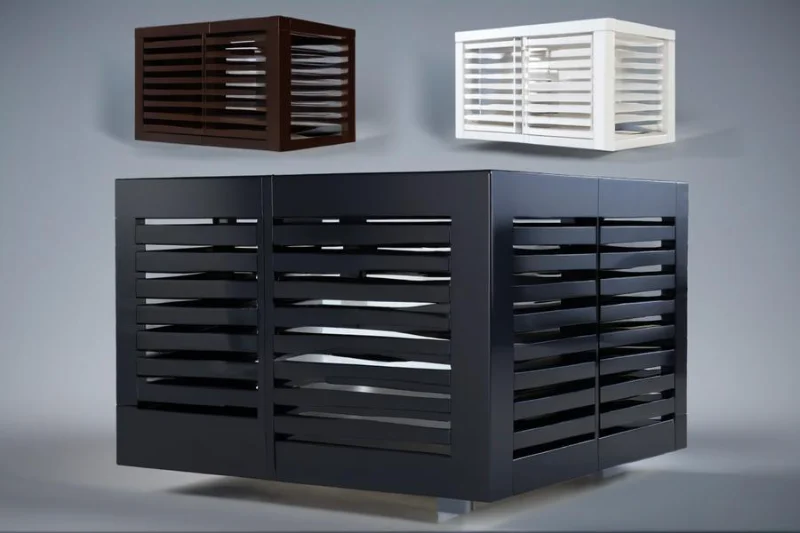
Common Defect Analysis & Solutions
Understanding potential defects helps you evaluate suppliers more effectively. Here's how we prevent the most common issues that can compromise your product quality.
Sink Marks
Small depressions that appear on thicker sections of molded parts, affecting both appearance and structural integrity.
Common Causes:
- Uneven wall thickness in part design
- Insufficient packing pressure or time
- Почему это важно: не рекомендуется для использования на открытом воздухе или в помещениях с длительным прямым воздействием солнечных лучей.
- Premature gate solidification
Solutions:
- Optimize wall thickness uniformity in design phase
- Implement proper packing pressure profile
- Adjust melt and mold temperature parameters
- Redesign gate location and size for optimal flow
Warping
Deformation of the molded part where it doesn't maintain the intended shape, causing installation issues and performance problems.
Common Causes:
- Uneven cooling of the part
- High internal stresses from improper flow
- Material shrinkage variations
- Improper ejection mechanism design
Solutions:
- Design uniform cooling channels in mold
- Optimize injection speed and pressure profile
- Select materials with lower shrinkage rates
- Implement proper ejection system design
Weld Lines
Visible lines where two flow fronts meet but don't properly bond, creating weak points that can lead to product failure.
Common Causes:
- Multiple flow paths from complex part geometry
- Low melt temperature at flow front
- Trapped air or gases at flow front meeting point
- Inadequate venting in the mold
Solutions:
- Optimize gate location to minimize flow fronts
- Increase melt temperature and injection speed
- Implement proper venting system in mold design
- Use flow simulation software to predict and prevent
Flow Marks
Wavy patterns or streaks on the surface of the part, typically near the gate area, affecting product appearance and perceived quality.
Common Causes:
- Low melt temperature causing premature solidification
- Too slow injection speed
- Excessive moisture in material
- Improper gate design or location
Solutions:
- Increase melt temperature within material specifications
- Optimize injection speed profile
- Ensure proper material drying before processing
- Redesign gate for optimal flow characteristics
Quality Assurance Process
First Article Inspection (FAI)
FAI Includes:
- Complete dimensional verification using CMM
- Material certification and property testing
- Visual inspection for surface defects
- Functional testing of fastening systems
- Fit and finish verification
FAI Benefits:
- Identifies issues before mass production
- Establishes baseline quality standards
- Validates tooling and process parameters
- Reduces costly rework and scrap
- Ensures your requirements are met
In-Process Quality Control (IPQC)
Monitored Parameters:
- Injection pressure and speed profiles
- Melt and mold temperatures
- Cooling time and cycle consistency
- Part weight and dimensional stability
- Visual defect detection
Control Methods:
- Statistical Process Control (SPC) charts
- Automated vision inspection systems
- Regular sampling and measurement
- Real-time parameter monitoring
- Operator training and standardized procedures
Advanced Testing Equipment
Лучшее приложение
- Coordinate Measuring Machine (CMM): Provides precise 3D measurements with accuracy up to ±0.002mm
- Optical Comparators: For 2D profile verification of complex geometries
- Digital Calipers & Micrometers: For routine dimensional checks
- 3D Scanning Systems: For comprehensive surface analysis
Performance Testing:
- Fit Testing Stations: Verify proper fit with HVAC units
- Fastening Strength Testers: Verify integrity of clips and fasteners
- Durability Testing Equipment: Simulate long-term use of moving parts
- Environmental Chambers: Test performance under various temperature/humidity conditions
What are the Advantages and Disadvantages of HVAC Protective Covers?
Plastic HVAC protective covers offer a unique set of advantages, making them a strong contender in many applications. Their cost-effectiveness, corrosion resistance, and lightweight nature make them ideal for specific environments. However, they also have distinct limitations, particularly regarding heat resistance and mechanical durability, which must be carefully considered. The choice between plastic and other materials ultimately depends on a balance between budget, environmental conditions, and performance requirements.
Key Trade-off: Cost & Corrosion Resistance vs. Heat Resistance & Durability
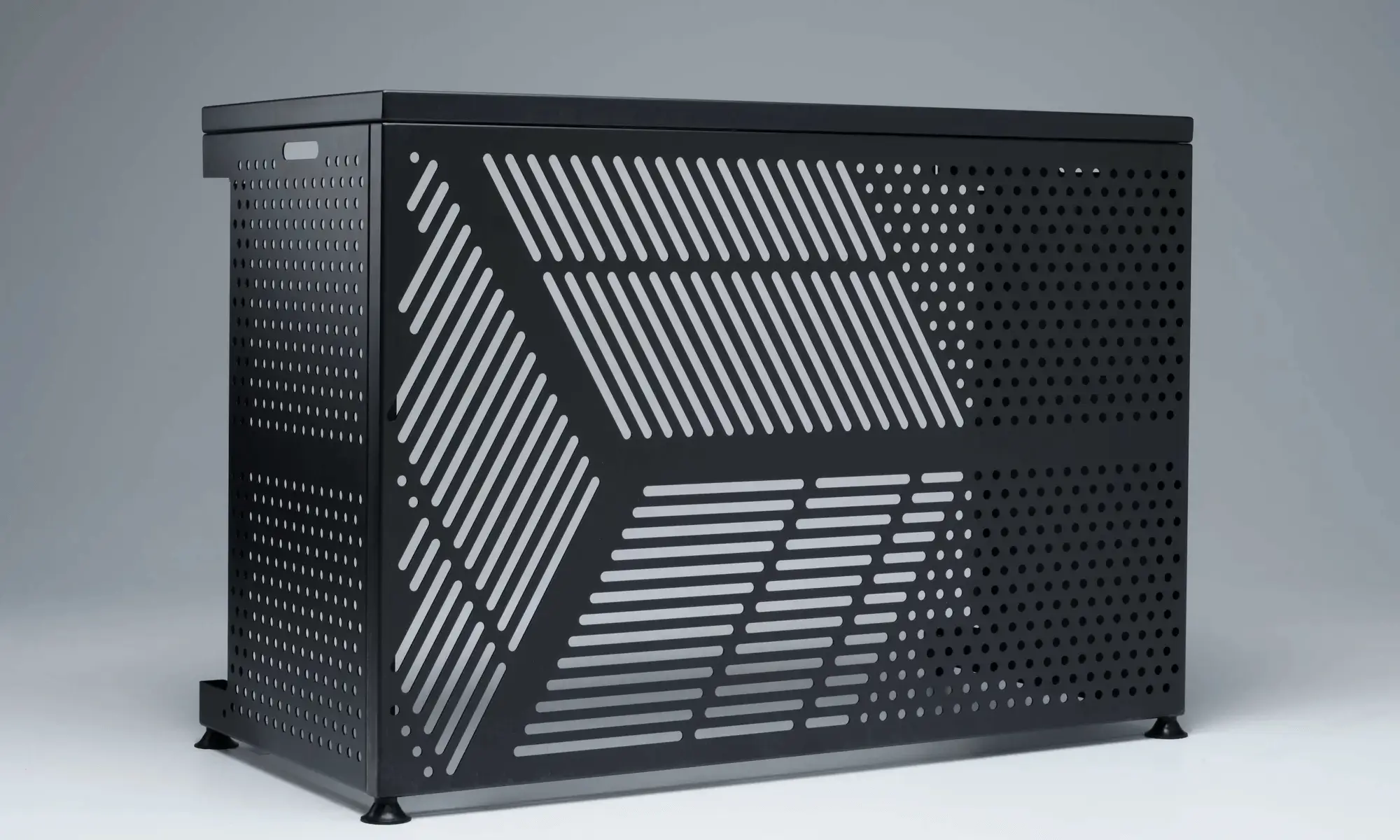
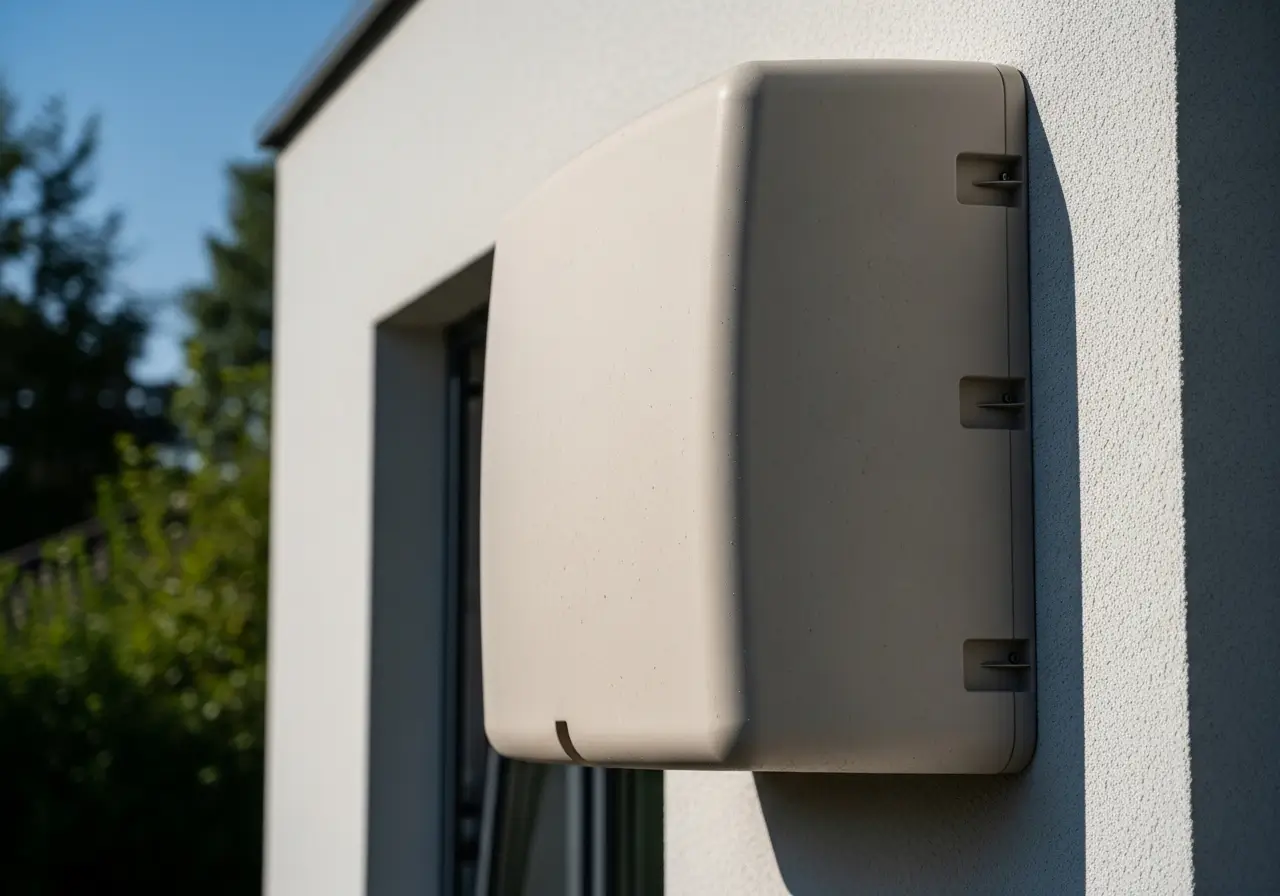
Advantages
Cost-Effectiveness
Plastic's most significant advantage is its affordability. Raw materials and manufacturing processes like injection molding are typically cheaper than metals.
Why it's crucial: Lower initial investment and reduced installation costs make it ideal for budget-conscious projects.
Corrosion Resistance
Plastic is inherently resistant to environmental factors that degrade metals, such as moisture and chemical vapors.
Why it's crucial: Perfect for humid areas like bathrooms, kitchens, and coastal regions without needing protective coatings.
Lightweight & Easy Handling
Plastic covers are significantly lighter than their metal counterparts, simplifying transport, handling, and installation.
Why it's crucial: Reduces installer fatigue, minimizes structural load, and lowers the risk of injury during installation.
Disadvantages
Limited Heat Resistance
This is the most significant drawback. Standard PVC has a low heat deflection temperature (~65°C / 149°F) and can warp under hot air.
Why it's crucial: Not suitable for heating systems with very high supply air temperatures; metal remains the safer choice.
Lower Mechanical Strength
Plastic is generally not as strong as metal, making it more susceptible to damage from impact and potential sagging over long spans.
Why it's crucial: Can be brittle and crack upon impact, and may require more support for larger covers.
Susceptible to UV Damage
When exposed to direct sunlight, plastic degrades, leading to fading, yellowing, and becoming brittle over time.
Why it's crucial: Not recommended for outdoor use or indoor areas with prolonged, direct sun exposure.
Продвинутые механизмы пресс-форм:
| Feature | PVC (Polyvinyl Chloride) | ABS (Acrylonitrile Butadiene Styrene) |
|---|---|---|
| Heat Resistance | Poor. Prone to warping in heating mode (~65°C / 149°F). | Good. More heat resistant (~95°C / 203°F). |
| Fire Resistance | Excellent. Naturally flame-retardant. | Poorer. Requires flame-retardant additives. |
| UV/Aging Resistance | Poor. Prone to yellowing and becoming brittle. | Fair to Good. Better than PVC, especially with inhibitors. |
| Cost | Lower. More economical choice. | Higher. More expensive than PVC. |
| Best Application | Large commercial projects, cooling-focused applications, areas with strict fire codes. | Residential, areas with both heating and cooling, where aesthetics are very important. |
Frequently Asked Questions
Find answers to your key concerns in HVAC protective covers injection molding FAQ. Get expert guidance on selecting the right materials—ABS, PC, PP, or PVC—for your specific application requirements. Explore precision mold design for complex cover structures, ensuring strict dimensional tolerances within ±0.1mm and efficient production cycles of 15-30 seconds. Discover comprehensive solutions that meet both your functional performance and aesthetic needs, with various surface finishes and color options to perfectly match your HVAC system requirements.
Key Services: Material Selection • Precision Mold Design • Complex Geometry • Quality Control • Surface Finishes
Which Plastic Material is Best for HVAC Protective Covers?
Customer concern: Material selection for optimal performance and cost-effectiveness.
+
Which Plastic Material is Best for HVAC Protective Covers?
Customer concern: Material selection for optimal performance and cost-effectiveness.
Our Solutions:
Material Recommendations Based on Application:
We recommend materials based on your specific requirements:
| Material | Best For | Key Properties |
|---|---|---|
| ABS | General purpose indoor covers | Good impact resistance, surface finish, cost-effective |
| Термопласты для компонентов систем отопления, вентиляции и кондиционирования | High-traffic areas, safety-critical applications | Superior impact strength, heat resistance |
| Следующие сценарии применения демонстрируют, где | Budget applications, living hinges | Low cost, chemical resistance, fatigue resistance |
| PVC | Outdoor applications, flame-retardant needs | UV resistance, natural flame retardancy |
Can You Produce Covers with Complex Fastening Systems?
Customer concern: Manufacturing capability for intricate designs and complex geometries.
+
Can You Produce Covers with Complex Fastening Systems?
Customer concern: Manufacturing capability for intricate designs and complex geometries.
Our Solutions:
Advanced Mold Design:
We specialize in complex mold designs with multiple sliders, lifters, and core pulls to create intricate fastening systems and integrated clips.
Precision Engineering:
Our engineering team uses advanced CAD/CAM software to design molds that can produce covers with precise fastening mechanisms while maintaining structural integrity.
Case Examples:
We have successfully produced covers with integrated snap-fit clips, tool-free installation systems, and complex sealing mechanisms that require advanced mold designs.
How Do You Ensure Proper Fit with HVAC Units?
Customer concern: Product functionality and performance consistency.
+
How Do You Ensure Proper Fit with HVAC Units?
Customer concern: Product functionality and performance consistency.
Our Solutions:
Precision Manufacturing:
We maintain tight dimensional tolerances (±0.1mm) to ensure consistent fit with HVAC units, preventing gaps or misalignment.
Quality Testing:
Our quality control process includes fit testing with actual HVAC units to verify that each cover provides proper protection and installation.
Design Optimization:
We can optimize cover designs to balance protective function with ease of installation, ensuring efficient protection without compromising accessibility.
Can You Produce Custom-Colored Covers to Match Interior Design?
Customer concern: Aesthetic integration and customization options.
+
Can You Produce Custom-Colored Covers to Match Interior Design?
Customer concern: Aesthetic integration and customization options.
Our Solutions:
Color Matching:
We offer custom color matching services using Pantone, RAL, or customer-provided samples to ensure perfect color coordination with interior design elements.
Material Integration:
Colors are integrated directly into the plastic material, ensuring consistent color throughout the part and resistance to fading or scratching.
Surface Finish Options:
We offer various surface finishes including matte, gloss, textured, and metallic effects to complement different interior design styles.
What's the Typical Production Cycle Time for Protective Covers?
Customer concern: Production efficiency and delivery timelines.
+
What's the Typical Production Cycle Time for Protective Covers?
Customer concern: Production efficiency and delivery timelines.
Our Solutions:
Cycle Time Range:
Production cycle times typically range from 15-30 seconds, depending on part complexity, size, and material.
Efficiency Optimization:
Рамы и крышки фильтров HVAC — профессиональные пластиковые компоненты | HVACore.
Multi-Cavity Options:
For high-volume production, we offer multi-cavity molds that can produce multiple parts per cycle, significantly increasing output efficiency.
How Do You Prevent Common Defects Like Warping or Sink Marks?
Customer concern: Product quality and defect prevention.
+
How Do You Prevent Common Defects Like Warping or Sink Marks?
Customer concern: Product quality and defect prevention.
Our Solutions:
Design for Manufacturability:
We ensure uniform wall thickness, proper draft angles, and appropriate rib designs to minimize stress concentration and uneven cooling.
Optimized Cooling System:
Our molds feature strategically placed cooling channels to ensure uniform temperature distribution and controlled solidification.
Process Control:
We maintain precise control over injection parameters including temperature, pressure, and cooling time to prevent defects.
Can You Produce Covers with Integrated Features Like Ventilation or Access Panels?
Customer concern: Product functionality and integration capabilities.
+
Can You Produce Covers with Integrated Features Like Ventilation or Access Panels?
Customer concern: Product functionality and integration capabilities.
Our Solutions:
Integrated Functionality:
We can design and produce covers with integrated ventilation slots, access panels, and other functional features as a single molded component.
Advanced Mold Mechanisms:
Защитные чехлы для систем HVAC | Погодоустойчивые решения | HVACore.
Multi-Material Options:
For certain applications, we offer multi-material or overmolding solutions to combine rigid frames with flexible seals or hinges.
What Quality Control Measures Do You Implement for Protective Covers?
Customer concern: Quality assurance and consistency.
+
What Quality Control Measures Do You Implement for Protective Covers?
Customer concern: Quality assurance and consistency.
Our Solutions:
Dimensional Inspection:
We use coordinate measuring machines (CMM) and optical inspection systems to verify critical dimensions and ensure consistency with design specifications.
Visual Inspection:
Our quality team conducts thorough visual inspections to check for surface defects, color consistency, and overall appearance.
Functional Testing:
We perform functional tests including fit testing, fastening strength, and accessibility to ensure proper functionality.