
統合された機能的特徴 Louvers
Precision-engineered HVAC air distribution systems with advanced airflow control. Custom-designed outlets and louvers for optimal air pattern management and energy efficiency.
Table of Contents
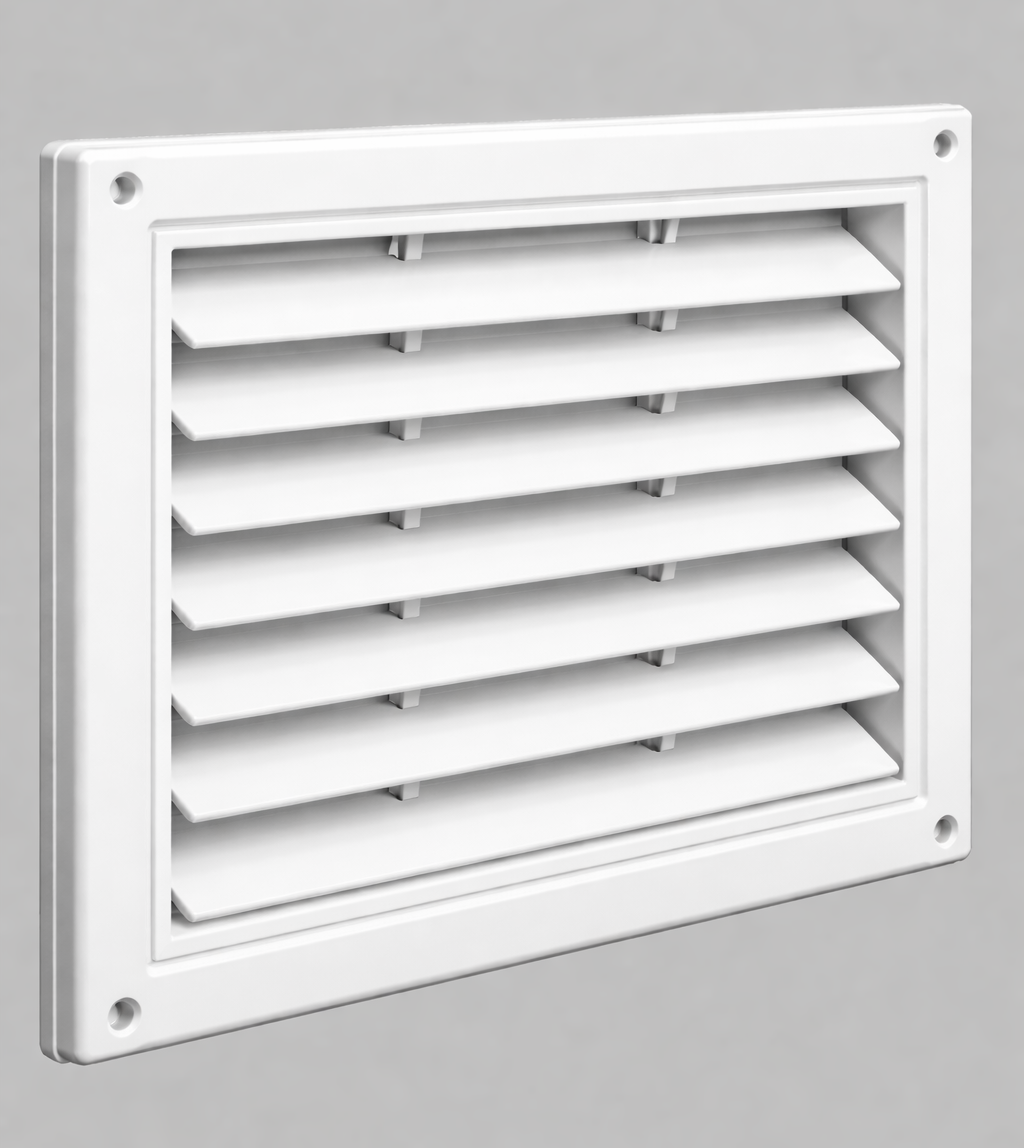
What are Air Outlets & Louvers?
Air outlets and louvers are critical components in HVAC systems designed to control and direct the flow of conditioned air into occupied spaces. These components combine functional performance with aesthetic design, ensuring optimal air distribution while maintaining visual harmony with interior architecture. Air outlets serve as the termination points for ductwork, delivering conditioned air with precise control over direction and volume, while louvers are specialized elements with angled slats that deflect and distribute airflow patterns. Available in various materials, configurations, and finishes, these components are engineered to balance acoustic performance, energy efficiency, and occupant comfort in both residential and commercial applications.
Key Function: Air Delivery → Flow Direction → Velocity Control → Comfort Enhancement
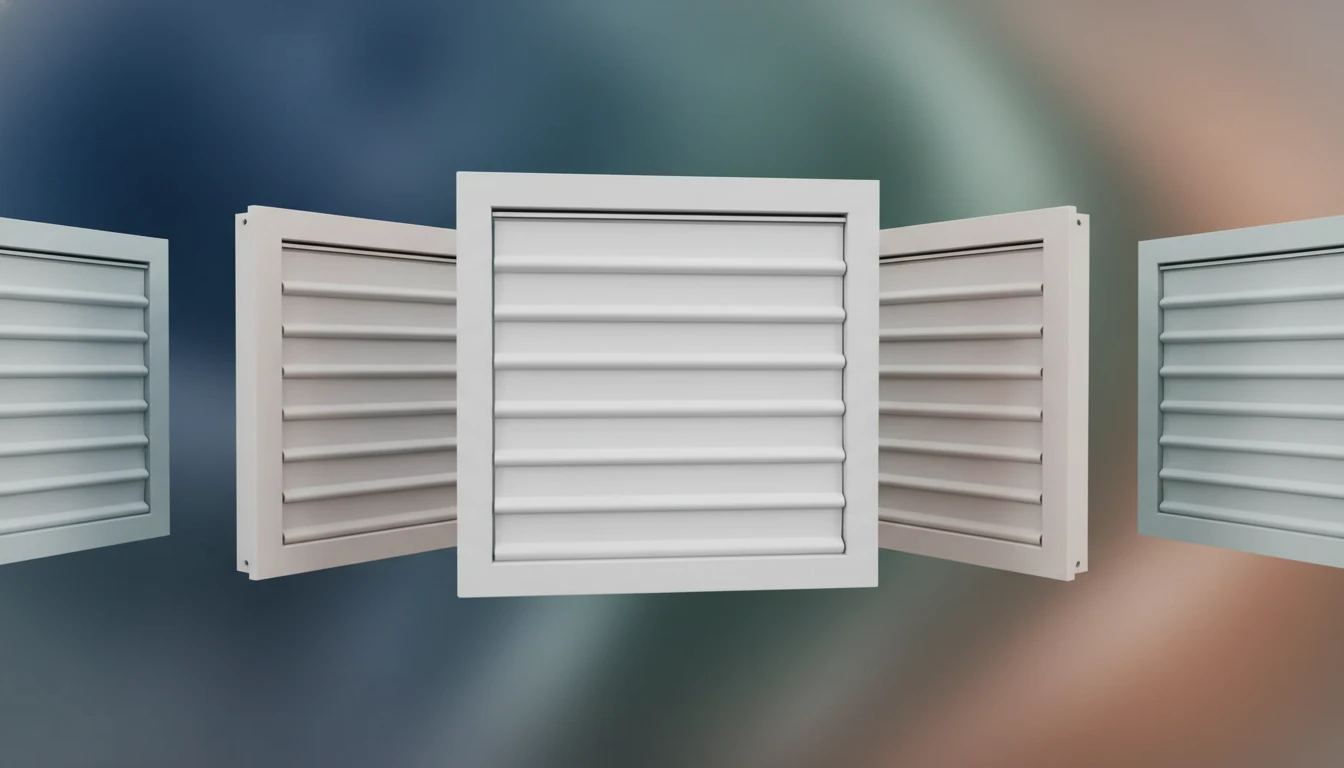
Types & Functions
Supply Outlets
These deliver conditioned air from the HVAC system into spaces, featuring adjustable mechanisms to control airflow direction, volume, and pattern for optimal comfort.
Why it's crucial for HVAC: Proper supply outlets ensure even temperature distribution and prevent drafts or dead zones in occupied areas.
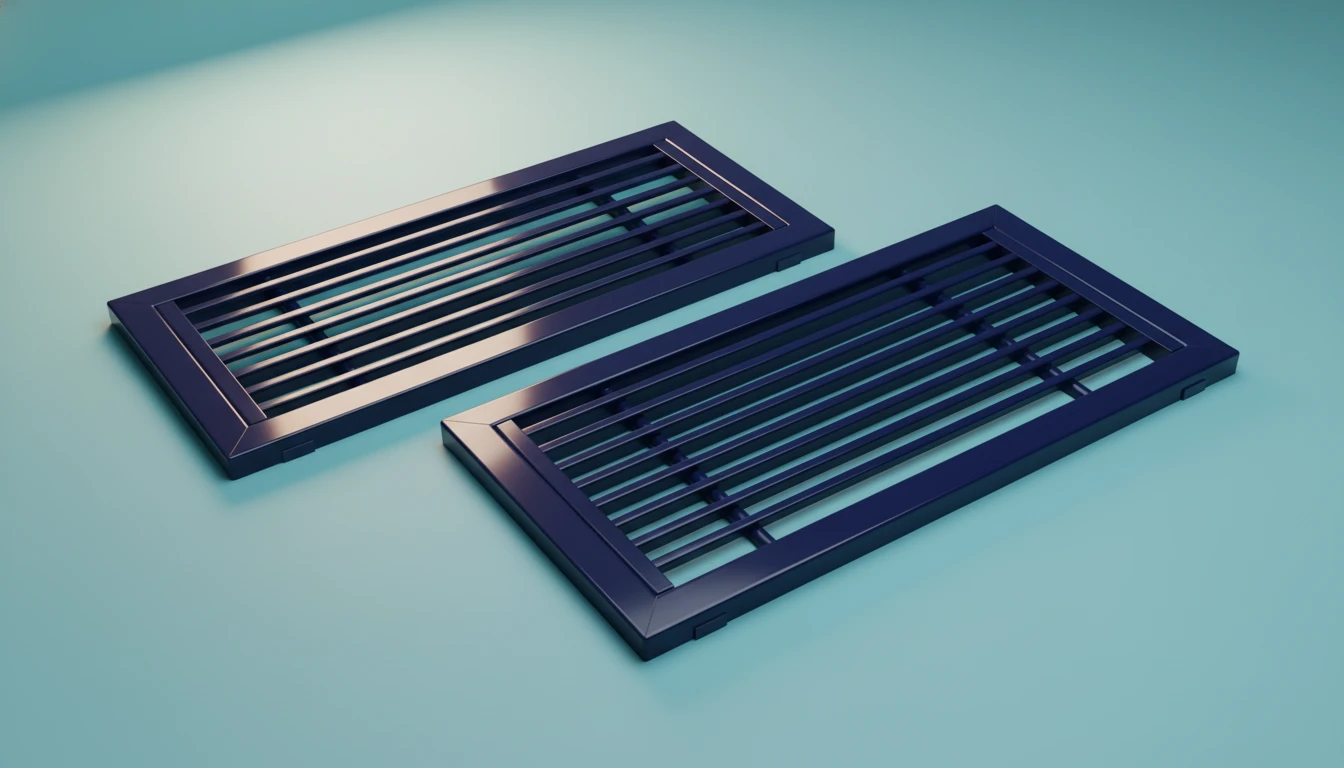
Linear Slot Diffusers
Long, narrow outlets that create a continuous air distribution pattern, ideal for modern architectural designs requiring seamless integration with ceilings or walls.
Why it's important for HVAC: These provide uniform air distribution with minimal visual impact, enhancing both comfort and aesthetics.
Perforated Face Diffusers
Feature multiple small openings that create a gentle, low-velocity air distribution pattern, ideal for spaces requiring minimal air movement and noise.
Why it's important for HVAC: These provide draft-free air distribution in sensitive environments like hospitals, offices, and residential spaces.
Design & Materials
Material Selection
High-grade plastics like ABS, polycarbonate, and flame-retardant materials are commonly used, offering excellent durability, weight advantages, and design flexibility.
Why it's crucial for HVAC: Material choice affects longevity, acoustic performance, and compatibility with different environmental conditions.
Louver Configuration
The angle, spacing, and shape of louvers are engineered to create specific airflow patterns, from concentrated jets to wide dispersion, based on application requirements.
Why it's crucial for HVAC: Proper louver design ensures optimal air distribution without creating drafts or uncomfortable air velocities.
Acoustic Engineering
Advanced designs incorporate aerodynamic principles and sound-dampening features to minimize noise generation while maintaining efficient air distribution.
Why it's crucial for HVAC: Proper acoustic engineering enhances occupant comfort by reducing system noise without compromising airflow performance.
What is the Difference Between Air Outlets and Louvers?
While both air outlets and louvers are essential for HVAC air distribution, they serve distinct functions in system design. An air outlet is the complete assembly that serves as the termination point of ductwork, incorporating various mechanisms to control and direct airflow into a space. A louver, in contrast, is specifically the component with angled slats or blades that deflect and shape the airflow pattern. Louvers are often integral parts of air outlets but can also be standalone elements used for aesthetic or functional purposes. Understanding this distinction is crucial for HVAC professionals when designing systems that require precise control over air distribution patterns, acoustic performance, and visual integration with architectural elements.
Core Difference: Air outlets are complete assemblies for air delivery, while louvers are specific components that deflect and shape airflow.
| Feature | Air Outlet | Louver |
|---|---|---|
| Primary Function | Complete assembly that delivers conditioned air from ductwork to occupied spaces with control mechanisms. | Component with angled slats that deflect and shape the direction and pattern of airflow. |
| Components | Complete assembly including frame, face, dampers, deflectors, and often louvers as an integral part. | Individual component consisting of angled blades or slats, may be fixed or adjustable. |
| Airflow Control | Comprehensive control over volume, direction, pattern, and velocity through multiple mechanisms. | Primarily controls direction and pattern of airflow, may offer limited volume adjustment. |
| Design Complexity | Higher complexity, incorporating multiple functional elements into a single assembly. | Lower complexity, focused primarily on the geometric configuration of deflection blades. |
| Common Applications | Supply air terminals in ceilings, walls, or floors where complete air distribution control is needed. | Part of air outlets, standalone deflectors, architectural elements, and weather protection. |
Which Plastic Molding Processes are Suitable for Air Outlets and Louvers?
Manufacturing air outlets and louvers requires careful consideration of plastic molding processes to achieve the desired balance of precision, aesthetics, and performance. The selection of the appropriate molding technique depends on factors such as component complexity, dimensional accuracy requirements, production volume, and cost constraints. This analysis evaluates various molding processes to determine their suitability for different types of air outlets and louvers, helping manufacturers optimize production based on specific application requirements and performance specifications.
Key Processes: Injection Molding • Extrusion • Vacuum Forming • Compression Molding • 3D Printing
Injection Molding
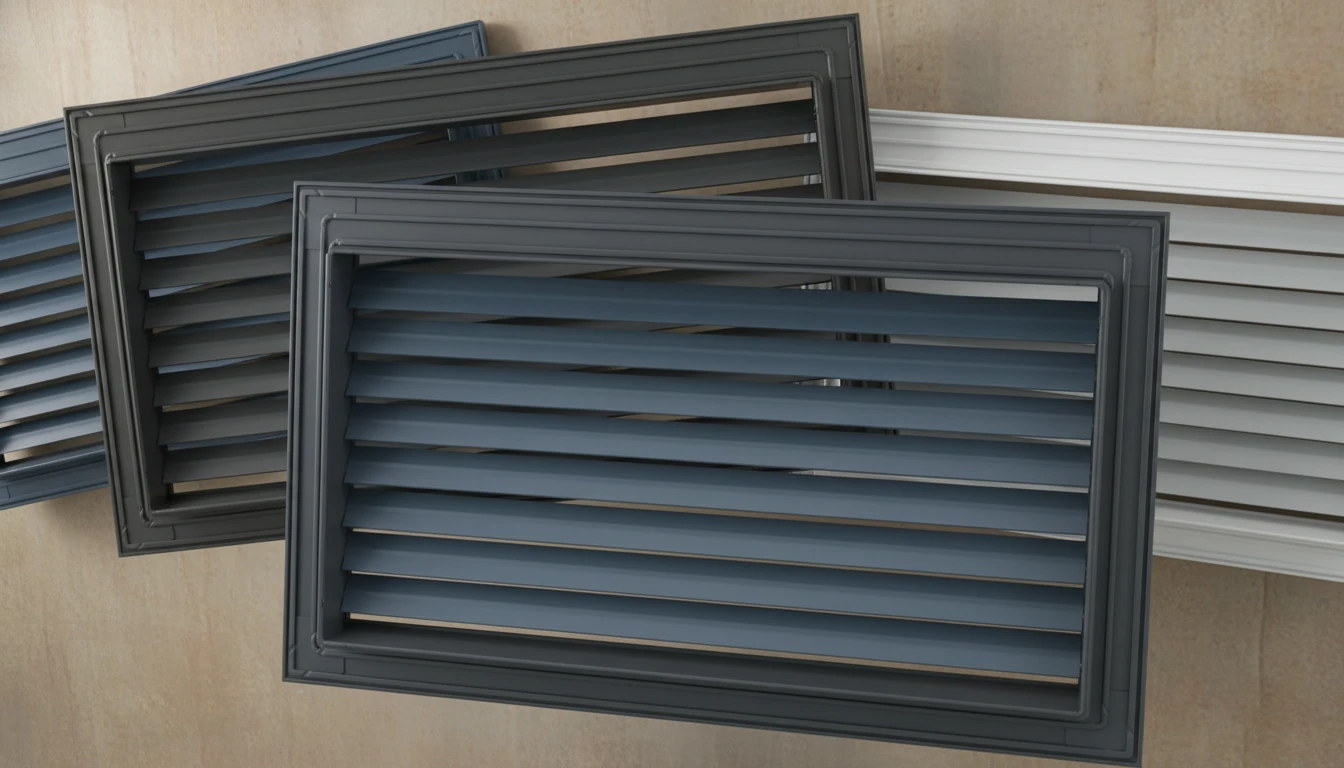
The ideal process for manufacturing complex air outlets and louvers with precise dimensions and intricate details.
Extrusion Molding
清掃、検査、および専門工具や大規模な分解を必要とせずに潜在的な部品交換が容易であること。.
Vacuum Forming
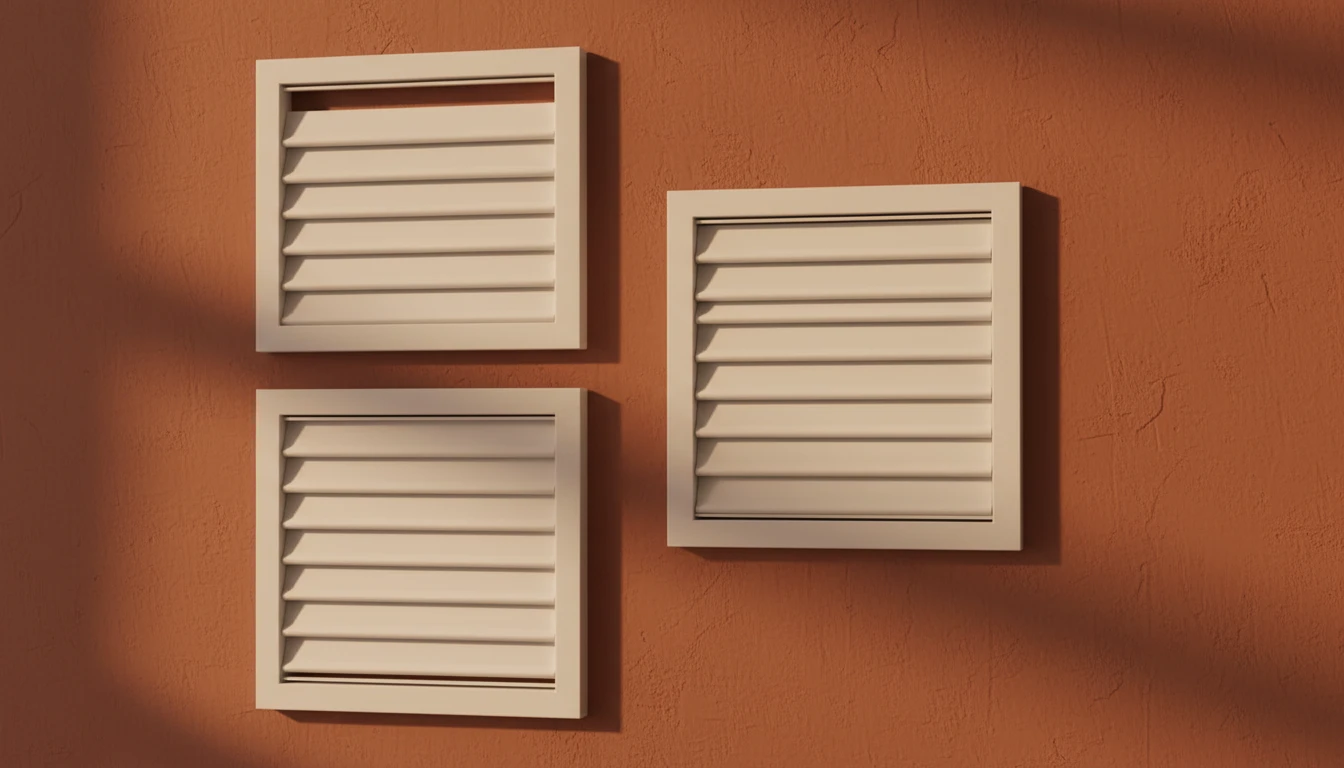
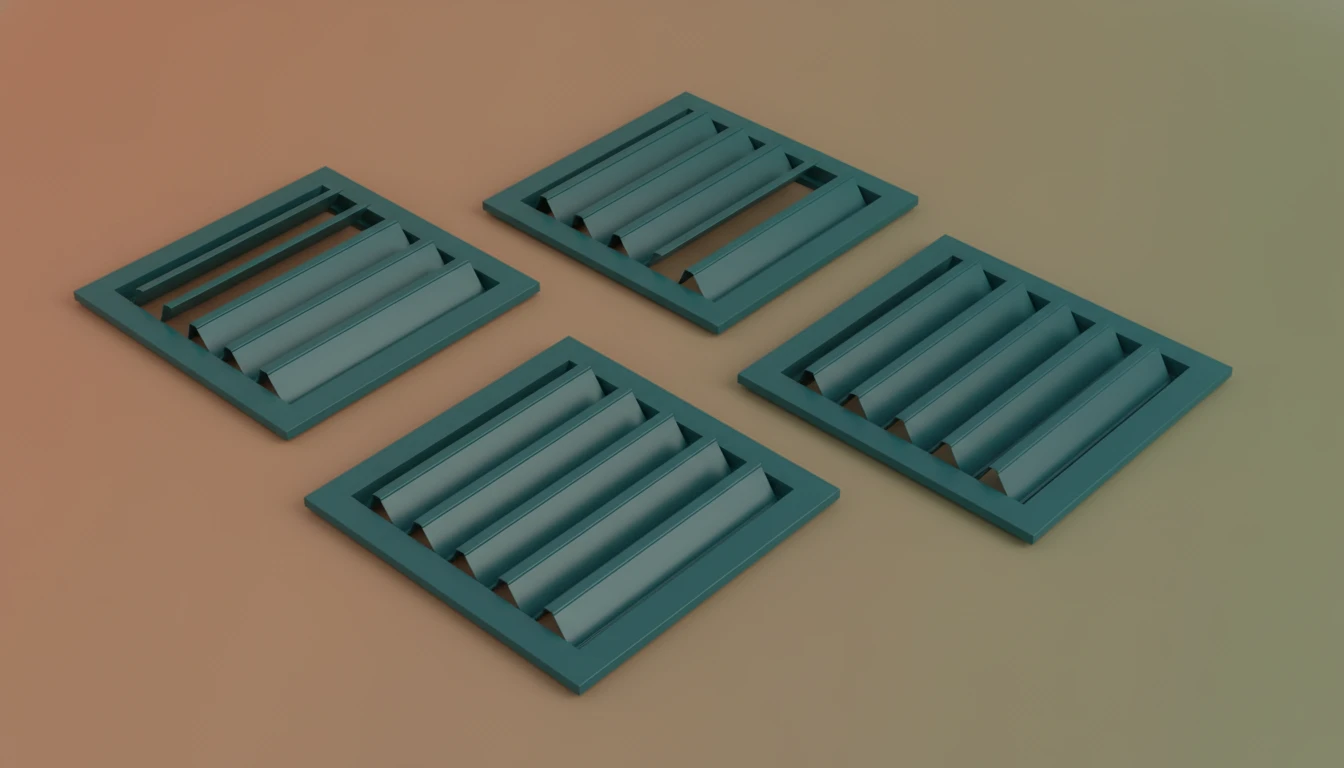
Suitable for large, simple outlet face plates with basic contours and minimal detail requirements.
Compression Molding
Suitable for large, simple outlet components, particularly when using reinforced materials for enhanced durability.
3D Printing (Additive Manufacturing)
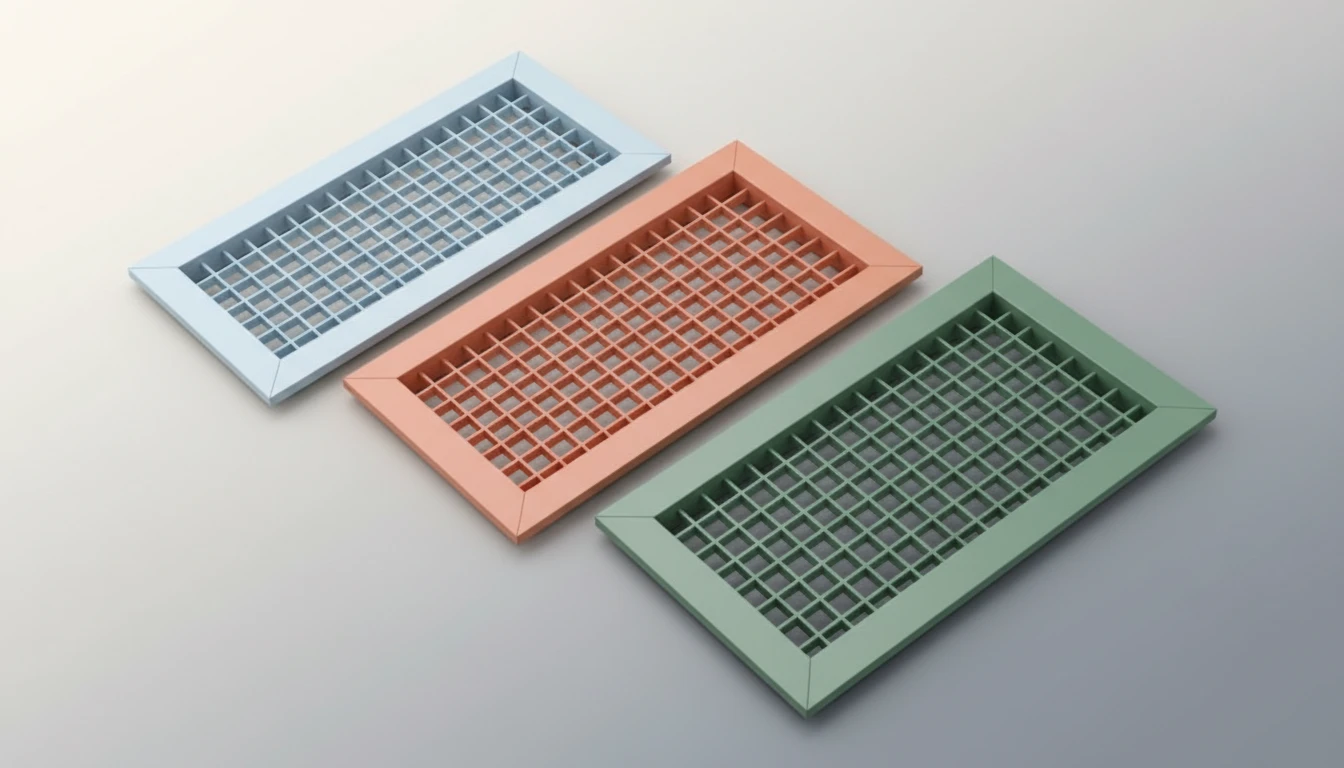
Ideal for custom air outlets and louvers with complex geometries or for rapid prototyping and low-volume production.
What are the Key Performance Metrics for Evaluating Air Outlets and Louvers?
Evaluating air outlets and louvers requires a comprehensive assessment of multiple performance dimensions that collectively determine their effectiveness in HVAC systems. Air distribution performance ensures optimal comfort through proper airflow patterns and velocity control. Acoustic characteristics contribute to a pleasant environment by minimizing noise generation. Structural integrity and safety metrics confirm the component's durability and suitability for its intended application. Additionally, energy efficiency, visual integration, and maintenance considerations determine the long-term value and practicality of the outlet and louver design within the building system.
Key Dimensions: Air Distribution • Acoustic Performance • Structural & Safety • Energy Efficiency & Integration
| Key Metric | What It Is | Why It Matters |
|---|---|---|
| 🌬️ Air Distribution Performance | ||
| Throw Distance | The horizontal or vertical distance that the air stream travels from the outlet before its velocity drops to a specified value (typically 50 fpm or 0.25 m/s). | Determines the effective coverage area of the outlet. Proper throw distance ensures conditioned air reaches all occupied areas without creating drafts. |
| Spread Pattern | The angular distribution of air as it leaves the outlet, describing how widely the air stream disperses. | Critical for achieving uniform temperature distribution. A well-designed spread pattern eliminates hot and cold spots in the room. |
| Air Velocity | The speed of air as it exits the outlet and at various points in the room, typically measured in feet per minute (fpm) or meters per second (m/s). | Directly impacts occupant comfort. Air velocities in occupied zones should typically be maintained between 30-50 fpm to avoid drafts while ensuring proper air mixing. |
| Induction Ratio | The ratio of room air entrained by the primary air stream to the volume of primary air supplied by the outlet. | Higher induction ratios promote better mixing of conditioned air with room air, improving temperature uniformity and reducing stratification. |
| 🔊 Acoustic Performance | ||
| Noise Generation (NC/dBA) | The sound level produced by air passing through the outlet, measured in decibels (dBA) or Noise Criteria (NC) curves. | Essential for occupant comfort and productivity. High-quality outlets should operate below NC 30-35 in most applications to ensure a quiet environment. |
| Frequency Characteristics | The distribution of sound across different frequencies, which affects the perceived quality of the noise. | Helps identify potentially annoying tonal components. Well-designed outlets produce broadband "whoosh" sounds rather than distinct tones at specific frequencies. |
| 🛡️ Structural & Safety Performance | ||
| Deflection Stability | The ability of louvers to maintain their position under varying air pressures without fluttering or changing angle. | Ensures consistent airflow patterns and prevents noise generation from vibrating components. Critical for maintaining designed performance. |
| Material Durability | The resistance of materials to degradation from UV exposure, temperature fluctuations, and mechanical stress. | Determines the service life and maintenance requirements of the outlet. UV-stabilized plastics prevent yellowing and brittleness over time. |
| Fire Performance | The material's behavior when exposed to fire, including flame spread, smoke development, and toxic gas emission. | Critical for building safety and code compliance. Materials should meet appropriate flame spread and smoke development ratings (typically Class A or B). |
| ⚡ Energy Efficiency & Integration | ||
| Pressure Drop | The reduction in air pressure as it passes through the outlet, measured in Pascals (Pa) or inches of water column. | Directly impacts fan energy consumption. Lower pressure drops reduce system energy requirements while maintaining effective air distribution. |
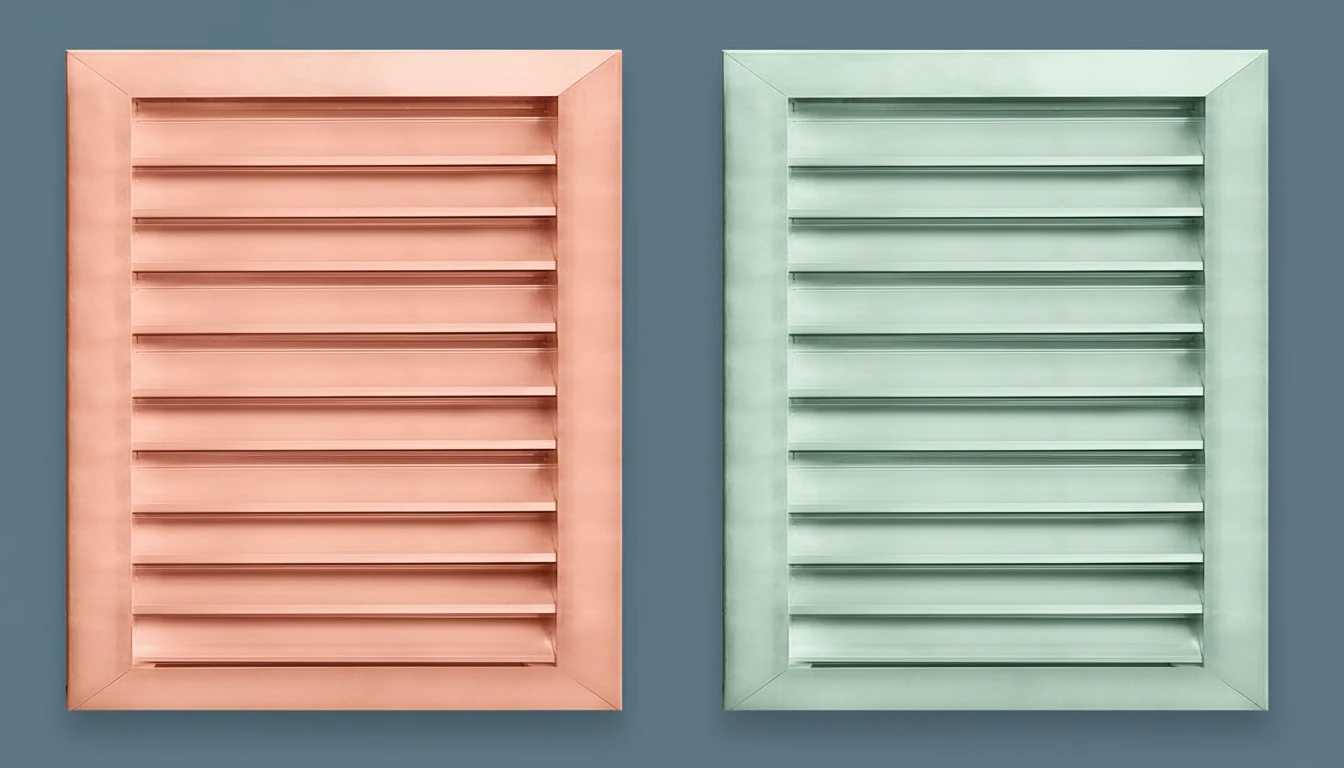
| Aesthetic Integration | The visual compatibility of the outlet with interior design elements, including color, finish, and form factor. | In modern architecture, outlets are expected to complement or enhance interior design rather than detract from it. |
| Maintenance Accessibility | The ease of cleaning, inspection, and potential component replacement without specialized tools or extensive disassembly. | なぜ重要なのか:適切な排出システムはルーバーの寸法精度と表面仕上げを維持します。. |
What are the Common Plastics Used for Professional Air Outlets & Louvers?
When selecting materials for your professional air outlets and louvers, you have several excellent options to consider. ABS offers the perfect balance of impact resistance and surface finish for most commercial applications, with UV stabilizers available for outdoor use. For high-end installations requiring superior durability, PC provides exceptional strength and heat resistance. For projects with complex louver mechanisms, PP delivers excellent fatigue resistance for moving parts. When flame retardancy is paramount, PC/ABS blends with flame-retardant additives meet stringent safety standards. Your choice ultimately depends on your specific needs: application environment, performance requirements, safety standards, and aesthetic considerations.
Key Materials: ABS • PC • PP • PC/ABS Blends
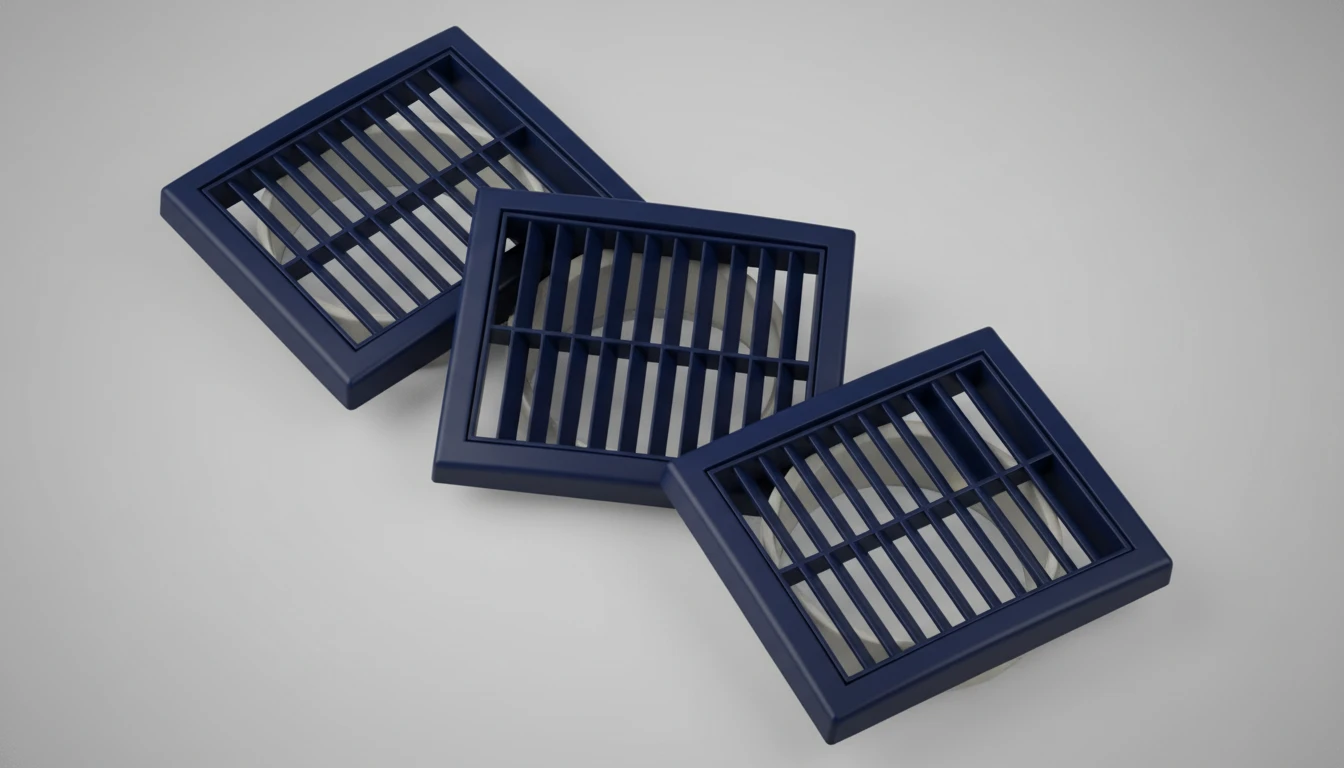
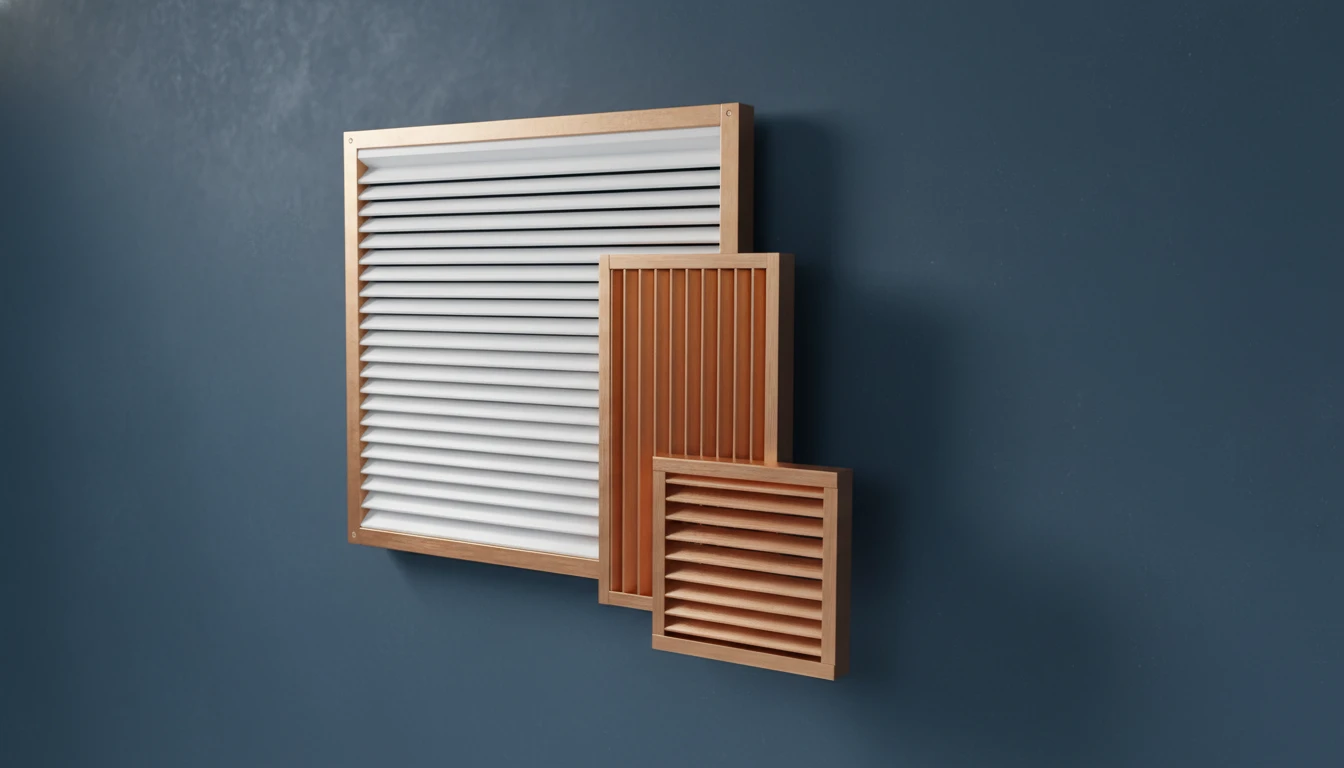
ABS (Acrylonitrile Butadiene Styrene)
ABS is the preferred material for professional air outlets and louvers, offering an excellent combination of durability, aesthetics, and cost-effectiveness.
Key Properties:
- Excellent impact resistance: Withstands physical impact in high-traffic commercial environments.
- Superior surface finish: Can be manufactured with high-gloss or textured surfaces for premium appearance.
- Dimensional stability: Maintains precise shape and size, critical for air distribution performance.
- Good temperature resistance: Performs well in typical HVAC temperature ranges.
- Easy to process: Allows for complex louver mechanisms and precise air flow channels.
Common Applications:
- Commercial ceiling diffusers and linear slot diffusers
- Adjustable louvers for directional air flow control
- Return air grilles in office buildings and retail spaces
- High-end residential air distribution systems
Limitation: Standard ABS has limited UV resistance. For outdoor applications or areas with direct sunlight, UV-stabilized grades are recommended.
PC (Polycarbonate)
Polycarbonate is the premium choice for high-end air outlets and louvers where superior durability and safety are paramount.
Key Properties:
- Exceptional impact strength: Virtually unbreakable, ideal for public spaces and high-traffic areas.
- High heat resistance: Maintains structural integrity at elevated temperatures common in HVAC systems.
- Transparency options: Can be manufactured clear or tinted for unique design applications.
- Excellent dimensional stability: Ensures consistent performance across temperature variations.
- Flame retardant options: Available in grades that meet stringent fire safety standards.
Common Applications:
- Hospital and healthcare facility air distribution systems
- Airports and transportation hubs with high safety requirements
- Transparent or tinted air flow indicators and visualization elements
- High-end architectural air distribution solutions
Limitation: Higher cost compared to other materials and may require specialized processing equipment.
PP (Polypropylene)
Polypropylene is ideal for air outlets and louvers with complex moving parts due to its exceptional fatigue resistance and flexibility.
Key Properties:
- Outstanding fatigue resistance: Perfect for living hinges and frequently adjusted louvers.
- Excellent chemical resistance: Withstands cleaning agents and environmental contaminants.
- Low coefficient of friction: Enables smooth operation of moving parts.
- Lightweight: Reduces overall system weight, important for ceiling installations.
- Cost-effective: Provides excellent value for high-volume applications.
Common Applications:
- Adjustable louvers with living hinge mechanisms
- Residential air vents with manual adjustment features
- Return air grilles with movable components
- Budget-friendly commercial air distribution systems
Limitation: Lower surface finish quality compared to ABS and PC. May become brittle at very low temperatures.
PC/ABS Blends
PC/ABS blends combine the best properties of both materials, offering a balanced solution for demanding air outlet and louver applications.
Key Properties:
- Excellent balance of properties: Combines impact resistance of PC with processability of ABS.
- Enhanced heat resistance: Better than ABS alone, suitable for most HVAC applications.
- Superior flame retardancy: Available in grades that meet stringent fire safety standards.
- Good surface finish: Can be manufactured with various textures and finishes.
- Cost-effective: Less expensive than pure PC while offering superior performance to ABS.
Common Applications:
- Commercial office building air distribution systems
- Hospital and healthcare facility air outlets
- Applications requiring both impact resistance and flame retardancy
- High-end residential air distribution solutions
Limitation: Properties depend on the specific blend ratio. May require UV stabilizers for outdoor applications.
Comparison at a Glance
| Material | Key Strengths | Best For |
|---|---|---|
| ABS | Impact resistance, surface finish, cost-effectiveness | General commercial applications with aesthetic requirements |
| PC | Superior impact strength, heat resistance, transparency | High-traffic areas and applications with safety requirements |
| PP | Fatigue resistance, low friction, chemical resistance | Components with moving parts and frequent adjustment |
| PC/ABS | Balanced properties, flame retardancy, heat resistance | Applications requiring both durability and safety compliance |
Special Additives and Grades
To enhance these base plastics, manufacturers often use special formulations:
- UV-Stabilized Grades: Plastics (especially ABS and PP) are compounded with UV absorbers and inhibitors to prevent degradation and yellowing from sun exposure.
- Flame-Retardant (FR) Grades: Additives are mixed into the plastic to meet strict fire safety standards (e.g., UL 94 V-0).
- Antimicrobial Additives: Silver ion or other antimicrobial agents can be embedded into the plastic to inhibit the growth of bacteria and mold.
- Anti-Static Grades: Conductive additives reduce static electricity buildup, important in certain environments.
What are Mold Design Considerations for Professional Air Outlets & Louvers?
Effective mold design is critical for producing high-quality professional air outlets and louvers that meet both functional and aesthetic requirements. The design process must balance precision engineering with manufacturability, considering factors such as air flow dynamics, louver mechanism functionality, and surface finish. Advanced mold designs enable the integration of complex air distribution patterns and adjustment mechanisms into a single component, reducing assembly steps and improving product reliability. Understanding these considerations is essential for optimizing production efficiency, minimizing defects, and ensuring the final product delivers precise air distribution as intended in HVAC applications.
Key Focus: Air Flow Dynamics • Precision Engineering • Mechanism Integration • Surface Finish
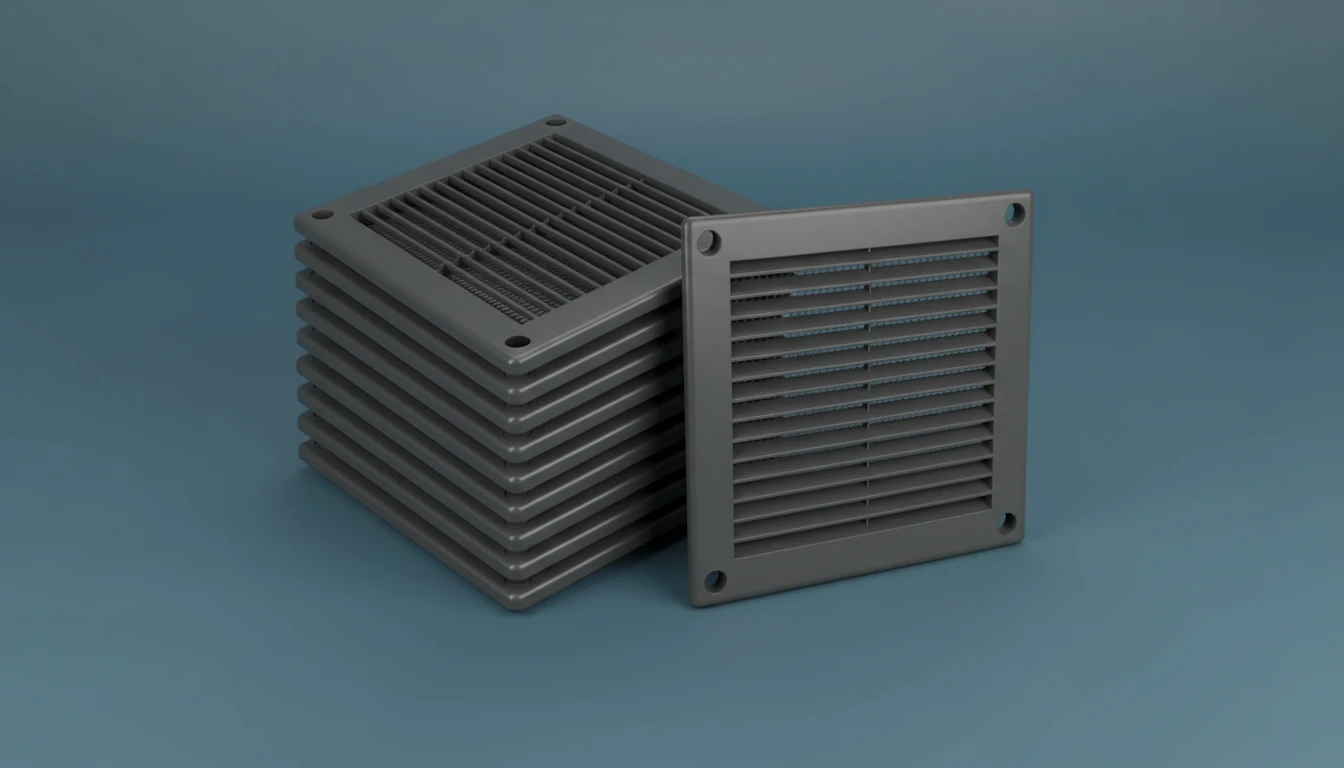
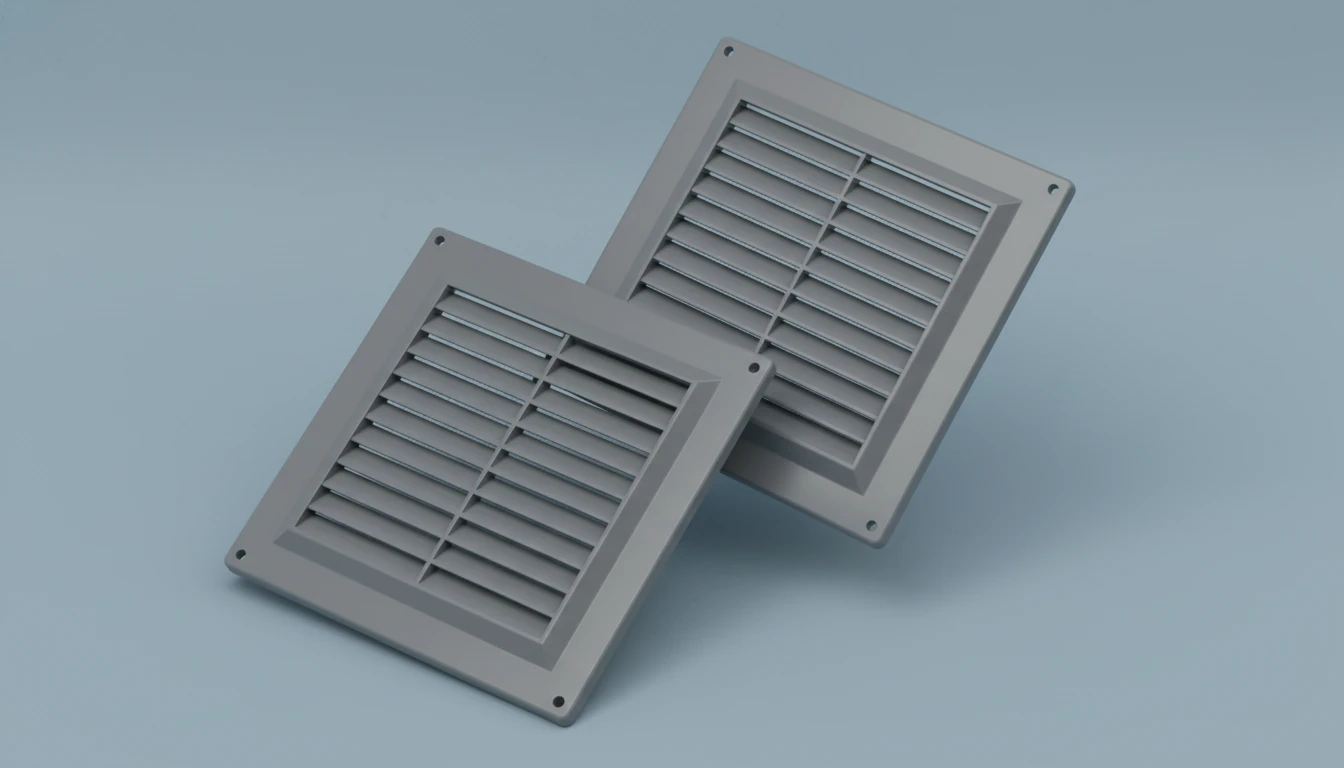
Mold Design & Air Dynamics
Air Flow Channel Design
Precision molding of air flow channels is critical for achieving specified air distribution patterns and pressure drop characteristics.
Why it's crucial: Proper air flow design ensures optimal HVAC system performance and occupant comfort.
Louver Profile Precision
Accurate louver profiles are essential for precise air direction control and minimizing air turbulence.
Why it's crucial: Precise louver profiles ensure consistent air distribution and reduce noise generation.
Surface Finish Control
Mold surface finish directly affects the final product appearance and air flow characteristics.
Why it's crucial: Proper surface finish enhances both aesthetics and air flow performance.
Gate Placement Optimization
Strategic gate placement minimizes visible marks and ensures proper filling of complex louver structures.
Why it's crucial: Proper gate placement maintains structural integrity and aesthetic quality of louvers.
Mechanism Integration
Living Hinge Design
Precision molding of living hinges enables smooth, durable operation of adjustable louvers without additional hardware.
Why it's crucial: Living hinges reduce assembly costs and improve long-term reliability of adjustable mechanisms.
Multi-Component Integration
Advanced mold designs allow integration of multiple components into a single assembly, reducing parts count.
Why it's crucial: Integrated components simplify installation and improve overall system reliability.
Slider Mechanisms
Complex slider mechanisms in molds enable creation of adjustable air flow patterns and directional control.
Why it's crucial: Slider mechanisms allow for complex geometries that would be impossible with traditional molds.
Ejection System Design
Specialized ejection systems prevent damage to delicate louver structures during demolding.
Why it's crucial: Proper ejection systems maintain dimensional accuracy and surface finish of louvers.
調節可能なエアフロー
1
Air Flow Simulation
Computational fluid dynamics (CFD) analysis optimizes louver angles and profiles for precise air distribution patterns.
2
Noise Reduction Design
Aerodynamic louver profiles and air flow channels minimize turbulence and reduce noise generation.
3
Pressure Drop Optimization
Careful design of air flow paths minimizes pressure drop while maintaining precise air distribution.
How to Control Quality and Prevent Defects in Professional Air Outlets & Louvers?
When sourcing professional air outlets and louvers, consistent quality directly impacts HVAC system performance and occupant comfort. A comprehensive quality control system addresses common defects in plastic molding before they become your problems, ensuring every component meets your exact specifications. This approach prevents issues like louver misalignment, improper air distribution, and mechanism failure that could compromise system performance. By implementing rigorous inspection protocols from material verification to final testing, you receive components that maintain dimensional accuracy, functional performance, and aesthetic quality. This proactive quality management protects your projects from costly rework and warranty claims while ensuring reliable long-term performance of your HVAC air distribution systems.
Quality Focus: Air Flow Performance • Mechanism Functionality • Dimensional Accuracy
Common Defect Analysis & Solutions
Understanding potential defects helps you evaluate suppliers more effectively. Here's how we prevent the most common issues that can compromise your product quality.
Louver Misalignment
Louvers that are not properly aligned, affecting air distribution patterns and aesthetic appearance.
Common Causes:
- Improper ejection mechanism design
- Uneven cooling causing warpage
- Inadequate mold precision
- Material shrinkage variations
Solutions:
- Design specialized ejection systems for delicate louvers
- Implement uniform cooling channels
- Use high-precision mold manufacturing
- Select materials with consistent shrinkage rates
Mechanism Failure
Adjustable mechanisms that don't function properly, preventing proper air flow control.
Common Causes:
- Improper living hinge design
- Insufficient material flexibility
- Excessive friction between moving parts
- Poor dimensional tolerance control
Solutions:
- Optimize living hinge geometry and thickness
- Select materials with appropriate fatigue resistance
- Incorporate proper draft angles and clearances
- Implement strict dimensional control
Uneven Air Distribution
Air outlets that don't distribute air evenly, affecting comfort and system efficiency.
Common Causes:
- Inaccurate louver angles or profiles
- Dimensional variations in air flow channels
- Surface roughness affecting air flow
- Improper assembly of components
Solutions:
- Implement precise mold temperature control
- Use CFD analysis to optimize air flow design
- Control surface finish of air flow channels
- Perform air flow testing on production samples
Surface Defects
Imperfections on the surface that affect appearance and potentially air flow characteristics.
Common Causes:
- Improper mold temperature control
- Contaminated material or mold surface
- Inadequate venting in the mold
- Moisture in the material
Solutions:
- Optimize mold temperature parameters
- Implement proper material drying procedures
- Ensure adequate mold venting
- Maintain clean mold surfaces
Quality Assurance Process
First Article Inspection (FAI)
FAI Includes:
- Complete dimensional verification using CMM
- Material certification and property testing
- Visual inspection for surface defects
- Functional testing of adjustable mechanisms
- Air flow performance verification
FAI Benefits:
- Identifies issues before mass production
- Establishes baseline quality standards
- Validates tooling and process parameters
- Reduces costly rework and scrap
- Ensures your requirements are met
In-Process Quality Control (IPQC)
Monitored Parameters:
- Injection pressure and speed profiles
- Melt and mold temperatures
- 低い。大量生産により経済的です。
- Part weight and dimensional stability
- Visual defect detection
Control Methods:
- Statistical Process Control (SPC) charts
- Automated vision inspection systems
- Regular sampling and measurement
- Real-time parameter monitoring
- Operator training and standardized procedures
Advanced Testing Equipment
Dimensional Verification:
- Coordinate Measuring Machine (CMM): Provides precise 3D measurements with accuracy up to ±0.002mm
- Optical Comparators: For 2D profile verification of complex louver geometries
- Digital Calipers & Micrometers: For routine dimensional checks
- 3D Scanning Systems: For comprehensive surface analysis
Performance Testing:
- Air Flow Testing Stations: Measure actual air distribution patterns and flow rates
- Pressure Drop Testers: Verify that outlets don't restrict airflow excessively
- Mechanism Durability Testers: Simulate long-term use of adjustable components
- Noise Measurement Equipment: Verify acceptable noise levels during operation
What are the Advantages and Disadvantages of Professional Air Outlets & Louvers?
Professional air outlets and louvers offer a unique set of advantages, making them essential components in modern HVAC systems. Their precise air distribution capabilities, aesthetic versatility, and integration potential make them ideal for various applications. However, they also have distinct limitations, particularly regarding initial cost and complexity, which must be carefully considered. The choice between different types of air outlets ultimately depends on a balance between performance requirements, aesthetic considerations, and budget constraints.
Key Trade-off: Precision Air Distribution vs. Cost & Complexity
Advantages
Precise Air Distribution
Professional outlets and louvers provide precise control over air distribution patterns, ensuring optimal comfort and system efficiency.
Why it's crucial: Proper air distribution eliminates hot/cold spots and improves overall occupant comfort.
Aesthetic Versatility
Available in various styles, finishes, and colors to complement different interior designs and architectural requirements.
Why it's crucial: Aesthetic integration allows HVAC components to blend seamlessly with interior design.
Adjustable Air Flow
ケーブル管理統合:.
Why it's crucial: Adjustable air flow allows for personalized comfort and seasonal adaptation.
Disadvantages
Higher Initial Cost
Professional air outlets and louvers are more expensive than standard vents due to their precision engineering and complex features.
Why it's crucial: Higher initial investment may be a barrier for budget-conscious projects.
Maintenance Requirements
Complex mechanisms and precise components may require more frequent cleaning and maintenance to maintain performance.
Why it's crucial: Additional maintenance can increase long-term operational costs.
Installation Complexity
Professional air outlets may require more precise installation and adjustment to achieve optimal performance.
Why it's crucial: Complex installation can increase labor costs and require specialized expertise.
Type Comparison: Linear Slot Diffusers vs. Ceiling Diffusers
| Feature | Linear Slot Diffusers | Ceiling Diffusers |
|---|---|---|
| Air Distribution Pattern | Linear, uniform air distribution along the length of the diffuser. | Radial, multi-directional air distribution from a central point. |
| Aesthetic Integration | Excellent for modern architectural designs with clean lines. | Traditional appearance, may be more noticeable in ceiling. |
| Adjustability | Highly adjustable with individual louvers for precise control. | Limited adjustability, typically fixed pattern or simple damper control. |
| Best Application | Modern offices, retail spaces, and areas with architectural emphasis. | Traditional offices, residential applications, and general commercial spaces. |
Frequently Asked Questions
Find answers to your key concerns in professional air outlets and louvers injection molding FAQ. Get expert guidance on selecting the right materials—ABS, PC, PP, or PC/ABS blends—for your specific application requirements. Explore precision mold design for complex louver mechanisms, ensuring strict dimensional tolerances within ±0.1mm and optimal air flow characteristics. Discover comprehensive solutions that meet both your functional performance and aesthetic needs, with various surface finishes and adjustment options to perfectly match your HVAC system requirements.
Key Services: Material Selection • Precision Mold Design • Air Flow Optimization • Quality Control • Surface Finishes
Which Plastic Material is Best for Professional Air Outlets?
Customer concern: Material selection for optimal performance and aesthetics.
+
Which Plastic Material is Best for Professional Air Outlets?
Customer concern: Material selection for optimal performance and aesthetics.
Our Solutions:
Material Recommendations Based on Application:
We recommend materials based on your specific requirements:
| Material | Best For | Key Properties |
|---|---|---|
| ABS | General commercial applications with aesthetic requirements | Good impact resistance, surface finish, cost-effective |
| PC | High-traffic areas, safety-critical applications | Superior impact strength, heat resistance, transparency |
| PP | Components with moving parts and frequent adjustment | Fatigue resistance, low friction, chemical resistance |
| PC/ABS | Applications requiring both durability and safety compliance | Balanced properties, flame retardancy, heat resistance |
Can You Produce Outlets with Complex Adjustable Louver Mechanisms?
Customer concern: Manufacturing capability for intricate adjustable mechanisms.
+
Can You Produce Outlets with Complex Adjustable Louver Mechanisms?
Customer concern: Manufacturing capability for intricate adjustable mechanisms.
Our Solutions:
Advanced Mold Design:
We specialize in complex mold designs with multiple sliders, lifters, and core pulls to create intricate adjustable louver mechanisms.
Living Hinge Expertise:
Our engineering team has extensive experience designing living hinges for smooth, durable operation of adjustable components.
Case Examples:
We have successfully produced outlets with multi-directional louvers, pattern-adjustable mechanisms, and precision air flow control systems.
How Do You Ensure Precise Air Distribution Patterns?
Customer concern: Air flow performance and consistency.
+
How Do You Ensure Precise Air Distribution Patterns?
Customer concern: Air flow performance and consistency.
Our Solutions:
Precision Manufacturing:
We maintain tight dimensional tolerances (±0.1mm) to ensure consistent louver angles and air flow channel dimensions.
CFD Analysis:
Our design process includes computational fluid dynamics analysis to optimize air flow patterns before production.
Air Flow Testing:
Our quality control process includes air flow testing to verify that each outlet meets specified performance requirements.
Can You Produce Custom-Finished Outlets to Match Interior Design?
Customer concern: Aesthetic integration and customization options.
+
Can You Produce Custom-Finished Outlets to Match Interior Design?
Customer concern: Aesthetic integration and customization options.
Our Solutions:
Custom Color Matching:
We offer custom color matching services using Pantone, RAL, or customer-provided samples to ensure perfect color coordination.
Surface Finish Options:
We offer various surface finishes including matte, gloss, textured, and metallic effects to complement different design styles.
Texture Integration:
Custom textures can be integrated directly into the mold surface for unique aesthetic effects.
What's the Typical Production Cycle Time for Professional Air Outlets?
Customer concern: Production efficiency and delivery timelines.
+
What's the Typical Production Cycle Time for Professional Air Outlets?
Customer concern: Production efficiency and delivery timelines.
Our Solutions:
Cycle Time Range:
Production cycle times typically range from 20-40 seconds, depending on part complexity, size, and material.
Efficiency Optimization:
We optimize cooling channels, gate design, and ejection mechanisms to minimize cycle time while maintaining part quality.
Multi-Cavity Options:
For high-volume production of smaller outlets, we offer multi-cavity molds to increase output efficiency.
How Do You Prevent Common Defects Like Louver Warping or Misalignment?
Customer concern: Product quality and defect prevention.
+
How Do You Prevent Common Defects Like Louver Warping or Misalignment?
Customer concern: Product quality and defect prevention.
Our Solutions:
Specialized Ejection Systems:
We design specialized ejection systems to prevent damage to delicate louver structures during demolding.
Optimized Cooling Design:
Our molds feature strategically placed cooling channels to ensure uniform temperature distribution and prevent warping.
Process Control:
We maintain precise control over injection parameters to prevent defects and ensure consistent quality.
Can You Produce Outlets with Integrated Air Flow Sensors?
Customer concern: Smart HVAC integration and functionality.
+
Can You Produce Outlets with Integrated Air Flow Sensors?
Customer concern: Smart HVAC integration and functionality.
Our Solutions:
Integrated Sensor Housing:
We can design and produce outlets with integrated housing for air flow sensors, temperature sensors, and other smart components.
Precision Mounting Features:
Our designs include precise mounting points and features for secure installation of electronic components.
Cable Management Integration:
エアアウトレット&ルーバー - 精密HVACコンポーネント | HVACore.
What Quality Control Measures Do You Implement for Air Outlets & Louvers?
Customer concern: Quality assurance and performance consistency.
+
What Quality Control Measures Do You Implement for Air Outlets & Louvers?
Customer concern: Quality assurance and performance consistency.
Our Solutions:
Dimensional Inspection:
We use coordinate measuring machines (CMM) and optical inspection systems to verify critical dimensions and ensure consistent air flow characteristics.
Air Flow Performance Testing:
Our quality control process includes air flow testing to verify that each outlet meets specified performance requirements.
Mechanism Functionality Testing:
We perform functional tests including louver operation, adjustment smoothness, and durability testing of moving parts.