
ブラケットは、機器の全重量に安全係数(通常は実際の負荷の1.5~2倍)を加えた荷重を支えるように定格されなければなりません。 Surface Finishing
HVACエンクロージャーの適切な表面仕上げの選択は、ポリマー物理学、金型加工能力、最終使用性能要件を調和させる必要がある多パラメータ工学上の判断です。材料レベルでは、充填および保圧中の熱可塑性プラスチックの粘弾性挙動が、表面が金型条件をどれほど忠実に再現できるかを直接決定します。幾何学的形状はこれをさらに複雑にし、肉厚の変動が不均一な冷却速度に影響を与え、結果として表面再現忠実度を変化させます。最終的に、選択プロセスは表面工学を製品全体およびプロセス設計フレームワークに統合します。
Table of Contents
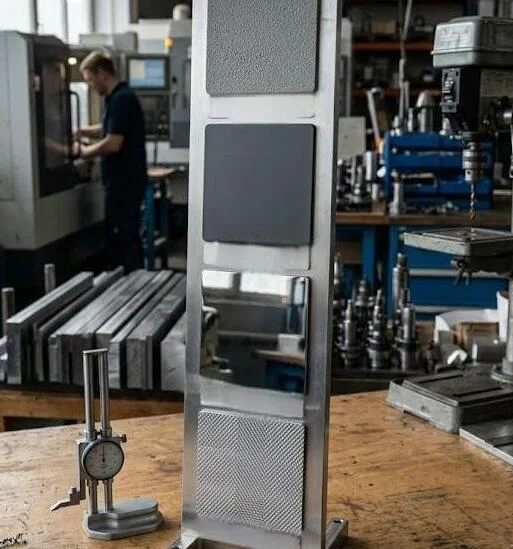
What Surface Finishing Options are Available for HVAC Plastic Components?
HVAC plastic components offer a range of surface finishing options to meet both functional and production requirements. Standardized systems provide benchmarks for quality, while advanced treatments and decoration techniques enhance durability and aesthetics. These options ensure that components not only perform reliably but also meet specific visual and tactile standards for various applications.
Finishing Categories: Standardized Grades • Mold Treatments • Manufacturing Textures • In-mold Decoration
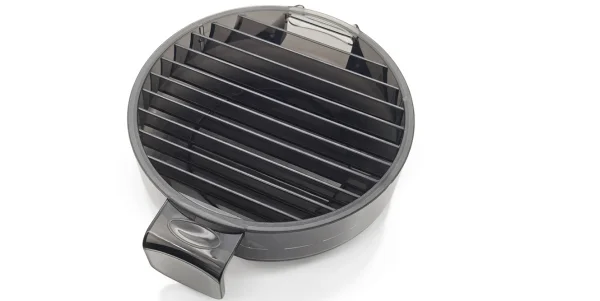
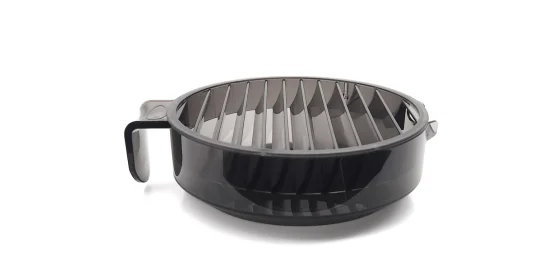
Standards & Treatments
Standardized Systems
Standardized systems such as SPI grades (A/B/C) and VDI roughness classifications provide clearly defined benchmarks for surface quality and consistency across projects.
Why it's crucial for HVAC: Ensures consistent surface quality and interchangeability across different production batches and projects.
Mold Surface Treatments
Chrome or nickel plating and advanced coatings such as PVD are applied to improve durability, corrosion resistance, and long-term production stability.
Why it's important for HVAC: Enhances the longevity of the mold and maintains the quality of the surface finish over high-volume production runs.
Textures & Decoration
Manufacturing-based Finishes
Manufacturing-based finishes, including EDM-generated textures and directional brushed patterns, allow controlled surface characteristics to be achieved directly during tooling.
Why it's crucial for HVAC: Allows for specific functional or aesthetic surface properties to be integral to the part production without extra steps.
In-mold Decoration (IMD/IML)
For integrated appearance and efficiency, in-mold decoration (IMD/IML) enables the combination of graphics and surface protection within the molding process itself.
Why it's crucial for HVAC: Reduces the need for secondary operations while maintaining consistent results for high-quality aesthetic components.
高輝度の可能性があり、注意をそらす可能性があります
Surface texture plays a critical role in HVAC injection molded parts by enhancing both usability and long-term performance. It improves handling and grip by increasing surface friction, making components easier to install and maintain. For large HVAC panels, texture helps reduce the visual impact of slight warpage or shrinkage, ensuring a more uniform appearance. It also enhances resistance to environmental wear, including minor abrasion and dust accumulation, which is essential for components operating in demanding conditions.
Key Benefits: Handling & Grip → Visual Uniformity → Wear Resistance → Manufacturing Stability
Usability & Durability
Improved Handling and Grip
It improves handling and grip by increasing surface friction, making components easier to install and maintain.
Why it's crucial for HVAC: Ensures safer and more efficient installation processes for technicians and maintenance personnel.
Visual Defect Masking
For large HVAC panels, texture helps reduce the visual impact of slight warpage or shrinkage, ensuring a more uniform appearance.
Why it's important for HVAC: Maintains a high-quality aesthetic finish on large visible components without requiring perfect surface conditions.
Environmental Wear Resistance
It enhances resistance to environmental wear, including minor abrasion and dust accumulation, essential for demanding conditions.
Why it's important for HVAC: Extends the service life and maintains the appearance of components exposed to harsh operational environments.
Manufacturing & Aesthetics
Controlled Part Release
In manufacturing, surface texture assists in controlled part release by reducing contact between the mold and the part, leading to more stable ejection.
Why it's crucial for HVAC: Improves production efficiency and reduces the risk of damage during the molding process.
Adhesion for Secondary Processes
Additionally, it improves adhesion for secondary processes such as coating, printing, or bonding.
Why it's crucial for HVAC: Ensures that labels, paints, or protective coatings adhere properly for lasting functionality.
Consistent Visual Appearance
Texture reduces visual contrast under varying lighting conditions, maintaining consistent appearance in different environments.
Why it's crucial for HVAC: Guarantees that components look uniform whether installed in dim utility rooms or well-lit commercial spaces.
Advanced Functional Benefits
1
Functional Zoning
Texture supports functional zoning by allowing different surface characteristics in specific areas, tailoring grip or smoothness where needed.
2
Appearance Preservation
It helps preserve product appearance over time by masking gradual wear and aging effects, keeping components looking newer for longer.
3
Long-term Value
By combining aesthetic masking with physical durability, texture adds significant value to the HVAC component's overall lifecycle.
How to Choose the Right Surface Finish for HVAC Enclosures?
Selecting the appropriate surface finish for HVAC enclosures is a multi-parameter engineering decision that must reconcile polymer physics, tooling capability, and end-use performance requirements. At the material level, the viscoelastic behavior of thermoplastics during filling and packing directly determines how faithfully a surface can replicate mold conditions. Geometry further complicates this, as variations in wall thickness influence differential cooling rates and thus alter surface replication fidelity. Ultimately, the selection process integrates surface engineering into the overall product and process design framework.
HVACシステム向け専門表面仕上げサービス
Material Physics & Tooling Interaction
The interaction between cavity surface energy, micro-geometry, and melt pressure distribution governs texture transfer efficiency.
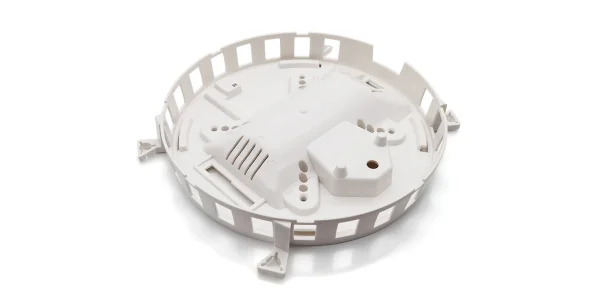
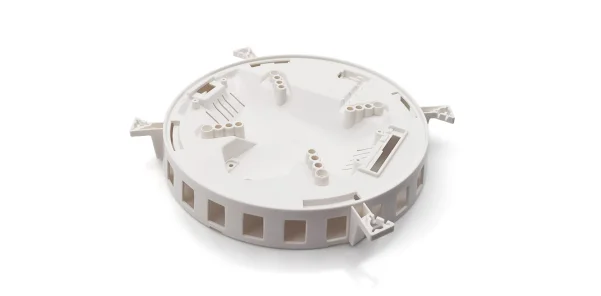
Geometry & Functional Interface
Geometry variations influence differential cooling rates, while contact zones require controlled surface characteristics for fastening and sealing.
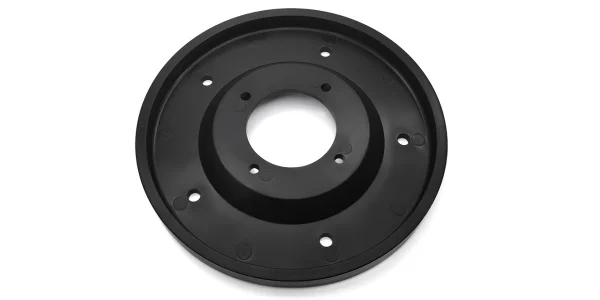
Durability & Manufacturability
Selection must evaluate long-term polymer degradation and ensure stability across tool wear cycles and process fluctuations.
What are the Differences Between Glossy and Matte Finishes in HVAC Parts?
In HVAC parts, glossy and matte finishes differ significantly in appearance, texture, maintenance, and functionality. Glossy finishes provide a shiny, reflective surface that highlights contours and edges, while matte finishes offer a soft, non-reflective surface that reduces glare and hides minor imperfections. Ultimately, the choice between glossy and matte depends on the desired visual effect, functional requirements, and ease of upkeep.
Key Differences: Appearance • Texture • Maintenance • Functionality
| Feature | Glossy Finish | Matte Finish |
|---|---|---|
| 👁️ Appearance & Aesthetics | ||
| Surface Visuals | Provides a shiny, reflective surface that highlights contours and edges, giving a premium, high-end look. | Offers a soft, non-reflective surface that reduces glare and diffuses light evenly for a subdued aesthetic. |
| Ideal Use Case | Suitable for panels, covers, or grilles where a high-end, premium appearance is desired. | More suitable for industrial or commercial components where a low-profile look is preferred. |
| 🧹 Maintenance & Durability | ||
| Cleaning Requirements | Tends to show fingerprints, dust, and scratches easily, requiring frequent cleaning to maintain appearance. | Hides minor imperfections effectively and requires less maintenance than glossy surfaces. |
| Surface Texture | Smooth to the touch, enhancing the sleek visual effect. | Often features slight micro-textures that help mask wear and usage marks over time. |
| ⚙️ Functional Performance | ||
| Light Interaction | Reflects light directly, which can create bright highlights but may cause glare in certain lighting conditions. | Diffuses light evenly to minimize reflections, making it suitable for environments with variable lighting. |
| Priority Application | Best for applications where visual appeal is the primary objective. | Best for applications where durability, low-maintenance, and functional reliability are top priorities. |
Why is Texture Etching Essential for HVAC Plastic Components?
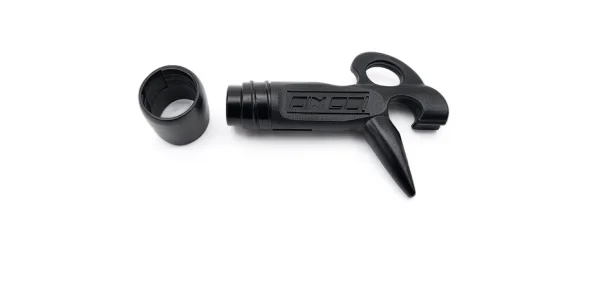
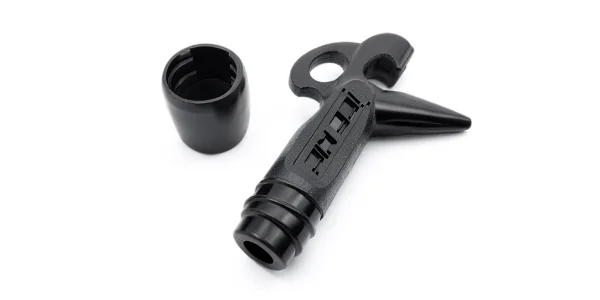
Texture etching is widely used in HVAC plastic components because it provides a controlled surface microstructure that enhances both functional performance and visual consistency without significantly increasing production cost. It allows manufacturers to address common challenges in injection molding while improving the aesthetic and durable qualities of the final product.
Key Benefits: Hiding Defects • Scratch Resistance • Glare Reduction • Cost Efficiency
Defect Masking & Surface Quality
By chemically or mechanically etching patterns into the mold surface, manufacturers can create matte or patterned finishes that effectively hide common injection molding defects.
Key Advantages:
- Effectively hides flow lines, weld lines, and minor sink marks.
- Provides visual consistency for large HVAC housings and panels.
- Eliminates the need for perfect surface uniformity difficult to achieve in large parts.
- Creates a controlled surface microstructure for better visual appeal.
Impact: Essential for large components where maintaining a flawless smooth surface is technically challenging and cost-prohibitive.
Durability & Maintenance
Textured surfaces significantly improve the component's ability to withstand daily wear and tear, making them ideal for industrial and high-traffic environments.
Key Advantages:
- Improved scratch resistance compared to smooth glossy surfaces.
- Reduces the visibility of wear, fingerprints, and dust accumulation.
- Maintains a cleaner appearance with less frequent cleaning required.
- Extends the aesthetic lifespan of the component in demanding settings.
Ideal For: Industrial environments, commercial spaces, and high-traffic areas where equipment is frequently serviced or exposed.
Design & Safety Benefits
From a design standpoint, texture etching enhances both the safety and perceived quality of HVAC components, particularly in environments with challenging lighting conditions.
Key Advantages:
- Reduces glare under strong lighting in mechanical rooms or commercial spaces.
- Improves safety for technicians by reducing reflective distractions.
- Enhances perceived quality and tactile feel of the product.
- Allows for consistent aesthetic standards across different batches and materials.
Note: Achieves high-end aesthetics without relying on costly secondary finishing processes like painting.
Manufacturing Efficiency
In terms of process efficiency, etched molds offer significant advantages during the molding process, leading to cost savings and higher production stability.
Key Advantages:
- Etched molds are more forgiving of slight variations in processing parameters.
- Texture compensates for minor processing inconsistencies.
- Leads to higher yield rates and more stable mass production.
- Reduces overall manufacturing complexity by eliminating secondary finishing.
標準的なシャットオフには、少なくとも3度が必要です。リブが深い場合(>20mm)、5度から7度が必要になることがあります。これがないと、金型開き時の摩擦がリブに引っかかり、「白化」(応力マーク)や取り出し不良を引き起こします。 Lower overall production costs and reduced complexity compared to smooth finishes requiring strict process control or painting.
Comparison: Textured vs. Smooth Surfaces
| Feature | Textured Surface (Etched) | Smooth Surface (Non-Etched) |
|---|---|---|
| Defect Visibility | Hides flow lines, sink marks, and weld lines effectively | Shows all defects clearly; requires strict process control |
| Wear & Maintenance | Hides scratches, fingerprints, and dust well | Shows wear and dirt easily; requires frequent cleaning |
| Lighting & Safety | Reduces glare; safer in bright environments | High glare potential; can be distracting |
| 工具痕跡と表面の欠陥の除去 | Higher mold cost, but lower unit cost & higher yield | Lower mold cost, but higher scrap rate/finishing cost |
Process Methods
Manufacturers typically utilize two primary methods to achieve these textures, chosen based on the desired pattern and volume requirements:
- Chemical Etching: Uses acid or corrosive agents to erode the mold surface, creating precise matte or patterned finishes. Ideal for complex textures.
- Mechanical Etching: Uses physical machining or blasting to create the texture. Offers high durability and consistency for high-volume production.
- Result: Both methods create a controlled microstructure that transfers to the plastic part during injection molding, locking in the functional and aesthetic benefits.
Why is UV-Resistant Coating Important for Outdoor HVAC Components?
UV-resistant coating is critical for outdoor HVAC components because it protects plastic and polymer materials from degradation caused by prolonged exposure to ultraviolet radiation, thereby preserving both structural integrity and appearance over time. Continuous UV exposure can break down molecular chains in materials such as ABS, PP, and PC, leading to discoloration, brittleness, and loss of mechanical strength. By applying UV-resistant coatings or incorporating stabilizers, manufacturers can significantly slow down this degradation process, ensuring durability and safety in harsh outdoor environments.
Key Benefits: Structural Integrity • Appearance Retention • Cost Reduction • Safety Compliance
Material Protection & Integrity
Molecular Stability
Protects molecular chains in materials like ABS, PP, and PC from breaking down due to prolonged ultraviolet radiation exposure.
Why it's crucial: Prevents the fundamental degradation that leads to loss of mechanical strength.
Mechanical Strength Retention
Ensures components maintain impact resistance, dimensional stability, and load-bearing performance over time.
Why it's crucial: Prevents brittleness and surface cracking that compromise safety and functionality.
Appearance Preservation
Prevents fading, chalking, and discoloration, maintaining consistent color and surface quality.
Why it's crucial: Supports brand image and perceived product quality throughout the component's life.
Component Longevity
Significantly slows down the degradation process for external housings, fan covers, and protective panels.
Why it's crucial: Extends the service life of parts exposed to sunlight year-round.
Environmental & Economic Benefits
Climate Adaptability
Critical for regions with high solar intensity or extreme climates where UV exposure is a primary design consideration.
Why it's crucial: Ensures reliability and durability in the harshest outdoor environments.
Maintenance Cost Reduction
Coated surfaces are less prone to weathering-related damage, reducing the frequency of replacement.
Why it's crucial: Lowers long-term operational costs and maintenance requirements.
Regulatory Compliance
Helps ensure compliance with durability standards for outdoor equipment exposed to sunlight year-round.
Why it's crucial: Meets safety and quality regulations required for market acceptance.
Application Methods
Protection can be applied via surface coatings or by incorporating stabilizers directly into the material compound.
Why it's crucial: Offers flexibility in manufacturing to achieve optimal protection levels.
Key Considerations for UV Protection
1
Material Compatibility
Different polymers (ABS, PP, PC) require specific UV stabilizers or coatings to effectively prevent molecular chain breakdown and ensure long-term durability.
2
Critical Components
Protection is essential for external housings, fan covers, and protective panels that are directly exposed to sunlight and responsible for structural safety.
3
🧪 材料特性
Designs must account for solar intensity and climate conditions of the installation site to determine the appropriate level of UV protection needed.
What Role does Polishing Play in HVAC Injection Mold Finishing?
Polishing plays a critical role in HVAC injection mold finishing by directly determining the surface quality, dimensional precision, and release performance of molded plastic components. Through progressive mechanical or chemical polishing processes, the mold cavity surface is refined to reduce roughness, eliminate machining marks, and achieve the desired level of gloss or smoothness required for specific HVAC applications. A well-polished mold surface ensures that molten plastic flows more uniformly during injection, minimizing turbulence and surface defects. In addition, polishing significantly improves demolding performance by reducing friction, contributing to higher production efficiency and longer mold life.
Key Roles: Surface Quality • Flow Optimization • Demolding Performance • Functional Efficiency

Process Impact & Functional Benefits
Polishing is not merely an aesthetic step; it fundamentally influences the molding process and the functional performance of the final HVAC component. Here is how polishing impacts different aspects of production.
Surface Quality & Precision
Refines the mold cavity surface to reduce roughness and eliminate machining marks, ensuring high-quality part surfaces.
Process Details:
- Progressive mechanical or chemical polishing
- Elimination of tool marks and surface imperfections
- 研磨剤と速度の制御
- Preparation for visible housings or sealing interfaces
Benefits:
- Superior dimensional precision of the cavity
- Consistent surface quality on molded parts
- Essential for aesthetic and functional surfaces
- Reduces need for secondary finishing
Plastic Flow Optimization
Ensures molten plastic flows more uniformly during injection, which is critical for large or complex HVAC parts.
Flow Dynamics:
- Reduces friction resistance during flow
- Minimizes turbulence and flow hesitation
- Prevents incomplete filling in thin sections
- Ensures even distribution of material
Defect Prevention:
- Minimizes weld lines and streaks
- Reduces visible flow marks on surfaces
- Improves structural integrity of the part
- Enhances overall molding consistency
Demolding Performance
Significantly improves the release of the part from the mold, protecting both the component and the tool.
Mechanism:
- Reduces friction between part and mold surface
- Facilitates smooth ejection stroke
- Prevents vacuum sticking in deep cavities
- Lowers ejection force requirements
Production Benefits:
- Lowers risk of sticking and deformation
- Prevents surface damage during ejection
- Contributes to higher production efficiency
- Extends the overall service life of the mold
Functional Performance
From a functional standpoint, smoother surfaces directly contribute to the operational efficiency of HVAC systems.
Airflow Efficiency:
- Enhances airflow in duct-related components
- Reduces air resistance and turbulence
- Improves overall system energy efficiency
- Minimizes noise caused by surface friction
Sealing Performance:
- Improves sealing in mating parts
- Ensures flatness for gasket interfaces
- Prevents leakage in critical assemblies
- Guarantees precise fitment of components
Technical Challenges & Engineering Significance
Technical Control Requirements
Strict Controls Needed:
- Selection of appropriate tooling materials
- Precision in polishing techniques
- Consistency across the entire cavity surface
- Control over polishing compound and speed
仕上げの比較:美的焦点対機能的焦点
- Ensures uniform surface finish quality
- Maintains critical dimensional tolerances
- Achieves desired gloss levels accurately
- Prevents inconsistencies in production
Risk Management
Potential Risks:
- Over-polishing leading to dimensional deviations
- Uneven treatment causing localized defects
- Loss of sharp edges or fine details
- Surface waviness from improper technique
Mitigation Strategies:
- Skilled operators and defined procedures
- Frequent dimensional checks during polishing
- Use of measurement templates and gauges
- Controlled documentation of process steps
Engineering Value Balance
Beyond Aesthetics:
- Polishing is a key engineering process
- Balances appearance with performance
- Optimizes manufacturability and mold life
- Directly influences part functionality
Strategic Outcomes:
- Reliable long-term molding production
- Reduced maintenance and repair costs
- Higher quality HVAC components
- Optimized total cost of ownership
How to Balance Aesthetics and Function in HVAC Surface Finishing?
Balancing aesthetics and function in HVAC surface finishing requires a coordinated approach that integrates material selection, surface texture design, and real-world performance requirements rather than prioritizing visual appearance alone. In practice, this means selecting finishes that not only meet design expectations—such as color consistency, gloss level, or texture uniformity—but also support durability, cleanability, and environmental resistance under operating conditions.
Key Strategy: Material Selection • Texture Design • Performance Integration
Aesthetic Considerations
High-Gloss Finishes
High-gloss finishes can enhance perceived quality and are highly suitable for visible control panels or indoor units where appearance is critical.
Why it's crucial: Must be carefully controlled to avoid highlighting scratches, flow marks, or dust accumulation, which can degrade the visual appeal.
Visual Consistency
Ensures color consistency, gloss level, and texture uniformity meet strict design expectations and brand standards.
Why it's crucial: Maintaining a consistent visual quality across different batches is essential for user satisfaction and brand image.
Manufacturing Precision
Achieving aesthetic goals requires aligning mold finishing processes, such as polishing, with strict process control to ensure repeatability.
Why it's crucial: Ensures that the desired visual quality is reproduced reliably in mass production without defects.
Functional Requirements
Matte & Textured Finishes
Matte or textured finishes are often preferred for large exterior housings because they reduce glare, conceal minor molding defects, and improve scratch resistance.
Why it's crucial: Provides superior durability and maintains visual consistency in high-traffic or harsh environments, despite potentially increasing cleaning difficulty.
Functional Zoning
A balanced strategy applies different surface treatments within the same component—smoother finishes for airflow channels to reduce resistance, and textured finishes for external durability.
Why it's crucial: Optimizes the component for both operational efficiency (airflow) and longevity (external durability).
Environmental Resistance
Environmental factors such as UV exposure, temperature variation, and humidity must be incorporated into finish selection to ensure long-term stability.
Why it's crucial: Ensures the surface maintains its integrity and appearance under operating conditions without compromising performance.
Finish Comparison: Aesthetic vs. Functional Focus
| Feature | 高品質な金型表面 | Matte/Textured (Functional Focus) |
|---|---|---|
| Primary Benefit | Enhances perceived quality and modern appearance. | Conceals defects, reduces glare, and improves scratch resistance. |
| Defect Visibility | Highlights scratches, flow marks, and dust accumulation. | Effectively hides minor molding defects and surface wear. |
| Maintenance | Requires frequent cleaning to maintain pristine look. | Hides dust and wear; may have higher surface friction. |
| Best Application | Indoor units, control panels, visible components. | Outdoor housings, high-traffic areas, large exterior panels. |
Frequently Asked Questions
Find answers to your key concerns regarding HVAC surface finishing. Understand how different finishes influence thermal performance by affecting heat absorption and dissipation. Explore the trade-offs between chemical and mechanical finishing methods to select the right process for your needs. Learn how proper surface treatment acts as a protective barrier against environmental stressors, ensuring long-term material aging resistance and consistency across large HVAC assemblies.
Key Topics: Thermal Performance • Finishing Methods • Material Aging • Assembly Consistency
How Does Surface Finishing Influence Thermal Performance in HVAC Plastic Parts?
Customer concern: Impact on thermal management and stability.
+
How Does Surface Finishing Influence Thermal Performance in HVAC Plastic Parts?
Customer concern: Impact on thermal management and stability.
Our Solutions:
Heat Absorption and Dissipation:
Surface finishing subtly but significantly affects thermal behavior. Dark or roughened finishes tend to absorb and retain more heat, which may not be ideal for components exposed to direct sunlight, while lighter or reflective finishes can help reduce heat buildup and improve thermal stability.
Airflow and Thermal Resistance:
Smoother internal surfaces can reduce thermal resistance in airflow-related parts, indirectly supporting more efficient temperature regulation within the system.
Optimization Strategy:
Selecting an appropriate finish is not only about appearance but also about optimizing how the component interacts with heat in real operating environments.
What Are the Trade-offs Between Chemical and Mechanical Surface Finishing Methods?
Customer concern: Choosing the right process for specific mold requirements.
+
What Are the Trade-offs Between Chemical and Mechanical Surface Finishing Methods?
Customer concern: Choosing the right process for specific mold requirements.
Our Solutions:
Chemical Finishing (Etching/Coating):
Chemical processes enable uniform surface treatment across complex geometries and can achieve consistent textures at scale. However, they require strict control of process parameters and environmental conditions.
Mechanical Finishing (Grinding/Micro-finishing):
Mechanical methods provide precise control over localized areas and are ideal for achieving high-precision surfaces. Yet, they are more labor-intensive and may introduce variability if not carefully managed.
Selection Criteria:
Choosing between these methods often depends on part geometry, required consistency, and production volume to balance efficiency and quality.
How Does Surface Finishing Impact Long-Term Material Aging in HVAC Applications?
Customer concern: Durability and lifespan under environmental stressors.
+
How Does Surface Finishing Impact Long-Term Material Aging in HVAC Applications?
Customer concern: Durability and lifespan under environmental stressors.
Our Solutions:
Protective Barrier Function:
Surface finishing plays a crucial role in how plastic components age. Certain finishes can act as protective barriers that slow down oxidation, moisture ingress, or surface erosion, thereby preserving mechanical properties and extending service life.
Risk of Improper Finishing:
Conversely, poorly selected or improperly applied finishes may accelerate degradation by trapping contaminants or creating micro-defects that propagate under stress.
Lifecycle Strategy:
A well-engineered finishing strategy ensures that the surface not only looks consistent initially but also maintains performance throughout the product lifecycle.
Why Is Consistency in Surface Finishing Critical for Large HVAC Assemblies?
Customer concern: Aesthetic quality and perception in multi-component systems.
+
Why Is Consistency in Surface Finishing Critical for Large HVAC Assemblies?
Customer concern: Aesthetic quality and perception in multi-component systems.
Our Solutions:
Visual Mismatch Prevention:
Consistency is essential because variations in texture, gloss, or color between different parts can lead to visible mismatches and perceived quality issues, even if each component meets individual specifications. In large systems, even slight deviations become more noticeable when assembled together.
Strict Process Control:
Maintaining consistent finishing requires tight control over mold condition, processing parameters, and material batches, ensuring that all parts exhibit uniform appearance and performance.
Business Impact:
This consistency directly supports brand perception, installation quality, and end-user satisfaction by delivering a cohesive, high-quality final product.