
環境センサーと監視装置 Enclosures
Professional protective casings for HVAC electrical components engineered for durability and safety. Custom plastic injection molding solutions with precision tolerances and global compliance.
Table of Contents
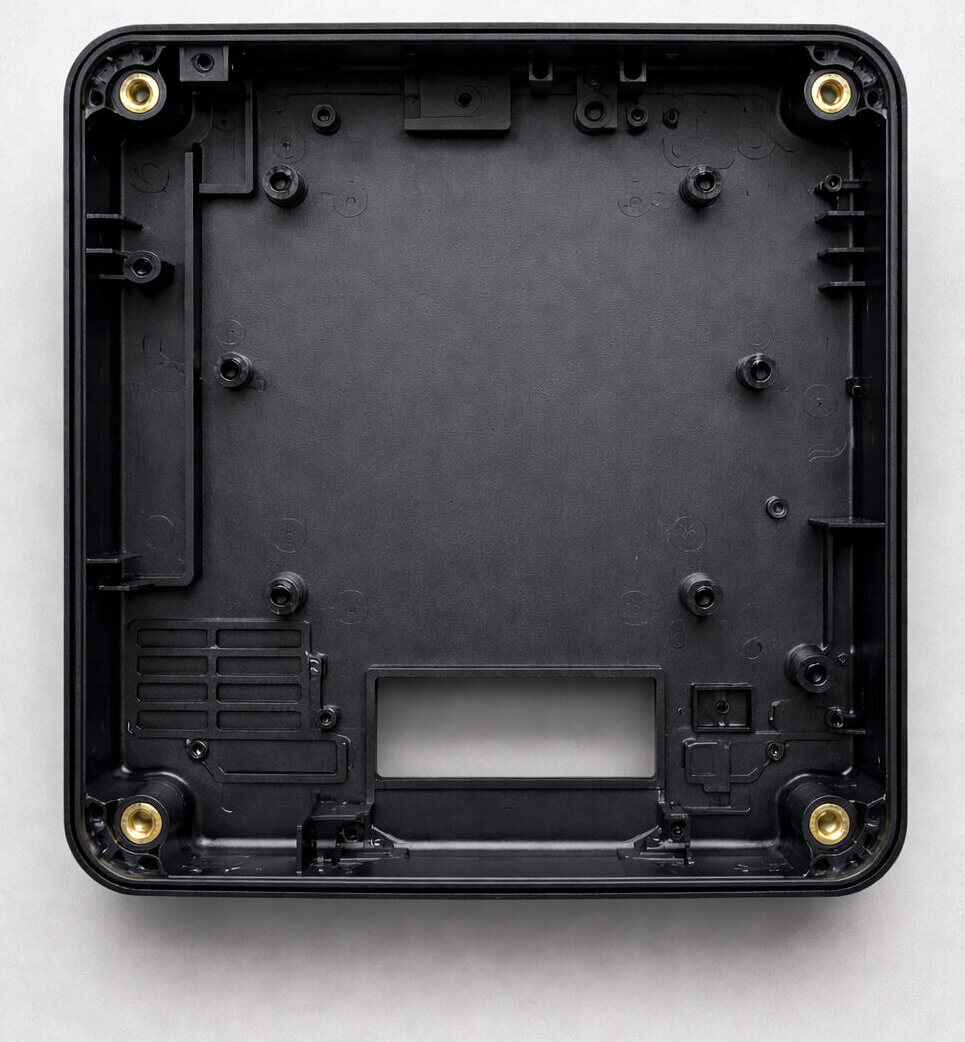
What are HVAC Electrical Enclosures?
HVAC electrical enclosures are protective casings designed to house and safeguard electrical components in heating, ventilation, and air conditioning systems. These enclosures serve critical functions including protection against environmental factors, electrical safety, and organization of control systems. They come in various materials, sizes, and ratings to suit different applications, from residential thermostats to industrial control panels. Properly designed enclosures ensure reliable operation of HVAC systems, protect sensitive electronics from dust, moisture, and physical damage, and comply with safety regulations and industry standards.
Key Function: Component Protection → Electrical Safety → Environmental Resistance → System Organization
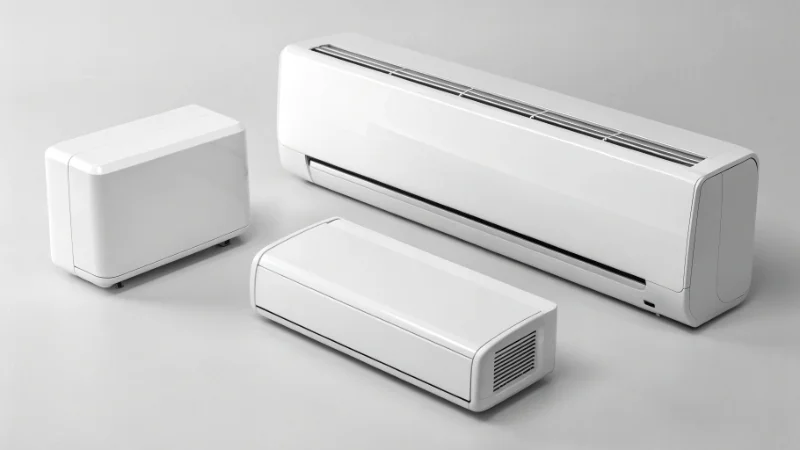
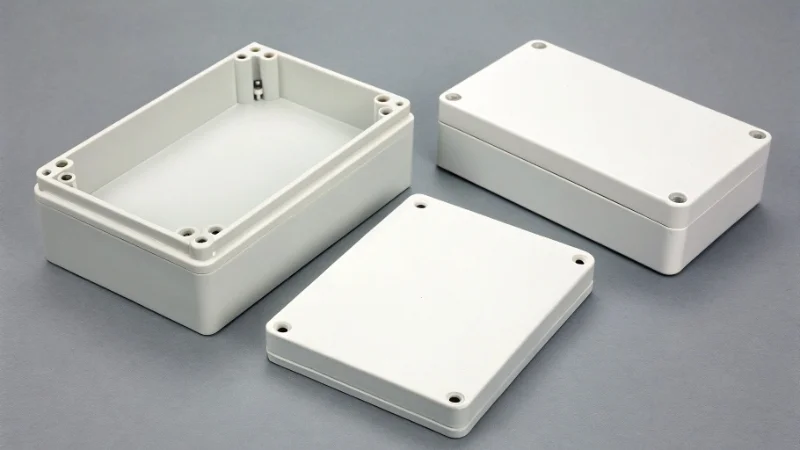
Types & Functions
Control Panel Enclosures
These house the main control electronics for HVAC systems, including circuit boards, relays, and connection terminals.
Why it's crucial for HVAC: Centralized control enclosures protect sensitive electronics and provide organized access for maintenance and troubleshooting.
Thermostat Enclosures
Designed to house temperature control interfaces, often featuring aesthetic designs to blend with interior decor.
Why it's important for HVAC: Thermostat enclosures protect control mechanisms while providing user-friendly access to temperature settings.
Junction Boxes
Used to protect electrical connections and wire splices throughout the HVAC system, preventing accidental contact and environmental damage.
Why it's important for HVAC: Junction boxes ensure electrical safety and maintain system integrity by protecting critical connection points.
Design & Materials
Material Selection
Common materials include polycarbonate, ABS, and fiberglass-reinforced plastics, each offering different benefits in terms of durability, flame resistance, and electrical insulation.
Why it's crucial for HVAC: Material choice affects electrical safety, durability, and compliance with industry standards like NEMA and IP ratings.
Environmental Protection
Enclosures are designed with specific sealing mechanisms to protect against dust, moisture, and other environmental factors based on application requirements.
Why it's crucial for HVAC: Proper environmental protection ensures reliable operation and extends the lifespan of sensitive electronic components.
Thermal Management
Advanced designs incorporate ventilation, heat sinks, or thermal materials to manage heat generated by electronic components.
Why it's crucial for HVAC: Proper thermal management prevents overheating, ensures optimal performance, and extends component lifespan.
What are the Different Types of HVAC Electrical Enclosures?
HVAC electrical enclosures come in various types, each designed for specific applications and environmental conditions. These enclosures are classified based on their protection capabilities, mounting styles, and intended use. Understanding the different types is crucial for selecting the appropriate enclosure that ensures safety, reliability, and compliance with industry standards. From basic junction boxes to sophisticated control panel enclosures, each type serves a unique function in protecting and organizing electrical components within HVAC systems.
Core Classification: Protection Level → Mounting Style → Application Type → Material Construction
| Enclosure Type | Primary Use | Protection Level | Key Features |
|---|---|---|---|
| Control Panel Enclosures | Main control electronics and system interfaces | NEMA 1-4X, IP20-66 | Hinged doors, mounting plates, cable entry points |
| Junction Boxes | Wire connections and splices | NEMA 1-4X, IP40-66 | Compact size, multiple knockouts, secure fastening |
| Thermostat Enclosures | Temperature control interfaces | NEMA 1-2, IP20-30 | Aesthetic design, display windows, user-friendly controls |
| Disconnect Enclosures | Power disconnect switches and circuit protection | NEMA 3R-4X, IP55-66 | Lockable doors, external handles, safety interlocks |
| Sensor Enclosures | Environmental sensors and monitoring devices | HVACシステムの安全性に不可欠です。UL 94 V-0またはV-1認定の材料は最高レベルの難燃性を提供し、火災リスクを低減します。 | Ventilation, transparent sections, mounting brackets |
Which Plastic Molding Processes are Suitable for HVAC Electrical Enclosures?
Different plastic molding processes offer varying advantages for manufacturing HVAC electrical enclosures. The selection of the appropriate process depends on factors such as enclosure complexity, precision requirements, production volume, and cost considerations. This analysis evaluates five common molding processes—Injection Molding, Extrusion, Vacuum Forming, Blow Molding, and Compression Molding—to determine their suitability for different types of electrical enclosures, helping manufacturers make informed decisions based on their specific application needs.
Key Processes: Injection Molding • Extrusion • Vacuum Forming • Blow Molding • Compression Molding
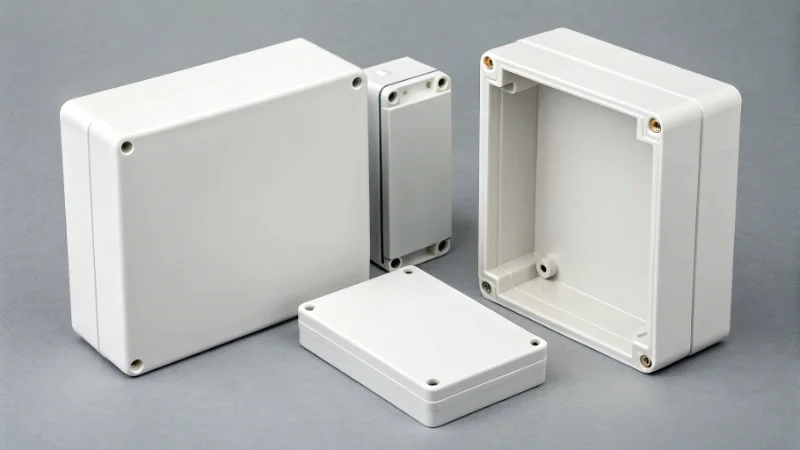
Injection Molding
The most suitable process for manufacturing HVAC electrical enclosures, offering high precision and complex geometry capabilities.
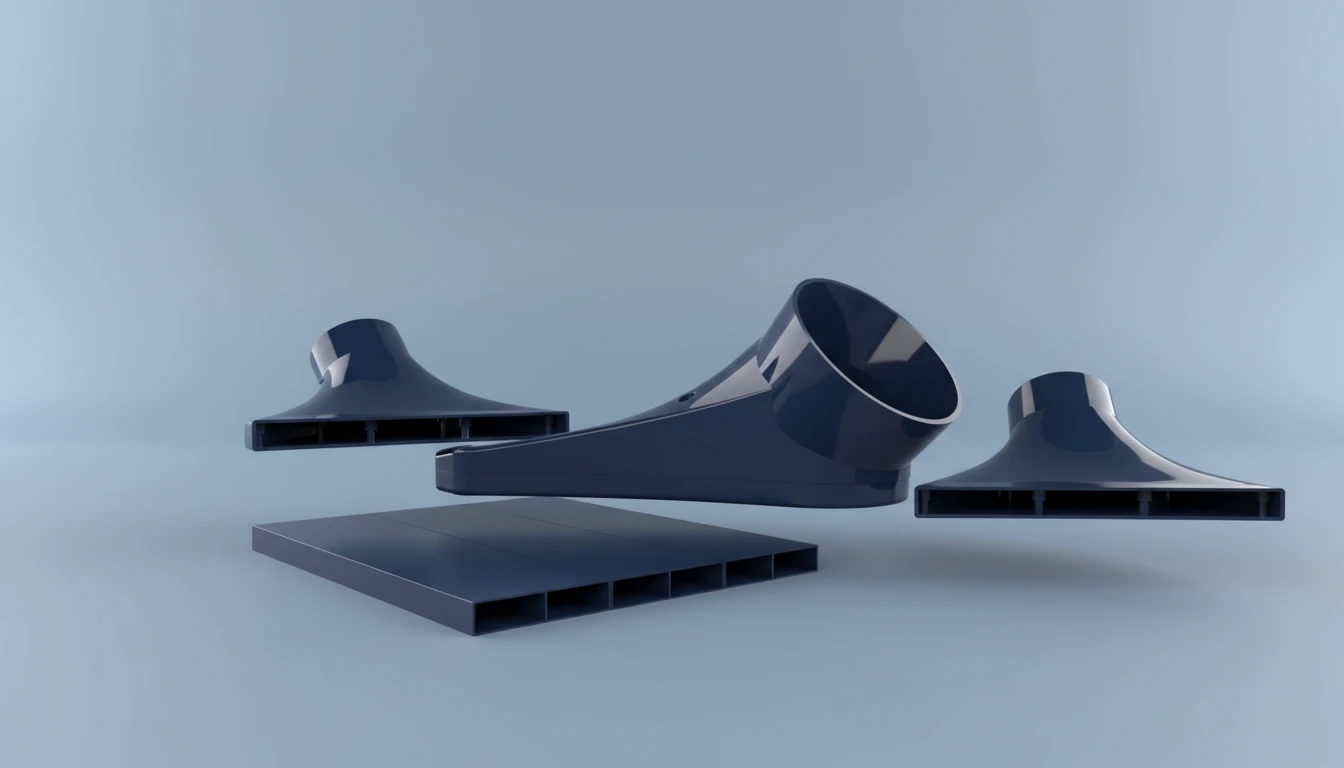
Extrusion
Suitable for specific types of enclosure components, particularly long, linear elements with consistent cross-sections.
Limitations:
Vacuum Forming
Suitable for large, simple enclosure panels with basic shapes and minimal complexity requirements.
Limitations:
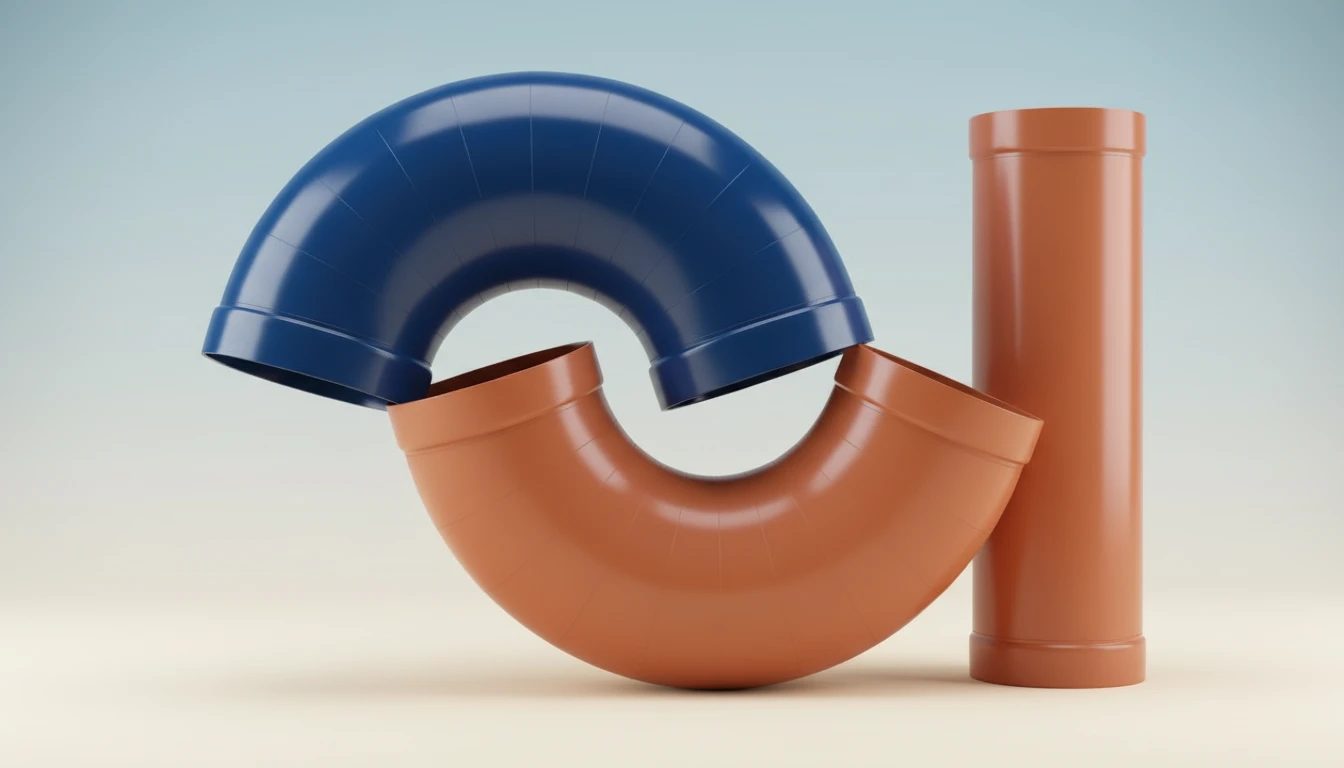
Blow Molding
Generally not suitable for manufacturing HVAC electrical enclosures due to fundamental process limitations.
Limitations:
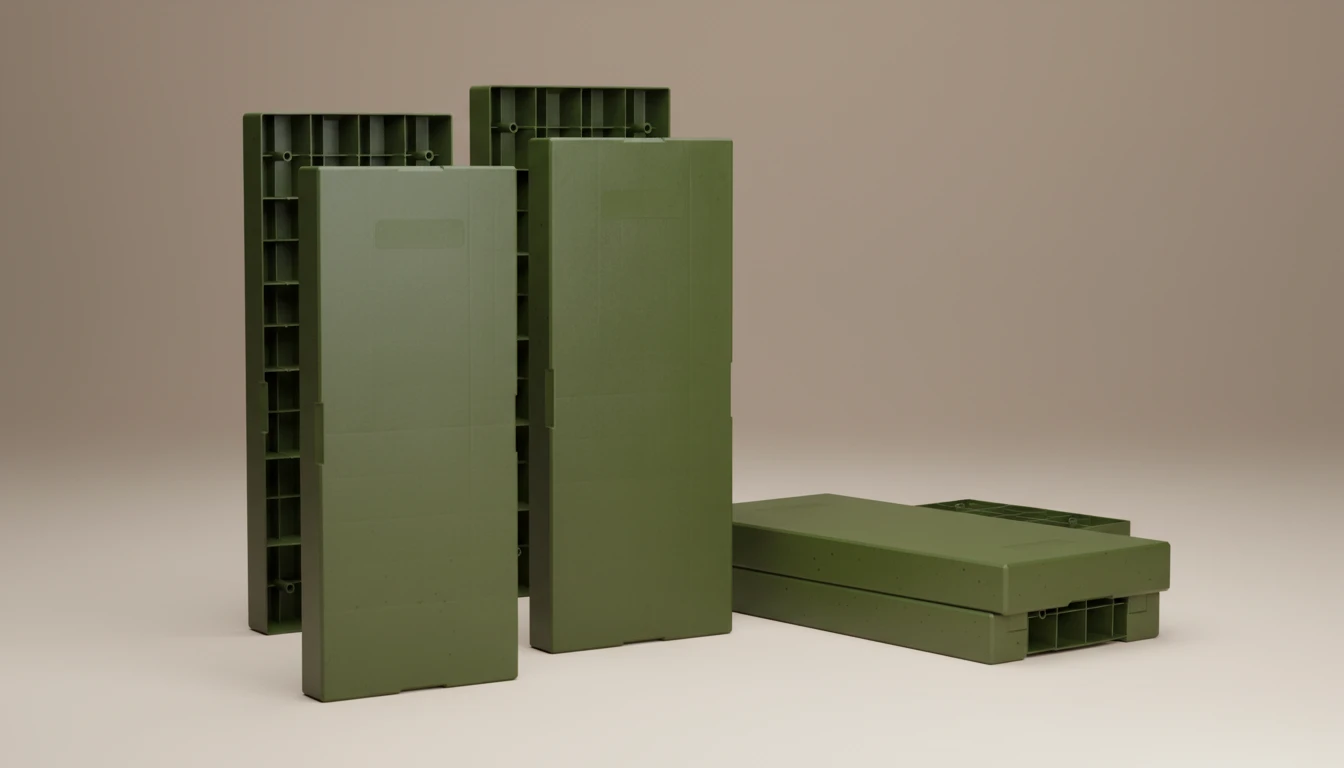
Compression Molding
Suitable for large, simple enclosure panels, particularly when using fiber-reinforced materials.
Limitations:
What are the Key Performance Metrics for Evaluating HVAC Electrical Enclosures?
Evaluating HVAC electrical enclosures requires a comprehensive look at several key performance areas. Protection capabilities ensure the safety and longevity of enclosed components, while thermal management guarantees optimal operating conditions. Structural and safety metrics confirm the enclosure's durability and compliance with industry standards. Finally, material properties and other factors like aesthetics and installation determine the long-term value and integration of the enclosure within the HVAC system.
Key Dimensions: Protection Capabilities • Thermal Management • Structural & Safety • Material Properties & Others
| Key Metric | What It Is | Why It Matters |
|---|---|---|
| 🛡️ Protection Capabilities | ||
| Ingress Protection (IP) Rating | A two-digit code that defines the level of protection against solid objects (like dust) and liquids (like water spray). | Critical for protecting sensitive electronics from environmental factors. Higher IP ratings (e.g., IP66) ensure protection against dust and powerful water jets. |
| NEMA Rating | A rating system that specifies the environmental conditions an enclosure can withstand, including protection against dust, water, ice, and corrosive materials. | Ensures the enclosure is suitable for specific environments. NEMA 4X enclosures, for example, provide corrosion resistance and protection against water spray. |
| Flame Resistance | The ability of the enclosure material to resist ignition, slow the spread of flames, and self-extinguish when the flame source is removed. | Essential for safety in HVAC systems. Materials with UL 94 V-0 or V-1 ratings provide the highest level of flame resistance, reducing fire risk. |
| 加工性に優れる: 射出成形機での流動性が良く、複雑な形状を実現可能。 | The material's ability to resist the flow of electric current, measured in dielectric strength (kV/mm). | Prevents electrical shorts and protects users from electric shock. Higher dielectric strength provides better protection for high-voltage components. |
| 🌡️ Thermal Management | ||
| Heat Dissipation | The enclosure's ability to dissipate heat generated by internal components, often enhanced through ventilation, heat sinks, or thermal materials. | Prevents overheating of electronic components, which can cause malfunctions or premature failure. Proper thermal management extends equipment lifespan. |
| Thermal Stability | The material's ability to maintain its physical properties at elevated temperatures, measured by Heat Deflection Temperature (HDT) or Vicat Softening Point. | Ensures the enclosure maintains its shape and protective properties in high-temperature environments common in HVAC applications. |
| 🏗️ Structural & Safety Performance | ||
| Impact Resistance | The ability of the enclosure to withstand mechanical impacts without cracking or breaking, often measured in Izod or Charpy impact strength. | Protects internal components from physical damage during installation, maintenance, or accidental impacts in service environments. |
| UV Resistance | The material's ability to resist degradation from ultraviolet radiation exposure. | Critical for outdoor installations or enclosures exposed to sunlight. UV-resistant materials maintain their mechanical properties and appearance over time. |
| Chemical Resistance | The material's ability to withstand exposure to various chemicals without degradation. | Important in industrial environments where enclosures may be exposed to cleaning agents, oils, or other chemicals. Ensures long-term durability. |
| Corrosion Resistance | The material's ability to resist degradation from corrosive environments, particularly important in coastal or industrial areas. | Prevents material degradation that could compromise the enclosure's protective capabilities. Materials like polycarbonate and ABS offer excellent corrosion resistance. |
| 🔧 Material Properties & Other Factors | ||
| Dimensional Stability | The material's ability to maintain its dimensions under various temperature and humidity conditions. | Ensures proper fit of components and maintains sealing integrity. Critical for enclosures with tight tolerances or sealing requirements. |
| Ease of Modification | How easily the enclosure can be modified for cutouts, mounting holes, or other customizations. | Allows for customization to specific application needs without compromising structural integrity. Important for specialized HVAC installations. |
| Installation Features | Design elements that facilitate installation, such as mounting flanges, pre-drilled holes, or modular components. | Reduces installation time and labor costs. Well-designed installation features ensure proper mounting and alignment for optimal performance. |
What are the Common Plastics Used for HVAC Electrical Enclosures?
When selecting materials for your HVAC electrical enclosures, you have several excellent options to consider. Polycarbonate (PC) offers superior impact resistance and flame retardancy for most demanding applications, making it ideal for protecting sensitive electronics. ABS provides a cost-effective solution with good mechanical properties for indoor control panels. For outdoor applications requiring UV resistance, polycarbonate with UV stabilizers or ASA (Acrylonitrile Styrene Acrylate) are excellent choices. When flame retardancy is critical, PC/ABS blends with flame-retardant additives meet stringent safety standards. Your choice ultimately depends on your specific needs: location, environmental exposure, safety requirements, and electrical performance.
Key Materials: PC • ABS • ASA • PC/ABS Blends
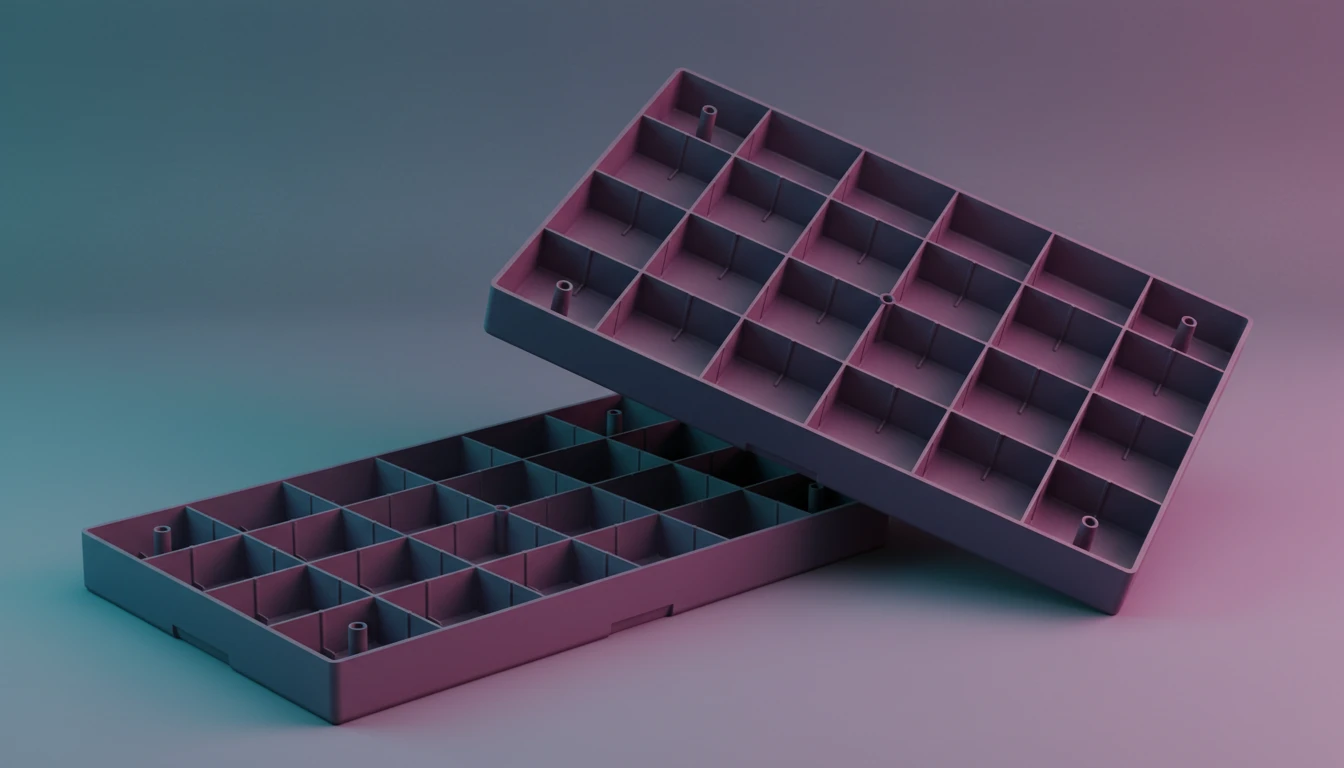
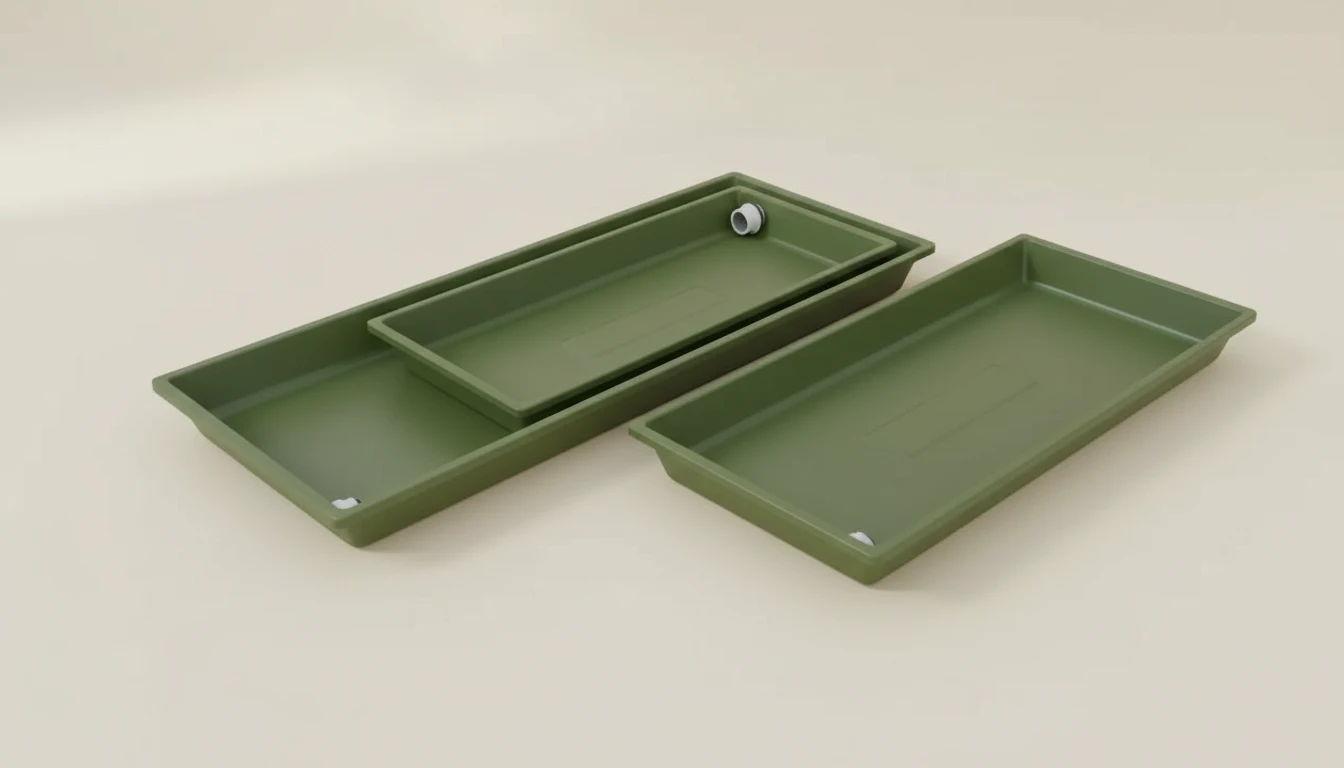
PC (Polycarbonate)
Polycarbonate is the premium choice for electrical enclosures, offering exceptional strength, impact resistance, and flame retardancy.
Key Properties:
- Exceptional impact strength: Virtually unbreakable, providing maximum protection for sensitive electronics.
- High heat resistance: Maintains structural integrity at elevated temperatures common in electrical applications.
- Excellent flame retardancy: Self-extinguishing properties meet stringent electrical safety standards.
- Superior dimensional stability: Maintains precise shape and size across temperature variations.
- Good electrical insulation properties: Provides effective electrical isolation for components.
Common Applications:
- Outdoor control panels and junction boxes
- Industrial automation equipment enclosures
- High-voltage component housing
- Applications requiring NEMA/IP ratings for environmental protection
Limitation: More expensive than other materials and may require UV stabilizers for prolonged outdoor exposure.
ABS (Acrylonitrile Butadiene Styrene)
ABS is a versatile and cost-effective material for electrical enclosures, especially for indoor applications and control panels.
Key Properties:
- Good impact resistance: Provides adequate protection for most indoor electronic components.
- Excellent surface finish: Can be manufactured with a high-gloss, smooth, or textured surface.
- Cost-effective: Offers a great balance of performance and price for high-volume applications.
- Easy to process: Flows well in injection molding machines, allowing for complex shapes.
- 金型設計と製造性.
Common Applications:
- Indoor control panels and junction boxes
- Thermostat housings and interface panels
- Low-voltage component enclosures
- Decorative control panels where aesthetics are important
Limitation: Standard ABS has poor UV resistance and lower flame retardancy compared to PC. For outdoor use, it must be formulated with UV stabilizers and flame retardants.
ASA (Acrylonitrile Styrene Acrylate)
ASA is an excellent choice for outdoor electrical enclosures, combining the properties of ABS with superior weather resistance.
Key Properties:
- Exceptional weather resistance: Maintains color and mechanical properties after prolonged UV exposure.
- Good impact resistance: Similar to ABS but with better retention of properties after weathering.
- Color stability: Resists fading and yellowing better than ABS or PC.
- Chemical resistance: Better resistance to environmental chemicals than ABS.
- Good surface finish: Can be manufactured with various textures and finishes.
Common Applications:
- Outdoor control panels and junction boxes
- Weatherproof equipment enclosures
- Applications requiring long-term color stability
- Coastal installations with high salt exposure
Limitation: More expensive than ABS and has lower flame retardancy than PC. May require flame-retardant additives for certain applications.
PC/ABS Blends
PC/ABS blends combine the best properties of both materials, offering a balanced solution for many electrical enclosure applications.
Key Properties:
- Excellent balance of properties: Combines the impact resistance of PC with the processability of ABS.
- Good heat resistance: Better than ABS alone, suitable for most electrical applications.
- Enhanced flame retardancy: Can be formulated to meet stringent safety standards.
- Cost-effective: Less expensive than pure PC while offering superior performance to ABS.
- Good surface finish: Can be manufactured with various textures and finishes.
Common Applications:
- Industrial control panels and junction boxes
- Automotive electronics enclosures
- Applications requiring both impact resistance and flame retardancy
- Medium-voltage component housing
Limitation: Properties depend on the specific blend ratio. May require UV stabilizers for outdoor applications.
Comparison at a Glance
| Material | Key Strengths | Best For |
|---|---|---|
| PC | Impact resistance, flame retardancy, heat resistance | High-end outdoor enclosures and safety-critical applications |
| ABS | Cost-effectiveness, surface finish, ease of processing | Indoor control panels and cost-sensitive applications |
| ASA | Weather resistance, color stability, UV resistance | Outdoor applications with prolonged sun exposure |
| PC/ABS | Balanced properties, good flame retardancy, cost-effective | Industrial applications requiring both durability and safety |
Special Additives and Grades
To enhance these base plastics, manufacturers often use special formulations:
- Flame-Retardant (FR) Grades: Additives are mixed into the plastic to meet strict fire safety standards (e.g., UL 94 V-0).
- UV-Stabilized Grades: Plastics (especially ABS and PC) are compounded with UV absorbers and inhibitors to prevent degradation and yellowing from sun exposure.
- Glass-Filled (GF) Grades: Adding glass fibers to plastics like PC or ABS significantly increases their rigidity, strength, and heat resistance.
- Conductive Grades: Adding carbon black or other conductive materials creates static-dissipative properties for sensitive electronic applications.
What are Mold Design Considerations for Electrical Enclosures?
Effective mold design is critical for producing high-quality electrical enclosures that meet both functional and safety requirements. The design process must balance precision engineering with manufacturability, considering factors such as wall thickness uniformity, sealing features, and mounting points. Advanced mold designs enable the integration of features like cable glands, mounting flanges, and connector cutouts directly into the enclosure, reducing assembly steps and improving product reliability. Understanding these considerations is essential for optimizing production efficiency, minimizing defects, and ensuring the final product provides adequate protection for electrical components.
Key Focus: Precision Engineering • Sealing Features • Mounting Integration • Production Efficiency
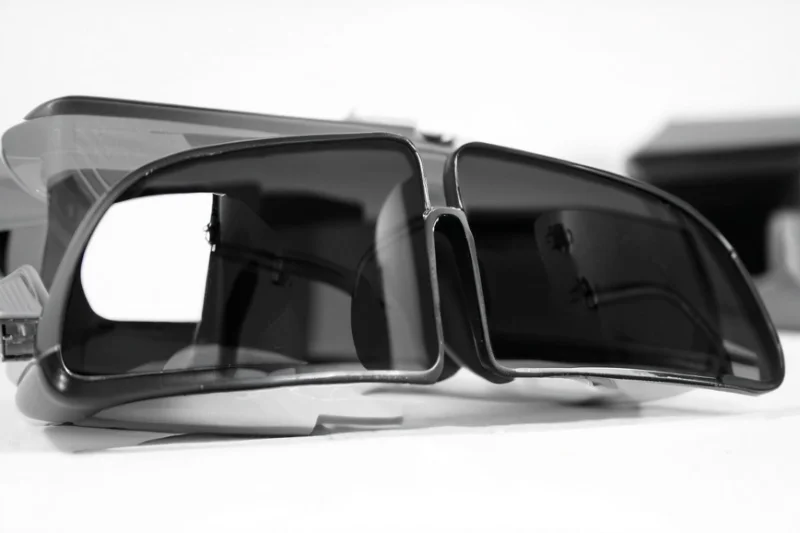
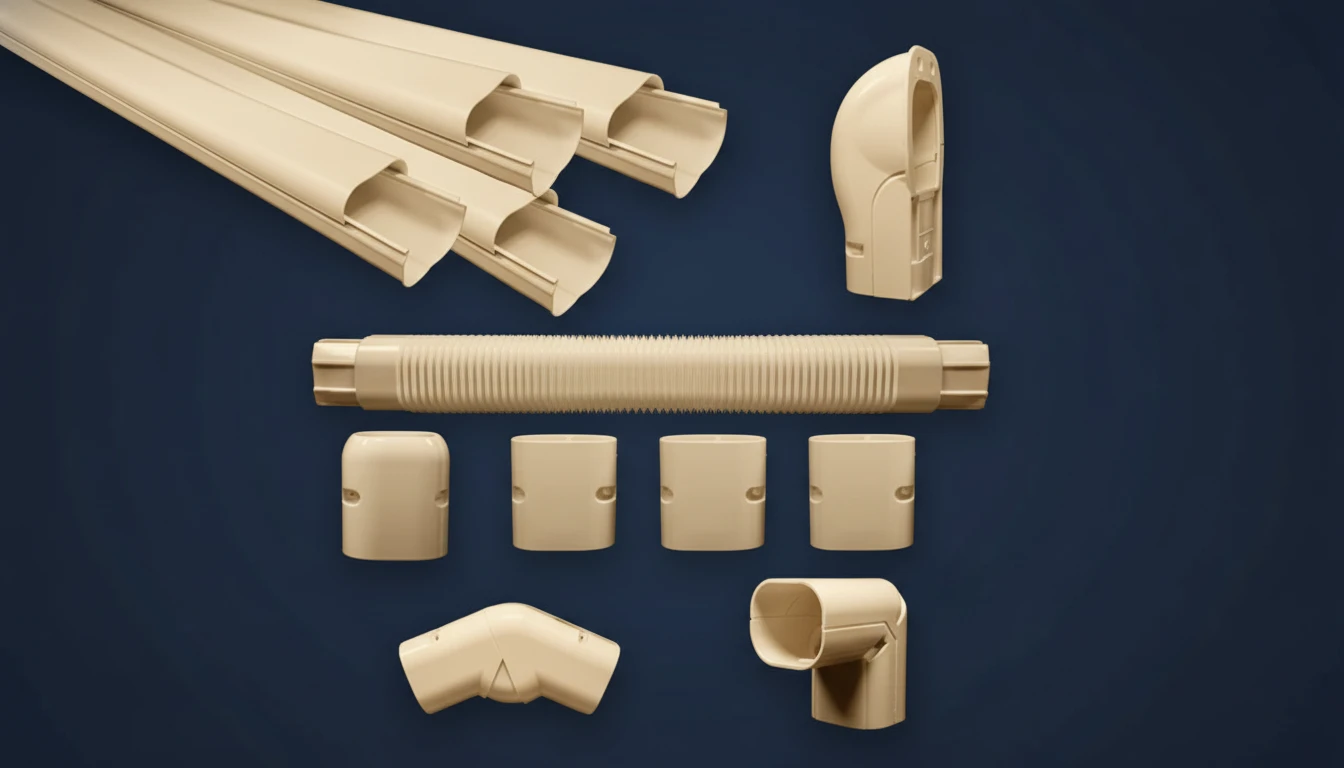
Mold Design & Manufacturability
不良なシーリング
Maintaining consistent wall thickness prevents sink marks, warping, and internal stress, ensuring dimensional stability of the enclosure.
Why it's crucial: Uniform walls are essential for proper sealing and structural integrity of electrical enclosures.
Cooling System Design
Efficient cooling channel design reduces cycle time and prevents warpage, especially for large, flat enclosure panels.
Why it's crucial: Proper cooling is essential for maintaining flatness and preventing distortion of enclosure doors and panels.
Gate Design
Strategic gate placement minimizes visible marks and ensures proper filling of thick sections without creating weak points.
Why it's crucial: Proper gate placement is critical for maintaining the structural integrity and appearance of the enclosure.
Parting Line Selection
Strategic placement of parting lines in inconspicuous locations enhances product aesthetics and sealing effectiveness.
Why it's crucial: Well-planned parting lines improve sealing and reduce post-processing requirements.
Integrated Functionality
Integrated Mounting Features
Precision mold design enables mounting flanges, brackets, and DIN rail clips to be formed directly with the enclosure body.
Why it's crucial: Integrated mounting features reduce assembly steps and improve installation efficiency.
Sealing Gasket Design
Precise molding creates channels and grooves for sealing gaskets, ensuring IP-rated protection without additional components.
Why it's crucial: Integrated sealing features improve environmental protection and reduce assembly costs.
Cable Entry Points
Molded cable glands and conduit entry points can be designed directly into the enclosure for secure cable management.
Why it's crucial: Integrated cable entry points ensure proper cable protection and reduce installation time.
Hinge and Latch Integration
Living hinges and snap-fit latches can be molded directly into enclosure doors for tool-free access and operation.
Why it's crucial: Integrated hinges and latches reduce component count and improve reliability.
Design for Manufacturability (DFM)
1
Draft Angles
All vertical surfaces require appropriate draft angles (typically 1-3°) to facilitate ejection from the mold without damaging the part or the mold itself.
2
Rib Design
Properly designed ribs increase stiffness without causing sink marks or warping, maintaining flatness of enclosure panels.
3
Boss Design
Properly designed bosses for self-tapping screws prevent cracking and ensure secure assembly of components.
How to Control Quality and Prevent Defects in Electrical Enclosures?
When sourcing electrical enclosures, consistent quality directly impacts the safety and reliability of your HVAC systems. A comprehensive quality control system addresses common defects in plastic molding before they become your problems, ensuring every enclosure meets your exact specifications. This approach prevents issues like warping, inadequate sealing, and structural weaknesses that could compromise component protection. By implementing rigorous inspection protocols from material verification to final testing, you receive enclosures that maintain dimensional accuracy, structural integrity, and proper sealing characteristics. This proactive quality management protects your projects from costly rework and warranty claims while ensuring reliable long-term performance of your electrical components.
Quality Focus: Defect Prevention • Sealing Integrity • Structural Testing
Common Defect Analysis & Solutions
Understanding potential defects helps you evaluate suppliers more effectively. Here's how we prevent the most common issues that can compromise your product quality.
Warping
Deformation of the enclosure panels or doors, affecting sealing effectiveness and component fit.
Common Causes:
- Uneven cooling of large, flat surfaces
- Non-uniform wall thickness
- High internal stresses from improper flow
- Inadequate mold temperature control
Solutions:
- Design uniform cooling channels in mold
- Optimize wall thickness uniformity
- Implement proper gate design and location
- Use conformal cooling for complex geometries
Poor Sealing
溶融温度と成形温度.
Common Causes:
- Dimensional inaccuracies in mating surfaces
- Warped or distorted enclosure panels
- Improper gasket groove design
- Inconsistent wall thickness
Solutions:
- Implement precise dimensional control
- Optimize cooling to prevent warping
- Design proper gasket channels and grooves
- Perform sealing tests during quality control
Insufficient Structural Strength
Weak points in the enclosure structure that may fail under load or impact.
Common Causes:
- Inadequate wall thickness
- Poorly designed ribs and reinforcements
- Stress concentration at sharp corners
- Weak mounting points
Solutions:
- Optimize wall thickness for strength and weight
- Design proper rib placement and geometry
- Use rounded corners to reduce stress concentration
- Reinforce mounting points with proper boss design
Surface Defects
Imperfections on the enclosure surface that affect appearance and potentially functionality.
Common Causes:
- Improper mold temperature control
- Contaminated material or mold surface
- Inadequate venting in the mold
- Moisture in the material
Solutions:
- Optimize mold temperature parameters
- Implement proper material drying procedures
- Ensure adequate mold venting
- Maintain clean mold surfaces
Quality Assurance Process
First Article Inspection (FAI)
FAI Includes:
- Complete dimensional verification using CMM
- Material certification and property testing
- Visual inspection for surface defects
- Sealing effectiveness testing
- Structural strength verification
FAI Benefits:
- Identifies issues before mass production
- Establishes baseline quality standards
- Validates tooling and process parameters
- Reduces costly rework and scrap
- Ensures your requirements are met
In-Process Quality Control (IPQC)
Monitored Parameters:
- Injection pressure and speed profiles
- Melt and mold temperatures
- 低い。大量生産により経済的です。
- Part weight and dimensional stability
- Visual defect detection
Control Methods:
- Statistical Process Control (SPC) charts
- Automated vision inspection systems
- Regular sampling and measurement
- Real-time parameter monitoring
- Operator training and standardized procedures
Advanced Testing Equipment
Dimensional Verification:
- Coordinate Measuring Machine (CMM): Provides precise 3D measurements with accuracy up to ±0.002mm
- Optical Comparators: For 2D profile verification of complex geometries
- Digital Calipers & Micrometers: For routine dimensional checks
- 3D Scanning Systems: For comprehensive surface analysis
Performance Testing:
- IP Rating Test Chambers: Verify water and dust ingress protection
- Impact Testing Equipment: Test resistance to mechanical impact
- Flame Retardancy Testers: Verify compliance with safety standards
- Environmental Chambers: Test performance under various temperature/humidity conditions
What are the Advantages and Disadvantages of Plastic Electrical Enclosures?
Plastic electrical enclosures offer a unique set of advantages, making them a strong contender in many applications. Their cost-effectiveness, design flexibility, and electrical insulation properties make them ideal for specific environments. However, they also have distinct limitations, particularly regarding heat dissipation and mechanical strength, which must be carefully considered. The choice between plastic and other materials ultimately depends on a balance between budget, environmental conditions, and performance requirements.
Key Trade-off: Cost & Design Flexibility vs. Heat Dissipation & Mechanical Strength
Advantages
Design Flexibility
Plastic allows for complex shapes, integrated features, and custom designs that would be difficult or expensive with metal.
Why it's crucial: Enables integration of mounting points, cable entries, and other features directly into the enclosure.
加工性に優れる: 射出成形機での流動性が良く、複雑な形状を実現可能。
Plastic is naturally non-conductive, providing excellent electrical insulation for sensitive components.
Why it's crucial: Eliminates the need for additional insulation and reduces the risk of electrical shorts.
Corrosion Resistance
Plastic is inherently resistant to environmental factors that degrade metals, such as moisture and chemicals.
Why it's crucial: Ideal for harsh environments without needing protective coatings or treatments.
Disadvantages
Limited Heat Dissipation
Plastic has lower thermal conductivity than metal, making it less effective at dissipating heat from electronic components.
Why it's crucial: May require additional cooling solutions for high-power applications.
Lower Mechanical Strength
Plastic is generally not as strong as metal, making it more susceptible to damage from impact and deformation under load.
Why it's crucial: May not be suitable for high-impact industrial environments without reinforcement.
Temperature Limitations
Plastic has lower heat resistance than metal and may deform or lose structural integrity at elevated temperatures.
Why it's crucial: Not suitable for applications with high ambient temperatures or heat-generating components.
Material Comparison: Plastic vs. Metal Enclosures
| Feature | Plastic Enclosures | Metal Enclosures |
|---|---|---|
| Cost | Lower. More economical for high-volume production. | マルチキャビティオプション:. |
| Design Flexibility | Excellent. Complex shapes and integrated features are easily achievable. | Limited. Complex designs require expensive tooling and processes. |
| Heat Dissipation | Poor. Low thermal conductivity requires additional cooling solutions. | Excellent. High thermal conductivity naturally dissipates heat. |
| 加工性に優れる: 射出成形機での流動性が良く、複雑な形状を実現可能。 | Excellent. Naturally non-conductive. | Poor. Conductive and requires additional insulation. |
| Best Application | Low to medium power applications, indoor use, cost-sensitive projects. | High-power applications, harsh environments, industrial settings. |
Frequently Asked Questions
Find answers to your key concerns in HVAC electrical enclosures injection molding FAQ. Get expert guidance on selecting the right materials—PC, ABS, ASA, or PC/ABS blends—for your specific application requirements. Explore precision mold design for complex enclosure structures, ensuring strict dimensional tolerances within ±0.1mm and effective sealing features for IP-rated protection. Discover comprehensive solutions that meet both your functional performance and safety needs, with various surface finishes and integration options to perfectly match your HVAC system requirements.
Key Services: Material Selection • Precision Mold Design • Sealing Features • Quality Control • Safety Compliance
Which Plastic Material is Best for Electrical Enclosures?
Customer concern: Material selection for optimal performance and safety.
+
Which Plastic Material is Best for Electrical Enclosures?
Customer concern: Material selection for optimal performance and safety.
Our Solutions:
Material Recommendations Based on Application:
We recommend materials based on your specific requirements:
| Material | Best For | Key Properties |
|---|---|---|
| PC | High-end outdoor enclosures, safety-critical applications | Superior impact strength, flame retardancy, heat resistance |
| ABS | Indoor control panels, cost-sensitive applications | Cost-effective, good surface finish, adequate impact resistance |
| ASA | Outdoor applications with prolonged sun exposure | Excellent weather resistance, color stability, UV resistance |
| PC/ABS | Industrial applications requiring both durability and safety | Balanced properties, good flame retardancy, cost-effective |
Can You Produce Enclosures with IP-Rated Protection?
Customer concern: Environmental protection and sealing effectiveness.
+
Can You Produce Enclosures with IP-Rated Protection?
Customer concern: Environmental protection and sealing effectiveness.
Our Solutions:
IP-Rated Enclosure Design:
We specialize in designing enclosures that meet various IP ratings (from IP54 to IP68) for different environmental protection needs.
Sealing Features:
Our enclosures incorporate precision-molded gasket channels, tongue-and-groove joints, and cable gland entries to ensure effective sealing against dust and water ingress.
Testing and Verification:
All IP-rated enclosures undergo rigorous testing to verify compliance with the specified protection level, including dust chamber testing and water jet testing.
How Do You Ensure Proper Heat Dissipation in Plastic Enclosures?
Customer concern: Thermal management for electronic components.
+
How Do You Ensure Proper Heat Dissipation in Plastic Enclosures?
Customer concern: Thermal management for electronic components.
Our Solutions:
Thermal Design Features:
We incorporate various thermal management features into our enclosure designs, including heat sinks, ventilation grilles, and thermal channels.
Material Selection:
For applications with higher heat generation, we recommend materials with better thermal properties, such as glass-filled PC or PC with thermal additives.
Thermal Analysis:
Our engineering team performs thermal analysis to optimize enclosure design for heat dissipation, ensuring proper operating temperatures for electronic components.
Can You Produce Enclosures with Custom Mounting Features?
Customer concern: Integration with existing systems and mounting requirements.
+
Can You Produce Enclosures with Custom Mounting Features?
Customer concern: Integration with existing systems and mounting requirements.
Our Solutions:
Custom Mounting Integration:
We can design and produce enclosures with various mounting features, including DIN rail clips, wall mounting brackets, flanges, and custom attachment points.
Precision Engineering:
Our engineering team ensures that mounting features are precisely positioned and designed to provide secure installation and proper alignment with your system.
Tool-Free Installation:
We can incorporate snap-fit mounting features and quick-release mechanisms to simplify installation and maintenance without requiring specialized tools.
What's the Typical Production Cycle Time for Electrical Enclosures?
Customer concern: Production efficiency and delivery timelines.
+
What's the Typical Production Cycle Time for Electrical Enclosures?
Customer concern: Production efficiency and delivery timelines.
Our Solutions:
Cycle Time Range:
Production cycle times typically range from 25-45 seconds, depending on enclosure size, wall thickness, and material.
Efficiency Optimization:
We optimize cooling channels, gate design, and ejection mechanisms to minimize cycle time while maintaining part quality and flatness.
Multi-Cavity Options:
HVAC電気筐体 - カスタムプラスチックソリューション | HVACore.
How Do You Ensure Flame Retardancy in Electrical Enclosures?
Customer concern: Safety compliance and fire protection.
+
How Do You Ensure Flame Retardancy in Electrical Enclosures?
Customer concern: Safety compliance and fire protection.
Our Solutions:
Flame-Retardant Materials:
We use specially formulated flame-retardant grades of materials that meet various safety standards, including UL 94 V-0, V-1, and V-2 classifications.
Testing and Certification:
All flame-retardant enclosures undergo rigorous testing to verify compliance with relevant safety standards and can be provided with appropriate certification.
Design Considerations:
Our designs minimize flame propagation and self-extinguishing properties through proper material selection and design features that prevent flame spread.
Can You Produce Enclosures with Integrated Cable Management?
Customer concern: Cable organization and entry points.
+
Can You Produce Enclosures with Integrated Cable Management?
Customer concern: Cable organization and entry points.
Our Solutions:
Integrated Cable Management:
We can design and produce enclosures with integrated cable management features, including cable glands, conduit entries, internal cable routing channels, and strain relief features.
Custom Cable Entry Points:
Our enclosures can be designed with custom-sized and positioned cable entry points to match your specific cable requirements and maintain IP ratings.
Internal Organization:
We can incorporate internal features like cable tie points, mounting posts, and dividers to organize and secure cables within the enclosure.
What Quality Control Measures Do You Implement for Electrical Enclosures?
Customer concern: Quality assurance and compliance with standards.
+
What Quality Control Measures Do You Implement for Electrical Enclosures?
Customer concern: Quality assurance and compliance with standards.
Our Solutions:
Dimensional Inspection:
We use coordinate measuring machines (CMM) and optical inspection systems to verify critical dimensions and ensure consistency with design specifications.
Sealing Effectiveness Testing:
Our quality control process includes IP rating tests to verify that each enclosure meets the specified protection level against dust and water ingress.
Material Compliance Testing:
We perform material testing to verify flame retardancy, UV resistance, and other properties to ensure compliance with relevant standards and specifications.