
Ducts & Elbows
Hogere drukval dan starre leidingen
Table of Contents
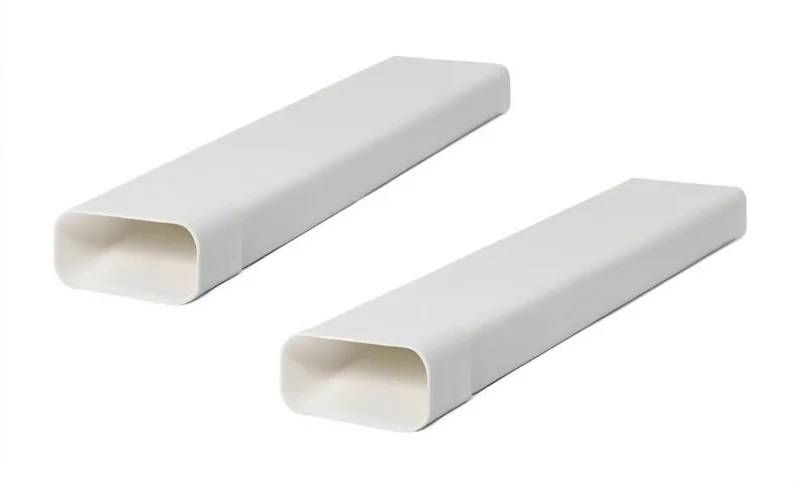
What are HVAC Ducts & Elbows?
HVAC ducts and elbows are essential components that form the circulatory system of heating, ventilation, and air conditioning installations. These pathways transport conditioned air throughout buildings, ensuring proper temperature distribution and air quality. Ducts come in various shapes, sizes, and materials, while elbows provide directional changes to navigate around obstacles and optimize space utilization. Modern plastic duct systems offer advantages including corrosion resistance, lighter weight, and improved thermal insulation compared to traditional metal alternatives. Properly designed ductwork minimizes pressure loss, reduces energy consumption, and maintains consistent airflow to all areas of a building.
Key Function: Air Transport → Pressure Regulation → Direction Control → Energy Efficiency

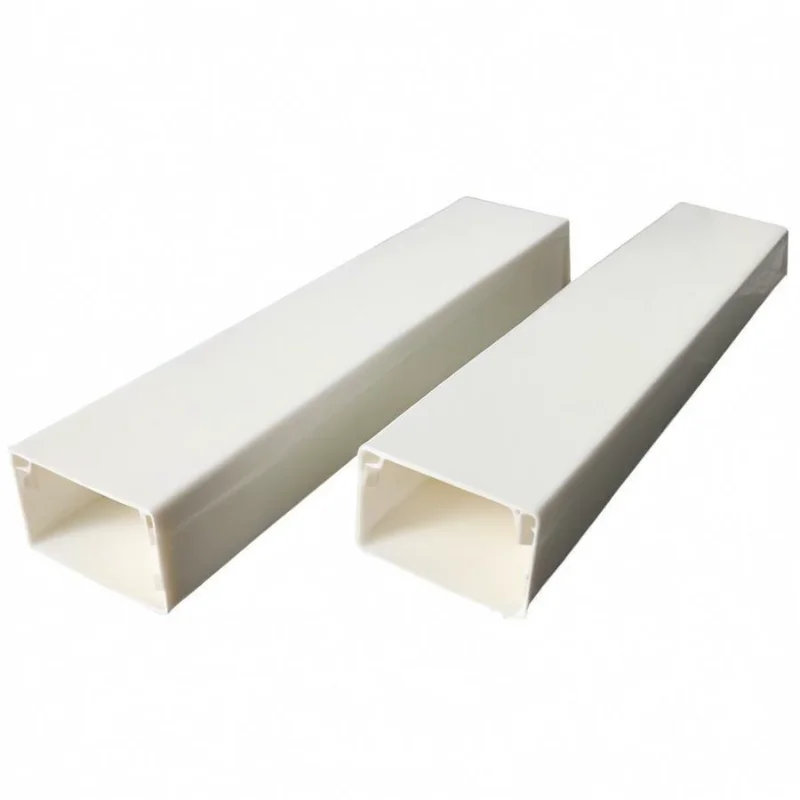
Types & Functions
Supply Ducts
Transport conditioned air from HVAC equipment to various spaces, typically designed for minimal pressure loss and optimal airflow distribution.
Why it's crucial for HVAC: Proper supply duct design ensures efficient delivery of heated or cooled air while maintaining system performance.
Return Ducts
Carry air from occupied spaces back to the HVAC equipment for reconditioning, often larger in diameter to reduce air velocity and noise.
Why it's important for HVAC: Return ducts maintain proper air balance and allow for effective filtration of indoor air.
Exhaust Ducts
Remove stale air, contaminants, and excess moisture from specific areas like bathrooms, kitchens, and utility rooms to the outside.
Why it's important for HVAC: Exhaust ducts maintain healthy indoor air quality by removing pollutants and controlling humidity.
Design & Materials
Material Selection
Modern plastic ducts utilize materials like PVC, PP, and specialized polymers offering advantages over traditional metal including corrosion resistance and thermal insulation.
Why it's crucial for HVAC: Material choice affects longevity, energy efficiency, and installation complexity of the duct system.
Elbow Design
Elbows feature smooth interior curves and optimized turning radii to minimize pressure loss and turbulence while maintaining airflow efficiency.
Why it's crucial for HVAC: Proper elbow design reduces energy consumption and ensures consistent airflow throughout the system.
Connection Systems
Advanced connection mechanisms ensure airtight seals, structural integrity, and ease of installation while maintaining system efficiency.
Why it's crucial for HVAC: Proper connections prevent air leakage, maintain system pressure, and reduce energy waste.
What are the Different Types of HVAC Ducts?
HVAC ducts come in various types and materials, each suited for specific applications and performance requirements. The selection depends on factors such as installation environment, pressure requirements, fire safety regulations, and budget considerations. Modern plastic ducts offer significant advantages over traditional metal options, including lighter weight, corrosion resistance, and improved thermal insulation properties. Understanding the characteristics of different duct types and materials is essential for designing efficient, durable, and cost-effective HVAC systems that meet building codes and performance standards.
Key Options: Rectangular Ducts • Round Ducts • Oval Ducts • Flexible Ducts • Plastic Materials • Metal Options
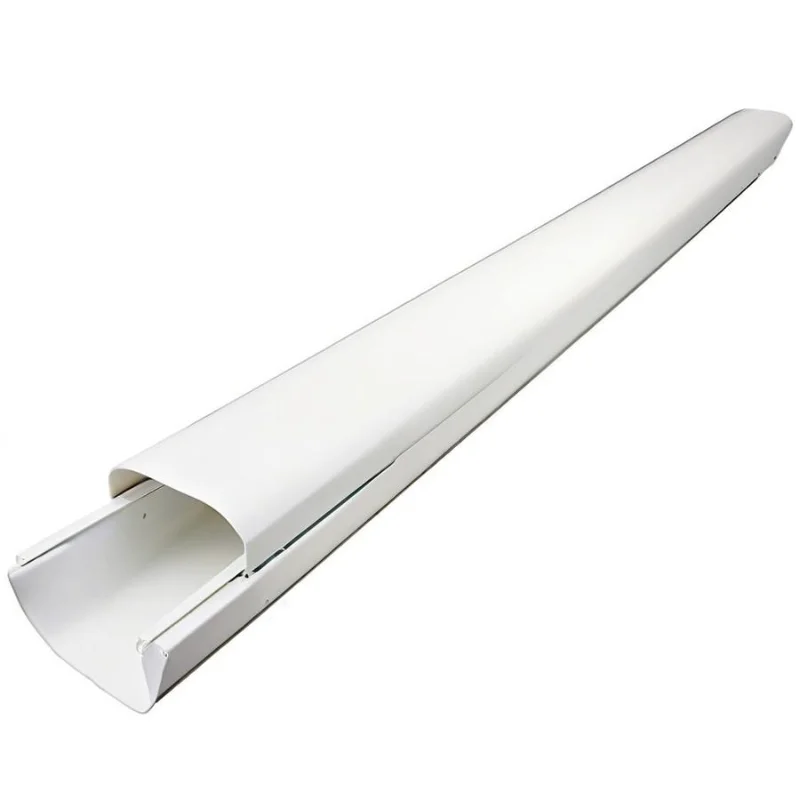
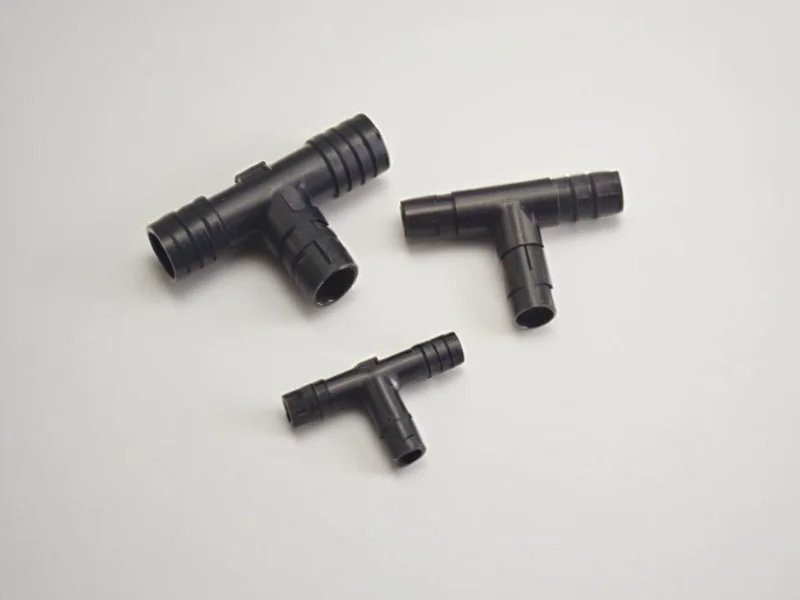
Duct Types by Shape
Rectangular Ducts
Most common type in commercial buildings, ideal for fitting in limited ceiling spaces and alongside structural elements. Offer space efficiency but higher pressure drop compared to round ducts.
Round Ducts
Most efficient shape for airflow with minimal pressure loss. Ideal for main supply lines and applications where energy efficiency is prioritized over space constraints.
Oval Ducts
Hybrid design combining benefits of round and rectangular ducts. Offer lower pressure drop than rectangular while maintaining space efficiency for limited height installations.
Flexible Ducts
Constructed with a plastic inner liner, wire helix reinforcement, and insulated outer jacket. Ideal for final connections to equipment and navigating around obstacles.
Which Plastic Molding Processes are Suitable for HVAC Ducts?
Different plastic molding processes offer varying advantages for manufacturing HVAC ducts and elbows. The selection depends on factors such as product complexity, precision requirements, production volume, and cost considerations. This analysis evaluates five common molding processes—Injection Molding, Extrusion, Vacuum Forming, Blow Molding, and Rotational Molding—to determine their suitability for different types of HVAC ducts, helping manufacturers make informed decisions based on their specific application needs.
Key Processes: Injection Molding • Extrusion • Vacuum Forming • Blow Molding • Rotational Molding
| Process | Advantages | Limitations |
|---|---|---|
| Injection Molding | High precision (±0.1mm), complex geometry, excellent surface quality, consistent production | Higher tooling costs, limited to smaller duct components |
| Extrusion | Continuous production, ideal for long duct sections, cost-effective for straight runs | Limited to constant cross-sections, requires secondary processing for elbows |
| Vacuum Forming | Low tooling cost, suitable for large duct panels, short development cycle | Lower precision, uneven thickness, limited material selection |
| Blow Molding | Creates hollow structures, suitable for certain duct types, cost-effective | Significant shape limitations, low precision, limited to simple forms |
| Rotational Molding | Suitable for large hollow ducts, low tooling cost, uniform wall thickness | Long production cycle, low precision, limited to simple shapes |
Process Selection Guide
For Straight Duct Sections:
Extrusion is the ideal process for manufacturing long, straight duct sections with consistent cross-sections. It offers high production efficiency and material utilization.
For Duct Fittings & Elbows:
Injection molding provides the precision required for complex fittings, elbows, and connection components with tight tolerances.
For Large Duct Panels:
Vacuum forming offers a cost-effective solution for large, flat duct panels where precision requirements are moderate.
For Specialized Applications:
Blow molding and rotational molding may be suitable for specialized hollow duct components in specific applications.
What are the Key Performance Metrics for HVAC Ducts?
Evaluating HVAC ducts requires a comprehensive assessment of multiple performance metrics that directly impact system efficiency, comfort, and operational costs. These metrics encompass airflow characteristics, thermal properties, acoustic performance, structural integrity, and energy efficiency. Understanding these key performance indicators is essential for selecting appropriate duct systems that meet specific application requirements while optimizing overall HVAC system performance and minimizing long-term operational expenses.
Key Metrics: Airflow Performance • Pressure Drop • Thermal Efficiency • Acoustic Performance • Structural Integrity
Airflow Performance
Airflow Rate
Volume of air moving through the duct system measured in CFM or m³/h, determining heating/cooling capacity and system sizing.
Target: Matched to load calculations, typically 400-500 CFM per ton of cooling capacity.
Pressure Drop
Resistance to airflow measured in Pascals or inches of water column, directly impacting fan energy consumption.
Target: 0.1-0.2 inches water per 100 feet for straight ducts, higher for elbows and transitions.
Air Leakage
Percentage of air escaping through duct joints and connections, affecting energy efficiency and system performance.
Target: <5% for sealed systems, <10% for unsealed systems per industry standards.
Thermal & Acoustic Performance
Thermal Efficiency
Ability to maintain temperature of conditioned air, reducing energy loss and improving system efficiency.
Target: R-value of 4-8 for insulated ducts depending on climate zone and application.
Acoustic Performance
Noise generation and transmission characteristics, impacting occupant comfort and system acceptability.
Target: <35 NC for residential applications, <40 NC for commercial spaces.
Structural Integrity
Resistance to deformation under pressure and handling, ensuring long-term performance and durability.
Target: Withstand 2-3 times operating pressure without permanent deformation.
Performance Metrics Overview
| Metric | Description | Testing Method | Target Value |
|---|---|---|---|
| Airflow Rate | Volume of air moving through the duct system | Flow hood, balometer, pitot tube | 400-500 CFM per ton |
| Pressure Drop | Resistance to airflow | Sterk, corrosiebestendig, aanpasbaar, brandwerend | 0.1-0.2 in. w.g./100 ft |
| Air Leakage | Air escaping through joints | Duct leakage tester, blower door | <5% sealed, <10% unsealed |
| Thermal Efficiency | Temperature maintenance capability | Heat flow meter, thermography | R-value 4-8 (insulated) |
| Acoustic Performance | Noise generation level | Sound level meter, NC curves | <35 NC residential, <40 NC commercial |
Testing Methods
- Airflow Testing: Duct leakage testers and flow hoods measure actual performance
- Pressure Testing: Pressure gauges verify system resistance
- Acoustic Testing: Sound level meters measure noise generation
Optimization Strategies
- Proper Sizing: Correct duct dimensions minimize pressure drop
- Smooth Transitions: Gradual changes in direction reduce turbulence
- Effective Sealing: Proper joint sealing prevents air leakage
- Adequate Insulation: Proper thermal barriers reduce energy loss
How Does End-to-End Management Shorten HVAC Development Cycles?
HVAC ducts utilize various plastic materials selected based on specific performance requirements, environmental conditions, and cost considerations. Modern plastic ducts offer advantages over traditional metal options including corrosion resistance, lighter weight, and improved thermal insulation. The selection of appropriate materials is crucial for ensuring long-term durability, energy efficiency, and compliance with building codes and safety standards.
Key Materials: PVC • PP • PE • FRP • Composite Materials • Specialty Polymers
| Material | Properties | Applications | Advantages | Limitations |
|---|---|---|---|---|
| PVC (Polyvinyl Chloride) | Lightweight, corrosion resistant, good chemical resistance, flame retardant | Exhaust systems, chemical environments, moisture-prone areas | Low cost, easy installation, moisture resistant, self-extinguishing | Lower temperature resistance, becomes brittle at low temperatures |
| PP (Polypropylene) | Chemical resistance, higher temperature tolerance, lightweight, fatigue resistant | Industrial applications, chemical exhaust, high-temperature areas | Excellent chemical resistance, lightweight, good fatigue properties | Higher cost than PVC, UV sensitivity without stabilizers |
| PE (Polyethylene) | Excellent impact resistance, flexibility, low temperature performance, moisture barrier | Underground ductwork, cold climate applications, flexible connections | Durable, flexible, excellent low-temp performance, moisture resistant | Lower stiffness, limited high-temperature use, gas permeability |
| FRP (Fiberglass Reinforced Plastic) | High strength, corrosion resistance, custom shapes possible, fire resistant | Industrial exhaust, corrosive environments, custom applications | Strong, corrosion resistant, customizable, fire resistant | Kwaliteitscontrole in de productie van HVAC-kanalen vereist een uitgebreide aanpak die materiaalkeuze, productiemonitoring en eindinspectie omvat. Het voorkomen van defecten omvat de implementatie van robuuste kwaliteitsborgingsprotocollen in elke productiefase, van verificatie van grondstoffen tot testen van eindproducten. Veelvoorkomende problemen zijn dimensionale onnauwkeurigheden, lekkage bij verbindingen, oppervlaktedefecten en structurele zwaktes. Door duidelijke kwaliteitsnormen vast te stellen, regelmatige testprocedures te implementeren en gedetailleerde documentatie bij te houden, kunnen fabrikanten defectpercentages aanzienlijk verminderen en consistente productprestaties garanderen. Geavanceerde technologieën zoals geautomatiseerde inspectiesystemen en statistische procescontrole verbeteren de kwaliteitsmanagementcapaciteiten verder. |
| Composite Materials | Combines properties of multiple materials, enhanced performance characteristics | High-performance applications, specialized requirements | Tailored properties, enhanced performance, application-specific | Higher cost, specialized manufacturing, limited availability |
| Specialty Polymers | High-performance materials with specific properties (e.g., PTFE, PVDF) | Extreme environments, specialized applications, high-purity requirements | Exceptional chemical resistance, high temperature capability | Very high cost, specialized processing, limited to niche applications |
Material Selection Criteria
- Operating Temperature: Material must withstand system temperature range
- Chemical Exposure: Resistance to airborne contaminants and cleaning agents
- Fire Safety: Compliance with building codes and fire ratings
- Structural Requirements: Ability to withstand system pressures and handling
Installation Considerations
- Thermal Expansion: Account for material expansion/contraction with temperature changes
- UV Protection: Consider UV stabilizers for outdoor or exposed applications
- Joint Design: Use appropriate connection methods for material compatibility
- Support Requirements: Provide adequate support based on material flexibility
What are Design Considerations for HVAC Ducts?
Designing HVAC ducts requires careful consideration of airflow dynamics, material properties, spatial constraints, and energy efficiency. Proper duct design ensures optimal air distribution, minimal pressure loss, and quiet operation while balancing installation practicality with system performance. Key factors include duct sizing, routing, material selection, insulation requirements, and connection methods. Modern plastic duct systems offer unique design advantages over traditional metal options, including lighter weight, corrosion resistance, and thermal insulation properties that can significantly impact system efficiency and installation complexity.
Key Balance: Airflow Efficiency vs. Installation Practicality & Material Properties
Sizing & Airflow
Proper duct sizing based on CFM requirements, friction loss calculations, and velocity considerations to ensure efficient air distribution.
Material Selection
Choosing between PVC, PP, and specialized polymers based on temperature resistance, durability, insulation properties, and cost considerations.
Installation Factors
Considering weight, connection systems, accessibility for maintenance, and compatibility with existing infrastructure for practical installation.
Design Principles
Minimize Pressure Loss
Optimize duct routing to reduce bends, transitions, and restrictions that increase static pressure and reduce system efficiency.
Balance Airflow Distribution
Design duct branches and outlets to ensure balanced airflow to all areas, preventing over-conditioning in some spaces and under-conditioning in others.
Control Noise Levels
Implement design strategies to minimize air noise, including proper sizing, smooth transitions, and acoustic insulation where necessary.
Material-Specific Considerations
Thermal Expansion
Account for thermal expansion and contraction in plastic ducts, especially in environments with significant temperature variations.
Structural Support
Design appropriate support systems for plastic ducts, considering their different weight distribution and flexibility compared to metal alternatives.
Fire Safety Compliance
Ensure plastic duct materials meet local fire codes and may require additional fire-rated insulation or barriers in certain applications.
How to Control Quality and Prevent Defects in HVAC Ducts?
Quality control in HVAC duct manufacturing requires a comprehensive approach spanning material selection, production monitoring, and final inspection. Preventing defects involves implementing robust quality assurance protocols at each production stage, from raw material verification to finished product testing. Common issues include dimensional inaccuracies, joint leakage, surface defects, and structural weaknesses. By establishing clear quality standards, implementing regular testing procedures, and maintaining detailed documentation, manufacturers can significantly reduce defect rates and ensure consistent product performance. Advanced technologies like automated inspection systems and statistical process control further enhance quality management capabilities.
De natuurlijke geluiddempende eigenschappen van plastic verminderen luchtgeluid en trillingsoverdracht, wat leidt tot stillere HVAC-systemen in vergelijking met metalen luchtkanalen.
Quality Control Stages
(Comprehensive Inspection Process)
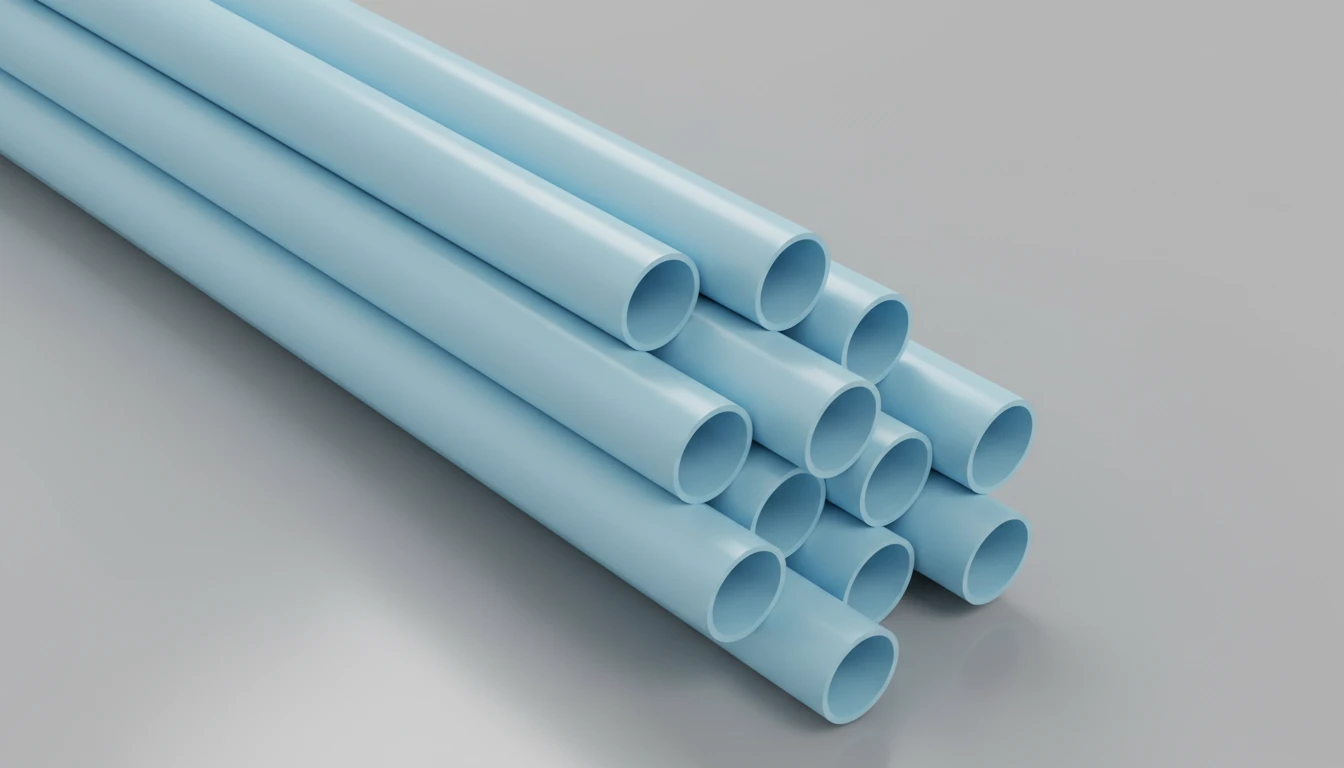
Effective quality control requires a systematic approach across the entire production lifecycle, from material selection to final product validation.
Three-Stage Quality Framework
A comprehensive quality control system built on sequential inspection stages ensures defect prevention and product consistency throughout manufacturing.
Key Principle: Each stage builds upon the previous one, creating a quality cascade that minimizes defects and maximizes efficiency.
Quality Control Implementation:
Incoming Material Inspection:
- Material Composition Verification: Ensuring plastic resins meet specifications through spectroscopic analysis and melt flow index testing.
- Dimensional Accuracy Checks: Verifying raw material dimensions to prevent processing issues and ensure consistent final products.
- Visual Defect Screening: Identifying surface imperfections, color inconsistencies, or contamination before processing begins.
- Batch Traceability Documentation: Maintaining detailed records for quality assurance and potential issue investigation.
In-Process Monitoring:
- Real-time Parameter Tracking: Continuous monitoring of temperature, pressure, and cycle times to maintain process stability.
- Dimensional Verification: Periodic measurement of critical dimensions during production to detect drift before defects occur.
- Joint Integrity Testing: Evaluating connection strength and sealing effectiveness during assembly processes.
- Statistical Process Control:Utilizing real-time data monitoring, control charts, and advanced statistical analysis to detect process deviations early, ensure HVAC duct manufacturing consistency, and improve overall quality stability.
Common Defects
(Defect Identification & Resolution)
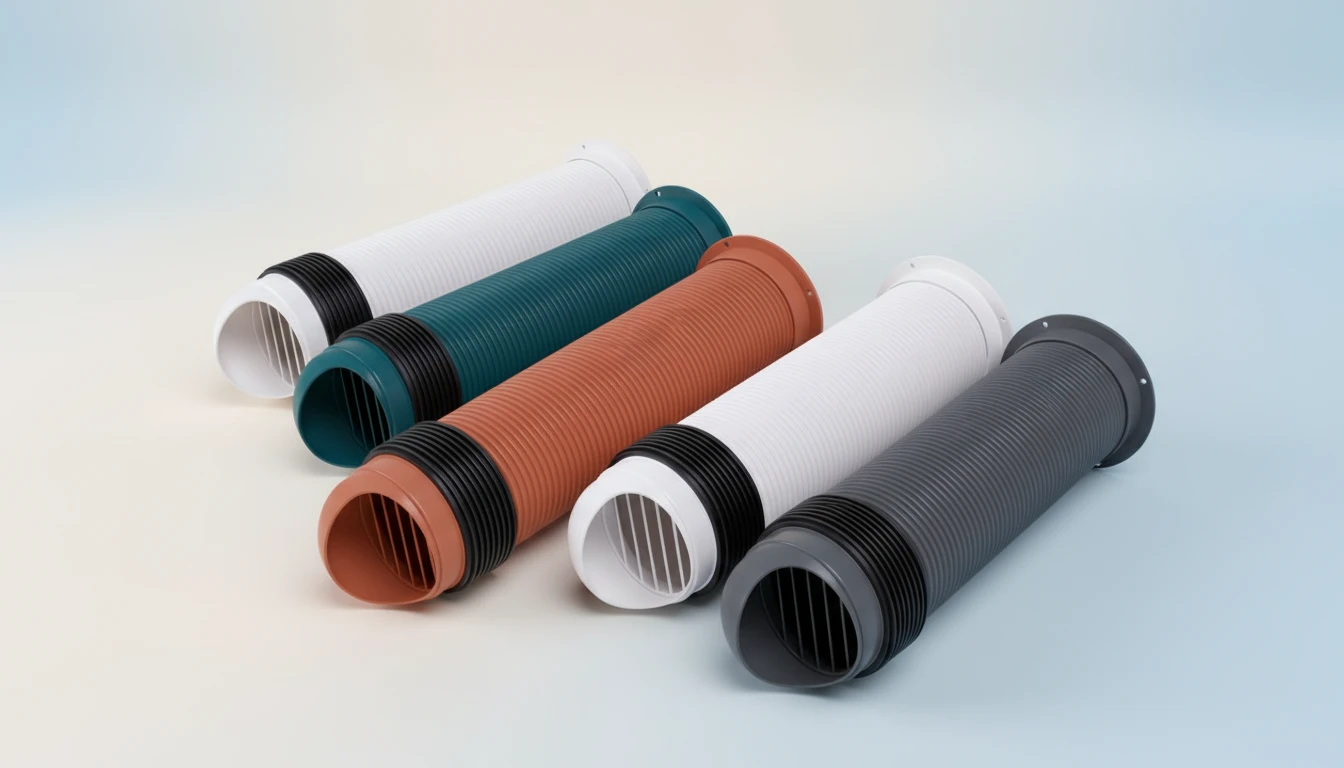
Identifying and addressing common defects requires understanding their root causes and implementing targeted prevention strategies.
Dimensional Inaccuracies
Variations in specified dimensions affecting fit and performance.
Prevention Strategy:
Regular calibration of forming equipment, use of precision jigs, and implementation of statistical process control to maintain dimensional consistency throughout production runs.
Joint Leakage
Air escaping at connection points, reducing system efficiency.
Prevention Strategy:
Standardized connection procedures, proper sealing materials selection, and systematic pressure testing of all joints to identify and address leakage points before installation.
Surface Defects
Scratches, discoloration, or texture inconsistencies affecting appearance and function.
Prevention Strategy:
Clean manufacturing environment, proper material handling protocols, and regular mold/die maintenance to ensure consistent surface quality.
Structural Weaknesses
Insufficient strength or rigidity leading to deformation or failure under pressure.
Prevention Strategy:
Adequate wall thickness design, and structural testing at specified pressures to verify performance.
What are the Advantages and Disadvantages of Plastic HVAC Ducts?
Plastic HVAC ducts offer a modern alternative to traditional metal systems, providing unique benefits and considerations for HVAC applications. These systems excel in corrosion resistance, thermal insulation, and installation efficiency, making them particularly suitable for certain environments and applications. However, they also present challenges related to fire safety, structural limitations, and temperature constraints. Understanding the specific advantages and disadvantages of plastic duct systems is essential for engineers, contractors, and building owners to make informed decisions about HVAC infrastructure. The choice between plastic and metal ducts ultimately depends on application requirements, building codes, budget considerations, and long-term performance expectations.
Key Balance: Installation Efficiency & Corrosion Resistance vs. Fire Safety & Temperature Limitations
Advantages
Corrosion Resistance
Plastic ducts are immune to rust and corrosion, making them ideal for humid environments, coastal areas, and applications with chemical exposure where metal ducts would deteriorate.
Thermal Insulation Properties
Many plastic duct materials provide inherent thermal insulation, reducing heat gain or loss and improving overall system energy efficiency without additional insulation materials.
Lightweight & Easy Installation
Plastic ducts weigh significantly less than metal alternatives, reducing structural support requirements and simplifying installation, which can lower labor costs and installation time.
Quiet Operation
The natural sound-dampening properties of plastic reduce air noise and vibration transmission, creating quieter HVAC systems compared to metal ductwork.
Disadvantages
Klantenzorg: Milieu-impact, duurzaamheidsvergelijking tussen plastic en metaal
Plastic ducts typically have lower fire resistance ratings than metal alternatives and may produce toxic smoke when burned, requiring additional fire protection measures in many applications.
Temperature Limitations
Plastic ducts have lower maximum temperature tolerances than metal systems, making them unsuitable for high-temperature applications or areas with potential fire exposure.
Structural Limitations
Plastic ducts generally have lower structural strength than metal alternatives, potentially requiring more frequent support points and limiting span lengths between supports.
UV Degradation
Many plastic materials degrade when exposed to UV radiation, requiring special formulations or protective coatings for outdoor applications or areas with significant sunlight exposure.
Application-Specific Considerations
Residential Applications
Plastic ducts excel in residential settings where corrosion resistance, quiet operation, and ease of installation are prioritized over extreme temperature resistance.
Commercial Applications
For commercial buildings, plastic ducts offer advantages in specific areas like humidity control and corrosion resistance, but fire code compliance must be carefully evaluated.
Industrial Applications
Industrial settings with chemical exposure benefit from plastic duct corrosion resistance, but high-temperature processes and strict fire codes often limit their use.
Frequently Asked Questions
HVAC plastic components and ductwork generate numerous questions from engineers, contractors, and building owners regarding performance, installation, and maintenance. These frequently asked questions address common concerns about material selection, design considerations, quality control, and system performance. Understanding these key aspects helps ensure proper specification, installation, and operation of plastic HVAC systems. The answers provided reflect industry best practices and current technological capabilities, offering practical guidance for both new construction and retrofit applications. As plastic HVAC technology continues to evolve, staying informed about these considerations becomes increasingly important for optimal system performance and longevity.
Key Focus: Practical Solutions to Common Concerns in Plastic HVAC Systems
Our Solutions:
Thermal Insulation Advantages:
Plastic ducts offer superior energy efficiency due to their inherent thermal insulation properties. Unlike metal ducts that require additional insulation, plastic materials naturally resist thermal conductivity, reducing heat gain in cooling applications and heat loss in heating applications.
Reduced Air Friction:
The smoother interior surfaces of many plastic ducts reduce air friction, lowering static pressure requirements on fans and reducing energy consumption throughout the system.
Application-Specific Benefits:
The specific energy efficiency benefits depend on the plastic material used, duct design, and installation quality. Our technical team can provide detailed analysis for your specific application.
Our Solutions:
Code Compliance:
We ensure all plastic HVAC components meet or exceed building code requirements for flame spread and smoke development ratings, with appropriate fire-retardant additives incorporated as needed.
Fire Protection Integration:
Our designs can incorporate fire-rated insulation, fire dampers at wall penetrations, or enclosure in fire-rated shafts to meet specific application requirements and local fire codes.
Application-Specific Solutions:
For high-risk applications, we can recommend hybrid systems or alternative materials that balance the benefits of plastic components with enhanced fire safety performance.
Our Solutions:
Longevity in Appropriate Applications:
High-quality plastic components can last 20-30 years or more in suitable applications, often matching or exceeding the lifespan of metal alternatives in corrosive environments where metal would deteriorate more quickly.
Environmental Protection:
For outdoor applications, we offer UV-resistant materials and protective coatings that significantly extend service life and maintain appearance and performance over time.
Maintenance Guidelines:
We provide comprehensive maintenance guidelines specific to each material type to maximize service life, including inspection schedules and proper cleaning procedures that won't damage plastic components.
Our Solutions:
Reduced Maintenance Requirements:
Plastic HVAC systems generally require less maintenance than metal alternatives as they don't need periodic repainting or corrosion treatment, and they resist biological growth that can occur in metal systems.
Specialized Cleaning Protocols:
We provide detailed cleaning procedures specifically designed for plastic components, avoiding abrasive cleaners or solvents that might damage surfaces while ensuring effective cleaning and sanitation.
Inspection Guidelines:
Our maintenance protocols include specific inspection points for plastic systems, particularly at connection points and support locations, with recommended intervals and procedures for joint seal inspection and replacement.
Our Solutions:
HVAC-kanalen & bochten - Professionele Kunststof Componenten | HVACore
We provide comprehensive life cycle assessments that consider manufacturing energy, transportation impacts, service life, and end-of-life options to help customers make informed environmental decisions.
Sustainable Material Options:
We offer increasingly sustainable plastic materials with recycled content and improved recyclability, including bio-based polymers and materials designed for easier recycling at end-of-life.
Energy Efficiency Benefits:
The lighter weight of plastic components reduces transportation energy, and their superior thermal insulation can reduce operational energy consumption throughout the system's service life.