
Precisie Passendheidscontroles: Design & Optimization
Engineering strategies for moldability, cost-efficiency, and superior user experience in HVAC plastic components.
HVAC Plastic Part Design Optimization Guide
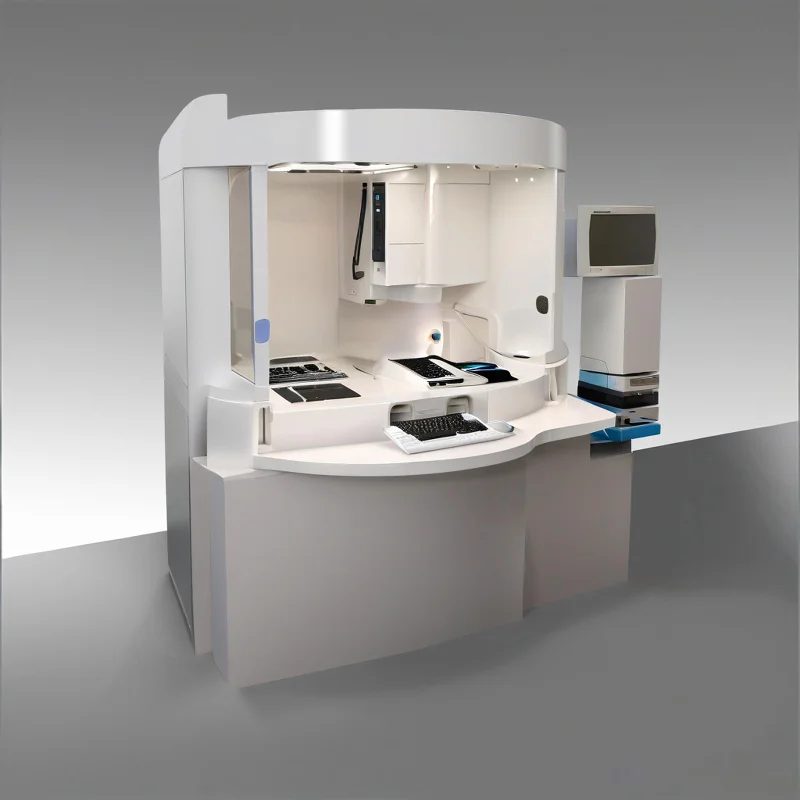
How can you avoid expensive mold rework in the design phase?
Mold modifications significantly impact HVAC project budgets. By leveraging advanced virtual simulation and rigorous DFM reviews before steel is cut, potential defects like warpage or air traps are identified early. This proactive strategy ensures precise dimensional control for complex assemblies, minimizing costly rework and accelerating time-to-market for climate control systems.
Key Strategies: Virtual Validation • DFM Reviews • Tolerance Stacking • Shrinkage Compensation
Virtual Validation & Simulation
Focus: Moldflow Analysis, Fill Patterns, Cooling Optimization.
- • Defect Prediction: Simulate filling and packing phases to predict air traps, weld lines, and short shots in complex HVAC ducts and housings.
- • Warpage Prevention: Analyze cooling uniformity to identify potential deformation in large surface area parts before steel cutting begins.
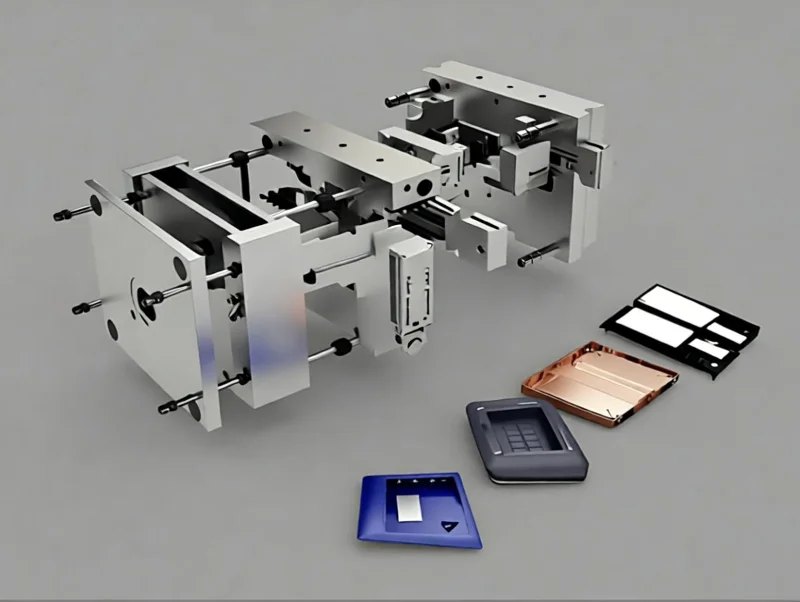
DFM & Structural Integrity
Focus: Draft Angles, Wall Thickness, Undercut Checks.
- • Uniform Wall Thickness: Audit designs to prevent sink marks and ensure consistent stress distribution in fan blades and casings.
- • Ejection Feasibility: Verify draft angles and undercut mechanisms to ensure smooth part release without damaging complex internal features.
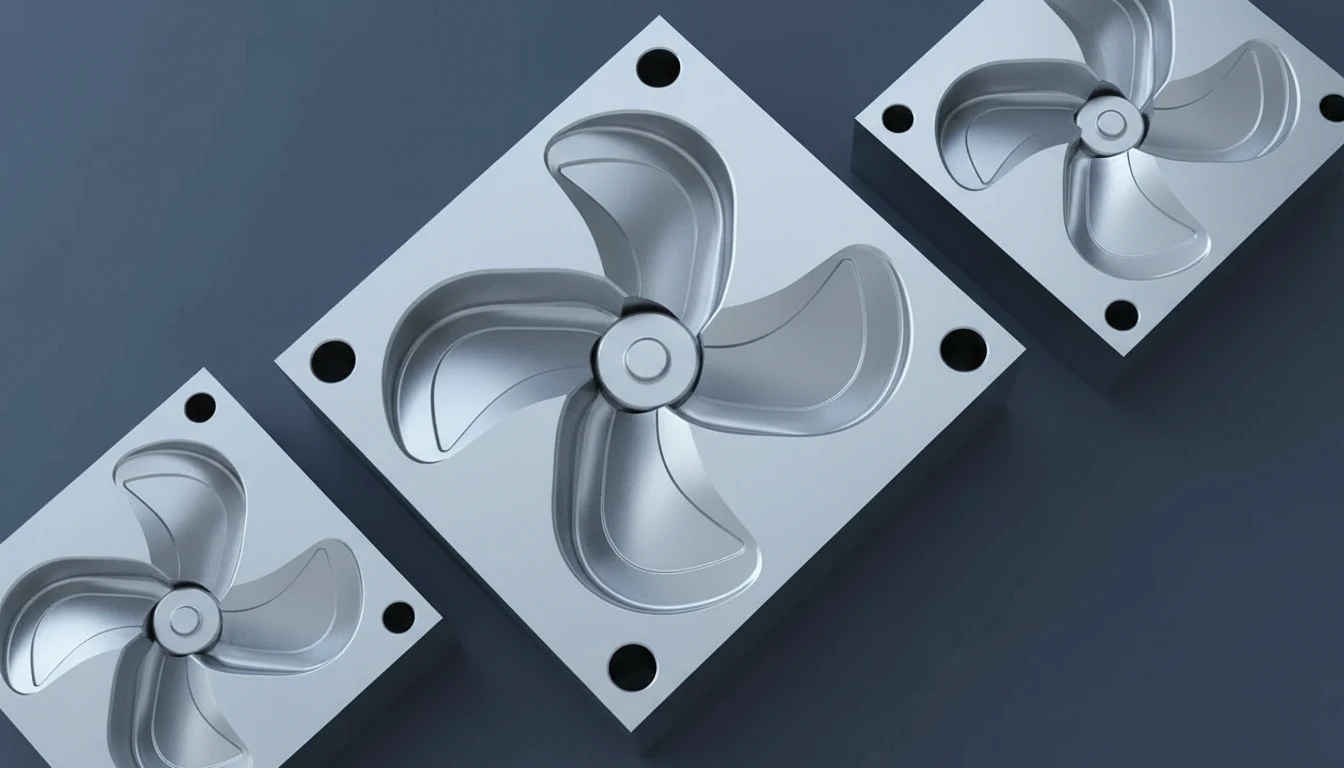
Precision Tolerance & Shrinkage
Focus: Shrinkage Factors, Assembly Fit, Stack-up Analysis.
- • Shrinkage Compensation: Apply precise resin-specific shrinkage factors to CAD models to guarantee accurate final dimensions of mating parts.
- • Tolerance Stack-up: Perform 1D or 3D analysis to ensure snap-fits, threads, and sealing surfaces align perfectly within the HVAC unit.
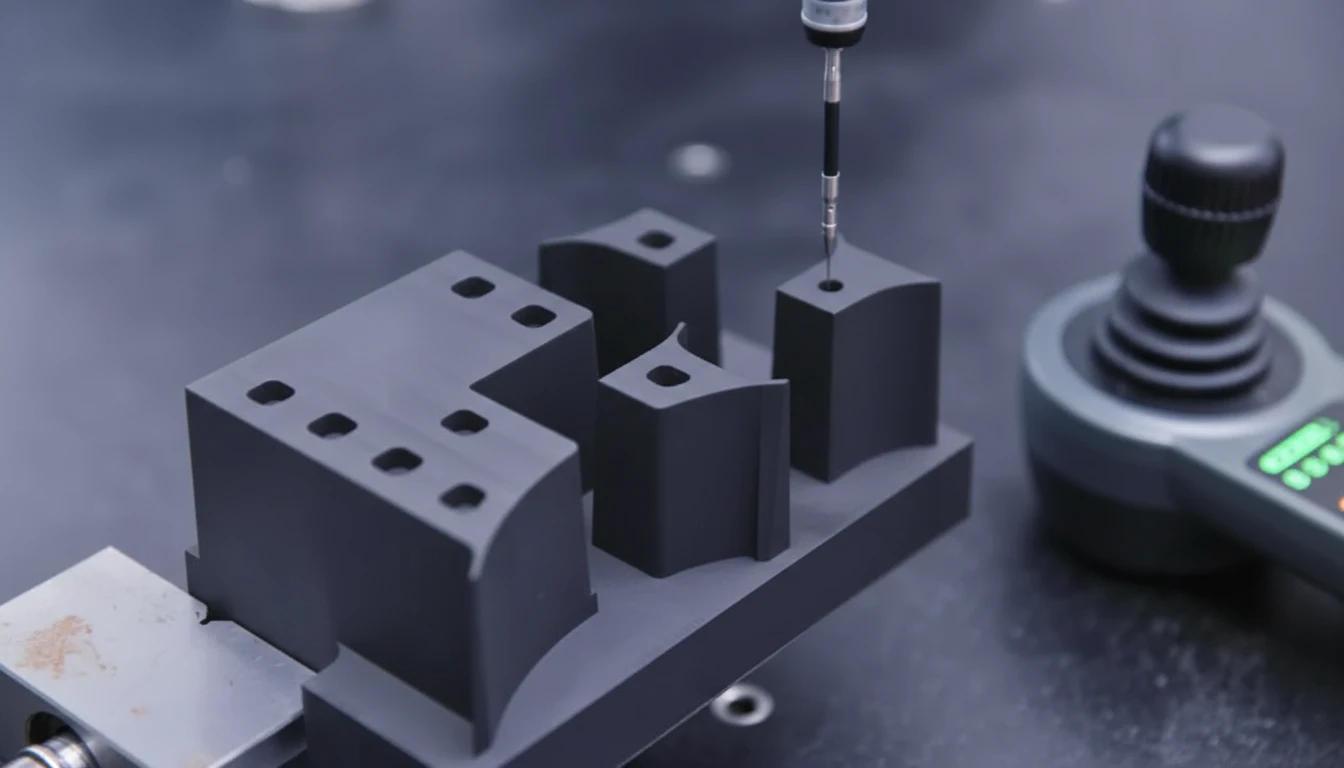
Material & Process Optimization
Focus: Resin Selection, Gate Location, Venting.
- • Resin Suitability: Select materials that withstand thermal cycling and chemical exposure common in HVAC environments while molding easily.
- • Gate Optimization: Strategically place gates to minimize visible vestige, ensure proper filling, and maintain structural integrity at critical stress points.
How can small batch trials rapidly validate design feasibility?
Small batch trials bridge the gap between digital design and mass manufacturing. By utilizing soft tooling and advanced prototyping, engineers can validate functionality, fit, and market fit before committing to expensive steel tooling. This proactive approach minimizes financial risk and ensures HVAC parts meet rigorous performance requirements.
Key Strategies: Soft Tooling • 3D Printing • Functional Testing • Market Validation
Soft Tooling (Silicone & Aluminum)
Focus: Urethane Casting, Pilot Injection Molds, Cost-Effectiveness.
- • Rapid Iteration: Produce 10-500 units quickly to test snap-fits and mating interfaces without waiting for hard tooling.
- • Material Simulation: Mimic final production properties to verify structural integrity in real-world HVAC environments.
High-Resolution 3D Printing
Focus: SLA for Visuals, SLS for Function, Complex Geometries.
- • Precision Fit Checks: Focus: Uitwerping van onderdelen, Oppervlakteafwerking, Matrijs slijtage.
- • Functional Prototypes: Utilize SLS nylon parts for live thermal testing and mechanical stress analysis.
Low-Pressure Reaction Injection Molding
Focus: Large Parts, Metal Inserts, Fast Turnaround.
- • Large Format Capability: Ideal for large housings and covers where steel tooling cost is prohibitively high for testing.
- • Integrated Assembly: Insert metal components directly during the mold process to test assembly workflows early.
Rapid CNC Machining
Focus: Real Materials, Tight Tolerances, Functional Validation.
- • Production Properties: Machine parts from actual engineering plastics to guarantee thermal and chemical resistance.
- • Precision Verification: Check critical dimensions and sealing surfaces with accuracy comparable to final molded parts.
How can you save materials while ensuring performance?
Optimizing material usage in HVAC components reduces costs and energy consumption without compromising structural integrity. By employing advanced design techniques like topology optimization and strategic ribbing, engineers can remove excess mass from non-load-bearing areas. This approach ensures lightweight yet durable parts suitable for high-efficiency climate control systems.
Key Strategies: Rib Optimization • Topology Analysis • Gas Assist • Part Consolidation
Strategic Ribbing & Wall Uniformity
Focus: Stiffness-to-Weight Ratio, Sink Mark Prevention, Stress Distribution.
- • Rib Thickness Rule: Maintain rib thickness at 50-60% of the nominal wall to prevent sink marks while significantly increasing bending stiffness.
- • Corner Radii: Use generous radii at the base of ribs and corners to distribute stress and improve flow during injection molding.
- • Gussets: Implement gussets for vertical stiffening instead of increasing wall thickness, particularly for mounting bosses and flanges.
Topology Optimization
Focus: Generative Design, Load Paths, Organic Structures.
- • Material Placement: Utilize algorithms to place material only where load paths require it, creating organic, bone-like structures.
- • Weight Reduction: Achieve maximum weight reduction (often 20-40%) for HVAC brackets and supports without sacrificing strength.
Gas Assist Injection Molding (GAIM)
Focus: Thick Sections, Rigid Channels, Reduced Cycle Time.
- • Hollow Channels: Inject inert gas to create hollow channels within thick sections, reducing material volume and weight while maintaining rigidity.
- • Sink Elimination: Eliminates sink marks on large surface areas (e.g., HVAC handles or panels) by compensating for shrinkage through internal gas pressure.
Part Consolidation
Focus: Assembly Reduction, Integration, Elimination of Fasteners.
- • Multifunctional Designs: Combine metal brackets, clips, and separate plastic housings into a single, complex molded assembly.
- • Total Cost Reduction: Reduces the overall part count, assembly labor, and inventory management costs while minimizing material waste from overlaps.
What are the common HVAC plastic part design pitfalls?
Common design pitfalls in HVAC plastic molding often lead to production failures and increased costs. Issues like ignoring draft angles or uneven wall thickness can severely impact manufacturability. Identifying and mitigating these errors during the design phase prevents expensive tooling rework and ensures high-quality, reliable components for climate control systems.
Key Pitfalls: Sharp Corners • Zero Draft • Uneven Walls • Sink Marks
Sharp Internal Corners
Focus: Stress Concentration, Flow Restrictions, Mold Filling.
- • The Pitfall: Designing 90-degree internal corners causes stress concentration leading to cracks and limits plastic flow, resulting in short shots.
- • The Solution: Always include radii on corners. The internal radius should be at least 0.5x the wall thickness to distribute stress evenly.
Ignoring Draft Angles
Focus: Part Ejection, Surface Finish, Mold Wear.
- • The Pitfall: Makkelijk te reinigen geometrie.
- • The Solution: Include a minimum of 1° to 2° draft per side for textured surfaces, and 0.5° to 1° for smooth surfaces.
Uneven Wall Thickness
Focus: Sink Marks, Warpage, Cycle Time Optimization.
- • The Pitfall: Transitioning abruptly between thick and thin sections leads to sink marks, warpage due to uneven cooling, and internal voids.
- • The Solution: Maintain uniform wall thickness. If transitions are necessary, use a gradual ramp (max 3:1 taper) or coring to remove excess mass.
Why is structural optimization critical for reducing injection molding defects?
Injection defects often stem from poor structural layout rather than process parameters alone. Warpage, sink marks, and short shots can be mitigated through design optimization. Ensuring uniform wall thickness and strategic gate placement facilitates balanced flow and consistent cooling, minimizing scrap rates and ensuring high-quality, structurally sound HVAC components.
Key Focus: Gate Strategy • Flow Balance • Venting • Fillet Design
Gate Location Strategy
Focus: Fill Balance, Packing Pressure, Weld Line Location.
- • Optimal Placement: Position gates at the thickest section to ensure packing pressure is maintained as the plastic cools and shrinks.
- • Balanced Filling: Design flow paths so that the cavity fills evenly from center to edges, preventing overpacking on one side and air traps on the other.
Wall Uniformity & Flow
Focus: Flow Leaders, Race-tracking Prevention, Hesitation.
- • Race-tracking Avoidance: Prevent flow from moving too fast in thin sections while leaving thick areas unfilled (hesitation).
- • Flow Leaders: Use localized increases in wall thickness to guide molten plastic to difficult-to-fill areas without creating heavy mass sections.
Venting for Air Traps
Focus: Air Escape, Burn Marks, Complete Filling.
- • Dead End Management: Design features that minimize dead ends where air can be trapped, or ensure adequate venting is possible in the mold steel.
- • Flow Direction: Orient part geometry to facilitate flow towards venting areas such as parting lines, ejector pins, or sliding cores.
Boss and Fillet Design
Focus: Sink Marks, Stress Concentration, Mold Flow.
- • Gusset Integration: Connect bosses to the wall with gussets rather than thick webs to avoid sink marks on the cosmetic show surface.
- • Generous Fillets: Use large radii at the base of ribs and bosses to reduce stress concentration and improve material flow into the corner.
Why prioritize assembly and maintenance considerations in the design phase?
Prioritizing assembly and maintenance in HVAC design streamlines production and reduces costs. By integrating features like snap-fits and service access panels, manufacturers ensure easier field repairs. This practical approach lowers labor expenses while significantly enhancing customer satisfaction through reliable, user-friendly components.
Key Strategies: Snap-Fits • Self-Locating • Service Panels • Tool-Free
Assembly Efficiency
Integrated Snap-Fits
Replace screws with snap-fit clips where possible. Design clips for an audible "click" to confirm engagement.
Self-Locating Features
Add pilot ribs and chamfers that guide parts into alignment, allowing assembly with minimal visual effort.
Maintenance Accessibility
Service Access Panels
Design separate covers for filters and electronics. This allows maintenance without disassembling the main housing.
Tool-Free Fasteners
Use captive screws or quarter-turn latches for covers that need frequent opening.
How can you optimize ventilation components for user experience?
Optimizing HVAC components for user experience increases satisfaction through intuitive interaction. By focusing on ergonomic handles, clear visual indicators, and easy-clean surfaces, designers simplify maintenance tasks. This thoughtful design approach reduces user errors and ensures the product remains accessible and functional throughout its lifespan.
Key Features: Ergonomic Grips • Visual Guides • Smooth Contours • Low Maintenance
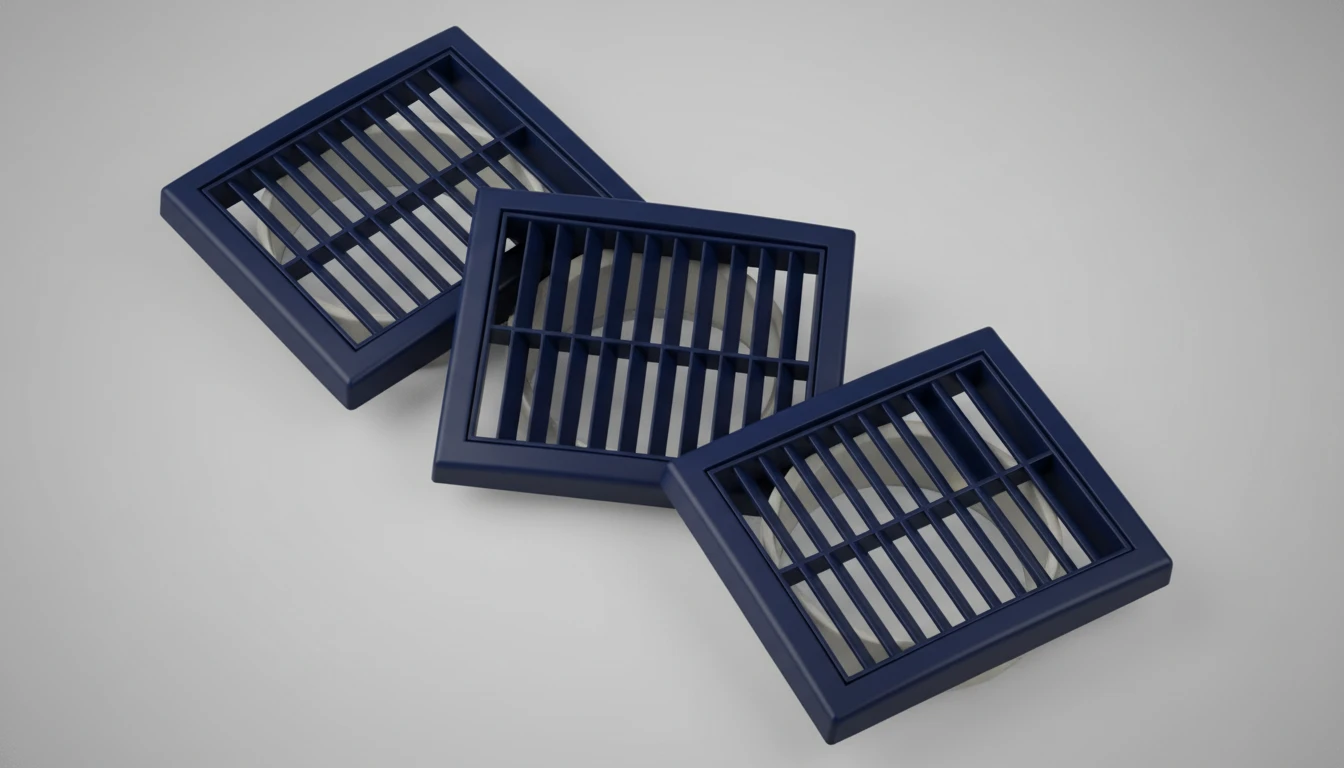
Ergonomic Handling
Mold finger grips or handles directly into filter frames. Ensure surfaces are textured to prevent slipping, even when wet.
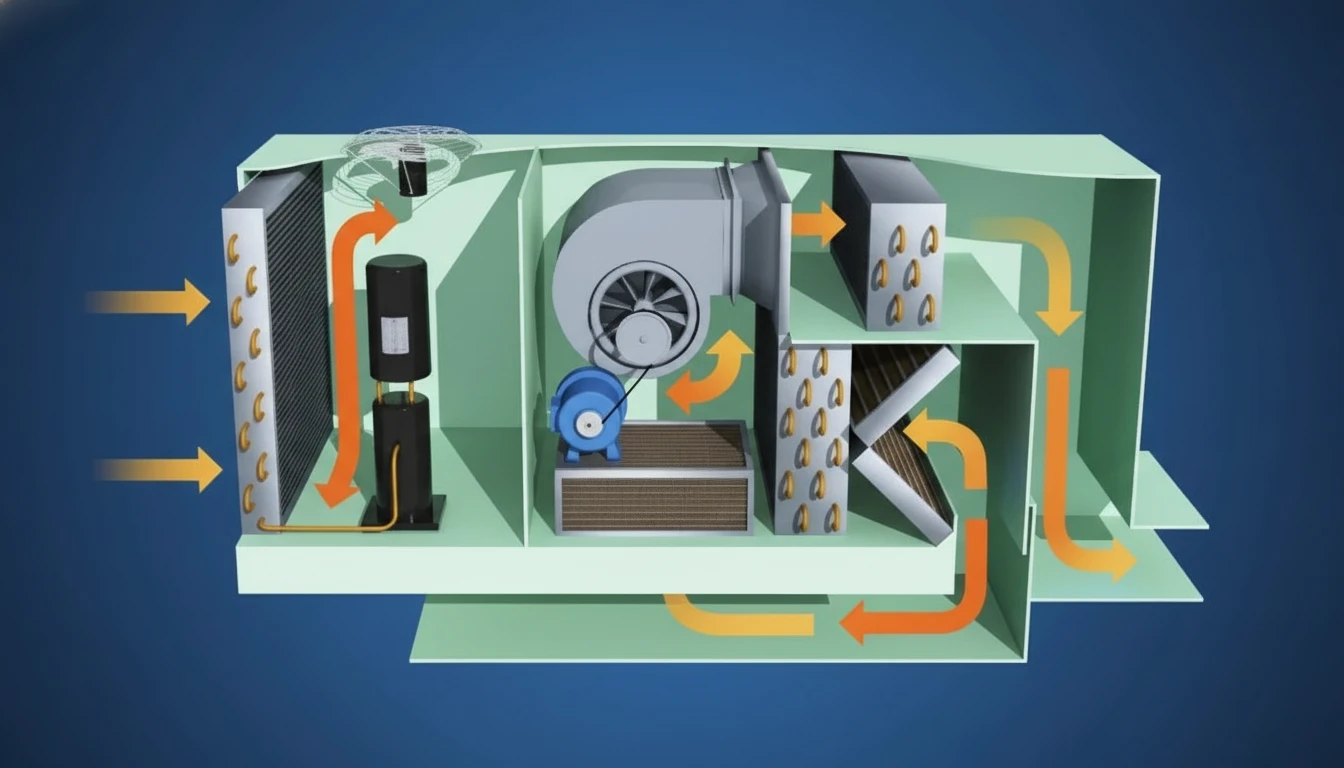
Visual Indicators
Use color-coding or molded arrows to indicate airflow direction and correct installation orientation, preventing user error.
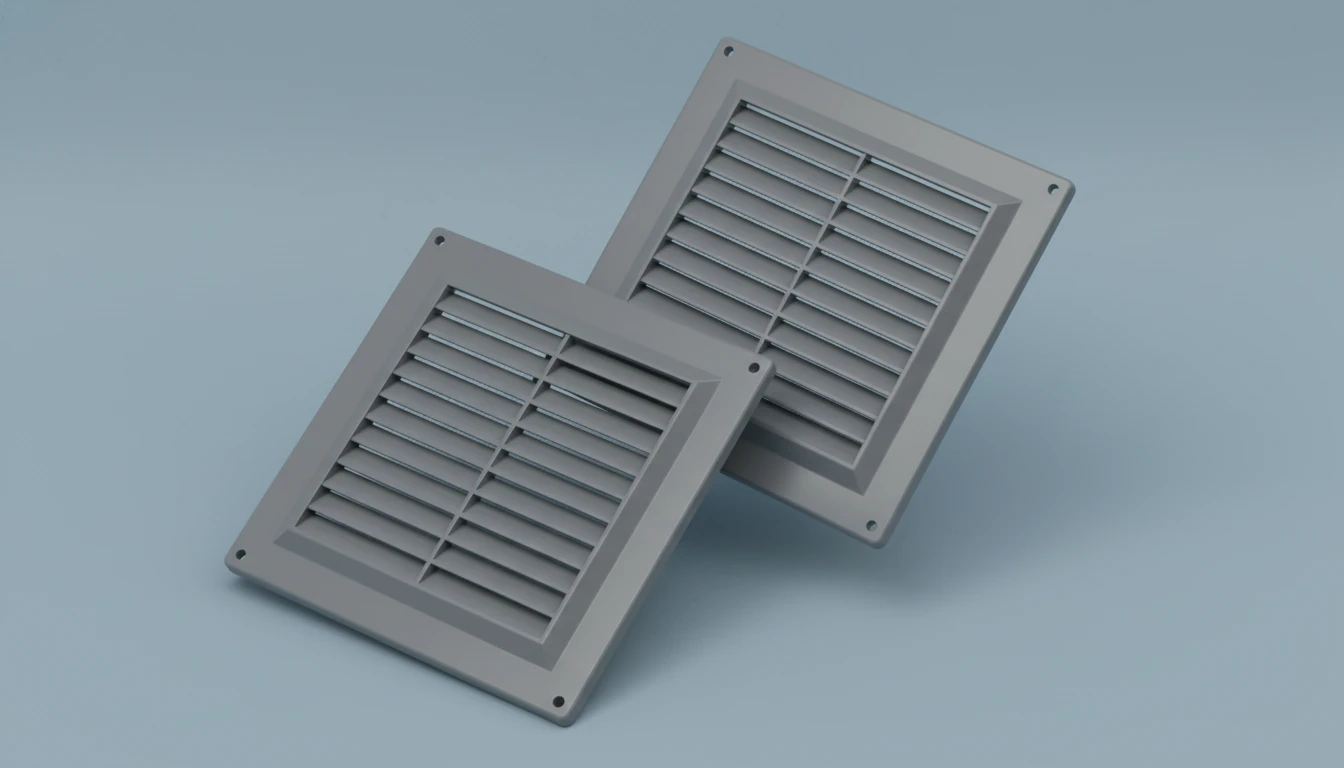
Easy-to-Clean Geometry
HVAC Productontwerp & Optimalisatie | Efficiënte, Hoogwaardige Oplossingen.
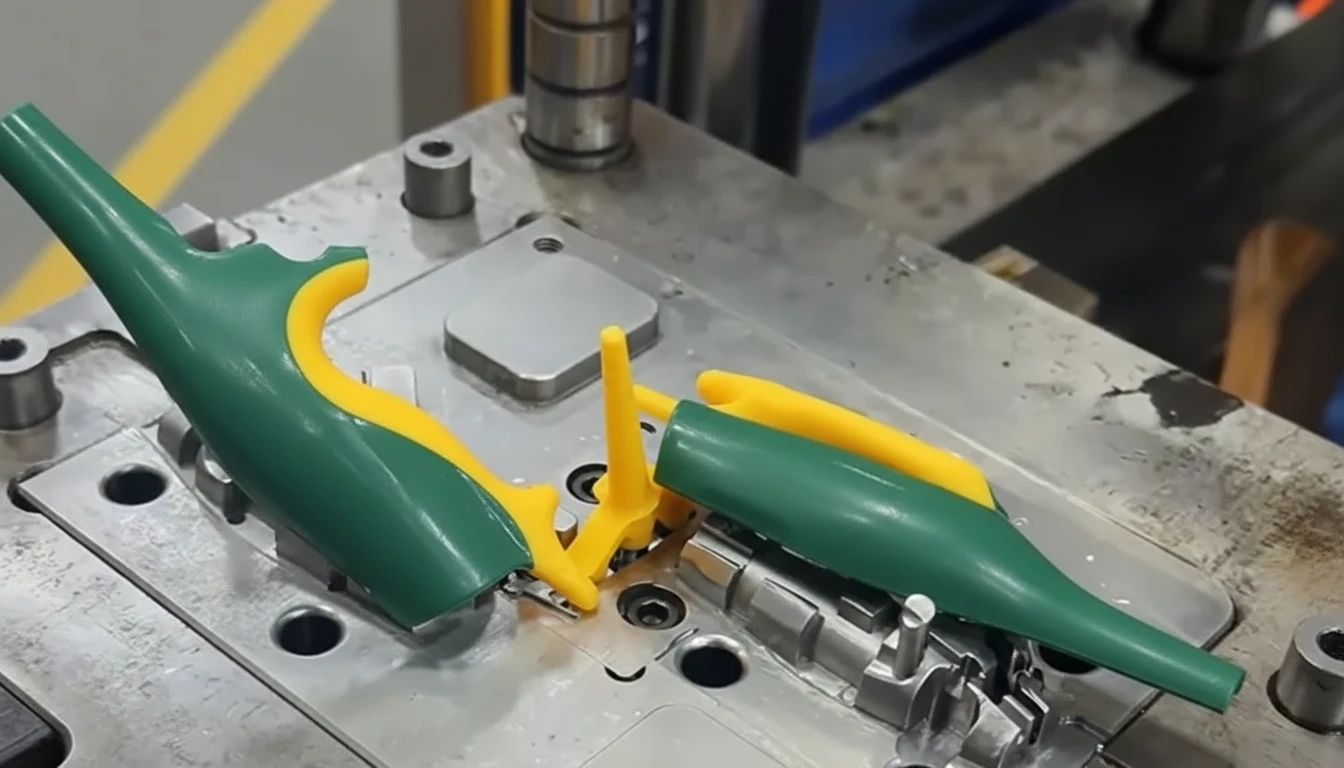
How can complex curved parts be made easier to injection mold?
Making complex curved parts manufacturable requires strategic parting line planning and proper draft angles on curves. These design choices minimize complex mold actions and reduce costs. By addressing flow and ejection challenges, manufacturers can produce sleek HVAC housings without sacrificing production efficiency.
Key Strategies: Strategic Parting Lines • 3D Draft • Minimize Lifters • Cost Reduction
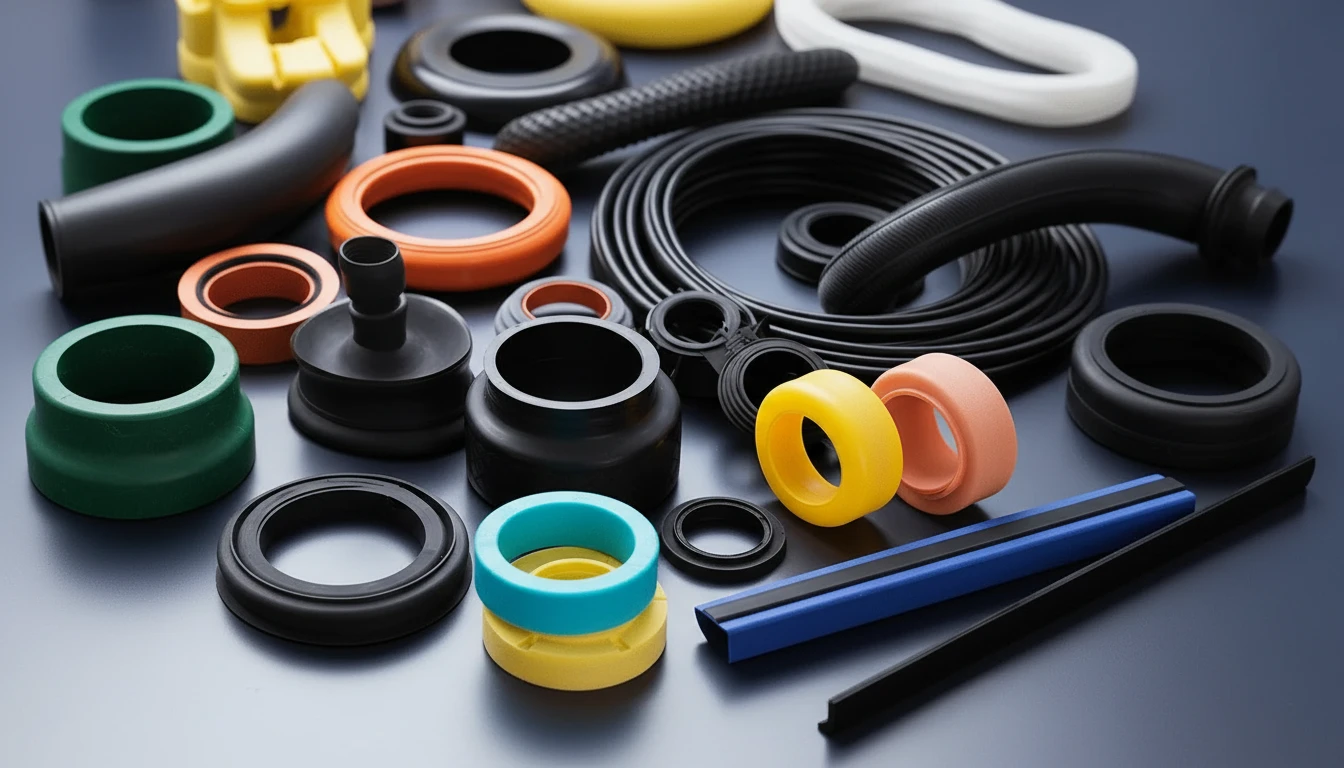
Strategic Parting Lines
Place the parting line along the curve's natural edge or a hidden line. This minimizes the need for complex side-actions (lifters) and keeps mold costs lower.
Draft on Curves
Ensure that even curved surfaces have draft relative to the direction of pull. This often means the curve must be drafted in 3D space (not just 2D), requiring CAD expertise.
What are the key insights from rapid iteration design cases?
Rapid iteration case studies demonstrate the value of prototyping before committing to tooling. By testing functional assemblies early and utilizing simulation data, engineers identify design flaws that lead to warpage or stress. These insights validate lightweighting strategies, reduce cycle times, and ensure structural integrity for high-volume HVAC manufacturing.
Case Highlights: Concept Validation • Prototyping • Optimization • Cost Reduction
The Heavy Baseline
Initial concepts often rely on excessive material to ensure safety. In our HVAC bracket case study, the original design featured a solid 4mm wall thickness and no draft angles. This "over-design" resulted in high material costs, excessive cycle times (over 45s), and severe sink marks on aesthetic surfaces, rendering it unsuitable for mass production.
Rapid Prototyping & Fit-Check
Before cutting steel, SLA 3D printed parts were used to verify assembly interference with the HVAC unit. This phase revealed that mounting bosses were misaligned by 1.5mm due to tolerance stack-up. We utilized SLS nylon parts for functional thermal testing, which showed that the part softened under load, necessitating a rib reinforcement strategy rather than just increasing wall thickness.
Structural Optimization Loop
Using feedback from prototypes, we reduced the wall thickness to 2.2mm and integrated a network of ribs (50% wall thickness) and gussets to recover stiffness. Moldflow analysis was run to optimize gate locations, ensuring balanced filling to prevent warpage. This iteration reduced weight by 35% and eliminated the cooling time bottleneck, projecting cycle times under 30s.
Validated Solution
The final iteration was validated using aluminum soft tooling to produce 50 pilot units. These parts passed all HVAC assembly trials and environmental stress tests. The optimized geometry achieved zero warpage, perfect snap-fit engagement, and met all stringent cost targets. The data from this case study now serves as a template for future bracket and housing designs.