
Abordagens da Indústria Molding Services
Precision plastic extrusion molding for HVAC components with 20+ years of manufacturing excellence. Custom profiles, tubes, and complex geometries engineered for optimal thermal performance and durability.
Table of Contents
Manufacturing Excellence Podcast
Episode: Innovation in HVAC Components
What is Plastic Extrusion Molding?
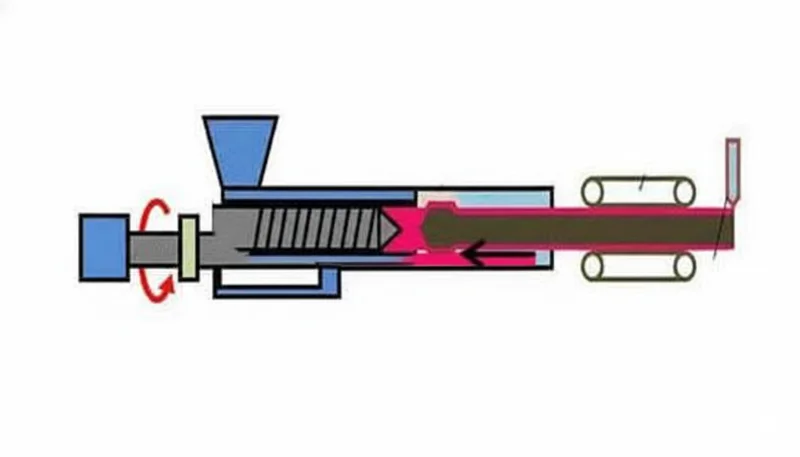
Plastic extrusion molding is a continuous manufacturing process that transforms thermoplastic materials into uniform cross-sectional profiles. The process involves heating solid plastic pellets above their glass transition temperature, creating a homogeneous molten state. A rotating screw system provides continuous material transport, mixing, and pressure generation throughout the heated barrel. The molten polymer is then forced through precision-engineered dies that shape it into desired cross-sectional geometries while maintaining consistent wall thickness and dimensional tolerances. Finally, systematic cooling systems ensure uniform temperature reduction, preventing internal stress and maintaining dimensional stability in the final products.
Key Benefits: Continuous Production • Uniform Profiles • Dimensional Accuracy • Material Versatility • Cost Efficiency
Process Definition
Extrusion molding is a continuous manufacturing process where thermoplastic materials are heated, melted, and forced through a shaped die to create uniform cross-sectional profiles of indefinite length.
This process transforms solid plastic pellets into consistent, dimensionally accurate components through controlled thermal and mechanical energy application.
Key Operating Phases
Material Plasticization
Heating and melting solid pellets into homogeneous molten state
Pressurized Transport
Continuous material flow through heated barrel system
Die Formation
Final geometric shaping before controlled solidification
Core Technical Principles
Thermal Plasticization
Controlled heating transforms solid thermoplastic pellets into homogeneous molten state above glass transition temperature, enabling molecular flow and shaping.
Mechanical Conveyance
Rotating screw system provides continuous material transport, mixing, and pressure generation.
Precision Die Formation
Engineered dies shape molten polymer into desired cross-sectional geometry.
Controlled Solidification
Systematic cooling systems ensure uniform temperature reduction, preventing internal stress and maintaining dimensional stability.
What are the Challenges in Plastic Extrusion Molding Components?
Plastic extrusion molding enables complex component creation across industries but faces significant technical challenges. Key issues include dimensional instability from differential cooling, surface defects like die lines and melt fractures, material flow non-uniformity creating weak points, structural integrity compromises from residual stresses, and geometric fidelity limitations affecting precise features. These challenges impact product quality, efficiency, and performance with substantial economic implications. Industry approaches include advanced computational modeling for prediction, material science innovations with specialized formulations, process control technologies with real-time monitoring, evolved die designs with flow balancers, and hybrid manufacturing combining extrusion with secondary processes to achieve tighter tolerances and improved performance.
Key Considerations: Material Behavior • Process Control • Quality Assurance • Economic Impact • Technical Limitations
Technical Challenges
Dimensional Instability
Differential cooling rates create internal stresses causing warpage, shrinkage, and distortion. This is particularly problematic in multi-chamber profiles and materials with high thermal expansion coefficients, affecting assembly fit and performance.
Surface Quality Limitations
Surface defects like die lines, melt fractures, and sharkskin effect result from material rheology, die design, and processing conditions. These imperfections compromise both aesthetics and functionality in applications requiring smooth flow or optical clarity.
Material Flow Non-Uniformity
Varying flow paths create different residence times and shear histories, leading to inconsistent molecular orientation and mechanical properties. Dead zones where material stagnates can create weak points, especially in profiles with varying thicknesses.
Structural Integrity Compromises
Differential cooling induces residual stresses leading to micro-cracking, particularly at thickness transitions. Weld lines where flow fronts meet create natural weak points, reducing impact resistance and load-bearing capacity.
Geometric Fidelity Limitations
Surface tension effects prevent sharp corners, while elastic recovery alters fine details. Thin-walled sections are prone to collapse.
Industry Approaches
Principais Vantagens
CFD and FEA simulations predict material behavior, flow patterns, and cooling dynamics before production. These tools optimize die designs and processing parameters to minimize dimensional instability, with some systems incorporating real-time feedback for continuous improvement.
Material Science Innovations
Specialized polymer formulations with flow modifiers, nanocomposite additives, and lubricants enhance extrusion performance. These materials reduce shrinkage, warpage, and surface defects.
Process Control Technologies
Advanced sensors and closed-loop systems maintain optimal processing conditions. Real-time monitoring allows immediate adjustments, while machine learning algorithms predict and prevent issues, reducing waste and improving consistency.
Die Design Evolution
Modern dies incorporate flow balancers, temperature control zones, and adjustable lips for fine-tuned material distribution. Computational design tools create optimized land lengths and clearances, while modular systems enable quick reconfiguration for different profiles.
Hybrid Manufacturing Approaches
Combining extrusion with secondary processes like post-machining. Co-extrusion techniques optimize performance and cost by combining different materials.
What is HVAC Extrusion Principles and Process?
HVAC extrusion molding transforms plastic materials into precise components through a systematic six-step process. Beginning with material drying to prevent moisture-related defects, plastic pellets are fed into an extruder where they melt and plasticize through heating and shear friction. The molten material is then extruded through a die that determines the profile shape, followed by critical cooling and sizing to ensure dimensional accuracy. The cooled profiles are hauled off at constant speed and cut to specified lengths before undergoing final post-processing and quality inspection to meet HVAC system requirements.
Key Benefits: Moisture Control • Precise Material Processing • Consistent Profile Formation • Dimensional Accuracy • Quality Assurance
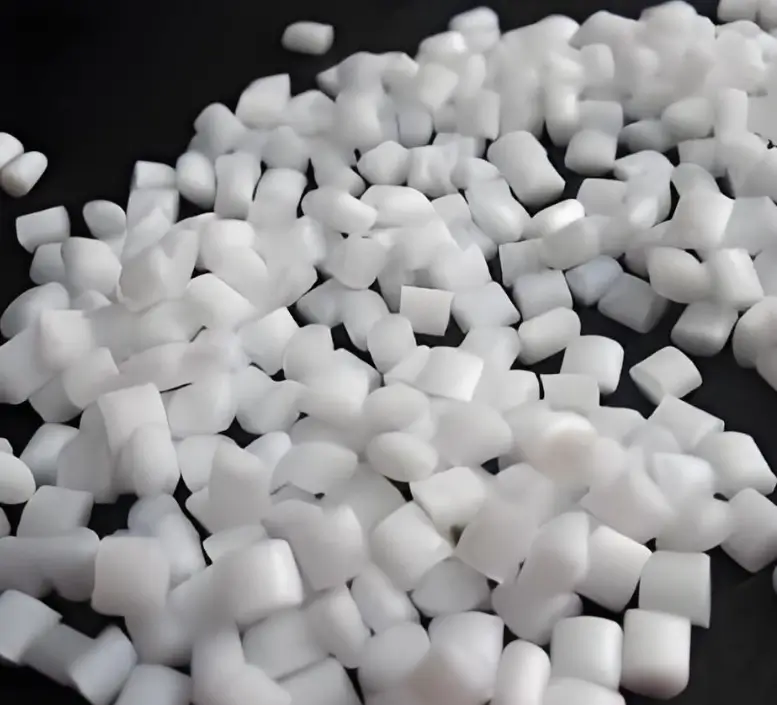
Plastic Raw Material
Drying
This is the essential preparation stage of extrusion molding:
Moisture Removal
Many thermoplastic materials (PVC, ABS) absorb moisture. Without drying, hydrolysis occurs at high temperatures, causing bubbles and surface defects.
Drying Process
Plastic pellets are dried in specialized dryers at specific temperatures and times before extrusion to ensure optimal processing conditions.
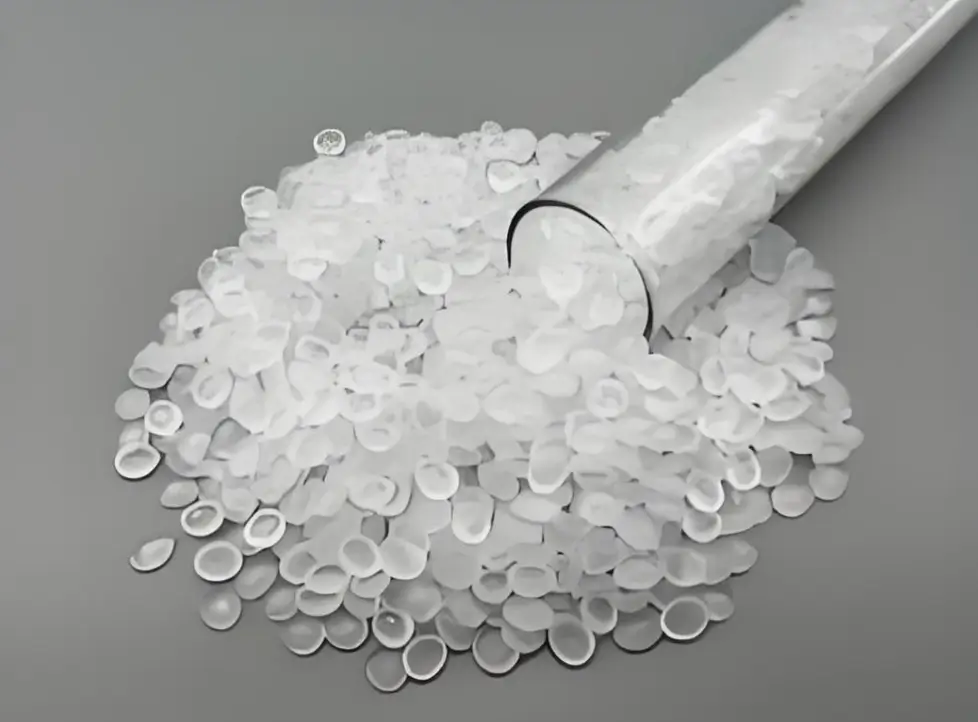
Material Feeding and
Melting Plasticization
This is the "preparation" stage of extrusion molding:
Feeding
Dried plastic pellets enter the extruder barrel from the hopper, beginning their transformation journey through the processing system.
Melting Plasticization
Through external heating and screw rotation friction, plastic transforms to molten state. The screw design includes feed, compression, and metering.
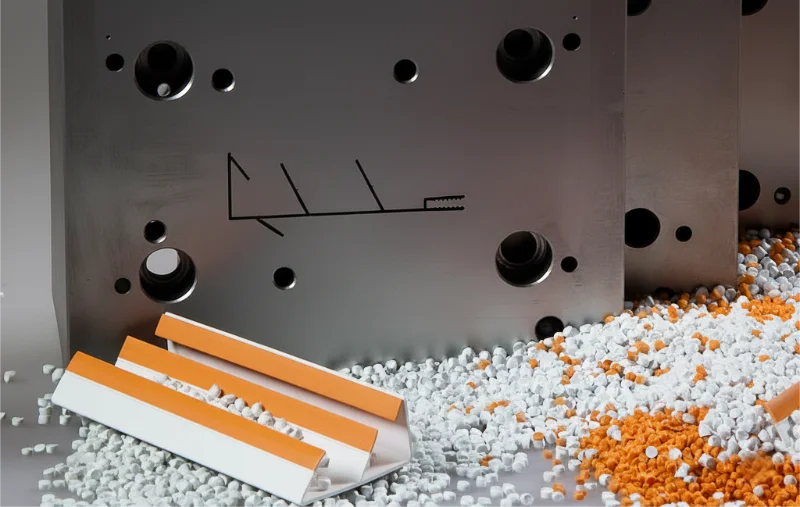
Extrusion Molding
Process
This is the right core of the entire process:
Extrusion
Under screw pressure, molten plastic is continuously extruded through the die head. The die cross-section directly determines the final profile shape.
Forming
After leaving the die, the melt forms a continuous profile similar to the die shape. At this stage, the profile remains in a high-temperature softened state.
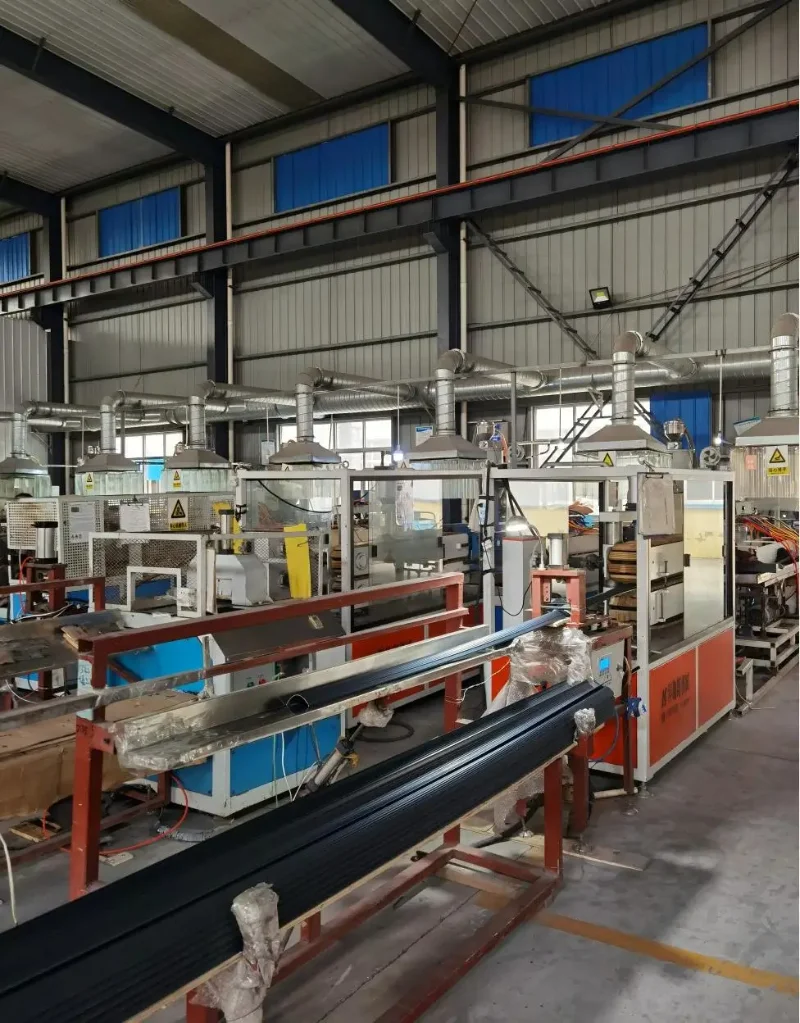
Cooling and
Sizing
This is the critical step where profiles transform from "soft" to "hard":
Cooling
Profiles leaving the die require immediate cooling using water or air systems. Uniform cooling prevents internal stress and changes.
Sizing
For hollow or precision profiles, sizing equipment like vacuum molds ensures dimensional accuracy and maintains shape stability during cooling.
Haul-off and
Cutting
This is the process of transforming profiles into "finished products":
Haul-off
Cooled profiles are pulled by haul-off equipment at constant speed. This speed must precisely match extrusion rate to control dimensions.
Cutting
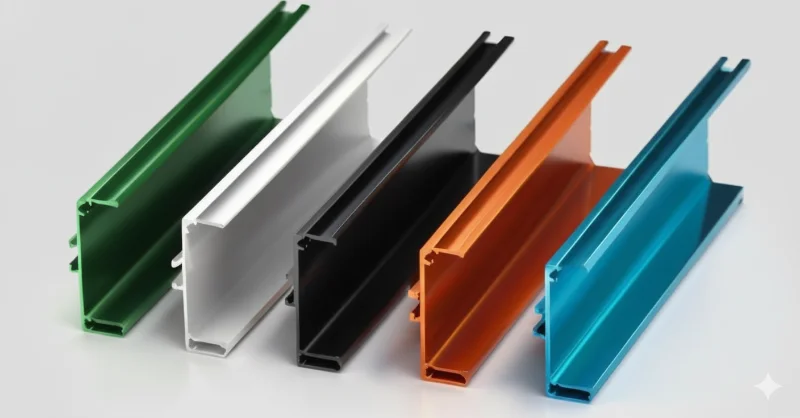
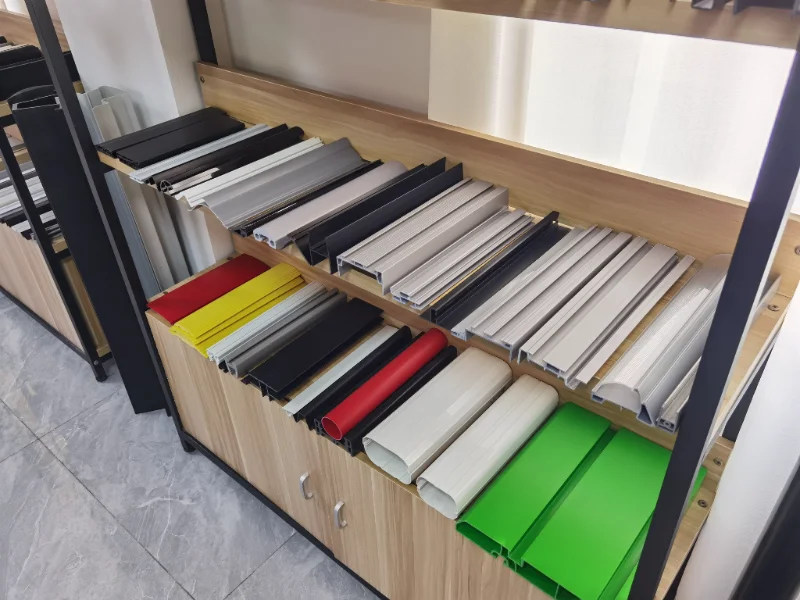
According to requirements, cutting machines slice continuous profiles into specified lengths, preparing them for packaging and shipping.
Post-processing and
Inspection
This is the "final checkpoint" to ensure quality:
Post-processing
As needed, may include annealing for stress relief, surface treatments like printing or laminating, and secondary processing such as drilling.
Inspection
Strict testing of profile dimensions, appearance, and mechanical properties ensures compliance with quality standards before final delivery.
What are the Advantages and Disadvantages of Plastic HVAC Extrusion?
Plastic HVAC extrusion offers significant advantages including exceptional cost-effectiveness, lightweight construction (1/3 weight of aluminum), superior corrosion resistance, natural thermal insulation, and flexible design capabilities. However, it presents critical limitations such as lower mechanical strength, restricted temperature range, poor UV resistance, fire safety concerns, and high thermal expansion coefficients. The technology excels in applications like air ducts, insulation pipes, and drainage systems where weight reduction and corrosion resistance are prioritized, but is unsuitable for high-pressure or high-temperature environments. Material selection requires careful evaluation of performance requirements against cost objectives and regulatory compliance.
Key Benefits: Cost Efficiency • Lightweight Design • Corrosion Resistance • Thermal Insulation • Design Flexibility
Key Advantages
ABS: Alta resistência ao impacto para componentes duráveis
Plastic raw materials cost significantly less than metals, with lower processing temperatures reducing energy consumption. This makes plastic extrusion components highly competitive in pricing, helping control overall project budgets.
Lightweight Construction
Plastic density is extremely low, approximately 1/3 that of aluminum. This dramatically reduces component weight, facilitating transportation and installation while decreasing overall building load requirements.
Superior Corrosion & Chemical Resistance
Plastics naturally resist rust and withstand various chemical substances. This characteristic makes them ideal for condensate pipes, drainage systems, and ventilation applications in corrosive environments.
Natural Thermal & Electrical Insulation
Plastics are poor conductors of heat and electricity. This property makes them perfect for manufacturing insulation pipes, preventing condensation in ductwork, while providing electrical safety benefits.
Flexible Design & Integration
Plastics are easily colored and can be produced in various vibrant hues. Their exceptional elastic properties (such as TPE materials) enable manufacturing of composite profiles with integrated sealing strips or flexible connections, simplifying assembly and reducing part count.
Critical Limitations
Lower Mechanical Strength & Rigidity
Compared to metals, plastics exhibit significantly reduced strength and rigidity. Therefore, they cannot be used for HVAC components requiring high pressure resistance or primary structural support applications.
Limited Temperature Range
Plastics are highly temperature-sensitive, softening and deforming at elevated temperatures while becoming brittle in cold conditions. They are unsuitable for applications near heat sources or extreme temperature environments.
Poor Weather & UV Resistance
Standard plastics degrade, discolor, and become brittle under prolonged sunlight (UV) exposure. Outdoor applications typically require UV stabilizers or specially formulated materials, increasing costs.
Fire Safety Performance Concerns
Most plastics are combustible, producing smoke and toxic gases when burned. Building applications require materials meeting strict fire ratings (such as UL 94 V-0), significantly increasing costs and material selection complexity.
High Thermal Expansion Coefficient
Plastics have much higher thermal expansion coefficients than metals, exhibiting greater dimensional changes with temperature variations. This factor must be carefully considered in precision fitting designs or metal component connections to prevent stress.
What Are the Key Differences Between HVAC Extrusion and Injection Molding?
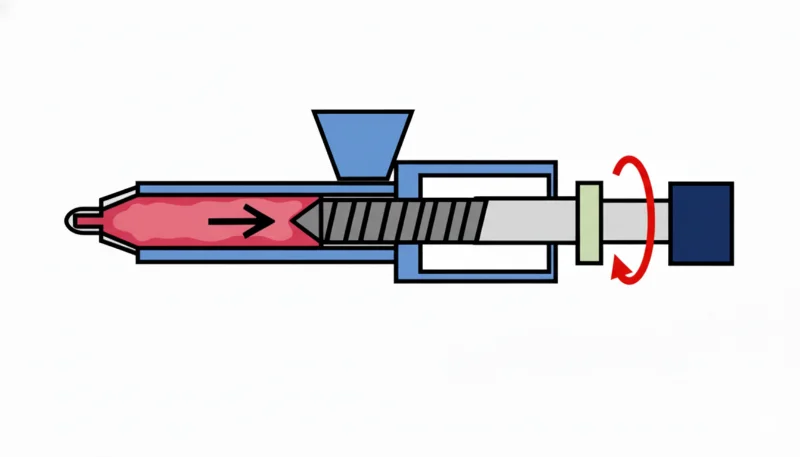
Extrusion and injection molding serve distinct purposes in HVAC component manufacturing. Extrusion molding excels at producing continuous profiles with consistent cross-sections like duct connectors and sealing strips, offering lower tooling costs and minimal material waste. Injection molding is superior for complex 3D shapes such as fittings and brackets, providing high precision and repeatability for discrete parts. While extrusion is ideal for hollow profiles and multi-chamber designs, injection molding handles varying wall thicknesses and intricate details better. Process selection depends on component geometry, production volume, and cost considerations, with each method offering unique advantages for specific HVAC applications.
Key Benefits: Process Selection • Profile Versatility • Precision Manufacturing • Cost Efficiency • Application-Specific Solutions
Extrusion Molding
Advantages
- ✓ Ideal for producing continuous profiles with consistent cross-sections
- ✓ Lower tooling costs compared to injection molding
- ✓ Higher production rates for long components
- ✓ Minimal material waste with near-zero scrap rates
- ✓ Excellent for creating hollow profiles and multi-chamber designs
Limitations
- ✗ Limited to 2D profiles with consistent cross-sections
- ✗ Less suitable for complex 3D shapes
- ✗ Post-processing often required for final product lengths
Injection Molding
Advantages
- ✓ Excellent for complex 3D shapes and intricate details
- ✓ High precision and repeatability for discrete parts
- ✓ Minimal post-processing required for finished parts
- ✓ Ability to produce parts with varying wall thicknesses
- ✓ Excellent for high-volume production of identical parts
- ✓ Wide range of material options including reinforced polymers
Limitations
- ✗ High initial tooling costs and longer lead times
- ✗ Not suitable for producing continuous profiles
- ✗ Higher material waste from runners and sprues
- ✗ Design changes require expensive tool modifications
Material Considerations
Extrusion Materials
- • PVC: Excellent weather resistance, ideal for outdoor applications
- • Polystyrene: Cost-effective with good insulation properties
- • Polyethylene: Flexible and chemical resistant
- • Silicone: High temperature resistance for heating system components
Injection Molding Materials
- • ABS: High impact resistance for durable components
- • Componentes Estruturais e Funcionais
- • Nylon: Excellent mechanical strength for moving parts
- • Glass-filled polymers: Enhanced rigidity for structural components
Choosing the Right Process for HVAC Components
When to Choose Extrusion Molding
- • Producing long, continuous profiles like duct connectors, housing frames, and weather sealing strips
- • Creating components with hollow sections or multiple chambers
- • Projects requiring lower initial tooling investment
- • Applications where material efficiency is a priority
- • When rapid prototyping and faster time-to-market is essential
When to Choose Injection Molding
- • Manufacturing complex 3D parts like fittings, connectors, and brackets
- • High-volume production of identical, discrete components
- • Parts requiring intricate details or varying wall thicknesses
- • Applications where minimal post-processing is critical
- • When precise dimensional tolerances are required for assembly
Environmental Considerations
Both processes can be optimized for sustainability, but they have different environmental profiles:
Extrusion Sustainability
- • Lower energy consumption per unit of material
- • Near-zero waste production
- • Easier to incorporate recycled materials
Injection Molding Sustainability
- • Runner systems can be recycled
- • Longer tool life reduces resource consumption
- • Precise material usage reduces overall waste
What HVAC Plastic Parts Can be Made From Extrusion?
HVAC extrusion molding produces diverse plastic components across four main categories: piping and ductwork systems including fluid transport pipes and ventilation ducts; decorative housings and protective components like trim housings and impact guards; sealing and insulation elements such as sealing strips and thermal insulation profiles; and structural components including vibration dampeners and equipment bases. These extruded parts offer lightweight construction, corrosion resistance, thermal insulation properties, and cost-effective manufacturing solutions for HVAC systems. The continuous extrusion process enables consistent cross-sectional profiles with materials like PVC, PP, PE, and TPE tailored to specific application requirements.
Key Benefits: Lightweight Construction • Corrosion Resistance • Thermal Insulation • Cost-Effective Manufacturing • Material Versatility
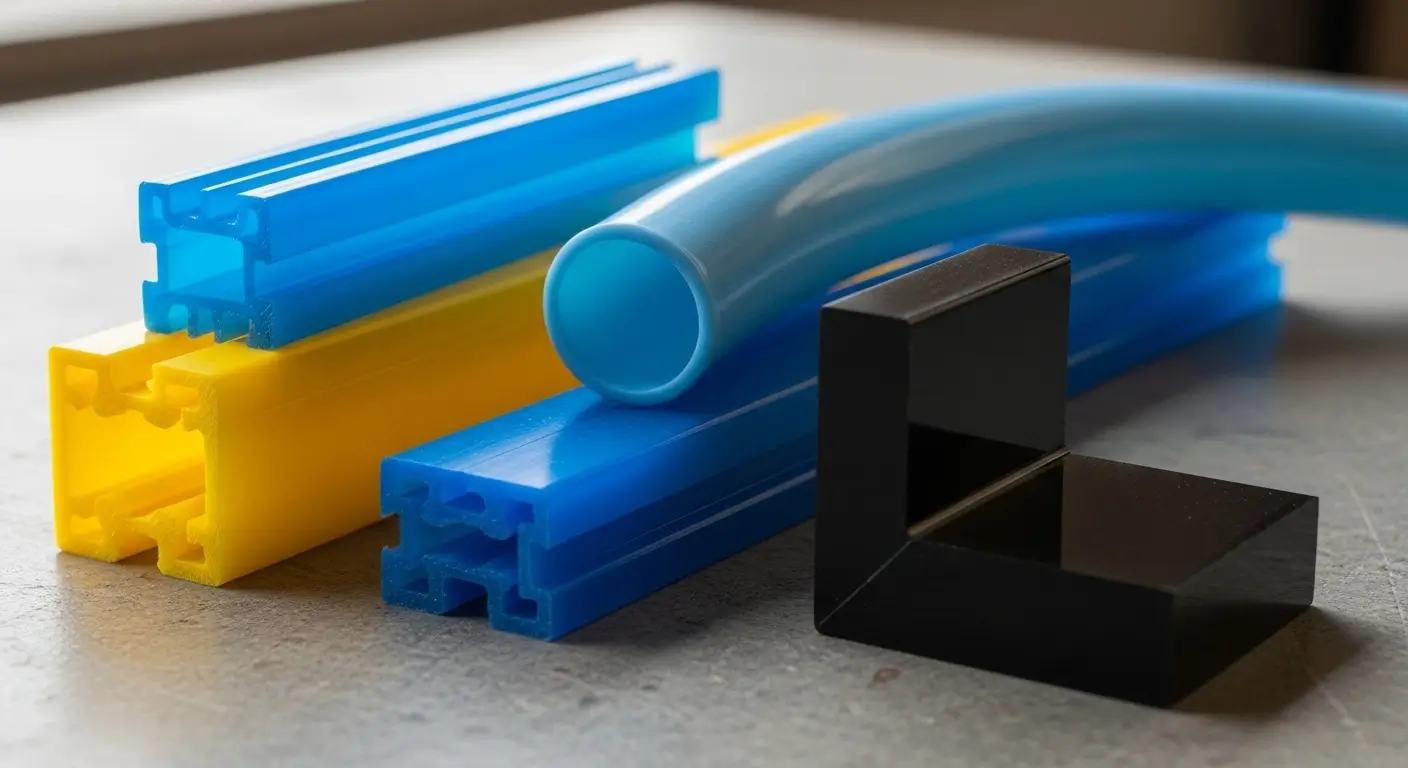
Piping & Ductwork Systems
Fluid Transport Pipes
Used for transporting refrigerants, water, condensate, and other fluids. Common materials include PVC, PP, and PE, offering excellent chemical resistance and sealing properties for reliable system operation.
Ventilation Ducts
Lightweight, corrosion-resistant PVC or polyethylene (PE) ducts commonly used in exhaust, fresh air, or industrial ventilation systems with convenient installation features.
Protective Conduits
Used to securely wrap wires, providing enhanced physical protection and insulation for critical system components.
Housings & Decorative Components
Trim Housings
Used to wrap the edges of indoor or outdoor units, providing aesthetic appeal, dust protection, and component protection for enhanced system appearance.
Impact Guards
Installed at the bottom of air conditioning units or heat pumps to prevent accidental impacts and wear, extending equipment lifespan.
Equipment Covers
Such as maintenance port covers and junction box covers, typically extruded from PVC or ABS materials for reliable protection and easy access.
Sealing & Insulation Components
Sealing Strips
Used for doors, windows, equipment joints, and pipe connections to ensure airtightness and watertightness, preventing energy loss. Materials are typically flexible PVC.
Thermal Insulation Profiles
Used inside equipment housings or frames to provide thermal insulation, preventing thermal bridging and improving system energy efficiency.
Tank Cover Seals
Used to seal water tower or storage tank covers, preventing contamination and evaporation while maintaining system integrity.
Structural & Functional Components
~1500 MPa
Used to reduce vibration and noise generated by compressors, fans, and other equipment during operation, improving system comfort and performance.
Equipment Bases
Such as heat pump bases, made from robust materials like polypropylene (PP), used to elevate equipment and prevent moisture and corrosion damage.
Positioning Blocks & Spacers
Used during installation to precisely position equipment components or provide cushioning, ensuring proper system assembly and operation.
How Can HVAC Extrusion Achieve Both Lightweighting and Structural Enhancement?
HVAC extrusion achieves lightweighting and structural enhancement through two core pathways. The first focuses on high-stiffness cross-section design using structural optimization techniques like internal ribs, hollow/multi-chamber structures, and biomimetic designs that increase moment of inertia. The second pathway incorporates high-performance reinforcement materials, particularly glass fiber reinforcement, which can significantly improve tensile strength and flexural modulus. For example, adding 30% glass fiber to PP can increase tensile strength by 2.7x and flexural modulus by 4x. By strategically combining these approaches, manufacturers can create HVAC components that are both lightweight and structurally robust.
Key Benefits: Structural Optimization • Moment of Inertia • Glass Fiber Reinforcement • Multi-Chamber Design • Biomimetic Structures
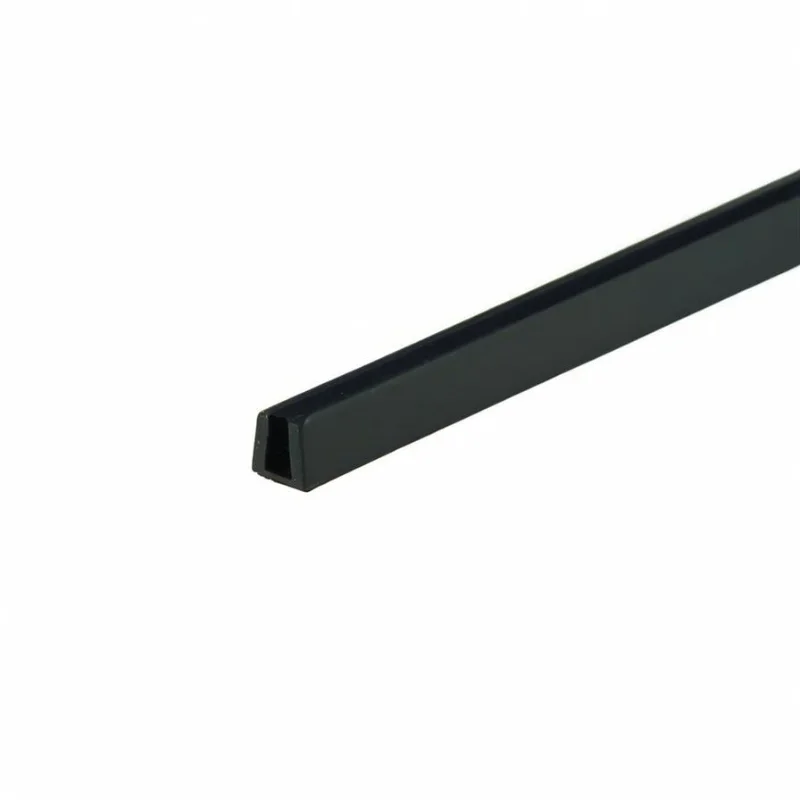
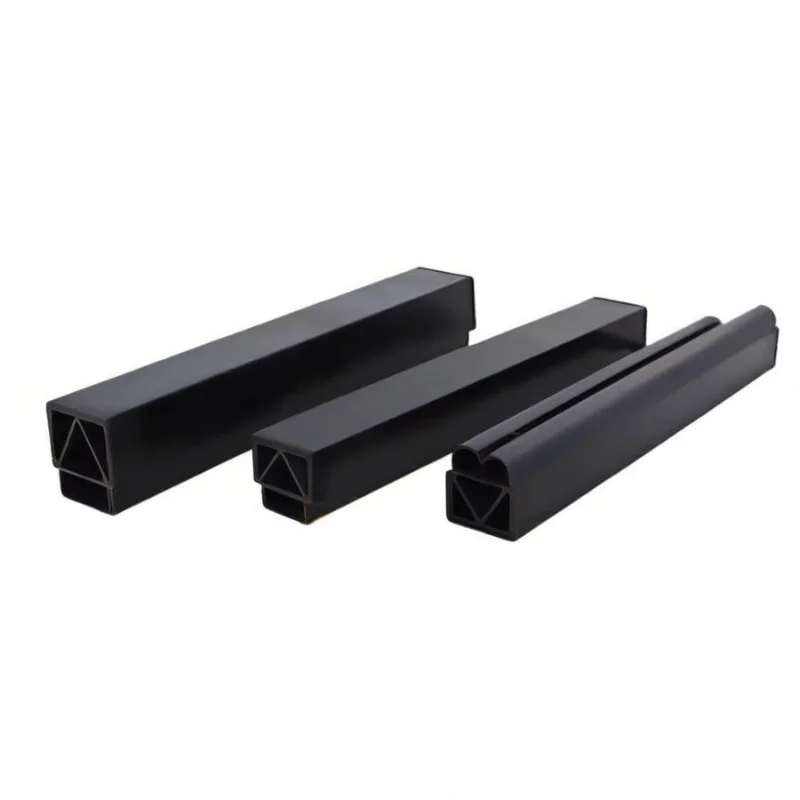
One: High-Stiffness Cross-Section Design
(Structural Optimization)
Moment of Inertia (I) Principle
A physical quantity measuring a cross-section's resistance to bending. The farther material is distributed from the neutral axis, the greater the moment of inertia and bending stiffness.
Analogy: Imagine a ruler lying flat - it bends easily. But stand it upright, and it becomes very difficult to bend. This is because when upright, most material is farther from the neutral axis, dramatically increasing the moment of inertia.
Key Design Technologies:
Internal Rib Design:
- Straight Ribs: Simplest reinforcement method, vertical ribs on plate interiors effectively improve bending resistance.
- Diagonal/Cross Ribs: 45-degree cross-arranged ribs provide bending resistance and significantly improve torsional stiffness, ideal for components experiencing twisting forces.
- T-Type/I-Type Ribs: Mimicking I-beam principles, using thick webs connecting two flanges achieves extremely high bending performance with minimal material.
Hollow/Multi-Chamber Structures:
- Single Chamber: Common square or rectangular ducts concentrating material on outer walls, much lighter than solid structures with minimal stiffness loss.
- Multi-Chamber: Internal partitions creating multiple small chambers further enhance stiffness while providing sound insulation and external pressure resistance. Premium air conditioning outlet grilles often use complex internal multi-chamber structures.
Biomimetic Design:
- Honeycomb Structure: Mimicking beehive hexagonal patterns, one of the most optimal lightweight high-strength structures known. Extrusion can create honeycomb-interior panels or profiles with exceptional strength-to-weight ratios.
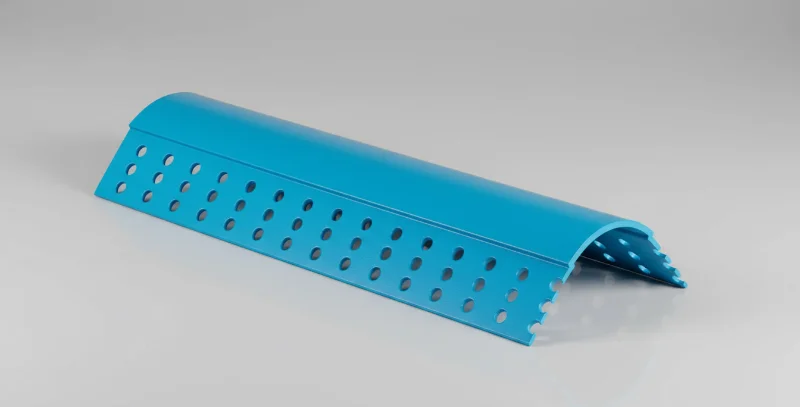
- Porous Structures: Specially designed molds create regularly distributed circular or shaped holes in profiles, achieving maximum weight reduction while maintaining structural strength and ventilation.
Two: High-Performance Reinforcement Materials
(Material Upgrade)
This is a "win through strength" strategy that fundamentally improves material mechanical properties by adding reinforcement materials to base plastics.
Glass Fiber Reinforcement Materials
Currently the most widely applied and cost-effective reinforcement technology.
Mechanism of Action:
Glass fibers (GF) act like steel bars in concrete, serving as high-strength framework bearing primary loads, while plastic matrix binds fibers together, transfers stress, and protects fibers.
Performance Enhancement (PP Example):
| Performance Index | Pure PP | PP+30%GF | Improvement |
|---|---|---|---|
| Tensile Strength | ~30 MPa | ~80 MPa | ~2.7x |
| Flexural Modulus | ~1500 MPa | • Graus estabilizados contra UV disponíveis | ~4x |
| Heat Deflection Temp (1.8MPa) | ~100°C | ~155°C | +55°C |
Glass Fiber Content Selection & Trade-offs:
Low Content (10%-20%):
Provides moderate strength improvement with minimal cost increase.
Medium Content (25%-35%):
The Sweet Spot,Optimal significant strength and stiffness improvements.
Which Plastic Material is Used in HVAC Extrusion Process?
HVAC extrusion utilizes a diverse range of plastic materials tailored to specific applications. PVC stands as the most common choice due to its excellent chemical resistance and cost-effectiveness, ideal for ductwork and outdoor components. PP offers superior chemical resistance and high-temperature performance, making it suitable for heat exchangers and condensate drains. ABS provides balanced properties with good impact strength and dimensional stability for control panels and precision components. Advanced solutions include glass fiber reinforced materials (PP-GF30, ABS-GF20) that significantly enhance mechanical properties, and specialized engineering plastics like PC and PA6/PA66 for demanding applications. Material selection is guided by specific requirements such as temperature range, UV resistance, mechanical strength, and environmental exposure, ensuring optimal performance across diverse HVAC applications.
Key Benefits: Material Versatility • Performance Optimization • Application-Specific Solutions • Enhanced Mechanical Properties • Temperature Resistance • Chemical Compatibility
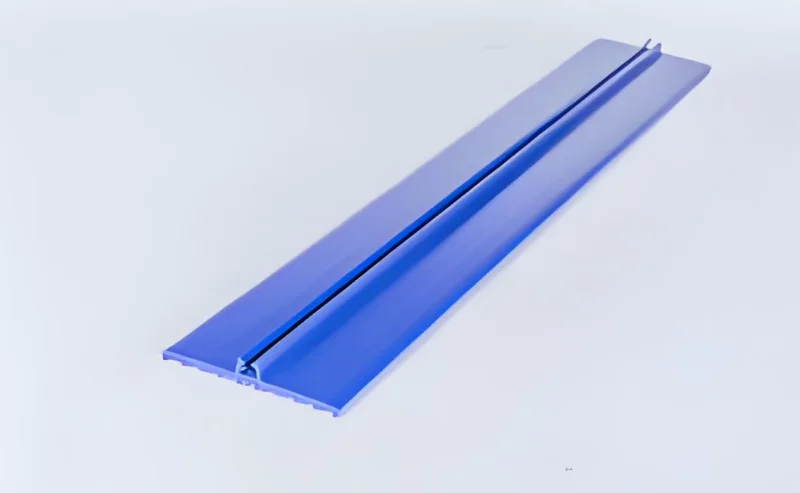
PVC
Most Common Choice
Key Properties:
- • Excellent chemical resistance
- • Good flame retardancy
- • Cost-effective processing
- • Wide temperature range (-10°C to 60°C)
Applications:
Ductwork, ventilation grilles, pipe systems, window profiles, and outdoor HVAC housings.
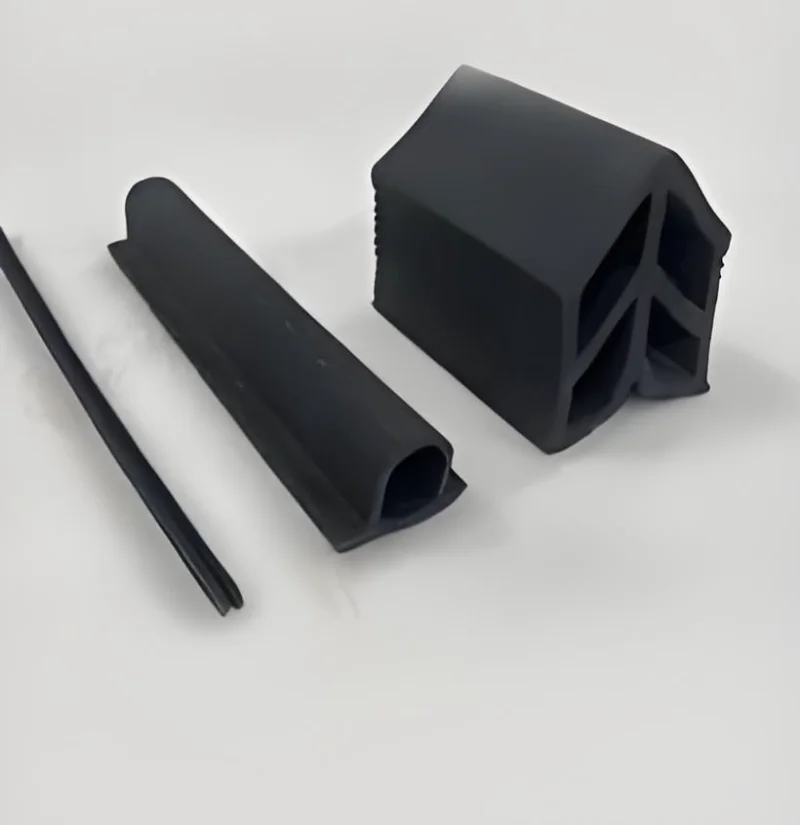
PP
High Performance
Key Properties:
- • Superior chemical resistance
- • Low moisture absorption
- • Excellent fatigue resistance
- • Good electrical insulation
- • Operating temp: -20°C to 100°C
Applications:
Heat exchangers, condensate drains, chemical-resistant components, and high-temperature applications.
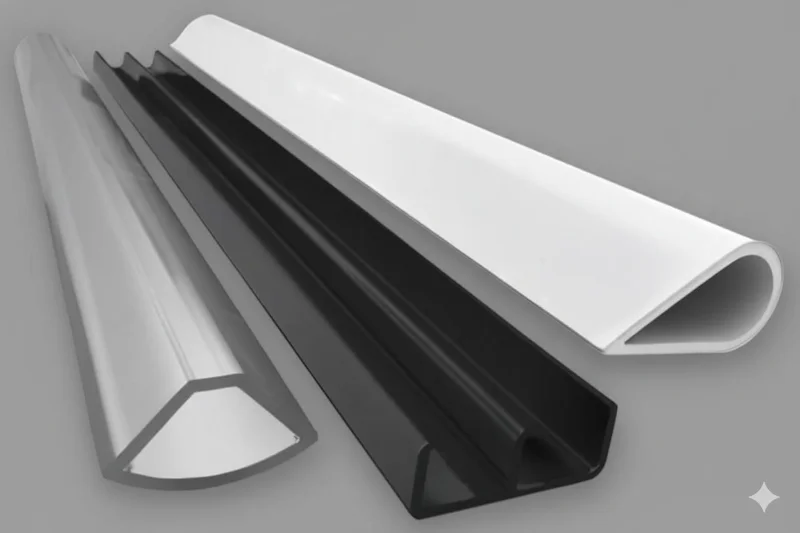
ABS
Balanced Properties
Key Properties:
- • High transparency
- • Excellent heat resistance
- • Good mechanical strength
- • Flame retardant properties
- • Service temp: -40°C to 120°C
Applications:
Control panels, decorative covers, indoor air handling units, and precision machined components.
Advanced HVAC Material Solutions
Glass Fiber Reinforced Materials
PP-GF30 (PP + 30% Glass Fiber)
- • Tensile strength: ~80 MPa
- • Flexural modulus: ~6000 MPa
- • Heat deflection: 155°C
- • Ideal for structural components
ABS-GF20 (ABS + 20% Glass Fiber)
- • Enhanced rigidity and strength
- • Improved dimensional stability
- • Better creep resistance
- • Perfect for precision housings
Specialized Engineering Plastics
PC (Polycarbonate)
- • Exceptional impact resistance
- • Temperature range: -40°C to 120°C
- • UV stabilized grades available
- Fractura por Fusão
PA6/PA66 (Nylon)
- • Superior mechanical properties
- • Excellent wear resistance
- • High temperature performance
- • Chemical compatibility
Material Selection Guidelines for HVAC Extrusion
| Application | Recommended Material | Key Requirements | Temperature Range |
|---|---|---|---|
| Outdoor Ductwork | PVC | UV resistance, weatherability | -10°C to 60°C |
| Heat Exchangers | PP-GF30 | Chemical resistance, high temp | -20°C to 120°C |
| Control Housings | ABS-GF20 | Dimensional stability, finish | -40°C to 85°C |
| Transparent Covers | PC | Optical clarity, impact resistance | -40°C to 120°C |
| Structural Components | PA66-GF30 | High strength, wear resistance | -40°C to 150°C |
How to Control Temperature and Speed in HVAC Plastic Extrusion?
Temperature and speed control are critical in plastic extrusion molding, directly determining melt quality and product performance. Temperature control affects plasticization and viscosity, with low temperatures causing poor melting and excessive viscosity, while high temperatures lead to material degradation and insufficient viscosity. Speed control influences production efficiency and melt behavior, where slow speeds reduce productivity and risk overheating, while fast speeds cause melt fracture and dimensional instability. The synergistic effect of shear heat connects these parameters, requiring careful balance to ensure optimal melt state. Precise control of both factors is essential for producing high-quality extruded profiles with consistent dimensions and properties.
Key Benefits: Temperature Optimization • Speed Control • Shear Heat Management • Quality Consistency • Process Efficiency
Impact of HVAC Temperature Control: Determining Melt "State"
Temperature control primarily refers to barrel temperature and mold temperature control. It directly determines the viscosity, flowability, plasticization quality, and chemical reaction degree of the plastic melt.
Problems with Low Temperature
Poor Plasticization
Plastic pellets fail to fully melt or mix unevenly. The melt contains "raw material" or unmelted crystal points, resulting in rough surface, loose internal structure, and drastically reduced mechanical properties.
Excessive Melt Viscosity
The melt becomes viscous like "syrup" with poor flowability. This leads to filling difficulties, high back pressure and energy consumption, surface defects, and excessive internal stress.
Problems with High Temperature
Material Degradation
When temperature exceeds the thermal stability range of plastic, polymer chains undergo breakage, crosslinking, and other chemical changes. Products turn yellow, darken, or even blacken; produce irritating odors; become brittle with severely reduced mechanical properties.
Insufficient Melt Viscosity
The melt becomes thin like "water". This causes molding difficulties, bubbles and voids, increased shrinkage rate.
Problems with Low Speed
Low Production Efficiency
This is the most direct impact, resulting in low output and high unit costs.
Material Overheating Risk
The melt stays too long in the barrel and mold. Even with appropriate temperature settings, thermal accumulation over extended periods may cause degradation.
Surface Quality Degradation
The melt stays on the mold surface for relatively long periods, potentially cooling prematurely, leading to reduced surface gloss or "pitting".
Problems with High Speed
Melt Fracture
Vias de Implementação de Prototipagem Rápida.
Poor Plasticization
Excessive screw speed means plastic stays too briefly in the barrel, insufficient time for complete melting and mixing.
Dimensional Instability
Excessive pulling speed causes over-stretching of profiles; insufficient pulling speed causes accumulation and wrinkling at the mold exit.
Synergistic Effect of Temperature and Speed: Shear Heat
Temperature and speed are not independent variables; they are closely connected through "shear heat".
Principle
When the screw rotates, it shears and creates friction with the melt, generating significant heat. Higher speed means higher shear rate and more shear heat generation.
High-Speed Production
Barrel temperature must be appropriately reduced to offset the additional temperature rise from shear heat, preventing melt overheating and degradation.
Low-Speed Production
Barrel temperature may need to be slightly increased to ensure the melt has sufficient heat to maintain good plasticization and flowability.
Control Objectives and Defect Comparison Table
| Process Parameter | Condition | Main Quality Defects | Control Objectives |
|---|---|---|---|
| Temperature | Low | Poor plasticization, surface flow marks, high internal stress, increased brittleness | Ensure complete plastic melting, uniform mixing, moderate and stable melt viscosity; avoid material thermal degradation, maintain good melt flowability and thermal stability |
| High | Material degradation (yellowing, brittleness), bubbles, flash, large shrinkage | ||
| Speed | Slow | Low efficiency, poor surface gloss, thermal degradation risk | Achieve maximum production efficiency while ensuring quality; avoid melt fracture, ensure stable extrusion process and uniform dimensions |
| Fast | Melt fracture (bamboo-like), poor plasticization, dimensional instability |
How Can HVAC Extrusion Customization and Rapid Prototyping?
Customization of HVAC extrusions is achieved through a combination of personalized mold design, material formulation, and precision dimensional control. An effective rapid prototyping workflow for this purpose employs a two-phase process. The first phase involves design verification using 3D printing technology to assess appearance and assembly, followed by a second phase of material verification through simplified experimental molds. This combined methodology establishes a low-risk development workflow that accelerates time-to-market from a traditional 6-12 months to 3-6 months. Crucially, it resolves up to 90% of potential design issues prior to the investment in full-scale production molds. This integrated process facilitates the creation of innovative HVAC components tailored to specific application requirements, while simultaneously reducing development costs and mitigating investment risks.
Key Benefits: Customized Solutions • Rapid Prototyping • Risk Mitigation • Accelerated Time-to-Market • Cost-Effective Innovation
How Customization is Achieved
Personalized Mold Design
Complex Cross-Sections
Using CAD/CAE software to design complex cross-section profiles for specific functions like airflow guidance, reinforcement, and sealing.
Multi-Cavity Co-Extrusion
Advanced single-step extrusion process of multiple different materials or sophisticated multi-functional composite profiles, such as rigid PVC structural main body + soft TPE flexible sealing strip window frames for enhanced performance.
Personalized Material Formulation
Performance Enhancement
Precise addition of glass fiber, flame retardants, anti-UV agents, and antimicrobial agents to base resins for application-specific performance matching.
Special Colors & Textures
Through color masterbatch or co-extrusion technology, achieving unique colors, stone patterns and other aesthetic effects for architectural needs.
Precision Dimensional Control
Tight Tolerances
According to assembly requirements, providing stricter dimensional tolerance control than industry standards, ensuring perfect fit with other components.
Quality Assurance
Advanced precision measurement and comprehensive testing protocols to systematically verify dimensional accuracy and ensure consistency across all production batches.
Customization Case Studies
Data Center Application
U-shaped integrated sealed air duct for precision air conditioning, integrating structural, insulation, and sealing functions.
High-End Residential
Custom wood-grain textured air conditioning housing that perfectly integrates with interior decoration style.
Coastal Environment
Double-wall specially reinforced PVC drainage pipes designed for marine high salt spray environments.
Rapid Prototyping Implementation Pathways
Análise de Desempenho e Custo de Materiais Plásticos em Sistemas HVAC.
Design & Assembly Verification
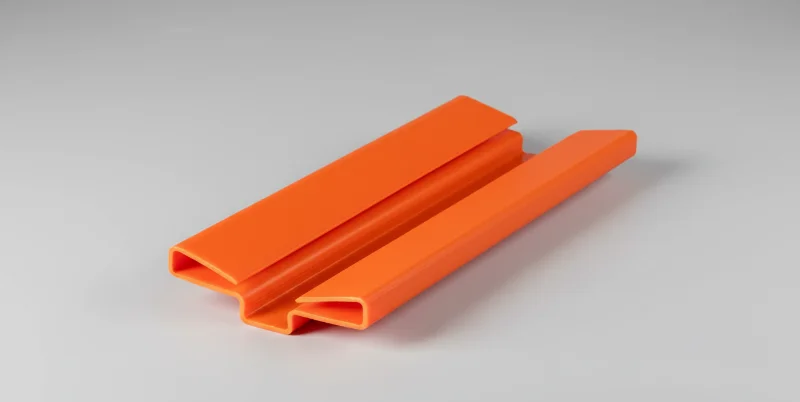
3D Printing Technology
Utilizing SLA (Stereolithography), FDM (Fused Deposition Modeling) and other 3D printing technologies.
Appearance & Dimensional Verification
Rapid creation of 1:1 physical models to verify appearance and dimensions meet design expectations.
Assembly Verification
Simulate assembly of 3D printed components with other parts to check for interference and smooth fitting.
Advantages
Extremely fast (hours to days), relatively low cost, allows multiple design iterations.
Material & Process Verification
Simplified/Experimental Mold
After 3D printing verification, create a simplified, cost-effective experimental mold.
Material Performance Testing
Small-batch extrusion using final material formulation to test mechanical, thermal, and weather resistance properties.
Process Parameter Optimization
Determine optimal extrusion temperature, speed and other process parameters.
Functional Verification
Actual functional testing for components with special requirements (airflow guidance, drainage).
Synergistic Effect of Customization and Rapid Prototyping: 1+1 > 2
Combining both approaches creates a powerful, low-risk product development workflow that accelerates time-to-market while reducing investment risks.
Development Process
Synergistic Advantages
Risk Mitigation
Solve 90% of design issues through low-cost prototypes before investing in expensive production molds.
Accelerated Time-to-Market
Reduce traditional 6-12 month development cycles to 3-6 months.
Deep Customer Engagement
Physical prototypes enable intuitive customer communication and feedback, ensuring final products meet actual needs.
Reduced Innovation Costs
Lower trial-and-error costs encourage bolder design innovation attempts.
Challenges and Considerations
Cost Considerations
Customization involves non-standard solutions with higher mold and material costs. Rapid prototyping adds expenses despite reducing risk.
Time Requirements
Even "rapid" prototyping requires several weeks from design to sample delivery. Proper project timeline planning is essential.
Minimum Order Quantity
Customized projects typically require minimum order quantities to amortize mold costs, unsuitable for true single-piece requirements.
Design Constraints
Customization involves non-standard solutions with higher mold and material costs. Rapid prototyping adds expenses despite reducing risk.
Frequently Asked Questions
Complex designs, budget constraints, and tight timelines can make HVAC component production overwhelming. You need precision without compromising cost-effectiveness.Our specialized extrusion services bridge this gap. We offer FREE technical assessments and design optimization to enhance yield rates while reducing costs. Even with just sketches, we provide preliminary estimates. Choose from tailored materials (PVC, CPVC, PP, ABS) and surface treatments (painting, electroplating, texturing) to meet your exact specifications.Transform your HVAC challenges into competitive advantages with our expert extrusion solutions.
Key Benefits: Technical Assessment • Design Optimization • Flexible MOQ • Clear Timeline • Material Expertise • Precision Tolerances • Surface Treatment Options
Our Solutions:
Technical Assessment:
Our technical team provides free evaluation of your drawings to analyze extrusion feasibility.
Case Studies:
We have extensive experience in complex cross-section profile production and can showcase similar cases for your reference.
Processo de Moldagem por Injeção de HVAC
When necessary, our engineers proactively suggest design optimizations to improve yield rates and reduce costs without compromising core functionality. We use UG and other software for precision die design.
Our Solutions:
Sketches, pictures, or ideas can quickly generate a quote, but to provide you with the most accurate quote as soon as possible, please provide the following information:
Our Solutions:
Standard MOQ:
Typically 500-1000 pieces per design to ensure production economics.
Flexible Handling:
For trial orders or special projects, we can negotiate lower MOQs, which may require customers to share part of the setup costs or tooling fees. We are committed to growing together with our clients.
Our Solutions:
We provide a clear delivery timeline:
| Material | Key Advantages | Typical Applications | Formulações Resistentes aos UV: |
|---|---|---|---|
| PVC | Extremely low cost, corrosion-resistant, flame-retardant | Condensate drain pipes, conduits, low-pressure ducts | Lowest |
| CPVC | High-temperature resistant, high strength | Hot water pipes, industrial cooling water | Moderate |
| PP | Excellent chemical resistance, lightweight, fatigue-resistant | Chemical exhaust, fan impellers | Low to Moderate |
| ABS | High rigidity, high impact strength, good appearance | Indoor grilles, control panels, casings | Moderate |
Recommendation: Select the most suitable material based on the specific application scenario (temperature, pressure, chemical environment) and budget requirements. PVC is suitable for low-cost, normal-temperature applications; CPVC is ideal for high-temperature environments; PP is best for chemically corrosive environments; while ABS is suitable for indoor components requiring good appearance and strength.
| 材料 | 主要优势 | 典型应用 | 成本考量 |
|---|---|---|---|
| PVC | 成本极低、耐腐蚀、阻燃 | 冷凝水管、线管、低压风管 | 最低 |
| CPVC | 耐高温、高强度 | 热水管、工业冷却水 | 中等 |
| PP | 耐化学性极佳、轻质、耐疲劳 | 化学排风、风机叶轮 | 低至中等 |
| ABS | 高刚性、高冲击强度、外观佳 | 室内格栅、控制面板、外壳 | 中等 |
选择建议:根据具体应用场景(温度、压力、化学环境)和预算要求选择最合适的材料。PVC适合低成本常温应用,CPVC适用于高温环境,PP适合化学腐蚀环境,ABS则适合需要良好外观和强度的室内部件。
Our Solutions:
We recommend the most suitable materials based on your specific application scenarios:
| Material Type | Advantages | Disadvantages | Typical Applications |
|---|---|---|---|
| Plastic (ABS/PC/PP) | Lightweight, cost-effective, easy to mold, chemical resistant | Lower heat resistance than metals | HVAC housings, air diffusers, ductwork |
| Aluminum | Lightweight, good heat conduction, easy to form | Lower strength than steel | Heat exchangers, structural frames |
| Steel/Stainless Steel | High strength, corrosion resistant, heat resistant | Higher cost, more difficult to extrude | High-temp ducts, industrial equipment |
Our Solutions:
Standard Tolerances:
We follow international standards, with general dimensional tolerances controllable within ±0.1mm.
High Precision Requirements:
For higher precision requirements, we achieve them through optimized tooling, controlled extrusion speed and temperature, which may incur additional costs.
Our Solutions:
We provide comprehensive surface treatment services:
Painting & Coating:
Various painting options including primer, topcoat, and specialty coatings for enhanced durability and aesthetics.
Electroplating:
Metal plating for improved corrosion resistance and enhanced appearance.
Texturing & Finishing:
Various surface textures including smooth, matte, textured, or custom finishes to meet specific requirements.
Our Solutions:
Yes, we offer comprehensive secondary processing and assembly services to provide you with complete, ready-to-use components:
Cutting & Machining:
Precision cutting to specified lengths, drilling, milling, and CNC machining for complex features.
Forming & Bending:
Heat bending, cold forming, and custom shaping to create complex geometries from extruded profiles.
Assembly Services:
Complete assembly of multiple components, including fastening, welding, and integration with other parts.
Custom Fabrication:
Combining extrusion with other manufacturing processes to create finished products that meet your exact specifications.
Quality Assurance:
All secondary processes are subject to the same rigorous quality control standards as our extrusion services.
Our Solutions:
Yes, we offer specialized formulations with enhanced properties to meet specific safety and durability requirements:
Flame-Retardant Options:
We can incorporate flame-retardant additives into various materials including PVC, ABS, and PP. These formulations meet UL94 V-0, V-1, or V-2 ratings and are suitable for applications requiring fire safety compliance.
UV-Resistant Formulations:
Serviços de Moldagem por Extrusão de Plástico | Fabricação de Componentes de AVAC | HVACore.
Combined Properties:
We can create formulations that offer both flame-retardant and UV-resistant properties for demanding outdoor applications where both safety and durability are critical.
Certification Support:
We provide documentation and certification support to help you meet industry standards and regulatory requirements for your specific application.
Custom Additives:
Beyond flame retardancy and UV resistance, we can incorporate other specialized additives such as antimicrobial agents, anti-static properties, or enhanced thermal conductivity as needed.
Ready to Start Your Extrusion Project?
Partner with HVACore for precision plastic extrusion molding solutions. Our engineering team is ready to optimize your HVAC component designs for manufacturability and performance.