
Grands systèmes de conduits, connexions d'équipement, sections nécessitant un entretien périodique ou un accès. Connectors
Professional HVAC air distribution systems engineered for optimal airflow performance. Custom ductwork and connector solutions with precision manufacturing and global compliance standards.
Table of Contents
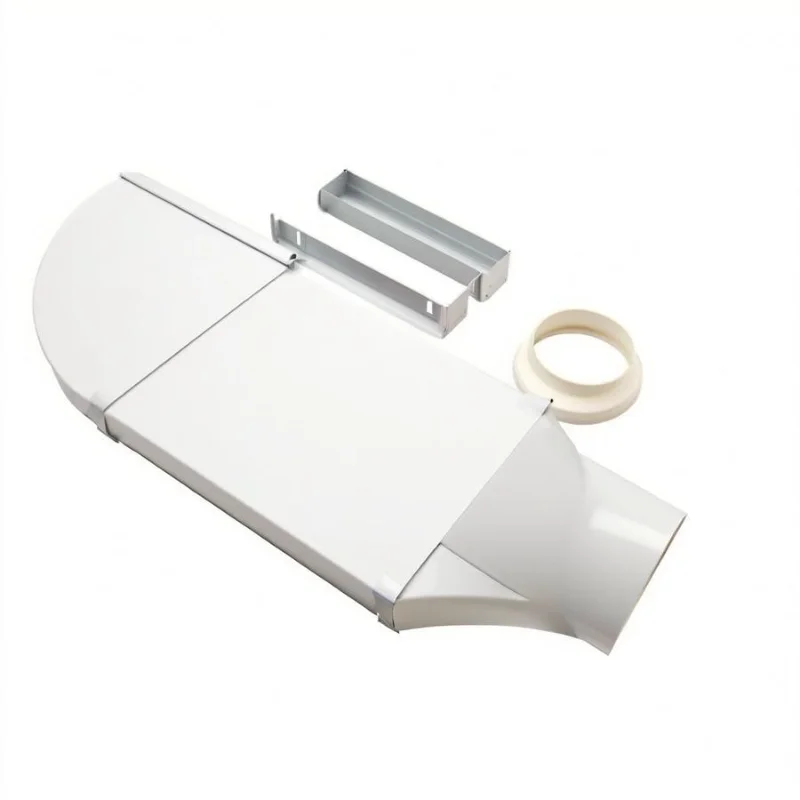
What are HVAC Ducts & Connectors?
HVAC ducts and connectors form the circulatory system of heating, ventilation, and air conditioning installations, responsible for distributing conditioned air throughout buildings. These components create pathways that deliver heated or cooled air from central units to various spaces while ensuring proper airflow, pressure balance, and energy efficiency. Ducts come in various shapes, sizes, and materials, while connectors ensure secure joints between duct sections and equipment. Properly designed ductwork systems optimize HVAC performance, reduce energy consumption, and maintain indoor air quality by minimizing air leakage and pressure drops.
Key Function: Air Distribution → Pressure Regulation → Thermal Transfer → System Efficiency
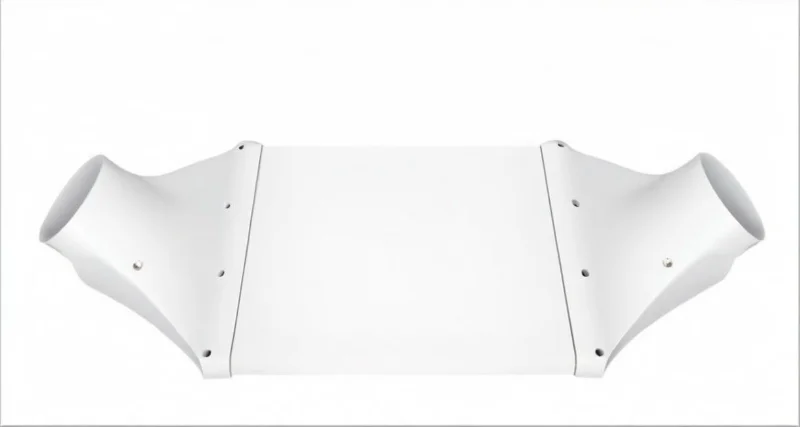
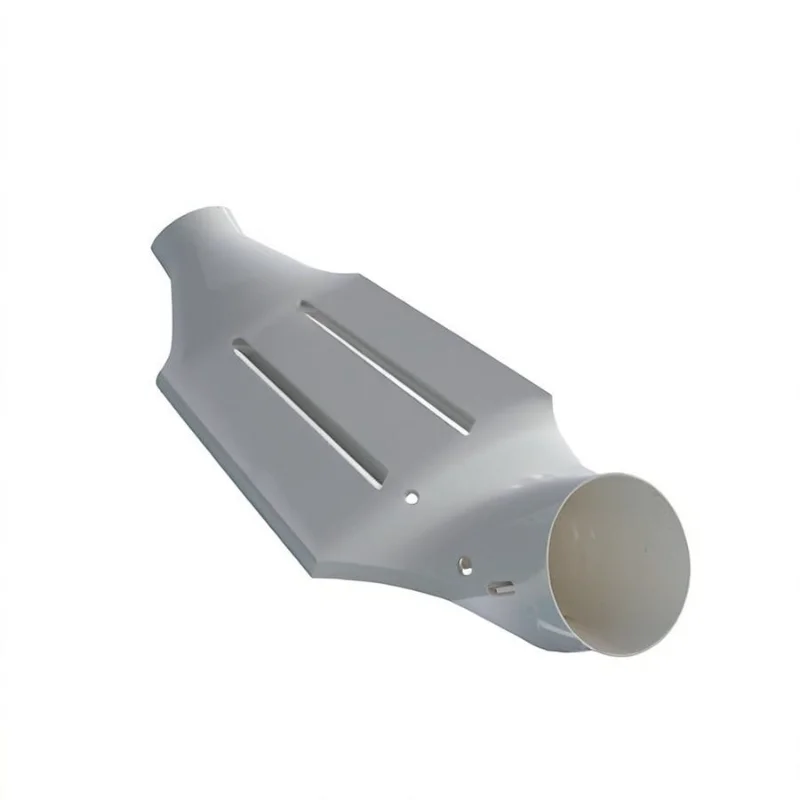
Types & Functions
Supply Ducts
These deliver conditioned air from the HVAC system to various spaces, typically designed to maintain proper air velocity and minimize pressure loss.
Why it's crucial for HVAC: Proper supply duct sizing ensures efficient air distribution and maintains system performance while reducing energy consumption.
Return Ducts
These draw air from living spaces back to the HVAC system for reconditioning, typically larger than supply ducts to minimize resistance.
Why it's important for HVAC: Proper return ducting maintains air pressure balance and allows for efficient filtration of indoor air.
Exhaust Ducts
Designed to remove stale air, moisture, and contaminants from specific areas like bathrooms, kitchens, and utility rooms to the outside.
Why it's important for HVAC: Exhaust ventilation prevents moisture buildup, removes odors, and maintains healthy indoor air quality.
Design & Materials
Material Selection
Common materials include galvanized steel, aluminum, stainless steel, and flexible plastics, each offering different benefits in terms of durability, weight, and corrosion resistance.
Why it's crucial for HVAC: Material choice affects longevity, maintenance requirements, and compatibility with different environmental conditions.
Duct Configuration
Ducts come in various shapes including rectangular, round, and oval, each with specific advantages for different installation scenarios and airflow requirements.
Why it's crucial for HVAC: Proper duct configuration optimizes space utilization, reduces pressure drops, and improves system efficiency.
Connector Systems
Connectors ensure secure joints between duct sections and equipment, including slip joints, flanged connections, and specialized fittings for transitions and branches.
Why it's crucial for HVAC: Quality connectors prevent air leakage, maintain structural integrity, and facilitate installation and maintenance.
What are the Different Types of HVAC Ducts & Connectors?
HVAC ducts and connectors come in various types, each designed for specific applications and installation requirements. Rigid ducts offer durability and structural integrity for main trunk lines, while flexible ducts provide versatility for final connections in tight spaces. Round ducts optimize airflow efficiency, rectangular ducts maximize space utilization, and oval ducts combine benefits of both. Connectors ensure secure joints between duct sections and equipment, with options ranging from simple slip joints to specialized flanged connections. Understanding these differences is crucial for designing efficient HVAC systems that balance performance, space constraints, and installation practicality.
Core Difference: Rigid ducts provide structural integrity for main lines, while flexible ducts offer versatility for final connections.
| Type | Characteristics | Best Applications |
|---|---|---|
| Rectangular Ducts | Space-efficient design, can be fabricated to fit specific dimensions, higher pressure drop than round ducts. | Main trunk lines where space is limited, ceiling cavities, wall cavities with height restrictions. |
| Round Ducts | Most efficient airflow, less material required, lower pressure drop, easier to seal. | Main supply and return lines, areas with adequate vertical space, commercial applications. |
| Oval Ducts | Combines benefits of round and rectangular, better airflow than rectangular, more space-efficient than round. | Ceiling installations with limited vertical space, retrofit applications, areas requiring both efficiency and space optimization. |
| Flexible Ducts | Highly versatile, easy to install in tight spaces, higher pressure drop, can be damaged easily. | Final connections to registers, difficult-to-reach areas, retrofit installations, short runs with minimal bends. |
| Fabric Ducts | Lightweight, customizable, even air distribution, washable, limited pressure capability. | Food processing facilities, clean rooms, laboratories, spaces with specific air distribution requirements. |
| Flanged Connectors | Secure connection, easy to assemble/disassemble, requires gaskets for proper sealing. | Large duct systems, equipment connections, sections requiring periodic maintenance or access. |
| Applications flexibles | Simple design, cost-effective, requires sealing with tape or mastic, not easily disassembled. | Residential applications, smaller duct systems, permanent installations where access is not required. |
Which Plastic Materials are Suitable for HVAC Ducts & Connectors?
The selection of plastic materials for HVAC ducts and connectors significantly impacts system performance, durability, and longevity. Different plastics offer varying advantages in terms of corrosion resistance, weight, thermal properties, chemical resistance, and cost considerations. This analysis evaluates five common plastic materials—PVC, Polypropylene, Polyethylene, Fiberglass Reinforced Plastic (FRP), and Composite Materials—to determine their suitability for different types of HVAC applications, helping manufacturers and installers make informed decisions based on their specific project requirements.
Key Plastic Materials: PVC • Polypropylene • Polyethylene • FRP • Composite Materials
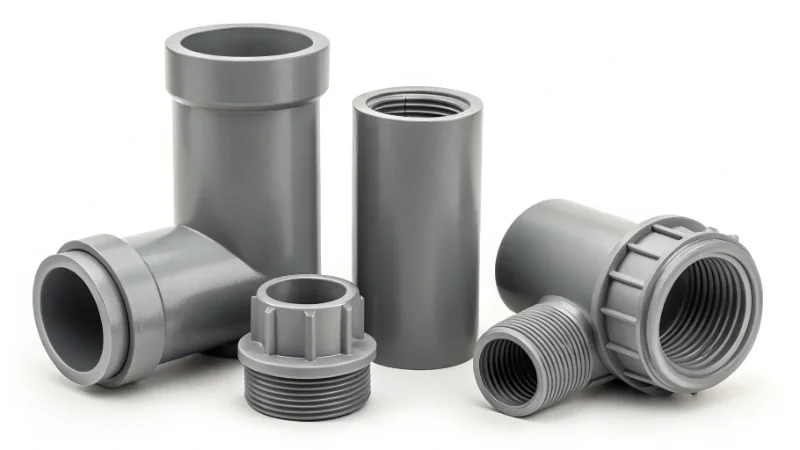
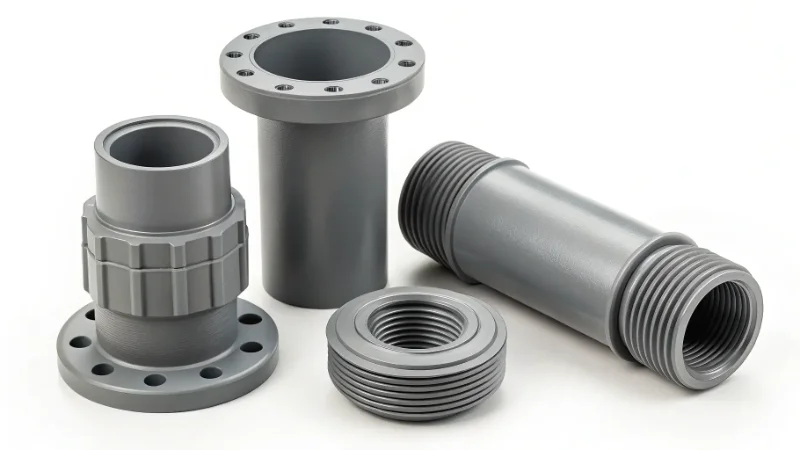
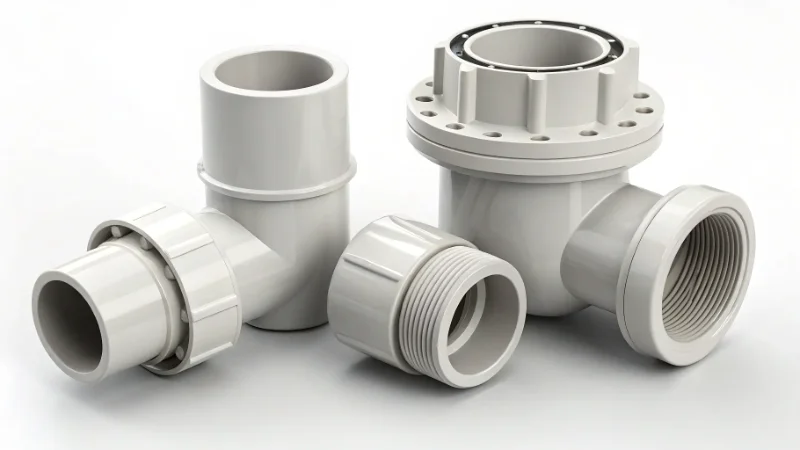
PVC (Polyvinyl Chloride)
The most widely used plastic material for HVAC ductwork, offering excellent durability and chemical resistance.
Polypropylene (PP)
Lightweight and highly chemical-resistant, ideal for specific applications with aggressive environments.
Limitations:
Polyethylene (PE)
Flexible and impact-resistant, ideal for specialized applications requiring durability and flexibility.
Limitations:
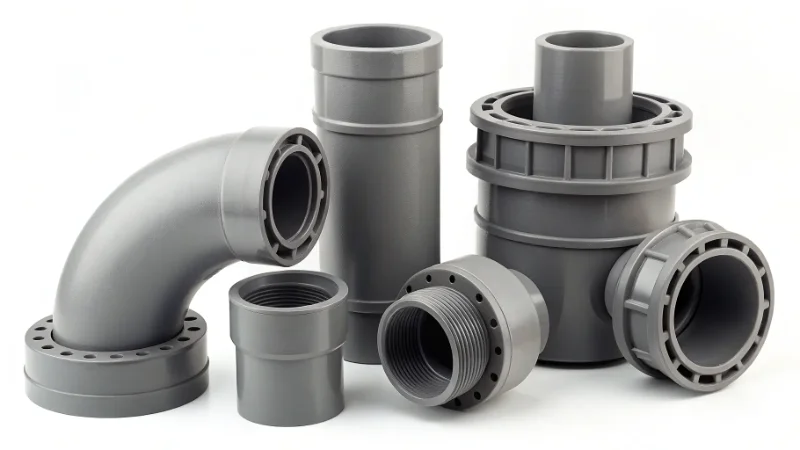
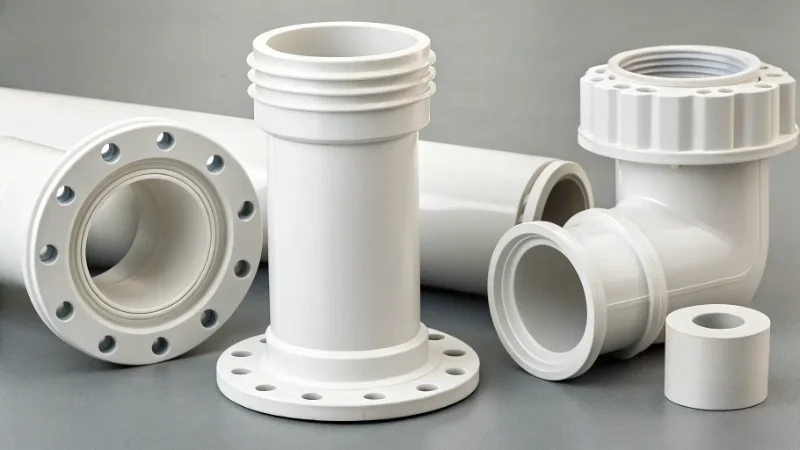
Fiberglass Reinforced Plastic (FRP)
High-strength composite material with excellent corrosion resistance, ideal for harsh environments.
Limitations:
Composite Materials
Engineered materials combining multiple plastic components for optimized performance characteristics.
Limitations:
Conclusion
The selection of appropriate plastic material for HVAC ducts and connectors depends on specific application requirements, environmental conditions, and budget considerations. For most standard applications:
Standard Residential & Commercial
PVC
Chemical Environments
Polypropylene
Flexible Applications
Polyethylene
Principales caractéristiques :
FRP or Composite Materials
The selection of the appropriate plastic material should consider factors such as chemical exposure, temperature requirements, flame resistance needs, mechanical stress, and specific performance requirements.
What are the Key Performance Metrics for HVAC Ducts & Connectors?
Evaluating HVAC ducts and connectors requires a comprehensive assessment of several critical performance areas. Airflow performance ensures efficient distribution of conditioned air throughout the building, while thermal performance impacts energy efficiency and condensation control. Structural integrity and durability metrics confirm the ductwork's ability to maintain shape and function over time. Finally, acoustic performance and other factors like installation efficiency and maintenance requirements determine the overall value and practicality of the duct system.
Key Dimensions: Airflow Performance • Thermal Performance • Structural Integrity • Acoustic Performance & Others
| Key Metric | What It Is | Why It Matters |
|---|---|---|
| 🌬️ Airflow Performance | ||
| Pressure Drop | The loss in air pressure as it moves through the duct system, measured in Pascals (Pa) or inches of water column (in. w.g.). | Directly impacts energy efficiency. A high-pressure drop means the fan must work harder, increasing energy consumption and operating costs. |
| Air Velocity | The speed at which air moves through the ductwork, typically measured in feet per minute (FPM) or meters per second (m/s). | Affects both noise levels and energy efficiency. Too high velocity creates noise and increases pressure drop; too low velocity may cause inadequate air distribution. |
| Air Leakage Rate | The amount of air that escapes from the duct system through joints and connections, typically expressed as a percentage of total airflow. | Significant impact on energy efficiency and system performance. Properly sealed ducts with leakage rates below 5-10% maintain system efficiency and ensure proper air distribution. |
| Friction Loss | The resistance to airflow caused by the duct's internal surface roughness, measured per unit length of duct. | Affects overall system pressure requirements. Smoother duct interiors reduce friction loss, decreasing fan energy requirements and improving efficiency. |
| 🌡️ Thermal Performance | ||
| Thermal Conductivity | The rate at which heat transfers through the duct material, measured in W/m·K (Watts per meter-Kelvin). | Affects heat gain or loss as air travels through the ductwork. Lower thermal conductivity reduces energy transfer, improving system efficiency. |
| R-Value | A measure of thermal resistance, indicating how well the duct insulation resists heat flow. | Higher R-values mean better insulation, reducing heat loss in winter and heat gain in summer, which improves energy efficiency and prevents condensation. |
| Condensation Resistance | The ability of the duct system to prevent moisture formation on exterior surfaces when carrying cool air through humid spaces. | Prevents water damage, mold growth, and insulation degradation. Critical for ducts in unconditioned spaces like attics and crawl spaces. |
| 🏗️ Structural Integrity | ||
| Rigidity & Shape Retention | The ability of the duct to maintain its shape under pressure differentials and physical stress. | Ensures consistent airflow characteristics and prevents collapse or deformation that could restrict airflow or cause noise. |
| Joint Strength | The structural integrity of connections between duct sections, including resistance to pressure and separation forces. | Prevents air leakage at connection points and maintains system integrity under positive and negative pressure conditions. |
| Corrosion Resistance | The ability of the duct material to withstand degradation from environmental factors like moisture and chemicals. | Determines the lifespan of the duct system and prevents contamination of air supply from deteriorating materials. |
| 🔊 Acoustic Performance & Other Factors | ||
| Noise Generation | The amount of aerodynamic noise created as air moves through the duct system, measured in decibels (dBA). | Affects occupant comfort. Excessive duct noise can be disruptive in residential and commercial spaces, requiring additional sound attenuation measures. |
| Sound Transmission Class (STC) | A measure of how well the duct prevents sound from traveling through its walls. | Important for preventing noise transfer between spaces. Higher STC ratings mean better sound isolation between different areas of a building. |
| Installation Efficiency | The ease and speed of installation, including factors like weight, connection methods, and required tools. | Affects labor costs and project timelines. Systems that are easier to install reduce installation errors and overall project expenses. |
| Maintenance Requirements | The frequency and complexity of cleaning, inspection, and repair needed to maintain optimal performance. | Affects long-term operating costs and indoor air quality. Systems designed for easy access and cleaning maintain better performance and air quality over time. |
What are the Common Installation Methods for HVAC Ducts & Connectors?
Proper installation of HVAC ducts and connectors is crucial for system efficiency, air quality, and longevity. The installation method varies based on duct material, building structure, and system requirements. Key methods include slip-and-drive connections for rectangular ducts, butt joints with drive cleats for round ducts, and various flanged connections for larger systems. The choice of installation technique impacts not only the initial construction process but also future maintenance accessibility and system performance. Understanding these methods helps ensure proper airflow, minimize energy loss, and maintain system integrity over time.
Key Methods: Slip-and-Drive • Flanged Connections • Snap-Lock • Welded/Sealed Joints
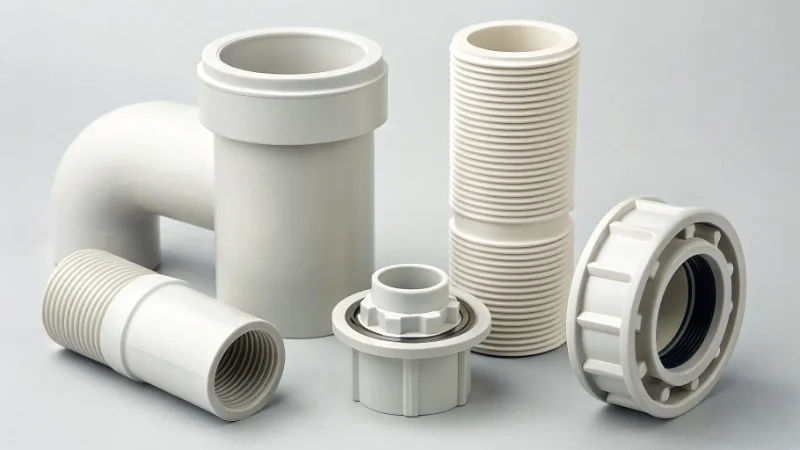
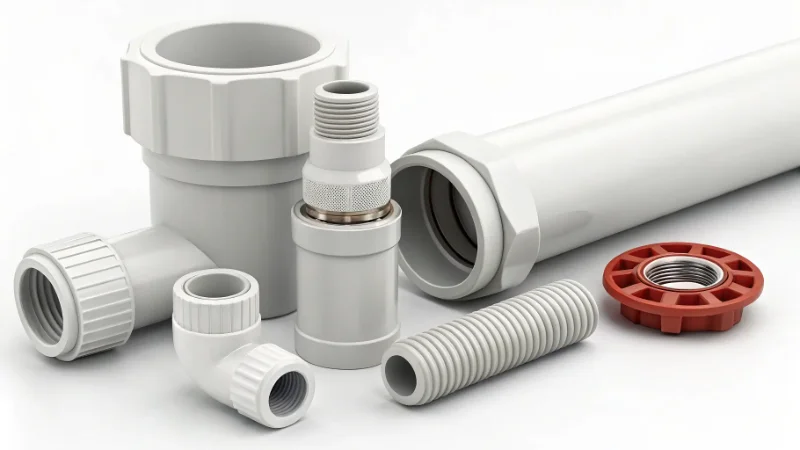
Slip-and-Drive Connections
The most common method for connecting rectangular ductwork, where one section slips into another and is secured with drive cleats.
Key Features:
- Isolation en fibre de verre
- Creates a secure mechanical connection without fasteners
- Allows for some thermal expansion and contraction
- Can be further sealed with mastic or foil tape for improved efficiency
- Ideal for medium-sized rectangular ducts in residential and light commercial applications
Best Practice: Always apply mastic sealant or approved foil tape to the joint after installation to prevent air leakage and improve energy efficiency.
Flanged Connections
Used primarily for larger duct systems where additional structural support is needed, featuring metal flanges that bolt together.
Key Features:
- Provides the strongest mechanical connection for large ductwork
- Allows for disassembly when maintenance or modifications are required
- Typically used with gaskets to ensure an airtight seal
- Common in commercial and industrial applications with larger duct dimensions
- Requires proper alignment and torque specifications for optimal performance
Best Practice: Use appropriate gaskets between flanges and follow manufacturer torque specifications to prevent leaks and maintain structural integrity.
Snap-Lock Connections
A specialized connection method for round ducts where the ends are formed with male and female profiles that snap together.
Key Features:
- Creates a secure connection without additional fasteners
- Quick installation process that requires minimal tools
- Self-aligning design ensures proper connection
- Commonly used for flexible duct connections and smaller rigid round ducts
- Can be reinforced with drawbands for additional security
Best Practice: Apply foil tape or mastic to the exterior of the connection to eliminate air leakage and improve system efficiency.
Welded/Sealed Joints
Permanent connection methods that create airtight seals through welding or specialized sealing compounds.
Key Features:
- Creates the most airtight and permanent connection possible
- Eliminates virtually all air leakage at connection points
- Commonly used in specialized applications like cleanrooms or hospitals
- Requires specialized equipment and skilled technicians
- Cannot be easily disassembled for maintenance or modifications
Best Practice: Reserve welded connections for applications where maximum air containment is critical and future modifications are unlikely.
Installation Method Comparison
| Method | Best For | Difficulty | Air Tightness |
|---|---|---|---|
| Slip-and-Drive | Medium rectangular ducts | Easy | Good (with sealing) |
| Flanged | Large duct systems | Moderate | Excellent |
| Snap-Lock | Round ducts | Easy | Good (with sealing) |
| Welded/Sealed | Specialized applications | Difficult | Superior |
What are Insulation Considerations for HVAC Ducts & Connectors?
Proper insulation of HVAC ducts and connectors is essential for energy efficiency, condensation control, and noise reduction. The right insulation choice depends on climate, duct location, system requirements, and building codes. Insulation helps maintain desired air temperatures as air travels through the ductwork, reduces energy consumption, prevents condensation on cold duct surfaces, and can significantly diminish operational noise. Different materials offer varying R-values, moisture resistance, fire safety ratings, and installation requirements. Understanding these considerations ensures optimal system performance, longevity, and compliance with industry standards.
Key Factors: R-Value • Moisture Resistance • Fire Safety • Installation Method
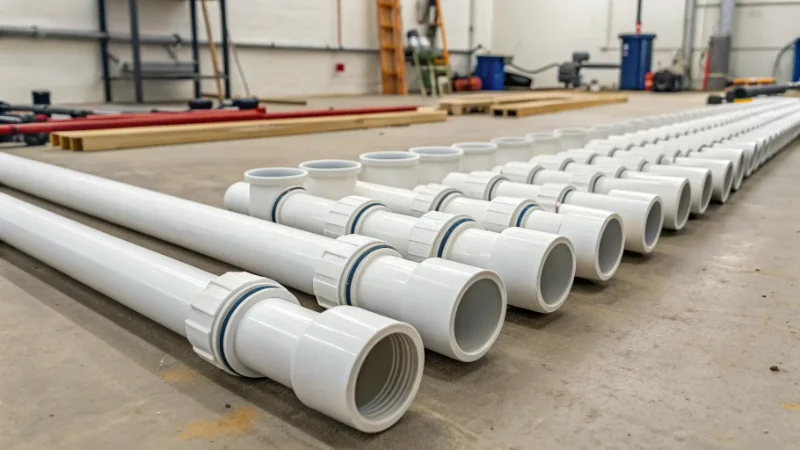
Fiberglass Insulation
Couramment utilisé pour les systèmes de conduits fabriqués.
Key Properties:
- Excellent thermal insulation with R-values ranging from R-4 to R-8 per inch
- Available with vapor barriers to prevent condensation
- Relatively inexpensive and widely available
- Can be faced with foil or vinyl for additional moisture protection
- Requires protective jacketing when used externally
Best Applications:
- Supply and return ducts in unconditioned spaces
- Commercial and residential HVAC systems
- Areas where cost-effectiveness is a priority
Installation Note: Proper protective equipment is required during installation due to skin and respiratory irritation potential. All seams must be carefully sealed to prevent air bypass.
Foam Board Insulation
Rigid insulation boards made from various materials including polyisocyanurate, extruded polystyrene, and expanded polystyrene.
Key Properties:
- Higher R-values per inch than fiberglass (R-5 to R-8)
- Excellent moisture resistance when properly sealed
- Provides some structural rigidity to ductwork
- Available with various facings for fire protection
- More expensive than fiberglass but offers superior performance
Best Applications:
- Commercial refrigeration systems
- High-temperature or high-humidity environments
- Applications where space is limited and higher R-values are needed
Installation Note: Must be installed with fire-rated facings in most commercial applications. All joints must be sealed with appropriate tape or mastic.
Reflective Insulation
Insulation systems that incorporate reflective surfaces, typically aluminum foil, to reduce heat transfer through radiation.
Key Properties:
- Reduces radiant heat transfer rather than conductive/convective
- Most effective when there's an air gap adjacent to the reflective surface
- Lightweight and thin compared to traditional insulation
- Acts as both vapor barrier and insulation
- Performance varies based on installation method and application
Best Applications:
- Hot climates where reducing heat gain is a priority
- Applications where space is limited
- Often used in combination with other insulation types
Installation Note: Must be installed with care to avoid compressing the material, which reduces its effectiveness. All seams must be properly sealed with reflective tape.
Duct Wrap vs. Duct Board
The choice between external duct wrap and internal duct board insulation depends on application requirements and installation constraints.
Duct Wrap:
- Applied to the exterior of metal ductwork
- Allows for inspection of duct joints and connections
- Easier to install on existing ductwork
- Requires protective jacketing for durability
- Can be added as a retrofit to improve system efficiency
Duct Board:
- Insulation is integrated into the duct material itself
- Provides both structural and insulating properties
- Eliminates the need for separate insulation installation
- Commonly used for fabricated duct systems
- Trimestriel
Selection Tip: Duct board is ideal for new construction where ducts are fabricated on-site, while duct wrap is better for retrofit applications or when using pre-fabricated metal ducts.
Insulation Material Comparison
| Material | R-Value/Inch | Cost | Best Climate |
|---|---|---|---|
| Fiberglass | R-3.2 to R-4.3 | Low | All climates |
| Foam Board | R-5 to R-8 | Medium-High | Extreme climates |
| Reflective | Varies with installation | Medium | Hot climates |
What are the Maintenance Requirements for HVAC Ducts & Connectors?
Regular maintenance of HVAC ducts and connectors is essential for system efficiency, indoor air quality, and longevity. A comprehensive maintenance program includes inspection, cleaning, sealing, and component replacement as needed. Proper maintenance prevents energy waste, extends equipment life, reduces airborne contaminants, and helps identify potential issues before they become major problems. The frequency and type of maintenance required depend on system age, usage patterns, environmental conditions, and specific building requirements. Implementing a proactive maintenance schedule ensures optimal performance and can significantly reduce long-term operating costs.
Key Activities: Inspection • Cleaning • Sealing • Filter Replacement • Component Checks
| Maintenance Activity | Description & Methods | Frequency | Importance |
|---|---|---|---|
| Regular Inspections | Systematic visual inspections to identify issues before they escalate. Check for damage, corrosion, air leakage, water stains, duct supports, pest infestations, and damper operation. | Annually for residential systems, quarterly for commercial or high-usage environments | Critical for early problem detection and preventing minor issues from becoming major repairs |
| Duct Cleaning | Professional cleaning removes accumulated dust, debris, and contaminants. Methods include source removal (mechanical brushing with vacuum), air washing, power vacuuming, hand cleaning, and sanitizing when necessary. | Every 3-5 years for residential systems, every 1-2 years for commercial systems | Essential for indoor air quality and system efficiency, especially when mold or excessive debris is present |
| Sealing and Leak Detection | Identifying and sealing air leaks to improve system efficiency. Methods include visual inspection, smoke testing, pressurized testing with duct blasters, and thermal imaging. Sealing materials include mastic, foil-backed tape, butyl tape, and aerosol-based sealants. | Every 3-5 years or when performance issues are detected | High impact - can reduce energy loss by up to 30% and significantly improve system performance |
| Component Maintenance | Specific components require regular attention: dampers and valves (check operation, lubricate), registers and grilles (clean, ensure airflow), filters (replace/clean regularly), turning vanes (inspect for damage), and access panels (ensure proper sealing). | Filters monthly, dampers quarterly, other components annually | Important for proper system operation and preventing component failures that can affect overall performance |
| Insulation Inspection | Check insulation integrity, R-value, and moisture barriers. Look for compression, damage, gaps, or moisture accumulation. Replace or repair insulation as needed to maintain thermal efficiency and prevent condensation. | Annually, with additional checks after extreme weather events | Critical for energy efficiency and preventing condensation-related issues like mold growth |
| Documentation | Keep detailed records of all maintenance activities, including dates, findings, and actions taken. Document system performance metrics to track changes over time and identify trends that may indicate developing issues. | Ongoing, with every maintenance activity | Valuable for tracking system performance, planning future maintenance, and demonstrating compliance with regulations or warranty requirements |
Recommended Maintenance Schedule
Monthly
- • Check/replace filters
- • Inspect visible duct sections
- • Clean registers and grilles
Quarterly
- Facteur
- • Check damper operation
- • Inspect condensate drain
Annually
- • Professional duct cleaning
- • Leak testing and sealing
- • Complete system inspection
What are the Advantages and Disadvantages of Plastic Ducts?
Plastic duct systems have become increasingly popular in HVAC applications due to their unique properties and cost-effectiveness. Made from materials such as PVC, CPVC, polypropylene, and other polymers, these ducts offer distinct advantages and disadvantages compared to traditional metal systems. Understanding these characteristics helps HVAC professionals and building owners determine whether plastic ducts are the right choice for their specific applications, considering factors such as chemical resistance, weight, installation requirements, and environmental conditions.
Key Materials: PVC • CPVC • Polypropylene • Polyethylene • Fiberglass Reinforced Plastic (FRP)

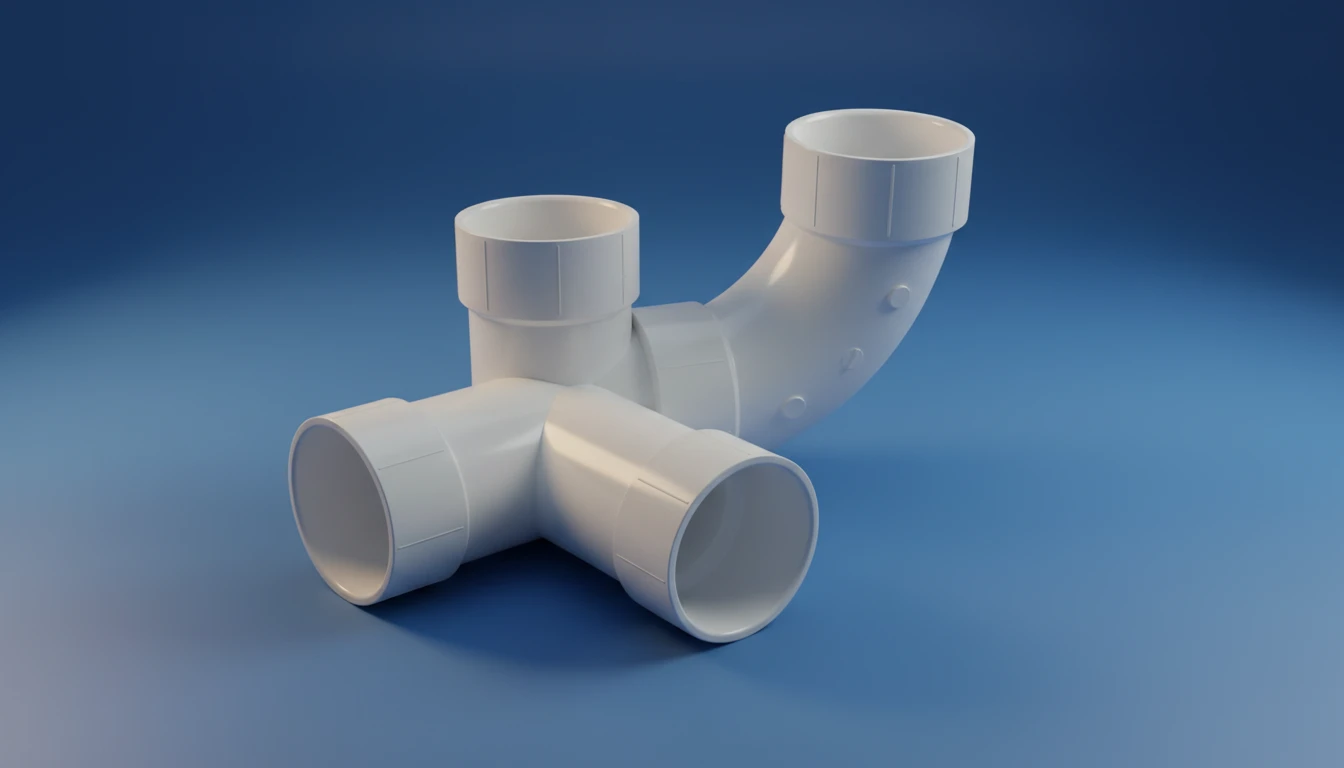
Plastic Ducts
Ductwork fabricated from various plastic materials including PVC, CPVC, polypropylene, and fiberglass reinforced plastics, offering unique properties for specialized applications.
Advantages:
- Excellent corrosion and chemical resistance
- Lightweight and easy to handle
- Lower material cost than metal alternatives
- Smooth interior reduces air resistance
- Excellent for moisture-prone environments
- Good thermal insulation properties
- Can be fabricated in various colors
- Resistant to biological growth
Disadvantages:
- Limited temperature resistance
- Lower fire resistance than metal ducts
- Can degrade under UV exposure
- May release toxic fumes when burned
- Limited structural strength for large spans
- May require special joining techniques
- Expansion/contraction with temperature changes
- Not suitable for high-velocity systems
Best Applications: Chemical processing plants, laboratories, wastewater treatment facilities, food processing, swimming pools, and applications where corrosion resistance is essential.
Types of Plastic Ducts
PVC (Polyvinyl Chloride)
Most common type of plastic duct, offering good chemical resistance and cost-effectiveness. Suitable for temperatures up to 140°F (60°C).
CPVC (Chlorinated Polyvinyl Chloride)
Enhanced version of PVC with higher temperature resistance (up to 200°F/93°C) and improved chemical resistance.
Polypropylene
Excellent chemical resistance, especially to acids and solvents. Lightweight with good fatigue resistance.
FRP (Fiberglass Reinforced Plastic)
Combines plastic resin with fiberglass reinforcement for increased strength and durability while maintaining corrosion resistance.
Installation Considerations
Joining Methods:
- Solvent welding (PVC, CPVC)
- Heat welding (polypropylene)
- Mechanical flanges with gaskets
- Specialized adhesives
Support Requirements:
- More frequent hangers than metal ducts
- Wider support distribution due to flexibility
- Consideration for thermal expansion
- Protection against UV exposure in outdoor applications
Plastic vs. Metal Ducts
| Factor | Plastic Ducts | Longueur et diamètre limités : |
|---|---|---|
| Corrosion Resistance | Excellent | Fair to Poor |
| Weight | Lightweight | Heavy |
| Fire Resistance | Poor to Fair | Excellent |
| Temperature Resistance | Limited | Excellent |
| Cost | Lower | Higher |
Frequently Asked Questions
HVAC ducts and connectors are critical components of any heating, ventilation, and air conditioning system. We've compiled answers to the most frequently asked questions about duct materials, installation, maintenance, and performance. These responses address common concerns and provide practical guidance for both professionals and building owners. Understanding these key aspects of duct systems helps ensure optimal performance, energy efficiency, and indoor air quality.
Topics: Materials • Installation • Maintenance • Performance • Troubleshooting
Our Recommendations:
Cleaning Frequency Guidelines:
The frequency of duct cleaning depends on several factors including location, usage, and specific environmental conditions:
- Residential homes: Every 3-5 years under normal conditions
- Homes with pets: Every 2-3 years
- Homes with smokers: Every 1-2 years
- After renovations: Immediately after construction is complete
- Commercial buildings: Every 1-2 years, depending on usage
- Healthcare facilities: Annually or more frequently based on requirements
Additional Considerations:
More frequent cleaning may be necessary if you notice excessive dust, musty odors, visible mold, or if occupants experience unexplained allergy symptoms. Regular filter changes and proper maintenance can extend the time between professional cleanings.
Material Efficiency Comparison:
| Material Type | Energy Efficiency | Best Applications |
|---|---|---|
| Sheet Metal (Properly Insulated) | Highest efficiency when properly sealed and insulated. Smooth interior minimizes air resistance. | Main supply and return trunks in all applications |
| Duct Board | Good efficiency with built-in insulation. Slightly higher air resistance than metal. | Residential applications, custom configurations |
| Flexible Ducts | Lower efficiency due to higher air resistance from corrugated interior and potential for kinks. | Short final connections only (less than 15 feet) |
Key Efficiency Factors:
Regardless of material, proper installation, sealing, and insulation have a greater impact on efficiency than the material itself. Even the best material will perform poorly if not installed correctly.
Our Professional Recommendation:
Why Not Use Flexible Ducts Exclusively:
- Higher air resistance: The corrugated interior creates more friction, reducing airflow and system efficiency.
- Durability concerns: More susceptible to damage, kinking, and compression over time.
- Limited length and diameter: Nécessite R-6 pour les conduits dans les espaces non conditionnés et R-4.2 pour les conduits dans les espaces conditionnés.
- Fire safety: Some building codes restrict use in certain applications.
Best Practice Approach:
The optimal solution is a hybrid system using:
- Rigid ducts (sheet metal or duct board) for main supply and return trunks
- Flexible ducts limited to final connections to supply registers (typically less than 5-15 feet)
- Flexible ducts for short runs in difficult-to-access areas
- Flexible ducts for vibration isolation at equipment connections
Identifying Duct Leaks:
Common Signs of Duct Leaks:
- Uneven heating or cooling: Rooms consistently warmer or cooler than others
- High energy bills: Unexplained increases in energy costs
- Excessive dust: Particularly in areas near supply registers
- Visual inspection: Disconnected sections, gaps at joints, or separated tape
- Whistling sounds: Unusual noises when system is running
Professional Testing Methods:
- Duct blaster test: Specialized fan pressurizes the duct system to measure total leakage
- Smoke testing: Introduces smoke to visually identify leak locations
- Thermal imaging: Detects temperature differences indicating air leaks
Impact of Leaks:
Even small leaks can add up to significant energy loss over time. The Department of Energy estimates that typical duct systems lose 25-40% of heating and cooling energy through leaks and poor insulation.
Insulation R-Value Guidelines:
| Duct Location | Climate Zone | Recommended R-Value |
|---|---|---|
| Unconditioned Spaces | Hot climates | R-6 to R-8 |
| Mixed climates | R-4.2 to R-6 | |
| Cold climates | R-6 to R-8 | |
| Conditioned Spaces | All climates | R-1.9 to R-4.2 |
Building Code Requirements:
- International Energy Conservation Code (IECC): Requires R-6 for ducts in unconditioned spaces in most climate zones
- California Title 24: Requires R-6 for ducts in unconditioned spaces and R-4.2 for ducts in conditioned spaces
Conduits et connecteurs CVC - Composants personnalisés | HVACore
Higher R-values provide better insulation but at increased cost. For maximum efficiency, consider exceeding minimum code requirements, especially in extreme climates or where energy costs are high.
Understanding Mold in Duct Systems:
Conditions for Mold Growth:
Mold requires three elements to grow: moisture, nutrients, and appropriate temperature. In duct systems, these conditions can occur when:
- Condensation forms from temperature differentials
- Water leaks from roof or plumbing affect ductwork
- High humidity exists in unconditioned spaces
- Improperly sized ducts cause excessive condensation
- Clogged drain pans allow water to overflow
Materials Most Susceptible to Mold:
- Fiberglass duct board and insulation
- Porous interior surfaces
- Ducts with accumulated dust and debris
Prevention Strategies:
- Ensure proper insulation to prevent condensation
- Fix any water leaks promptly
- Maintain appropriate humidity levels (30-60%)
- Use high-quality air filters and change them regularly
- Have ducts professionally cleaned if contamination is suspected
- Consider UV germicidal lights in the system for mold-prone environments
When to Seek Professional Help:
If you see visible mold, notice musty odors when the system runs, or experience unexplained allergy symptoms, have your ducts inspected by a professional. Mold in ducts can circulate spores throughout your home and should be addressed promptly.