
Precision Injection Molding for HVAC Components
Processus en six étapes comprenant le serrage (force de centaines de tonnes), le chauffage et plastification, l'injection à haute vitesse, la compensation de pression de maintien, le refroidissement (60-80% du cycle), et l'éjection robotisée pour les grandes pièces.
Table of Contents
Manufacturing Excellence Podcast
Episode: Innovation in HVAC Components
What is Injection Molding for HVAC?
HVAC injection molding is a precision manufacturing process for creating plastic components in heating, ventilation, and air conditioning systems. It involves injecting molten thermoplastic into high-precision molds, achieving tolerances as tight as ±0.1mm. These components serve critical functions like sealing, directing airflow, and protecting internal parts. The process supports complex geometries and is compatible with durable, flame-retardant engineering plastics, making it essential for mass-producing reliable and intricate HVAC parts.
Key Process: Melted plastic → Injection → Cooling → Precision HVAC Component

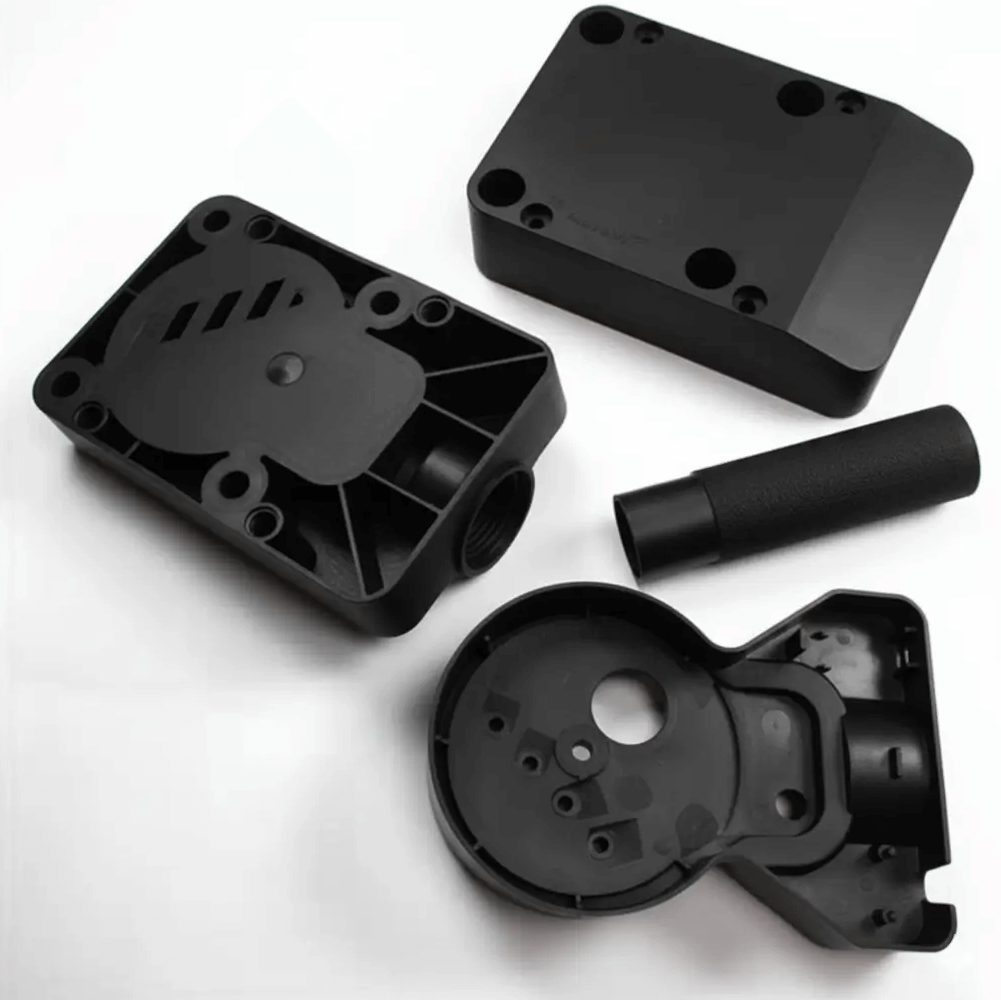
Precision & Complexity
High Precision Requirements
Tolerances are typically controlled within ±0.1mm, ensuring components meet exact specifications for airtight seals and precise fits, which are critical for system efficiency.
Why it's crucial for HVAC: Precision prevents energy loss and ensures that all parts assemble correctly, maintaining the system's overall performance and reliability.
Complex Structure Capability
The process enables the creation of multi-cavity, multi-slider, and complex core-pulled structures in a single piece, reducing assembly steps and potential failure points.
Why it's important for HVAC: Complex air channels, integrated mounting points, and functional features can be manufactured without secondary operations, saving time and cost.
Versatile Service Options
From initial prototyping using CAD/CAM to advanced techniques like insert and in-mold labeling, a full range of services is available to support the entire product lifecycle.
Why it's important for HVAC: Comprehensive services streamline development, ensuring a smooth transition from a design concept to a final, market-ready product.
Durability & Materials
Long Life Design
Molds are designed for durability, with a life expectancy exceeding 50,000 cycles, ensuring consistent quality, dimensional stability, and surface finish over long production runs.
Why it's crucial for HVAC: The HVAC industry demands high-volume production, and long-lasting molds guarantee that every part is identical, maintaining system interoperability.
Special Material Adaptability
The process is compatible with a wide range of engineering plastics and flame-retardant materials that meet stringent industry safety, durability, and performance standards.
Why it's crucial for HVAC: Components must withstand extreme temperatures, chemical exposure, and comply with fire safety regulations, which requires specialized material choices.
Functional Integration
Injection molding allows for the integration of multiple functions into a single component, such as sealing, protection, and connection, reducing the need for multiple parts.
Why it's crucial for HVAC: Integrated parts simplify assembly, improve overall system reliability, and reduce potential leaks or mechanical failures.
HVAC Manufacturing Services
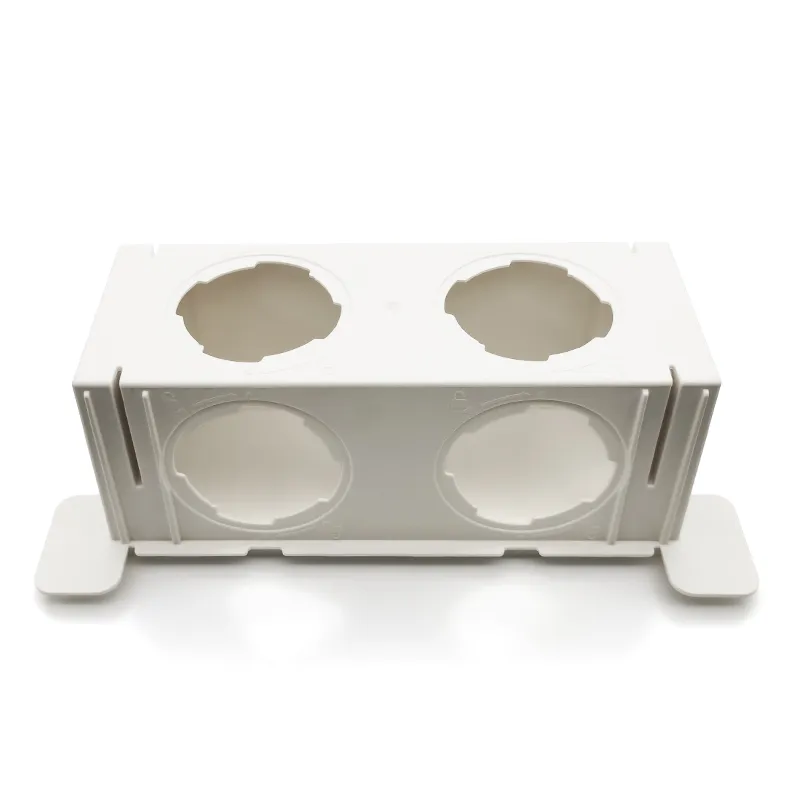
Prototyping
Highly professional prototyping services utilize highly advanced CAD/CAM technology and modern 3D printing to provide fast and accurate prototype solutions for complex HVAC components.
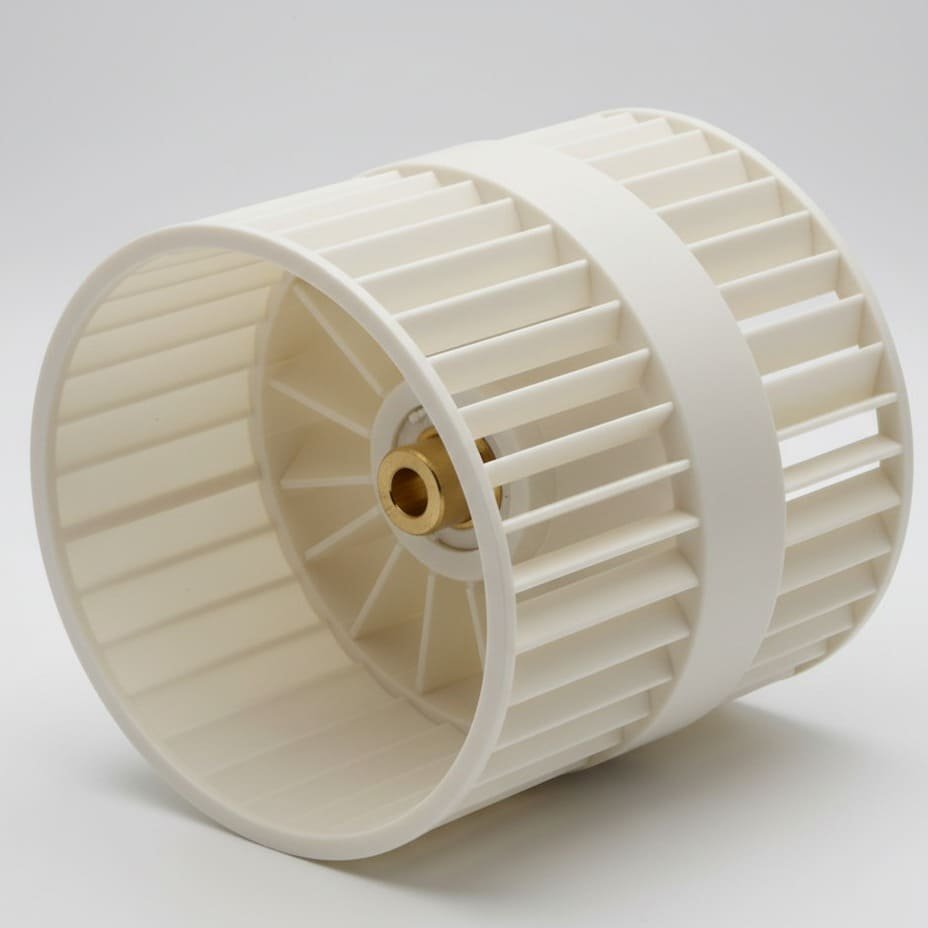
Injection Molding
HVACore's plastic injection molding services combine advanced equipment and precision craftsmanship to provide high-quality, durable, cost-effective plastic components for HVAC systems.
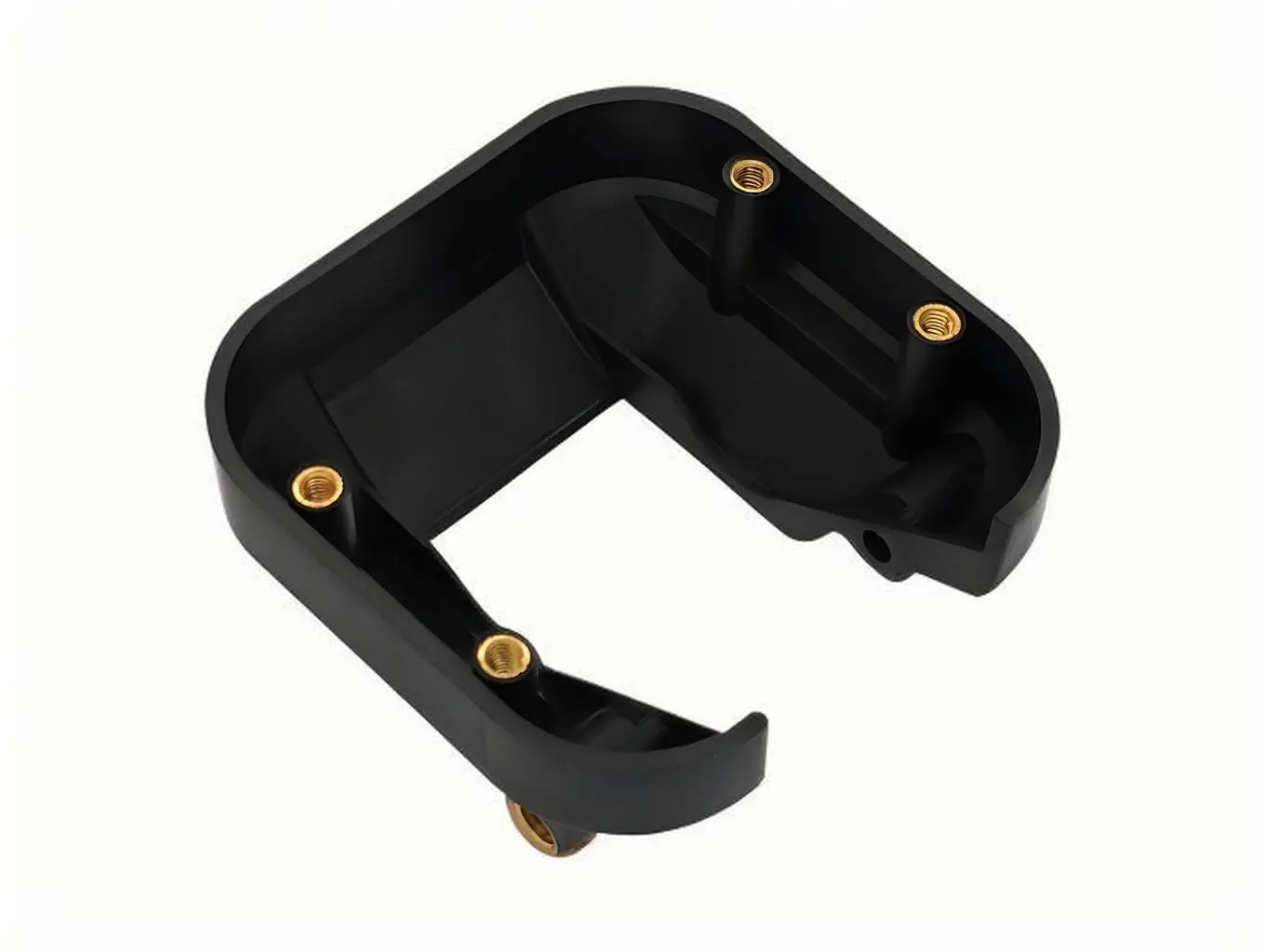
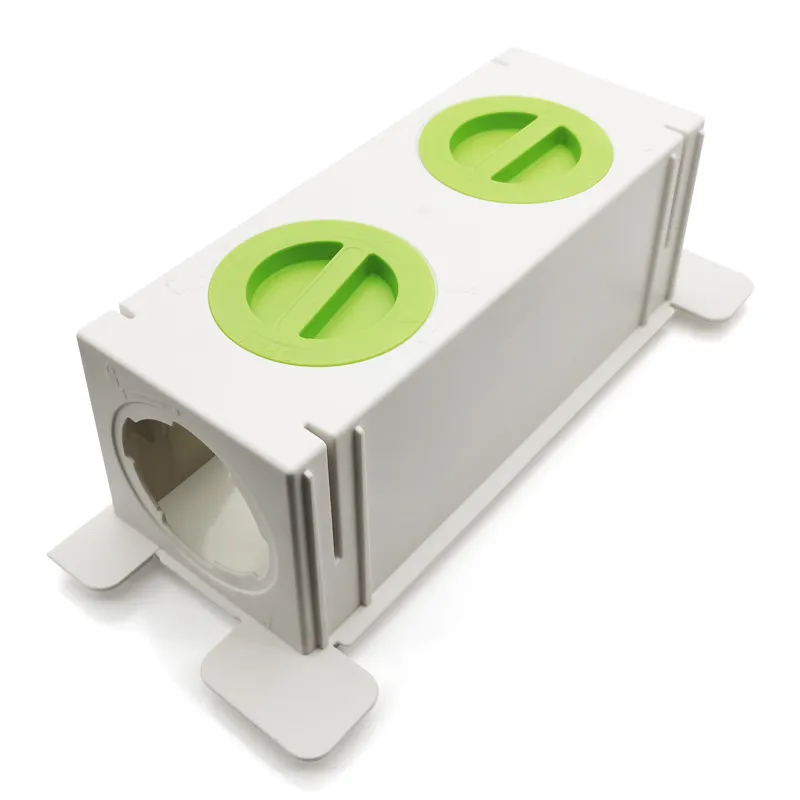
Insert Molding
Providing enhanced structural performance and multifunctional integration for HVAC components. This process is particularly suitable for HVAC parts that require enhanced strength or special functions.
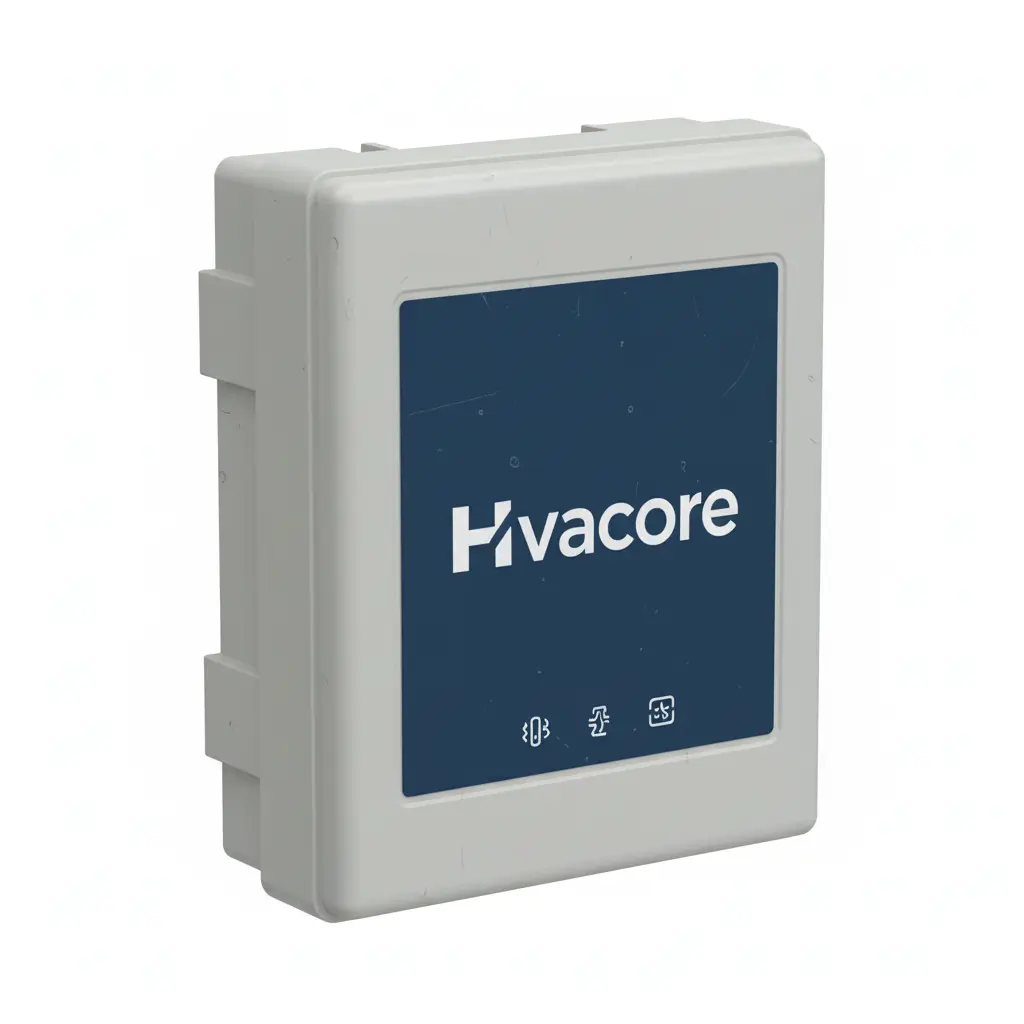
Labelling(IML)
By integrating the label directly into the product surface during the injection molding process, the problems of falling off and wearing that may occur with traditional labeling are avoided.
What are the Steps in the Injection Molding Process of HVAC?
The HVAC injection molding process involves five critical steps: product design and mold development using CAD/CAM technology and DFM analysis; material preparation and drying to ensure optimal plastic properties; injection molding with precise control of clamping, heating, injection, holding pressure, cooling, and ejection; post-processing including gate removal, machining, surface treatment, and assembly; and comprehensive inspection with protective packaging solutions. Each step requires specialized expertise and attention to detail to produce high-quality HVAC components that meet stringent industry standards.
Key Process: Design → Preparation → Molding → Finishing → Quality Control
Product Design (DFM)
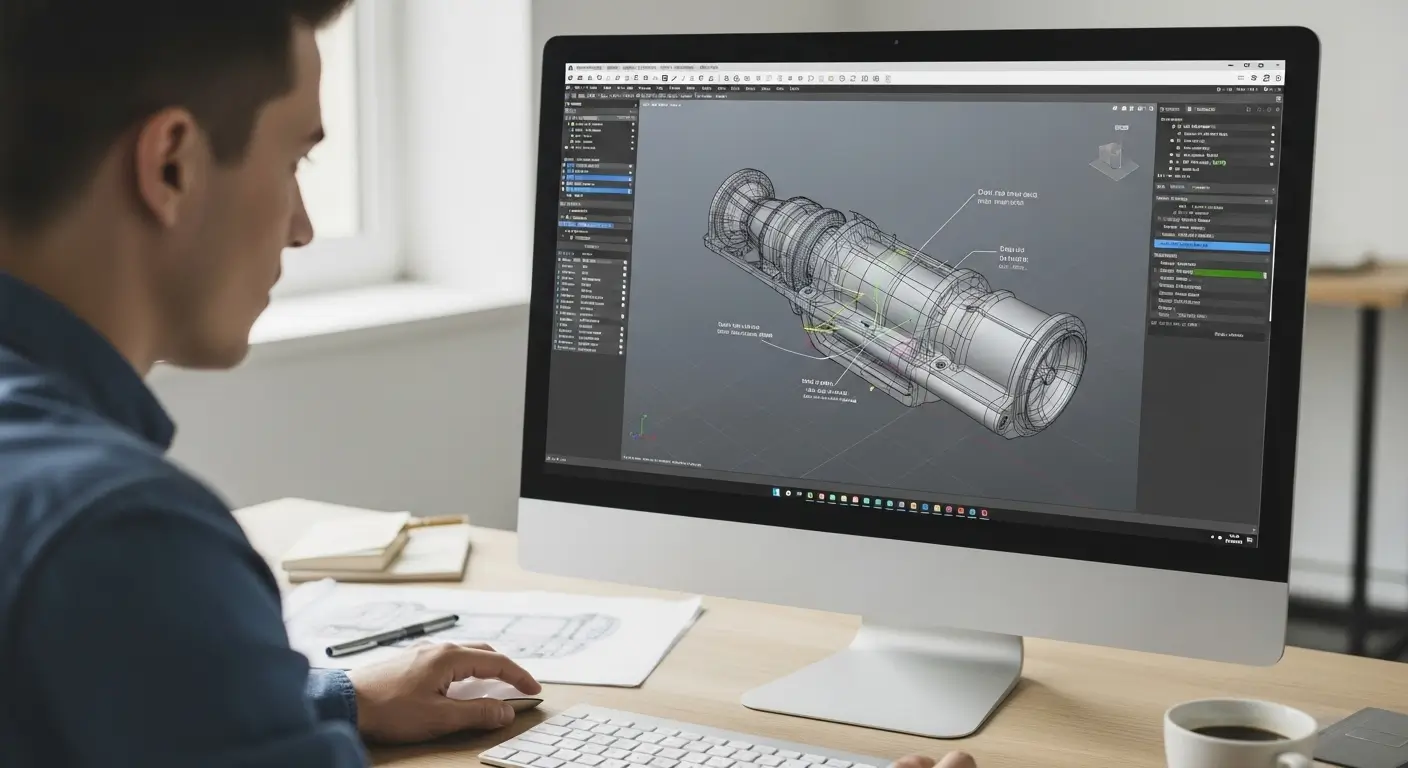
Utilize CAD software for 3D modeling with DFM analysis considering uniform wall thickness (2.5-3.5mm for HVAC housings), draft angles (1-3 degrees), and proper rib design to avoid defects.
Why it's crucial for HVAC: Proper design prevents warpage, sink marks, and ensures smooth demolding for consistent quality production.
Mold Development
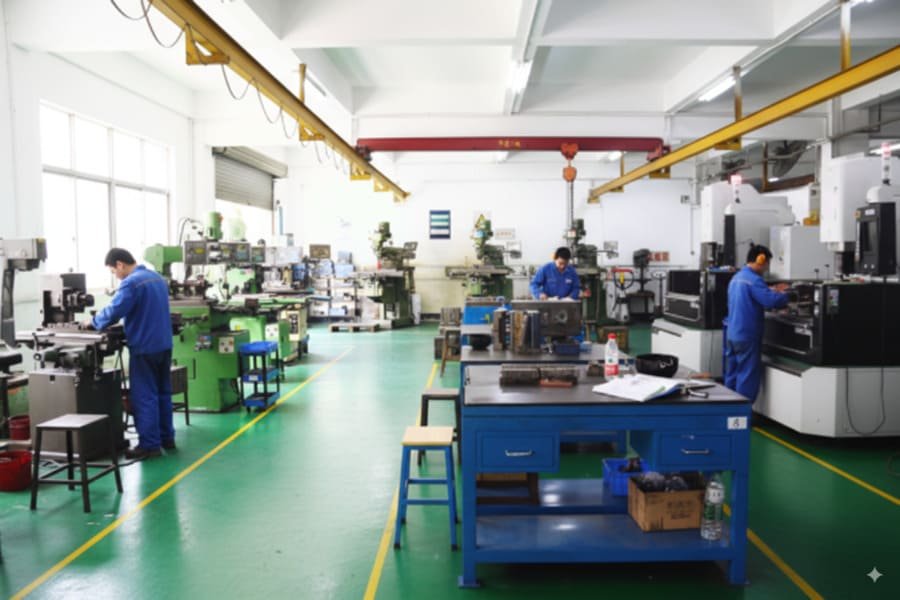
Advanced mold flow analysis (CAE) using Moldflow simulation to predict defects, optimize runner systems with hot runner technology, and design precise cooling channels for uniform temperature control.
Why it's important for HVAC: Complex HVAC components require sophisticated mold structures with proper cooling to achieve tight tolerances and short cycle times.
Material Preparation
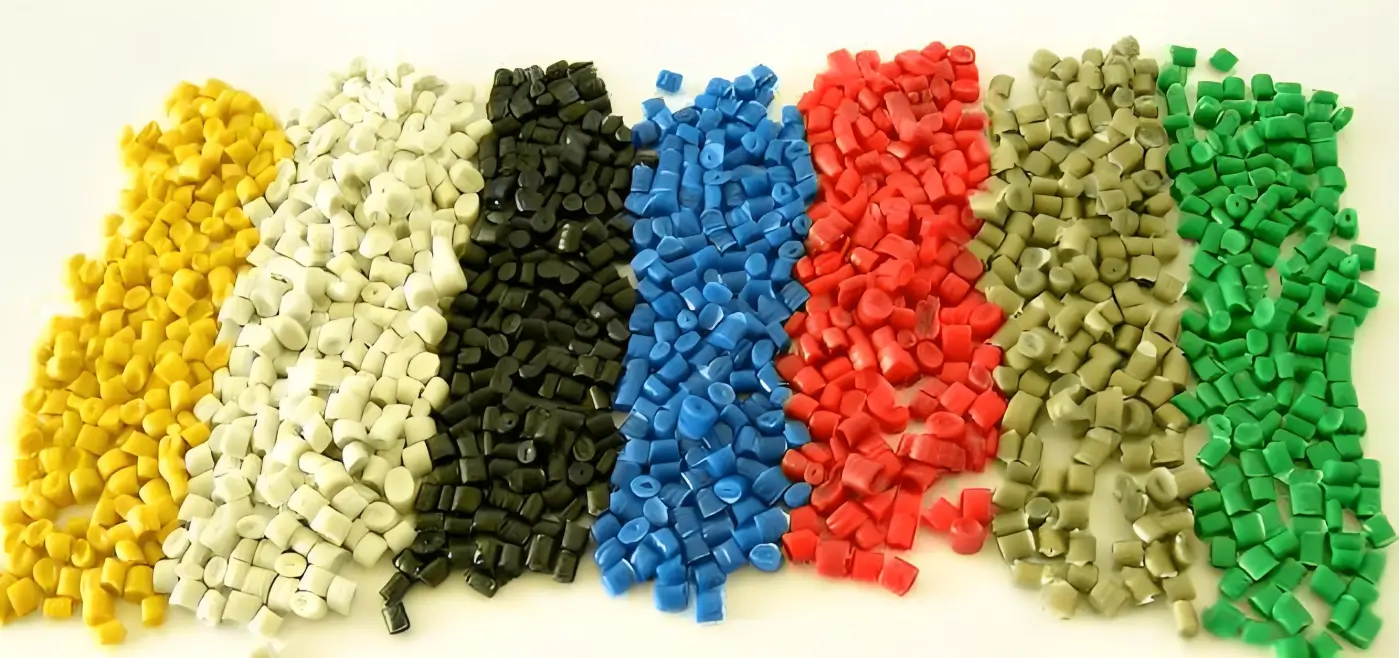
Proper material selection and drying treatment using dehumidifying dryers at 80-120°C for 2-6 hours to prevent moisture-related defects like silver streaks and bubbles in hygroscopic materials.
Why it's important for HVAC: Engineering plastics like PC, PA, PBT require proper drying to maintain material properties and prevent performance degradation.
Injection Molding Process
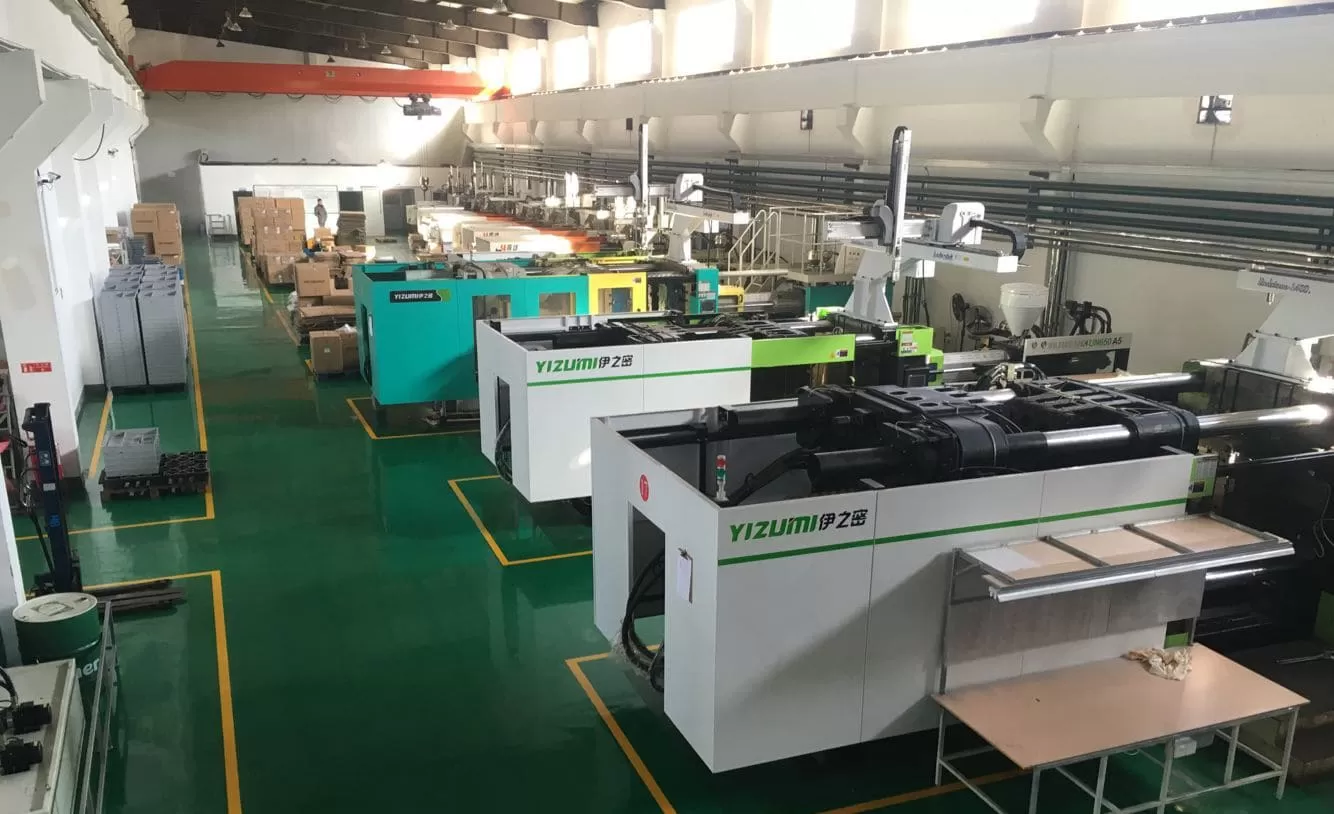
Six-stage process including clamping (hundreds of tons force), heating & plasticization, high-speed injection, holding pressure compensation, cooling (60-80% of cycle), and robotic ejection for large workpieces.
Pourquoi c'est crucial pour la CVC : Les longs délais de mise en œuvre sont inadaptés aux projets nécessitant un prototypage rapide ou une mise sur le marché accélérée. Toute modification de conception après la découpe du moule peut s'avérer extrêmement chronophage et coûteuse.
Post-Processing
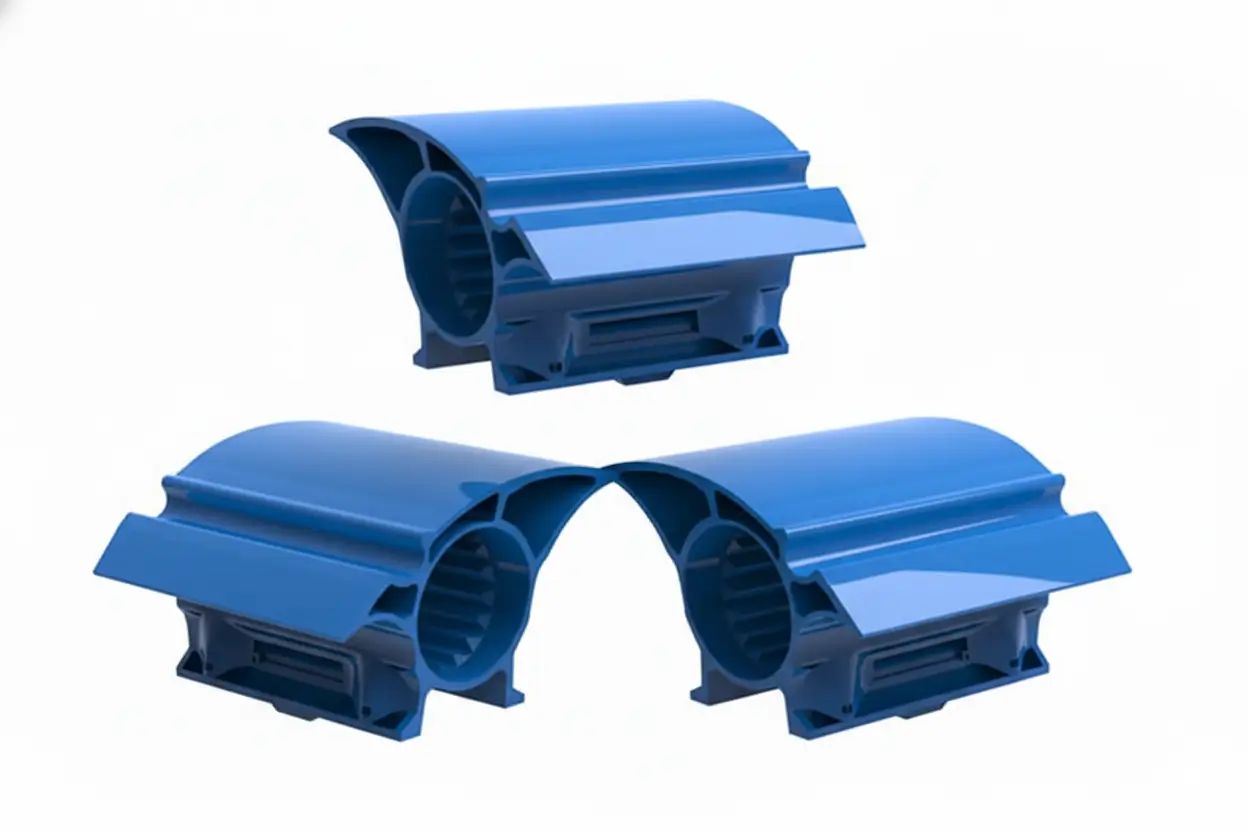
Gate removal, precision machining (drilling, tapping), surface treatments (painting, electroplating, texture), and assembly through ultrasonic welding or mechanical fastening methods.
Why it's crucial for HVAC: Post-processing adds functional features, aesthetic appeal, and enables assembly of complex multi-component HVAC systems.
Inspection & Packaging
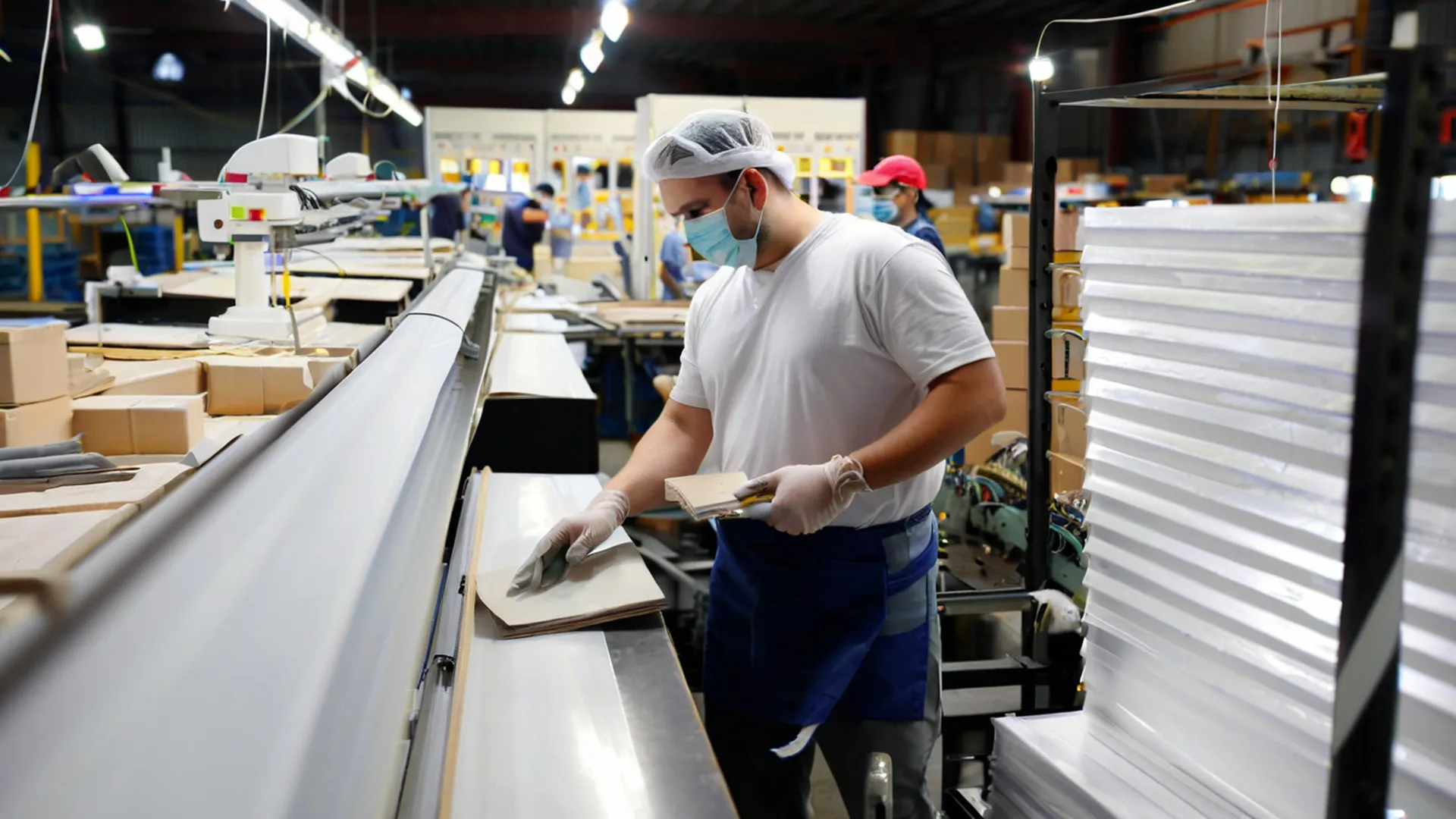
Quality control with visual inspection, CMM dimensional measurement (±0.1mm tolerance), performance testing per ISO standards, and protective packaging with anti-static materials.
Why it's crucial for HVAC: Quality assurance ensures every component meets specifications and protective packaging maintains integrity during global shipping.
What are the Commonly Used HVAC Injection Molding Materials?
HVAC injection molding utilizes diverse materials tailored to specific applications. PP offers cost-effective solutions for housings and ducts, while ABS provides excellent surface finish for visible components. PC delivers superior impact resistance for transparent parts and connectors. PC/ABS alloys combine the best properties for premium applications. PA excels in wear resistance for moving parts like gears, and PBT offers superior electrical insulation for connectors. GF-reinforced materials enhance structural strength for demanding applications. Each material selection balances performance requirements, cost considerations, and processing characteristics to optimize HVAC component functionality and durability.
Key Materials: PP • ABS • PC • PC/ABS • PA • PBT • GF Reinforced
| Material Type | Points Clés à Considérer : Principe de Traitement • Compatibilité des Matériaux • Structure des Coûts • Adéquation à l'Application | Main Applications |
|---|---|---|
| PP (Polypropylene) | Low cost, low density, good chemical resistance, easy processing | Air conditioner housings, air ducts, fan blades, internal structural components |
| ABS (Acrylonitrile-Butadiene-Styrene) | High strength, good toughness, excellent surface gloss, easy to paint | Indoor unit panels, control box housings, decorative strips |
| PC (Polycarbonate) | Excellent impact resistance, heat resistance, high transparency | Transparent windows, high-strength connectors, electrical component housings |
| PC/ABS Alloy | Combines PC's heat resistance with ABS's toughness, excellent comprehensive performance | High-end air conditioner indoor unit housings, automotive air conditioning components |
| PA (Nylon, PA6/PA66) | Good wear resistance, high mechanical strength, self-lubricating | Gears, bearings, slide rails, high-strength fasteners |
| PBT (Polybutylene Terephthalate) | Excellent electrical insulation, heat resistance, chemical resistance | Terminal connectors, coil bobbins, relay bases |
| GF Reinforced Materials (e.g. PP+GF, PA+GF) | Significantly improves stiffness, strength and heat resistance, reduces shrinkage | Housings and brackets requiring high structural strength |
What are the Advantages and Disadvantages of Using Plastic Injection Molding in HVAC Systems?
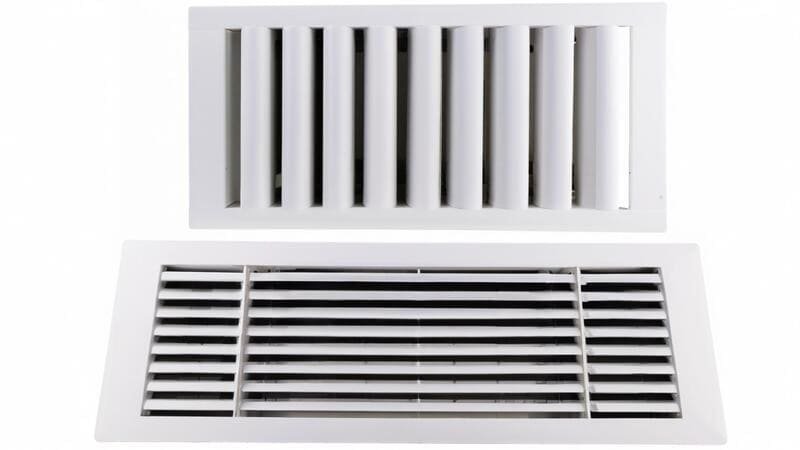
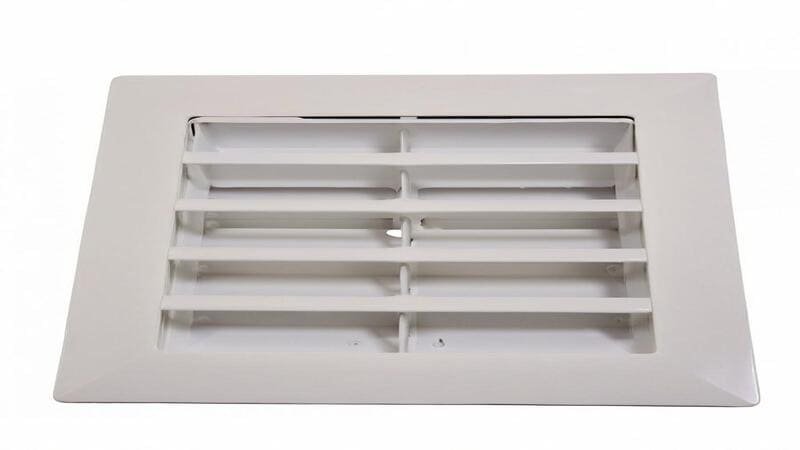
Plastic injection molding in HVAC systems offers significant advantages including high efficiency for mass production, complex geometries, material versatility, and lightweight durability. However, it presents notable challenges such as high initial mold costs ($50,000-$200,000+), long lead times (4-12 weeks), difficult design modifications, and uneconomical small production runs. While the process enables creation of intricate components like air conditioner panels with integrated features, the high upfront investment and limited flexibility make it best suited for large-scale manufacturing where costs can be amortized across hundreds of thousands of units.
Key Balance: Mass Production Efficiency vs. High Initial Investment
Advantages
High Efficiency and Mass Production Capability
Once the mold is completed and the machine is set up, production cycles are extremely fast. Cycle times for small parts are just a few seconds, while large complex HVAC housings take less than a minute. The process is highly automated, often using robotics for part removal and secondary operations, enabling 24/7 production with minimal human intervention.
Why it's crucial for HVAC: The HVAC industry requires millions of components annually, from vent grilles to fan blades. Injection molding is the only method capable of producing such large volumes at low per-unit costs, making the final products economically viable for mass markets.
Complex Geometries and Design Freedom
Injection molding can create highly complex, precision parts in a single step. Features like snap-fits, living hinges, thin walls, and fine textures can be molded directly into the part without secondary assembly.
Why it's important for HVAC: Imagine a modern air conditioner's indoor unit panel. It integrates mounting points, LED light guides, ventilation louvers, and decorative curves all seamlessly in one part.
Excellent Material Versatility and Performance
A wide range of thermoplastic and thermosetting polymers can be used, each with unique properties. Additionally, additives like glass fibers, flame retardants, UV stabilizers, and colorants can be blended to create composite materials perfectly suited for specific applications.
Why it's important for HVAC: Different components have different requirements - outdoor units need UV-resistant, weatherable PP; transparent display windows require impact-resistant, clear PC; electrical connectors need PBT's excellent dielectric properties.
High Strength, Durability, and Lightweight
Plastics can be engineered to be incredibly strong and durable while remaining much lighter than metal alternatives. Design features like ribs and gussets can easily be incorporated to enhance structural integrity without adding significant weight.
Low Labor Costs and High Consistency
The highly automated nature of injection molding means minimal human labor once running smoothly.Every part produced is virtually identical to the last, with extremely tight tolerances.
Minimal Post-Processing and Material Waste
Injection molded parts typically come out of the mold with high-quality surface finishes requiring little to no finishing work. The main waste is the gate and runner system, which hot runner technology can nearly eliminate entirely.
Polycarbonate (PC)
High Initial Mold Costs
Designing and manufacturing injection molds requires substantial upfront investment. Complex multi-cavity molds for large HVAC system housings can cost anywhere from $50,000 to $200,000+, depending on the mold's size, complexity, and steel used.
Why it's crucial for HVAC: This high cost makes injection molding economically unfeasible for small production runs, prototyping, or one-off custom parts. The business case is built on amortizing mold costs across hundreds of thousands or millions of units.
Long Lead Times for Design and Tooling
The process from finalized product design to production-ready mold is lengthy. It includes product design, mold flow analysis, mold design, precision machining (CNC, EDM), and multiple rounds of testing and adjustments (trial molding). This entire process can take 4 to 12 weeks, or even longer for highly complex molds.
Why it's crucial for HVAC: The long lead times are unsuitable for projects requiring rapid prototyping or quick time-to-market. Any design changes after mold cutting can be extremely time-consuming and expensive.
Finitions de surface à fort brillant et couleurs personnalisées pour la maison.
The mold is a physical embodiment of the product design. If defects are discovered after production begins, modifying the mold is a complex and expensive process. In some cases, major changes may require scrapping the existing mold and manufacturing a new one.
Importance for HVAC: This places enormous pressure on the initial design and validation phases. Thorough DFM (Design for Manufacturing) analysis and prototyping (often through 3D printing or CNC) are crucial for "freezing" the design before committing to expensive tooling.
Uneconomical for Small Volume Production
Due to high mold costs, the cost per individual part is very high for small production runs. The total cost calculation follows: (Tooling Cost / Number of Units) + (Per-Unit Production Cost). For 100 parts, the mold cost alone can make each part prohibitively expensive.
Why it's crucial for HVAC: This limits the process's applicability for niche products, spare parts for older models, or limited edition products. Alternative methods like 3D printing, vacuum forming, or CNC machining are more suitable for such cases.
Part Size Limitations
The size of parts that can be molded is directly limited by the injection molding machine's size, particularly its clamping force (the force required to keep the mold closed against injection pressure) and injection capacity (the maximum volume of plastic that can be injected).
Importance for HVAC: While most HVAC components fall within standard machine capabilities, oversized parts may require specialized and expensive "million-ton" machines. In some cases, very large plastic housings or components may be better suited for other processes like rotational molding or fabrication.
Why Choose Injection Molding?
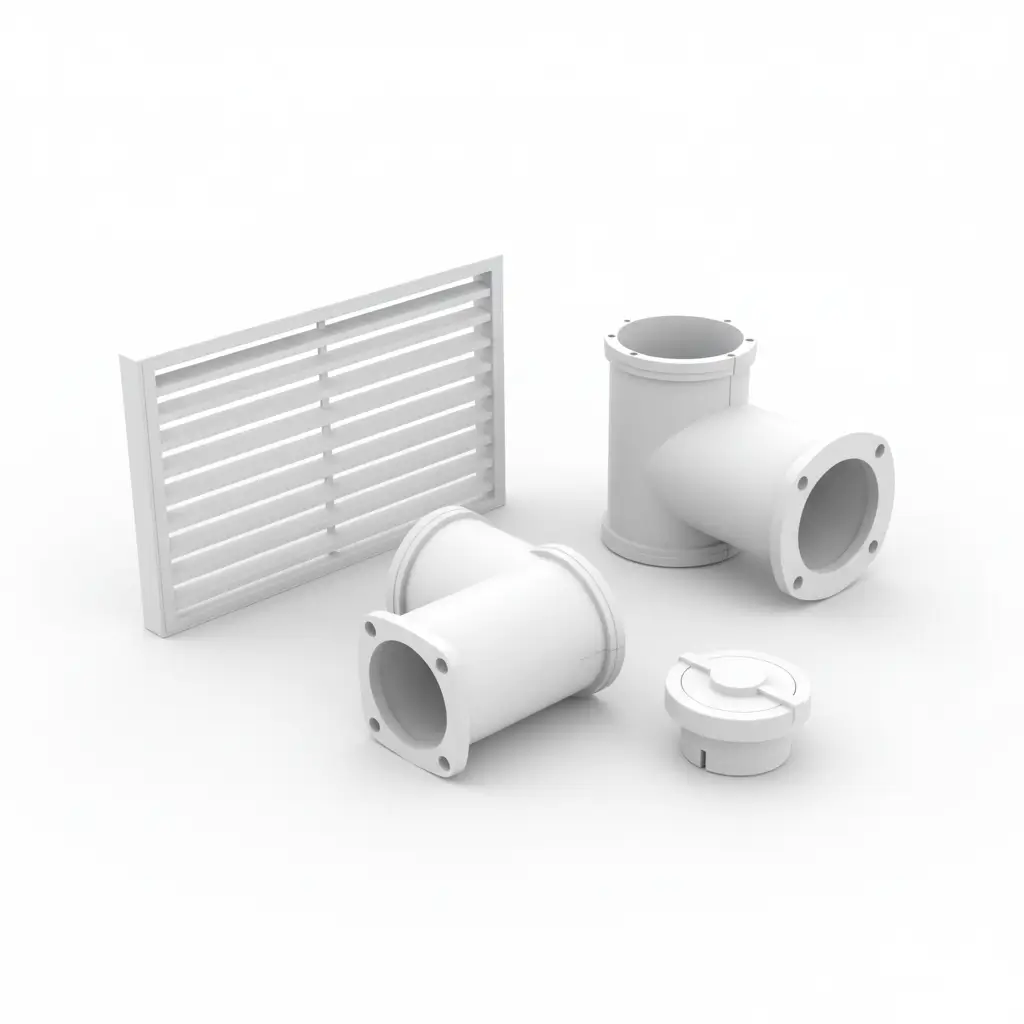
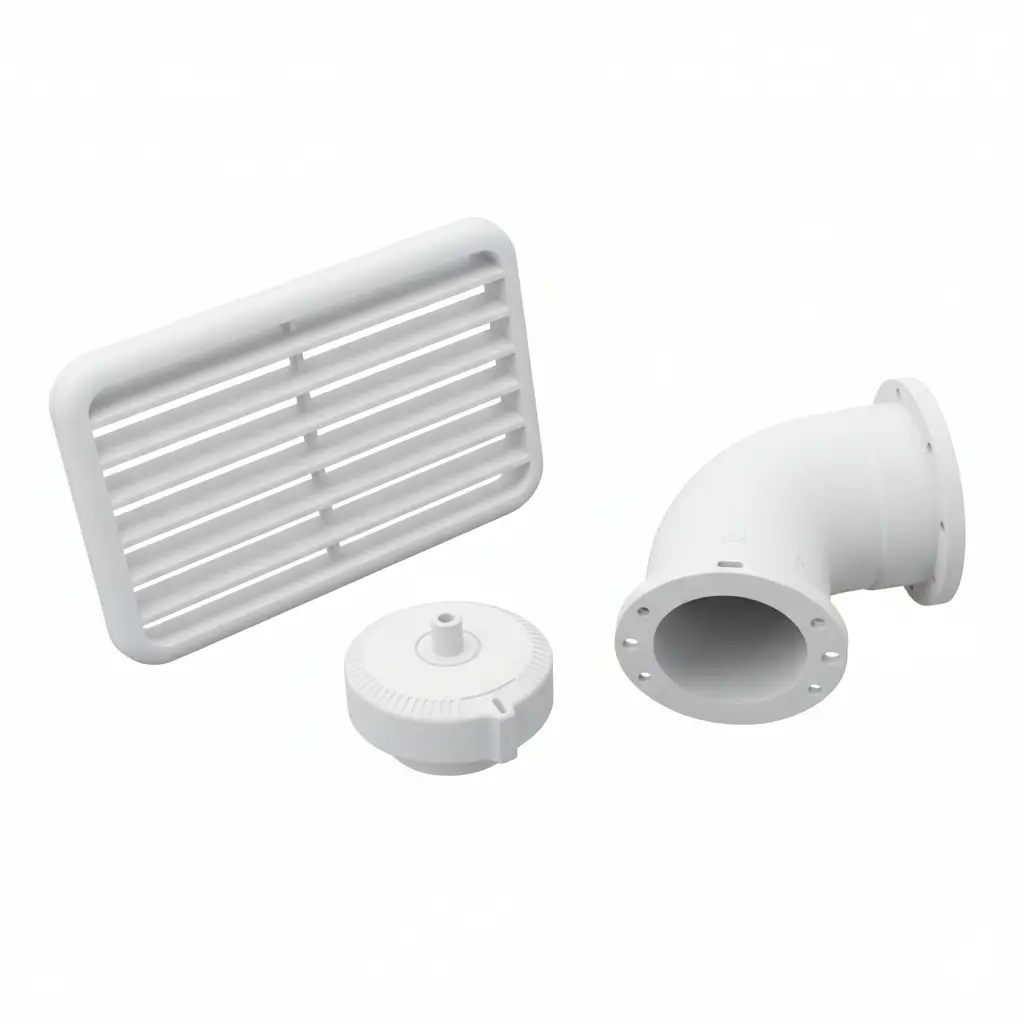
Injection molding offers HVAC manufacturers exceptional advantages including cost-effective volume production, ±0.1mm precision control, and material diversity with 400+ plastic options. The process enables complex geometries and integrated features impossible with metal fabrication, while providing high-speed automated production cycles. Additional benefits include lightweight solutions reducing transportation costs and superior aesthetics for modern home integration. Despite high initial mold investment and design constraints, injection molding remains the optimal choice for HVAC components requiring mass production, consistent quality, and design flexibility.
Key Benefits: Cost Efficiency • Precision • Material Diversity • Design Freedom • Automation
Cost-Effective Production
High initial mold investment delivers significant returns in large-scale production.
- • Lower per-unit costs in high-volume production
- • Amortized mold investment costs
- • Optimized for mass production
Precision & Consistency
Steel molds ensure exceptional dimensional accuracy and repeatability, crucial for HVAC system integration.
- • ±0.1mm tolerance control
- • Perfect sealing performance
- • Automated assembly compatibility
Material Diversity
400+ plastic materials available, customizable for specific HVAC applications and environmental conditions.
- • Weather-resistant outdoor components
- • Flame-retardant indoor parts
- • Reinforced structural elements
Design Freedom & Integration
Complex geometries impossible with metal fabrication. Integrate functions into components, simplifying assembly.
Integrated Features
- • Built-in mounting clips
- • Integrated reinforcing ribs
- • In-mold threaded inserts
Performance Optimization
- • Aerodynamic fan blade profiles
- • Complex ductwork geometries
- • Noise-reducing textures
Efficiency & Automation
High-speed production cycles and 24/7 automated manufacturing ensure consistent quality and rapid delivery.
Production Speed
- • Seconds to minutes per cycle
- • Continuous capability
- • Minimal manual intervention
Quality Assurance
- • Automated quality control
- • Consistent part performance
- • Reduced human error
Additional Advantages
Lightweight Solutions
Reduce transportation costs and installation difficulty for HVAC
Superior Aesthetics
High-gloss surface finishes and custom colors for home.
Numéro Pantone ou échantillon physique
- • High initial mold investment (suitable for high volume)
- • Design constraints require professional engineering
- • Lead time for mold development and testing
What You Need to Know About HVAC Injection Molding?
HVAC injection molding requires careful consideration of design factors like geometry complexity, surface finish, and ±0.1mm tolerance requirements, alongside production needs including expected volume and material selection. To obtain accurate quotes, provide detailed 3D CAD files, material specifications, and production requirements. Mold costs are influenced by part size, cavity count, tolerance requirements, and surface finish. Optimizing design by simplifying geometry, applying tight tolerances only to critical dimensions, and balancing cavity count with annual volume can significantly improve cost-effectiveness while maintaining quality standards for HVAC components.
Key Considerations: Design Optimization • Production Requirements • Accurate Quoting • Cost Factors
Key Considerations for HVAC Injection Molds
Design Factors
- ✓ Part geometry complexity and undercuts
- ✓ Required surface finish and texture
- ✓ Tolerance requirements (±0.1mm or tighter)
- ✓ Gate location and type optimization
- ✓ Cooling channel design for cycle time
Improving Design Cost-Effectiveness
- • Simplify part geometry where possible
- • Use uniform wall thickness to reduce warpage
- • Minimize undercuts or design them as sliders
- • Apply tight tolerances only to critical dimensions
Production Requirements
- ✓ Expected production volume and lifecycle
- ✓ Number of cavities for efficiency
- ✓ Material selection and compatibility
- ✓ Maintenance requirements and accessibility
- ✓ Expected cycle time and throughput
Improving Production Cost-Effectiveness
- • Balance cavity count with annual volume requirements
- • Select appropriate mold steel for expected lifecycle
- • Optimize cooling system for faster cycle times
- • Implement preventive maintenance schedule
How to Get an Accurate Injection Mold Quote
| Information Required | Why It's Important | How to Provide |
|---|---|---|
| 3D CAD Files | Essential for analyzing part geometry and complexity | STEP, IGES, or Parasolid format |
| Material Specification | Determines mold steel requirements and processing parameters | Material grade, trade name, or required properties |
| Expected Volume | Influences mold construction quality and cavity count | Annual volume and total project lifecycle |
| Tolerance Requirements | Affects mold precision and manufacturing methods | Critical dimensions with ± tolerances |
| Surface Finish | Impacts mold polishing and texturing requirements | SPI finish standard or sample reference |
| Color Requirements | Determines if mold modifications are needed for color | Pantone number or physical sample |
Entretien et Inspection des Moules
Multiple factors influence the final cost of your HVAC injection mold. Understanding these can help you optimize your design for cost-efficiency:
| Cost Factor | Impact Level | Cost Optimization Tips |
|---|---|---|
| Part Size and Complexity | High | Simplify geometry where possible, reduce undercuts |
| Number of Cavities | High | Balance cavities with expected production volume |
| Tolerance Requirements | Medium-High | Apply tight tolerances only to critical dimensions |
| Surface Finish Requirements | Medium | Specify high finish only on visible surfaces |
| Mold Steel Selection | Medium | Match steel grade to production volume requirements |
| Hot Runner System | Medium-High | Evaluate ROI based on production volume and part cost |
| Mold Life Expectancy | Medium | Align mold construction with actual production needs |
How Long is the Service Life of Injection Molds?
Injection mold service life varies significantly based on production volume: high-volume production (100,000-500,000 pieces/year) typically lasts 1-3 years, medium-volume (50,000-100,000 pieces/year) extends to 3-5 years, while low-volume production (10,000-50,000 pieces/year) can last 5-10+ years. Proper maintenance including regular cleaning, controlled storage, appropriate release agents, and timely repairs can significantly extend mold lifespan. Selecting the right mold construction and materials for your specific production requirements ensures optimal longevity and return on investment for HVAC component manufacturing.
Key Factors: Production Volume • Maintenance Schedule • Proper Storage • Timely Repairs
On average, a well-maintained injection mold is expected to have a service life of:
Ideal for mass-produced HVAC components with high demand
Suitable for standard HVAC components with steady production
Perfect for specialized or custom HVAC components
Factors Extending Mold Life
- ✓ Regular maintenance and cleaning schedule
- ✓ Proper storage in controlled environment
- ✓ Use of appropriate mold release agents
- ✓ Avoiding processing outside design parameters
- ✓ Timely repair of minor wear and damage
- ✓ Professional refurbishment when needed
What are Common HVAC Component Challenges?
HVAC component manufacturing faces numerous quality control challenges that can impact product performance and reliability. From raw material inspection to final product testing, each stage requires meticulous attention to detail. Common issues such as warping, sink marks, bubbles, and color variations can compromise component integrity and system efficiency. Implementing comprehensive quality control measures including IQC, process monitoring, FAI, and functional testing helps identify and address these challenges early in production. By understanding the root causes of defects and applying targeted solutions, manufacturers can significantly improve product quality, reduce waste, and enhance customer satisfaction in the competitive HVAC market.
Key Process: Material Inspection → Production Monitoring → Defect Prevention → Quality Verification
Quality Control Points
IQC (Incoming Quality Control)
Strict control of raw material quality through inspection procedures including moisture content, melt flow index, and color consistency checks.
Process Parameter Monitoring
Real-time monitoring of injection machine temperature, pressure, speed, and time to maintain production stability and consistent part quality.
FAI (First Article Inspection)
Comprehensive inspection of first products in each batch or after mold changeover, including dimensional verification and visual inspection.
In-Process & Final Inspection
Regular sampling inspections and 100% finished product inspection to ensure consistent quality throughout production.
Mold Maintenance & Inspection
Composants plastiques pour HVAC de précision.
Dimensional Accuracy Control
Precision measurement of critical dimensions using CMM and other inspection tools to ensure parts meet specified tolerances.
Surface Quality Inspection
Visual and tactile inspection of surface finish, color consistency, and absence of defects such as scratches, flow marks, or discoloration.
Functional Testing
Performance testing of critical functional aspects such as assembly fit, mechanical strength, and operational requirements specific to HVAC components.
Common Challenges & Solutions
Warping Deformation
Most common issue in large, thin-wall HVAC housings.
Sink Marks
Appear on back surfaces of ribs and screw posts.
Bubbles/Voids
Internal voids in thick-wall sections of products.
Weld Lines
Linear marks where two melt streams converge.
Flash Formation
Excess material on part edges and parting lines.
Color Variation
Inconsistent color between production batches.
Frequently Asked Questions
Injection molding FAQ addresses key customer concerns including design feasibility, quoting requirements, and production timelines. We provide technical assessments, design optimization, and flexible MOQ options (typically 500-1000 pieces, negotiable for trials). The complete process from design to delivery takes 25-50 days, with dimensional tolerances controlled within ±0.1mm. We offer comprehensive material selection guidance between plastics, aluminum, and steel based on application needs, along with various surface treatments including painting, electroplating, and texturing. Our solutions ensure cost-effective, high-quality HVAC components tailored to specific requirements.
Key Services: Design Assessment • Flexible MOQ • Precise Tolerances • Material Selection • Surface Treatments
Can you Manufacture this Shape/Design?
Customer concern: Design feasibility, worried about complex or non-standard designs being unfeasible.
+
Can you Manufacture this Shape/Design?
Customer concern: Design feasibility, worried about complex or non-standard designs being unfeasible.
Our Solutions:
Technical Assessment:
Our technical team provides free evaluation of your drawings to analyze injection feasibility.
Case Studies:
We have extensive experience in production and can showcase similar cases for your reference.
Design Optimization:
When necessary, our engineers proactively suggest design optimizations to improve yield rates and reduce costs without compromising core functionality. We use UG and other software for precision die design.
What Information do I Need to Provide for An Accurate Quote?
Customer concern: Efficiency and accuracy, hoping to avoid repetitive communication.
+
What Information do I Need to Provide for An Accurate Quote?
Customer concern: Efficiency and accuracy, hoping to avoid repetitive communication.
Our Solutions:
To provide you with the fastest and most accurate quote, please provide the following information:
Drawing Files:
3D drawings (STEP/IGES format) and 2D drawings (with dimensional tolerances).Material Requirements:
Such as ABS, PC, PP, or other specific plastic materials.Order Quantity:
Unit prices vary based on different quantities.Surface Treatment:
Such as painting, electroplating, texturing, or polishing.Special Requirements:
Such as mechanical properties, thermal conductivity, dimensional tolerance grades, etc.
What is the Minimum Order Quantity (MOQ)?
Customer concern: Cost and inventory pressure, especially for small batch trial production.
+
What is the Minimum Order Quantity (MOQ)?
Customer concern: Cost and inventory pressure, especially for small batch trial production.
Our Solutions:
Standard MOQ:
Typically 500-1000 pieces per design to ensure production economics.
Flexible Handling:
For trial orders or special projects, we can negotiate lower MOQs, which may require customers to share part of the setup costs or tooling fees. We are committed to growing together with our clients.
How Long does the Entire Process Take? What are The Delivery Times?
Customer concern: Project timeline, affecting product launch plans.
+
How Long does the Entire Process Take? What are The Delivery Times?
Customer concern: Project timeline, affecting product launch plans.
Our Solutions:
We provide a clear delivery timeline:
Mold Design & Manufacturing:
7-15 days (depending on complexity).Trial Molding & Sample Confirmation:
3-5 days.Mass Production:
10-20 days (depending on quantity and processes).Post-processing & Shipping:
5-10 days.Tolérances standard :
Typically 25-50 days to complete the entire process from drawings to finished products.
Which Material is Best? Plastic, Aluminum, or Steel?
Customer concern: Balance between performance and cost.
+
Which Material is Best? Plastic, Aluminum, or Steel?
Customer concern: Balance between performance and cost.
Our Solutions:
We recommend the most suitable materials based on your specific application scenarios:
| Material Type | Advantages | Polycarbonate (PC) | Typical Applications |
|---|---|---|---|
| Plastic (ABS/PC/PP) | Lightweight, cost-effective, easy to mold, chemical resistant | Lower heat resistance than metals | HVAC housings, air diffusers, ductwork |
| Aluminum | Lightweight, good heat conduction, easy to form | Lower strength than steel | Heat exchangers, structural frames |
| Steel/Stainless Steel | High strength, corrosion resistant, heat resistant | Higher cost, more difficult to extrude | High-temp ducts, industrial equipment |
How Precise Can Dimensional Tolerances be Achieved?
Customer concern: Assembly fit and product performance.
+
How Precise Can Dimensional Tolerances be Achieved?
Customer concern: Assembly fit and product performance.
Our Solutions:
Standard Tolerances:
Processus de fabrication d'extrusion plastique pour CVC.
High Precision Requirements:
For higher precision requirements, we achieve them through optimized tooling, controlled extrusion speed and temperature, which may incur additional costs.
What Surface Treatment Options are Available?
Customer concern: Appearance, corrosion resistance, and wear resistance.
+
What Surface Treatment Options are Available?
Customer concern: Appearance, corrosion resistance, and wear resistance.
Our Solutions:
We provide comprehensive surface treatment services:
Painting & Coating:
Various painting options including primer, topcoat, and specialty coatings for enhanced durability and aesthetics.
Electroplating:
Metal plating for improved corrosion resistance and enhanced appearance.
Texturing & Finishing:
Various surface textures including smooth, matte, textured, or custom finishes to meet specific requirements.
Ready to Start Your Extrusion Project?
Partner with HVACore for precision plastic extrusion molding solutions. Our engineering team is ready to optimize your HVAC component designs for manufacturability and performance.