
Des évents et perforations placés stratégiquement assurent une ventilation adéquate tout en maintenant une protection contre les débris et les grosses particules. Mounting Brackets
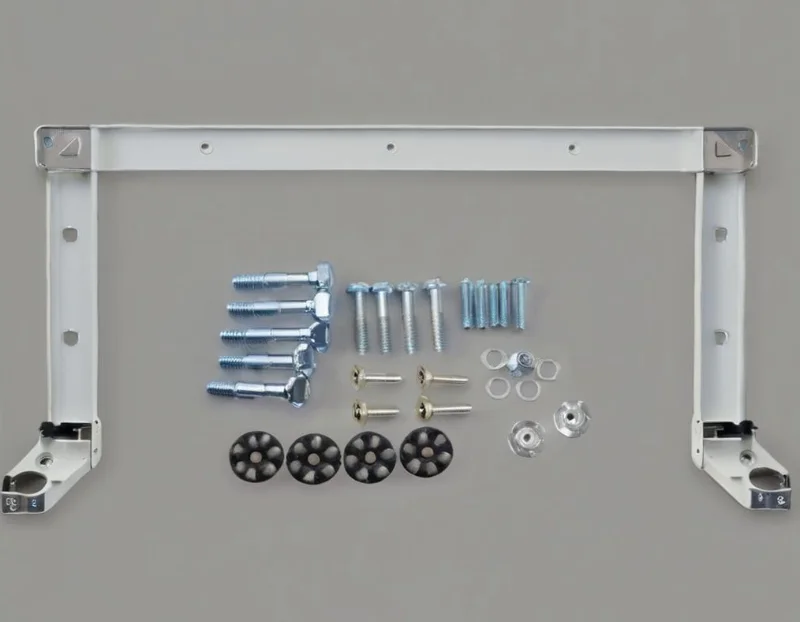
La conception, la taille et le positionnement des trous pour les fixations, y compris les rainures pour l'ajustement.
Table of Contents
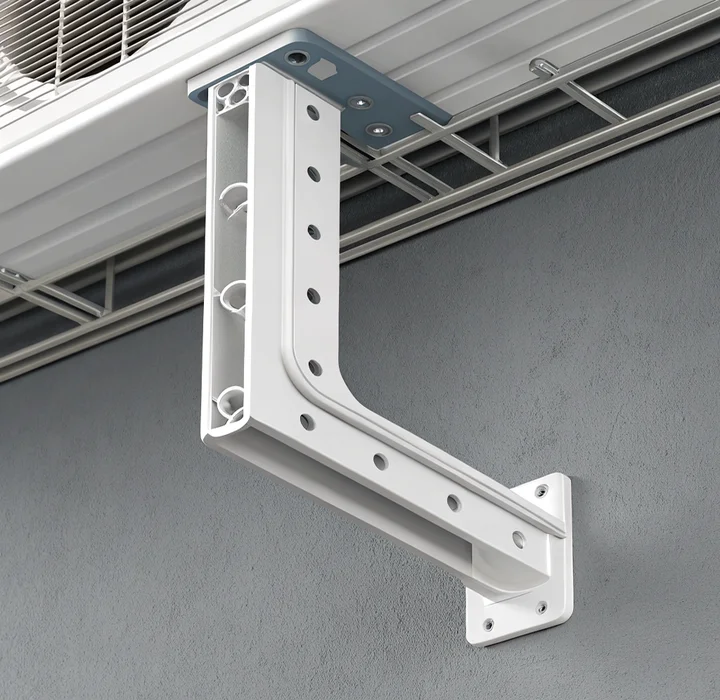
What are HVAC Mounting Brackets?
HVAC mounting brackets are structural components designed to securely attach HVAC equipment to various surfaces, including walls, ceilings, and floors. These brackets provide critical support for units such as air conditioners, fans, ductwork, and other system components, ensuring proper positioning, vibration reduction, and long-term stability. They come in various designs, materials, and load capacities to accommodate different equipment weights and installation requirements. Properly designed mounting brackets distribute weight evenly, reduce stress on mounting points, and help maintain system efficiency by ensuring optimal equipment positioning and alignment.
Key Function: Equipment Support → Weight Distribution → Vibration Reduction → Installation Stability
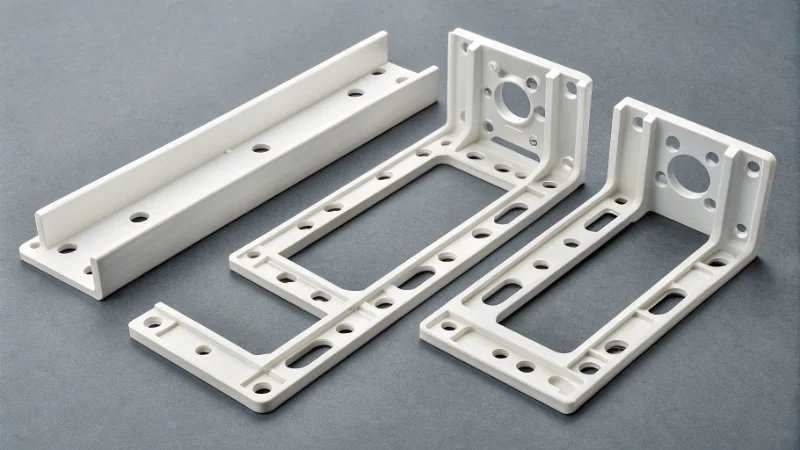
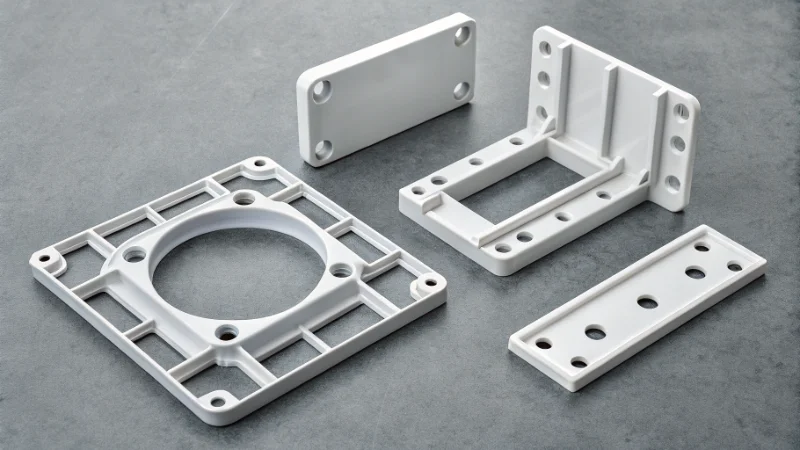
Types & Functions
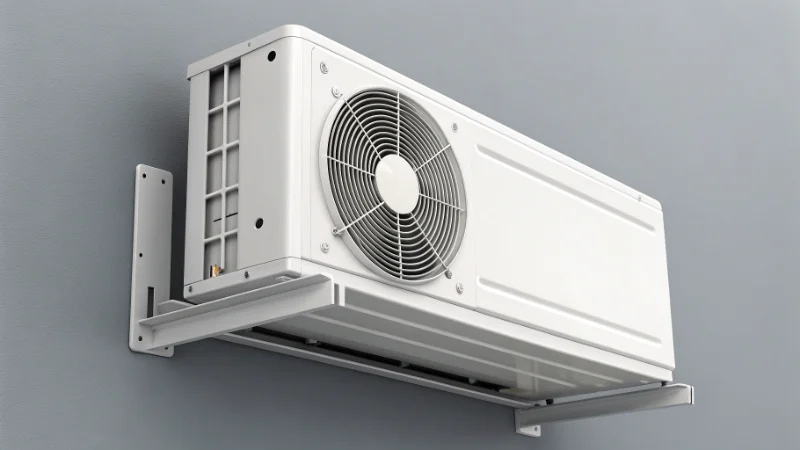
Wall Mounting Brackets
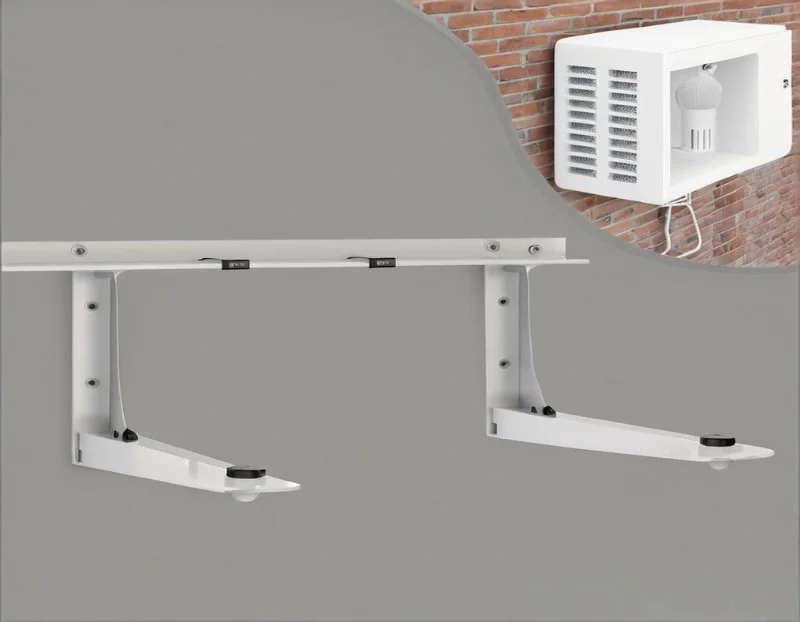
Designed to attach HVAC equipment to vertical surfaces, featuring adjustable angles and multiple mounting points for versatility.
Why it's crucial for HVAC: Proper wall mounting ensures secure equipment placement and optimal airflow direction in space-constrained environments.
Ceiling Mounting Brackets
Engineered to suspend equipment from overhead structures, often incorporating vibration dampening and load distribution features.
Why it's important for HVAC: Ceiling mounting maximizes floor space and can improve air distribution patterns for enhanced comfort.
Specialty Brackets
Custom-designed brackets for specific applications, including corner mounts, adjustable angle brackets, and multi-equipment support systems.
Why it's important for HVAC: Specialty brackets address unique installation challenges and ensure proper equipment positioning in non-standard environments.
Design & Materials
Material Selection
High-strength engineering plastics like polycarbonate, glass-filled nylon, and ABS are commonly used for their durability and load-bearing capacity.
Why it's crucial for HVAC: Material choice directly impacts load capacity, vibration resistance, and long-term durability of the mounting system.
Structural Engineering
Designs incorporate reinforcement ribs, stress distribution features, and appropriate cross-sectional geometry for optimal strength-to-weight ratio.
Why it's crucial for HVAC: Proper structural engineering ensures brackets can support equipment weight while minimizing material usage and installation complexity.
Installation Features
User-friendly designs include integrated leveling mechanisms, pre-drilled mounting holes, and tool-less adjustment options for easier installation.
Why it's crucial for HVAC: Thoughtful installation features reduce labor time, minimize installation errors, and ensure proper equipment positioning.
What are the Different Types of Mounting Brackets?
HVAC mounting brackets come in various designs tailored to specific installation requirements and equipment types. These brackets are categorized based on mounting orientation, load capacity, adjustability, and application-specific features. Common types include wall brackets for vertical surfaces, ceiling brackets for overhead installations, floor brackets for ground-level equipment, and specialty brackets for unique applications. Each type is engineered with specific features to address different challenges such as weight distribution, vibration control, thermal expansion, and accessibility for maintenance. Selecting the appropriate bracket type is crucial for ensuring system stability, longevity, and optimal performance of HVAC equipment.
Key Types: Wall Brackets → Ceiling Brackets → Floor Brackets → Specialty Brackets → Adjustable Systems
Basic Types
Wall Mounting Brackets
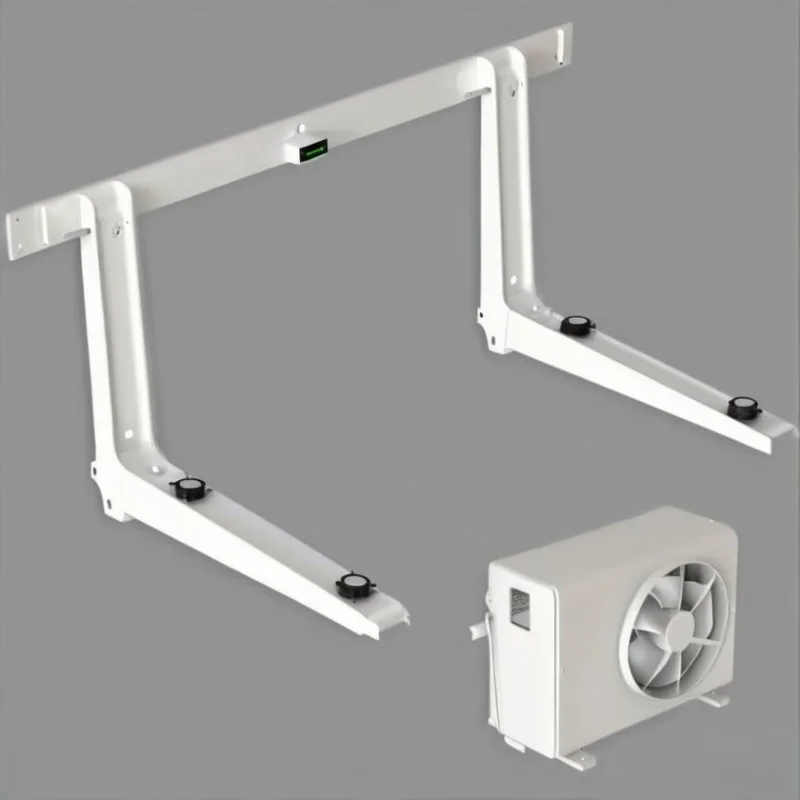
L-shaped or Z-shaped brackets designed to attach HVAC equipment to vertical surfaces, available in fixed and adjustable configurations.
Ideal for: Indoor units, condensers, and air handlers where wall space is available and floor space is limited.
Ceiling Mounting Brackets
Suspended systems with hanger rods or chains that support equipment from overhead structures, often with vibration isolation features.
Ideal for: Commercial spaces, retail environments, and areas where floor and wall space must remain clear.
Floor Mounting Brackets
Base plates or stands that elevate equipment from ground level, providing stability and protection from moisture or debris.
Ideal for: Rooftop units, ground-mounted heat pumps, and equipment requiring regular maintenance access.
Specialty Types
Adjustable Brackets
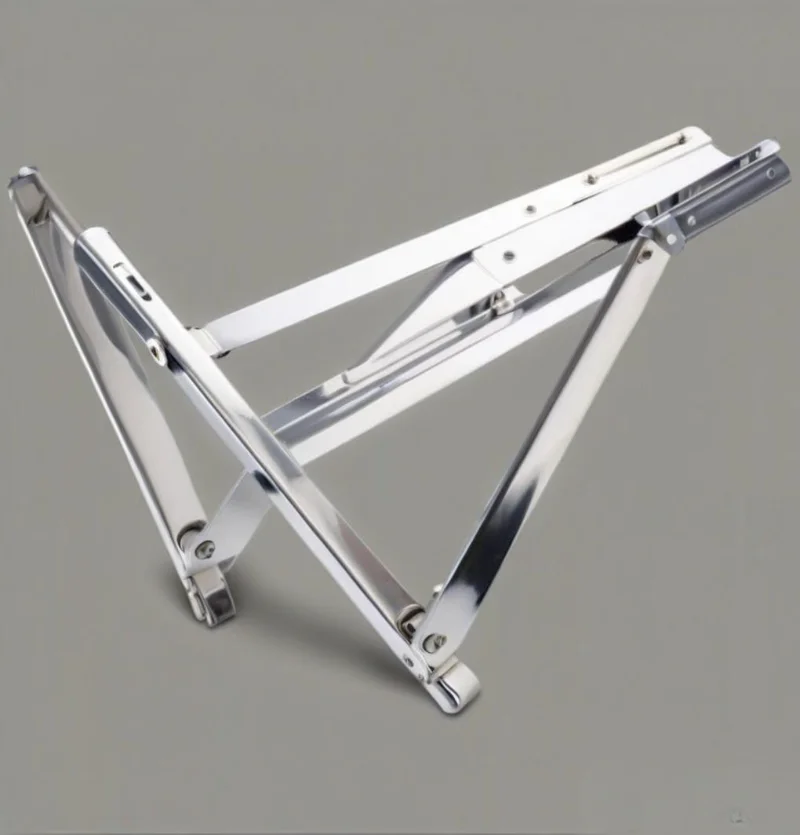
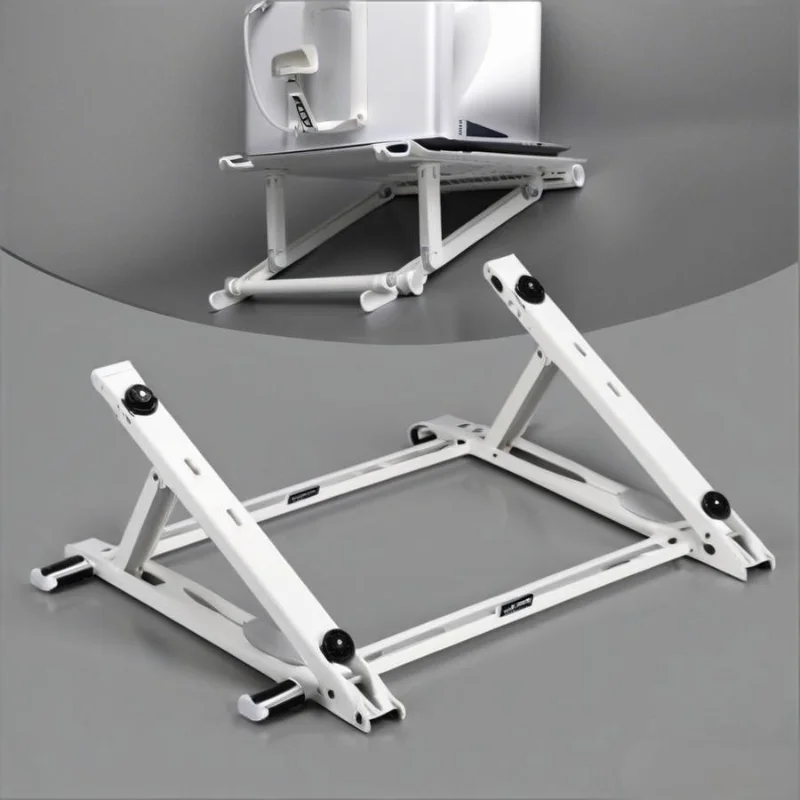
Versatile mounting solutions with sliding mechanisms or pivot points that allow for precise positioning and angle adjustment after installation.
Ideal for: Applications requiring fine-tuning of equipment position for optimal airflow or service access.
Vibration Isolation Brackets
Engineered with rubber or spring elements to absorb and dampen vibrations, reducing noise transmission and extending equipment life.
Ideal for: Noise-sensitive environments and equipment with high vibration characteristics like compressors.
Corner Brackets
Specially designed to utilize corner spaces efficiently, allowing equipment to be mounted at the intersection of two walls or surfaces.
🔧 Fonctionnalités d'installation.
Selection Criteria
1
Load Capacity
Brackets must be rated to support the full weight of the equipment plus a safety factor, typically 1.5-2 times the actual load.
2
Environmental Factors
Consider exposure to moisture, UV radiation, temperature extremes, and corrosive elements when selecting bracket materials.
3
Installation Constraints
Evaluate available space, mounting surface integrity, and accessibility for installation and future maintenance requirements.
Which Plastic Molding Processes are Suitable for Mounting Brackets?
Manufacturing mounting brackets requires careful selection of plastic molding processes to achieve the necessary balance of structural strength, dimensional accuracy, and cost-effectiveness. The choice of molding technique depends on factors such as bracket complexity, load requirements, production volume, and material characteristics. This analysis evaluates various molding processes to determine their suitability for different types of mounting brackets, helping manufacturers optimize production based on specific application requirements and performance specifications.
Key Processes: Injection Molding • Structural Foam Molding • Gas-Assisted Molding • Insert Molding • Overmolding
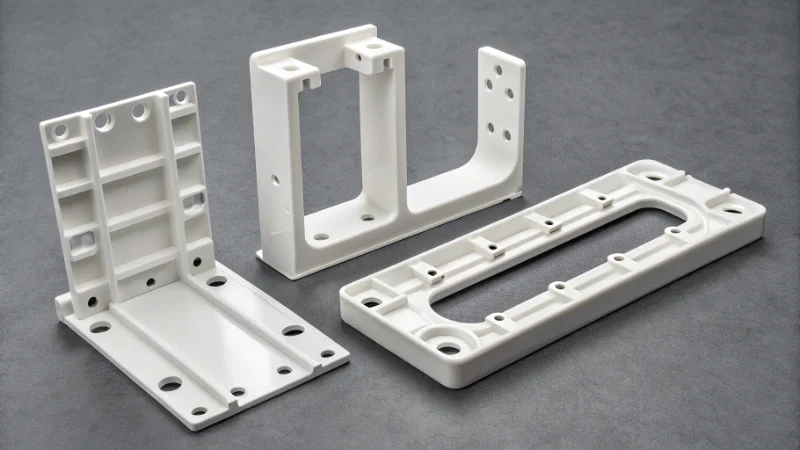
Injection Molding
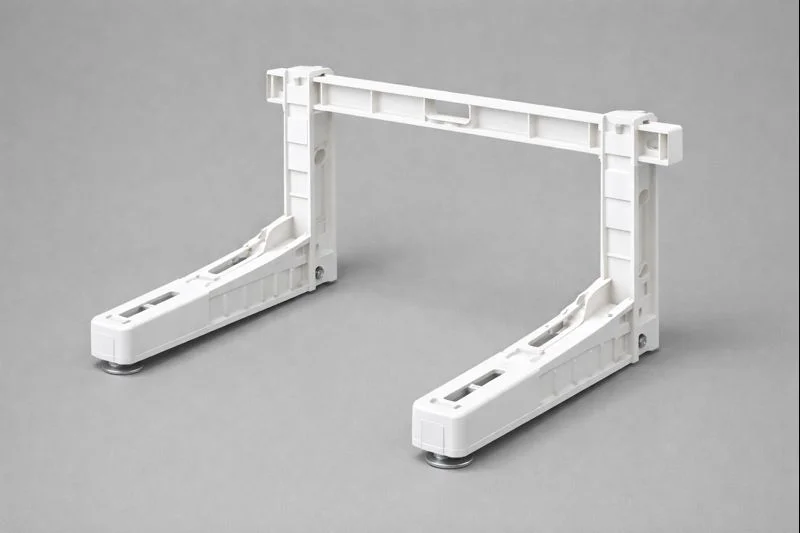
The ideal process for manufacturing complex mounting brackets with precise dimensions and integrated features.
Insert Molding
Ideal for mounting brackets requiring integrated metal components for enhanced strength or mounting features.
Overmolding
Suitable for mounting brackets requiring soft-touch surfaces, vibration dampening, or multiple material properties.
What are the Key Performance Metrics for Evaluating Mounting Brackets?
Evaluating mounting brackets requires a comprehensive assessment of multiple performance dimensions that collectively determine their effectiveness in HVAC installations. Load-bearing capacity ensures the bracket can support the weight of equipment without failure. Structural integrity confirms durability under various stress conditions. Installation features impact ease of use and proper positioning. Additionally, material characteristics, environmental resistance, and cost-effectiveness influence the overall value and suitability of the mounting bracket design for specific applications.
Key Dimensions: Load Capacity • Structural Integrity • Installation Features • Material Characteristics
| Key Metric | What It Is | Why It Matters |
|---|---|---|
| ⚖️ Load Capacity | ||
| Static Load Capacity | The maximum weight the bracket can support without deformation or failure under stationary conditions. | Ensures the bracket can safely support the weight of HVAC equipment, preventing catastrophic failure and equipment damage. |
| Dynamic Load Capacity | The maximum weight the bracket can support during equipment operation, accounting for vibrations and movement. | Critical for equipment with moving parts or vibration, ensuring long-term stability and preventing fatigue failure. |
| Safety Factor | The ratio between the bracket's failure load and its intended maximum load, typically expressed as a multiple (e.g., 3:1, 5:1). | Provides a margin of safety for unexpected loads, installation variations, and material degradation over time. Higher safety factors are recommended for critical applications. |
| 🏗️ Structural Integrity | ||
| Stress Distribution | How effectively the bracket distributes load forces across its structure to prevent stress concentration. | Proper stress distribution prevents localized failure points and extends the service life of the bracket under repeated loading. |
| Fatigue Resistance | The ability to withstand repeated loading cycles without failure, particularly important for equipment with vibration. | Ensures long-term reliability in applications with cyclic loading, preventing failure due to material fatigue over time. |
| Deflection Under Load | The amount of bending or deformation the bracket experiences when loaded to its rated capacity. | Excessive deflection can cause equipment misalignment, reduced efficiency, and potential damage to connected components. |
| 🔧 Installation Features | ||
| Adjustment Capability | The range and ease of positional adjustment the bracket allows after initial installation. | Enables precise equipment positioning for optimal performance and easier maintenance without complete reinstallation. |
| Mounting Hole Configuration | The design, size, and placement of holes for fasteners, including slotting for adjustment. | L'ASA est un excellent choix pour les supports de montage extérieurs, combinant les propriétés de l'ABS avec une résistance climatique supérieure. |
| Leveling Mechanisms | Built-in features that allow for fine-tuning of equipment position, particularly for horizontal leveling. | Critical for equipment that requires precise positioning for optimal operation, such as condensate drainage or airflow direction. |
| 🧪 Material Characteristics | ||
| Le néoprène est un caoutchouc synthétique polyvalent offrant une combinaison équilibrée de propriétés pour diverses applications CVC. | The ability of the material to resist degradation from exposure to ultraviolet radiation. | Essential for outdoor applications or installations with exposure to sunlight, preventing brittleness and color fading. |
| Temperature Resistance | The range of temperatures the material can withstand without losing structural properties. | Critical for applications with extreme temperature variations or proximity to heat-generating equipment. |
| Chemical Resistance | The ability to withstand exposure to chemicals, cleaning agents, and environmental contaminants. | Important for environments with exposure to cleaning chemicals, industrial contaminants, or salt air in coastal applications. |
What are the Common Materials Used for HVAC Mounting Brackets?
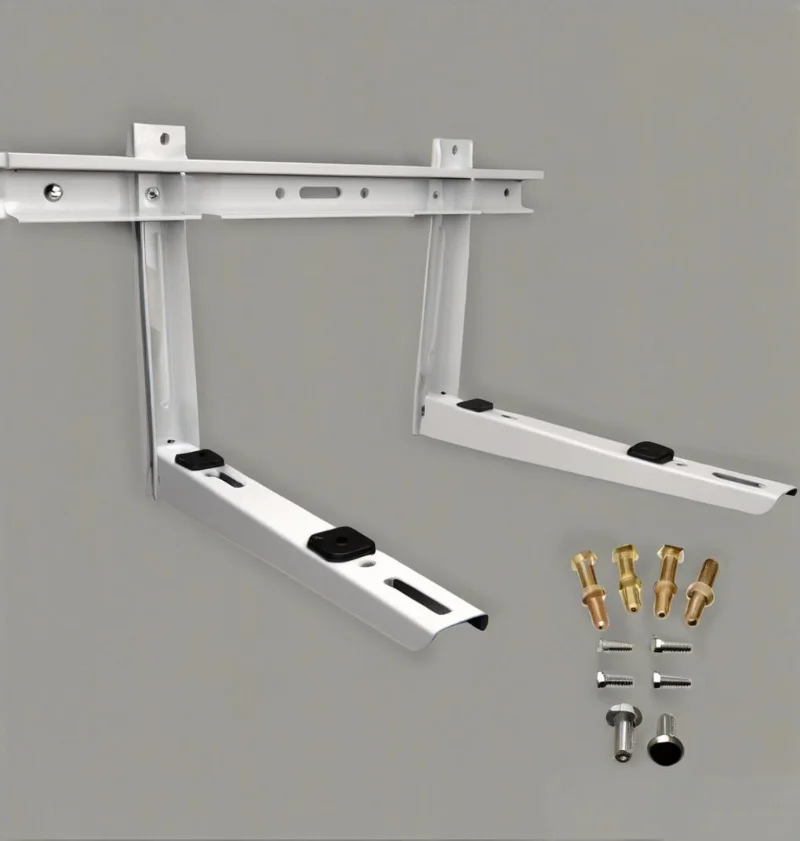
When selecting materials for your HVAC mounting brackets, you have several excellent options to consider. Polycarbonate (PC) offers superior strength and temperature resistance for most demanding applications, making it ideal for supporting heavy HVAC components. ABS provides a cost-effective solution with good mechanical properties for indoor mounting applications. For outdoor installations requiring UV resistance, polycarbonate with UV stabilizers or ASA (Acrylonitrile Styrene Acrylate) are excellent choices. When flame retardancy is critical, PC/ABS blends with flame-retardant additives meet stringent safety standards. Your choice ultimately depends on your specific needs: load capacity, environmental exposure, safety requirements, and installation location.
Key Materials: PC • ABS • ASA • PC/ABS Blends • Glass-Filled Variants
PC (Polycarbonate)
Polycarbonate is the premium choice for heavy-duty mounting brackets, offering exceptional strength, impact resistance, and temperature stability.
Key Properties:
- Exceptional strength-to-weight ratio: Provides maximum load capacity while remaining lightweight.
- High temperature resistance: Maintains structural integrity at elevated temperatures common in HVAC applications.
- Excellent impact resistance: Withstands mechanical stress and vibration during operation.
- Superior dimensional stability: Maintains precise shape and size across temperature variations.
- Good fatigue resistance: Withstands repeated loading cycles without deformation.
Common Applications:
- Heavy-duty compressor mounting brackets
- Outdoor unit support structures
- Vibration isolation brackets
- Applications requiring high load capacity and temperature resistance
Limitation: More expensive than other materials and may require UV stabilizers for prolonged outdoor exposure.
ABS (Acrylonitrile Butadiene Styrene)
ABS is a versatile and cost-effective material for mounting brackets, especially for indoor applications and light to medium-duty installations.
Key Properties:
- Good strength and rigidity: Provides adequate support for most indoor HVAC components.
- Excellent surface finish: Can be manufactured with a high-gloss, smooth, or textured surface.
- Cost-effective: Offers a great balance of performance and price for high-volume applications.
- Easy to process: Flows well in injection molding machines, allowing for complex shapes.
- Good dimensional stability: Maintains shape under normal operating conditions.
Common Applications:
- Indoor unit mounting brackets
- Thermostat and control panel brackets
- Light-duty component supports
- Decorative mounting brackets where aesthetics are important
Limitation: Standard ABS has poor UV resistance and lower temperature resistance compared to PC. For outdoor use, it must be formulated with UV stabilizers.
ASA (Acrylonitrile Styrene Acrylate)
ASA is an excellent choice for outdoor mounting brackets, combining the properties of ABS with superior weather resistance.
Key Properties:
- Exceptional weather resistance: Maintains color and mechanical properties after prolonged UV exposure.
- Good impact resistance: Similar to ABS but with better retention of properties after weathering.
- Color stability: Resists fading and yellowing better than ABS or PC.
- Chemical resistance: Better resistance to environmental chemicals than ABS.
- Pourquoi c'est crucial : Les nervures renforcées offrent une résistance nécessaire tout en préservant l'efficacité des matériaux.
Common Applications:
- Outdoor unit mounting brackets
- Weatherproof component supports
- Applications requiring long-term color stability
- Coastal installations with high salt exposure
Limitation: More expensive than ABS and has lower temperature resistance than PC. May require reinforcement for heavy-load applications.
Glass-Filled Materials
Glass-filled plastics offer enhanced strength and rigidity for heavy-duty mounting applications where standard plastics may not provide sufficient support.
Key Properties:
- Exceptional strength and rigidity: Significantly higher than unfilled plastics.
- Excellent dimensional stability: Minimal thermal expansion and contraction.
- Enhanced heat resistance: Higher heat deflection temperature than unfilled materials.
- Reduced creep: Maintains shape under constant load over time.
- Good fatigue resistance: Withstands repeated loading cycles.
Common Applications:
- Heavy-duty compressor and motor mounts
- Structural support brackets for large units
- Applications requiring high load capacity and minimal deflection
- Vibration-prone installations requiring enhanced stability
Limitation: More expensive than unfilled plastics and has lower impact resistance. Surface finish may be less smooth than unfilled materials.
Comparison at a Glance
| Material | Key Strengths | Best For |
|---|---|---|
| PC | Strength, temperature resistance, impact resistance | Heavy-duty brackets and high-temperature applications |
| ABS | Cost-effectiveness, surface finish, ease of processing | Indoor brackets and cost-sensitive applications |
| ASA | Weather resistance, color stability, UV resistance | Outdoor brackets with prolonged sun exposure |
| Glass-Filled | Enhanced strength, rigidity, dimensional stability | Heavy-load applications requiring minimal deflection |
Special Additives and Grades
To enhance these base plastics, manufacturers often use special formulations:
- Flame-Retardant (FR) Grades: Additives are mixed into the plastic to meet strict fire safety standards (e.g., UL 94 V-0).
- UV-Stabilized Grades: Plastics (especially ABS and PC) are compounded with UV absorbers and inhibitors to prevent degradation and yellowing from sun exposure.
- Vibration-Damping Grades: Special formulations with rubber modifiers to absorb vibrations and reduce noise transmission.
- Reinforced Grades: Adding glass fibers or other reinforcing materials significantly increases strength and rigidity for heavy-load applications.
What are Design Considerations for HVAC Mounting Brackets?
Effective mounting bracket design is critical for ensuring the stability and longevity of HVAC systems. The design process must balance structural integrity with ease of installation, considering factors such as load capacity, vibration resistance, and thermal expansion. Advanced bracket designs enable features like integrated vibration dampening, tool-free installation, and modular configurations that adapt to different installation scenarios. Understanding these considerations is essential for optimizing installation efficiency, minimizing maintenance requirements, and ensuring the mounting system provides reliable support throughout the HVAC system's service life.
Key Focus: Load Capacity • Vibration Resistance • Installation Efficiency • Modular Design
Structural Design & Load Capacity
Load Distribution
Optimizing geometry to distribute loads evenly prevents stress concentration and ensures long-term stability.
Why it's crucial: Proper load distribution prevents bracket failure and extends the service life of HVAC components.
Rib Reinforcement
Strategically placed ribs increase stiffness and load capacity without significantly increasing weight.
Why it's crucial: Reinforced ribs provide necessary strength while maintaining material efficiency.
Contrôler les paramètres de moulage dans des tolérances serrées
Balancing thickness for strength while minimizing material usage and weight for cost efficiency.
Why it's crucial: Optimized thickness ensures adequate support while keeping production costs reasonable.
Safety Factor Integration
Designing with appropriate safety factors to account for dynamic loads, vibrations, and unexpected stresses.
Why it's crucial: Adequate safety factors prevent catastrophic failure and ensure system reliability.
Installation & Integration
Tool-Free Installation Features
Snap-fit mechanisms and quick-release designs simplify installation and reduce labor time.
Why it's crucial: Tool-free installation reduces installation time and labor costs while improving serviceability.
Modular Design
Interchangeable components and adjustable features accommodate different installation scenarios.
Why it's crucial: Modular designs reduce inventory requirements and increase installation flexibility.
Integrated Vibration Dampening
Built-in vibration isolation features reduce noise transmission and extend component life.
Why it's crucial: Vibration dampening improves system performance and reduces maintenance requirements.
Alignment Features
Precision alignment guides and indicators ensure proper positioning during installation.
Why it's crucial: Proper alignment prevents stress on components and ensures optimal system performance.
Design for Manufacturability (DFM)
1
Draft Angles
All vertical surfaces require appropriate draft angles (typically 1-3°) to facilitate ejection from the mold without damaging the part or the mold itself.
2
Wall Thickness
Maintaining consistent wall thickness prevents sink marks, warping, and internal stress, ensuring structural integrity of the bracket.
3
Gate Placement
Strategic gate placement minimizes visible marks and ensures proper filling of thick sections without creating weak points.
How to Control Quality and Prevent Defects in HVAC Mounting Brackets?
When sourcing mounting brackets for HVAC systems, consistent quality directly impacts the safety and reliability of your installations. A comprehensive quality control system addresses common defects in plastic molding before they become your problems, ensuring every bracket meets your exact specifications. This approach prevents issues like inadequate load capacity, premature failure, and installation difficulties that could compromise system stability. By implementing rigorous inspection protocols from material verification to final testing, you receive brackets that maintain dimensional accuracy, structural integrity, and consistent performance. This proactive quality management protects your projects from costly rework and warranty claims while ensuring reliable long-term support for HVAC components.
Quality Focus: Load Testing • Dimensional Accuracy • Structural Integrity
Common Defect Analysis & Solutions
Understanding potential defects helps you evaluate suppliers more effectively. Here's how we prevent the most common issues that can compromise your product quality.
Insufficient Strength
Brackets that fail under expected loads, potentially causing system failure and safety hazards.
Common Causes:
- Inadequate wall thickness or rib design
- Poor material selection or quality
- Improper molding parameters causing internal stresses
- Design flaws creating stress concentration points
Solutions:
- Optimize structural design through FEA analysis
- Use appropriate materials with sufficient strength
- Implement proper molding process controls
- Conduct regular load testing during production
Dimensional Inaccuracy
Brackets with incorrect dimensions that don't fit properly with HVAC components or mounting surfaces.
Common Causes:
- Improper mold design or wear
- Inconsistent molding parameters
- Material shrinkage variations
- Inadequate cooling system design
Solutions:
- Implement precise mold design and maintenance
- Control molding parameters within tight tolerances
- Échantillonnage et mesure réguliers
- Use proper cooling system design
Warping and Deformation
Brackets that are not flat or straight, affecting installation and load distribution.
Common Causes:
- Uneven cooling of large, flat surfaces
- Non-uniform wall thickness
- High internal stresses from improper flow
- Inadequate mold temperature control
Solutions:
- Design uniform cooling channels in mold
- Optimize wall thickness uniformity
- Implement proper gate design and location
- Use conformal cooling for complex geometries
Surface Defects
Imperfections on the bracket surface that affect appearance and potentially structural integrity.
Common Causes:
- Improper mold temperature control
- Contaminated material or mold surface
- Inadequate venting in the mold
- Moisture in the material
Solutions:
- Optimize mold temperature parameters
- Implement proper material drying procedures
- Ensure adequate mold venting
- Maintain clean mold surfaces
Quality Assurance Process
First Article Inspection (FAI)
FAI Includes:
- Complete dimensional verification using CMM
- Material certification and property testing
- Visual inspection for surface defects
- Load capacity testing
- Structural integrity verification
FAI Benefits:
- Identifies issues before mass production
- Establishes baseline quality standards
- Validates tooling and process parameters
- Reduces costly rework and scrap
- Ensures your requirements are met
In-Process Quality Control (IPQC)
Monitored Parameters:
- Injection pressure and speed profiles
- Melt and mold temperatures
- Cooling time and cycle consistency
- Part weight and dimensional stability
- Visual defect detection
Control Methods:
- Statistical Process Control (SPC) charts
- Automated vision inspection systems
- Regular sampling and measurement
- Limité. Résistance inférieure par rapport au métal, peut nécessiter un renforcement.
- Operator training and standardized procedures
Advanced Testing Equipment
Dimensional Verification:
- Coordinate Measuring Machine (CMM): Provides precise 3D measurements with accuracy up to ±0.002mm
- Optical Comparators: For 2D profile verification of complex geometries
- Digital Calipers & Micrometers: For routine dimensional checks
- 3D Scanning Systems: For comprehensive surface analysis
Performance Testing:
- Universal Testing Machines: Verify load capacity and structural integrity
- Vibration Testing Equipment: Test resistance to mechanical vibrations
- Impact Testing Equipment: Test resistance to mechanical impact
- Environmental Chambers: Test performance under various temperature/humidity conditions
What are the Advantages and Disadvantages of Plastic Mounting Brackets?
Plastic mounting brackets offer a unique set of advantages, making them a strong contender in many HVAC applications. Their cost-effectiveness, design flexibility, and corrosion resistance make them ideal for specific environments. However, they also have distinct limitations, particularly regarding load capacity and temperature resistance, which must be carefully considered. The choice between plastic and other materials ultimately depends on a balance between budget, load requirements, environmental conditions, and performance expectations.
Key Trade-off: Cost & Design Flexibility vs. Load Capacity & Temperature Resistance
Advantages
Design Flexibility
Plastic allows for complex shapes, integrated features, and custom designs that would be difficult or expensive with metal.
Why it's crucial: Enables integration of mounting points, vibration dampening, and other features directly into the bracket.
Corrosion Resistance
Plastic is inherently resistant to environmental factors that degrade metals, such as moisture and chemicals.
Why it's crucial: Ideal for harsh environments without needing protective coatings or treatments.
Weight Reduction
Plastic brackets are significantly lighter than metal alternatives, reducing overall system weight.
Why it's crucial: Reduces shipping costs and simplifies installation, especially for overhead applications.
Polycarbonate (PC)
Lower Load Capacity
Plastic is generally not as strong as metal, making it less suitable for heavy-load applications.
Why it's crucial: May not be suitable for supporting heavy HVAC components without reinforcement.
Temperature Limitations
Plastic has lower heat resistance than metal and may deform or lose structural integrity at elevated temperatures.
Why it's crucial: Not suitable for applications with high ambient temperatures or heat-generating components.
Creep Under Load
Plastic may deform slowly over time when subjected to constant load, potentially affecting alignment.
Why it's crucial: May require periodic inspection and adjustment in critical applications.
Material Comparison: Plastic vs. Metal Mounting Brackets
| Feature | Plastic Brackets | Metal Brackets |
|---|---|---|
| Cost | Lower. More economical for high-volume production. | Higher. More expensive materials and manufacturing processes. |
| Design Flexibility | Excellent. Complex shapes and integrated features are easily achievable. | Limited. Complex designs require expensive tooling and processes. |
| Load Capacity | Limited. Lower strength compared to metal, may require reinforcement. | Plage de temps de cycle :. |
| Corrosion Resistance | Excellent. Naturally resistant to environmental factors. | Poor. Requires protective coatings or treatments for corrosion resistance. |
| Best Application | Light to medium duty applications, indoor use, cost-sensitive projects. | Heavy-duty applications, harsh environments, industrial settings. |
Frequently Asked Questions
Find answers to your key concerns in HVAC mounting brackets injection molding FAQ. Get expert guidance on selecting the right materials—PC, ABS, ASA, or glass-filled variants—for your specific application requirements. Explore precision mold design for complex bracket structures, ensuring strict dimensional tolerances within ±0.1mm and optimal load distribution. Discover comprehensive solutions that meet both your functional performance and installation needs, with various surface finishes and integration options to perfectly match your HVAC system requirements.
Key Services: Material Selection • Precision Mold Design • Load Testing • Quality Control • Installation Features
Which Plastic Material is Best for Heavy-Duty Mounting Brackets?
Customer concern: Material selection for optimal load capacity and durability.
+
Which Plastic Material is Best for Heavy-Duty Mounting Brackets?
Customer concern: Material selection for optimal load capacity and durability.
Our Solutions:
Material Recommendations Based on Load Requirements:
We recommend materials based on your specific load requirements:
| Material | Best For | Key Properties |
|---|---|---|
| Glass-Filled PC | Heavy-duty applications, high load capacity | Exceptional strength, rigidity, temperature resistance |
| PC | Medium to heavy-duty applications | High strength, impact resistance, temperature stability |
| PC/ABS | Medium-duty applications with balanced properties | Good strength, impact resistance, cost-effective |
| ASA | Outdoor medium-duty applications | Good strength, excellent weather resistance, UV stability |
Can You Produce Brackets with Integrated Vibration Dampening?
Customer concern: Noise reduction and vibration isolation for HVAC components.
+
Can You Produce Brackets with Integrated Vibration Dampening?
Customer concern: Noise reduction and vibration isolation for HVAC components.
Our Solutions:
Vibration Dampening Design:
We specialize in designing brackets with integrated vibration dampening features to reduce noise transmission and extend component life.
Material Selection:
We use specially formulated materials with rubber modifiers or dual-material molding techniques to create brackets with built-in vibration isolation.
Design Features:
Our brackets incorporate features like flexible sections, isolation pads, and strategic rib placement to absorb and dissipate vibrations.
How Do You Ensure Load Capacity in Plastic Brackets?
Customer concern: Structural integrity and load-bearing capabilities.
+
How Do You Ensure Load Capacity in Plastic Brackets?
Customer concern: Structural integrity and load-bearing capabilities.
Our Solutions:
Structural Design Optimization:
We use Finite Element Analysis (FEA) to optimize bracket design for maximum load capacity while minimizing material usage.
Material Reinforcement:
For high-load applications, we recommend glass-filled materials or incorporate metal inserts at critical stress points.
Load Testing:
All bracket designs undergo rigorous load testing to verify they meet or exceed specified load requirements with appropriate safety factors.
Can You Produce Brackets with Tool-Free Installation Features?
Customer concern: Installation efficiency and ease of use.
+
Can You Produce Brackets with Tool-Free Installation Features?
Customer concern: Installation efficiency and ease of use.
Our Solutions:
Snap-Fit Mechanisms:
We design brackets with integrated snap-fit features that allow for quick, tool-free installation while maintaining secure connections.
Quick-Release Designs:
Our brackets can incorporate quick-release mechanisms that simplify installation and maintenance without requiring specialized tools.
Integrated Alignment Features:
We design brackets with built-in alignment guides and indicators to ensure proper positioning during installation.
What's the Typical Production Cycle Time for Mounting Brackets?
Customer concern: Production efficiency and delivery timelines.
+
What's the Typical Production Cycle Time for Mounting Brackets?
Customer concern: Production efficiency and delivery timelines.
Our Solutions:
Cycle Time Range:
Supports de montage CVC | Composants plastiques professionnels | HVACore.
Efficiency Optimization:
We optimize cooling channels, gate design, and ejection mechanisms to minimize cycle time while maintaining part quality and structural integrity.
Multi-Cavity Options:
For high-volume production of smaller brackets, we offer multi-cavity molds that can produce multiple parts per cycle, significantly increasing output efficiency.
How Do You Ensure Temperature Resistance in Outdoor Brackets?
Customer concern: Performance in varying temperature conditions.
+
How Do You Ensure Temperature Resistance in Outdoor Brackets?
Customer concern: Performance in varying temperature conditions.
Our Solutions:
Material Selection:
We use materials with high heat deflection temperatures (HDT) for outdoor applications, such as PC or glass-filled variants.
UV Stabilization:
Our outdoor brackets are formulated with UV stabilizers to prevent degradation and maintain mechanical properties under sun exposure.
Thermal Testing:
All outdoor brackets undergo thermal cycling tests to verify performance across the expected temperature range.
Can You Produce Custom Brackets for Specific HVAC Components?
Customer concern: Customization for unique application requirements.
+
Can You Produce Custom Brackets for Specific HVAC Components?
Customer concern: Customization for unique application requirements.
Our Solutions:
Custom Design Services:
Our engineering team can design custom brackets tailored to your specific HVAC components, ensuring perfect fit and optimal performance.
Rapid Prototyping:
We offer rapid prototyping services to validate custom designs before committing to full production molds.
Modular Design Options:
We can create modular bracket systems that can be configured for different components, reducing inventory requirements while maintaining flexibility.
What Quality Control Measures Do You Implement for Mounting Brackets?
Customer concern: Quality assurance and reliability.
+
What Quality Control Measures Do You Implement for Mounting Brackets?
Customer concern: Quality assurance and reliability.
Our Solutions:
Dimensional Inspection:
We use coordinate measuring machines (CMM) and optical inspection systems to verify critical dimensions and ensure consistency with design specifications.
Load Capacity Testing:
Our quality control process includes load testing to verify that each bracket meets or exceeds specified load requirements.
Material Compliance Testing:
We perform material testing to verify flame retardancy, UV resistance, and other properties to ensure compliance with relevant standards and specifications.