
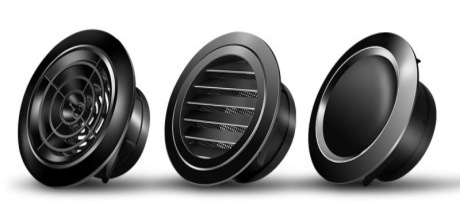
– Metal-to-plastic conversion can reduce overall HVAC component weight by 30% to 50%, significantly lowering shipping and installation costs.
– Engineered thermoplastics like Polyamide 66 (PA66) and Polyphenylene Sulfide (PPS) offer inherent corrosion resistance, extending system lifespans in humid environments.
– Injection molding allows for part consolidation, often replacing multi-piece metal assemblies with a single net-shape plastic component.
– Strategic material selection ensures compliance with flammability standards such as UL 94 V-0 while maintaining structural integrity.
What Is Metal-to-Plastic Conversion in the Context of HVAC?
Metal-to-plastic conversion is the engineering process of replacing metal components (typically made from steel, aluminum, or brass) with parts manufactured from high-performance engineered thermoplastics1. In the Heating, Ventilation, and Air Conditioning (HVAC) industry, this is not merely a material swap but a redesign strategy aimed at HVAC lightweighting, improving energy efficiency, and eliminating corrosion issues common in damp operating environments.
This process leverages the capabilities of injection molding2 to produce complex geometries that die casting or sheet metal stamping cannot achieve without extensive secondary machining. By utilizing materials reinforced with glass fibers or minerals, manufacturers achieve strength-to-weight ratios comparable to metals.
Why Is Lightweighting Critical for Modern HVAC Systems?
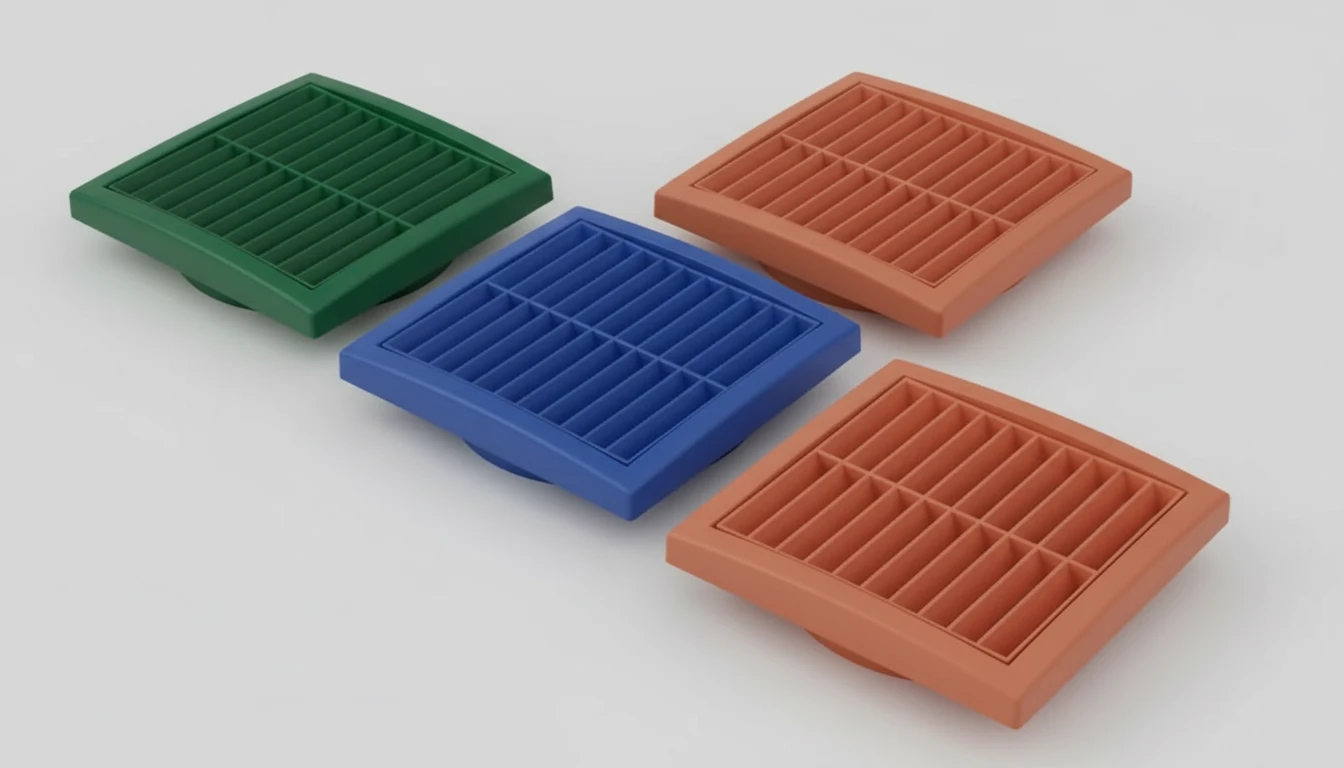
As energy efficiency regulations (such as SEER ratings) become stricter, HVAC lightweighting3 becomes a primary design objective. Heavier units require more robust structural support and incur higher logistics costs.
Structural and Economic Impact
- Reduced Load: Lighter roof-top units reduce the structural load on commercial buildings.
- Logistics: Lower shipping weight translates directly to reduced fuel consumption and freight costs.
- Installation: Lighter components reduce the risk of injury during installation and often reduce the crew size required for handling.
High-performance resins like glass-filled Nylon (PA66) provide tensile strengths exceeding 200 MPa, comparable to many aluminum alloys, while offering superior fatigue resistance.
Modern engineered thermoplastics like PPS and PPA are formulated to withstand continuous operating temperatures above 200°C and are chemically resistant to HVAC refrigerants and condensates.
Which Engineered Thermoplastics Are Best for HVAC Applications?
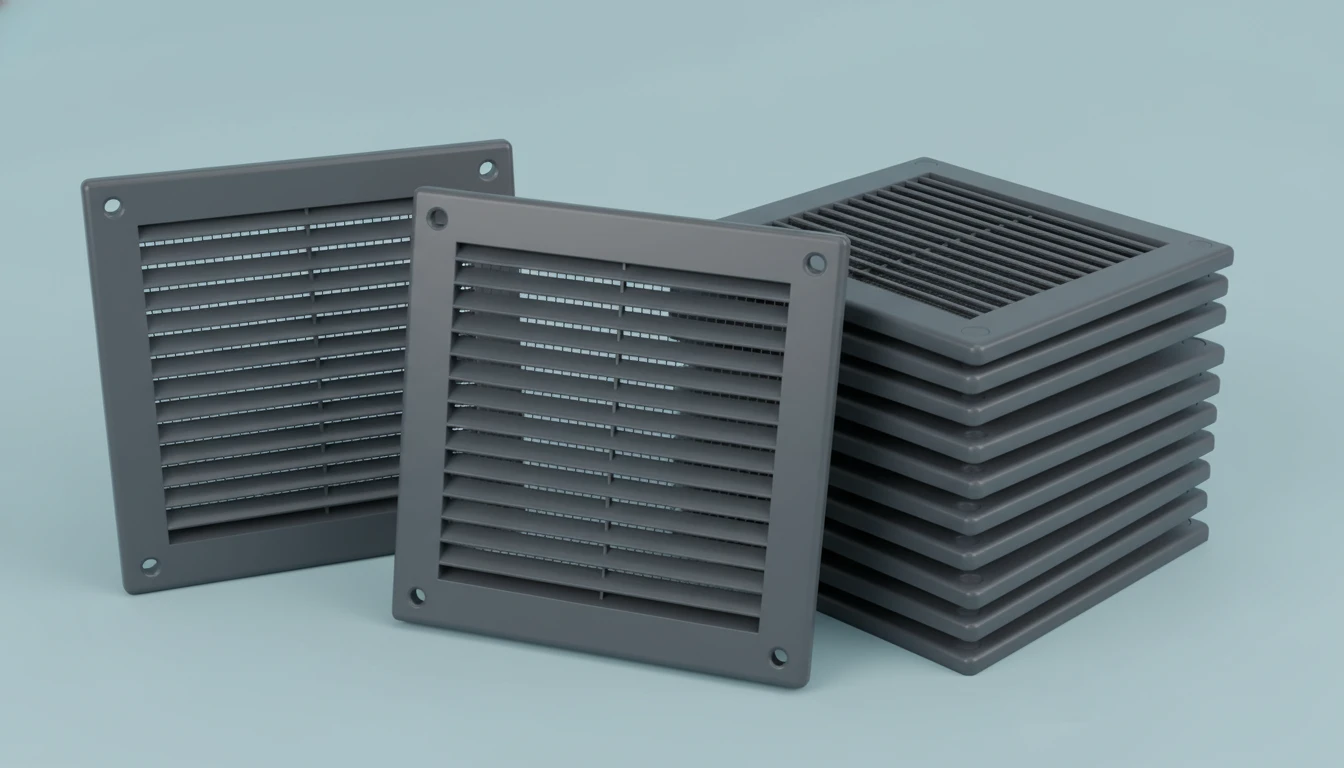
Successful conversion relies entirely on selecting the correct engineered thermoplastics. The following table outlines the most common materials used to replace metal in HVAC systems, referenced against standard properties.
| Material | Abbreviation | Key Properties (ISO/ASTM) | Primary HVAC Application |
|---|---|---|---|
| Polyamide 66 | PA66 (Nylon 66) | High mechanical strength, heat resistance (up to 130°C continuous). | Fan blades, structural frames, valve covers. |
| Polyphenylene Sulfide | PPS | Extreme chemical resistance, dimensional stability, UL 94 V-0 flammability rating. | Heater housings, flue collectors, pump impellers. |
| Polybutylene Terephthalate | Un mauvais transfert de chaleur le rend inadapté aux serpentins d'échangeurs thermiques (à moins d'utiliser des polymères conducteurs spécialisés). | Low moisture absorption, high rigidity, excellent electrical insulation. | Electrical connectors, control boxes, sensor housings. |
| Polypropylene | PP | Excellent chemical resistance, low cost, low density (0.90 g/cm³). | Drain pans, ducting, non-load bearing shrouds. |
| Polyphthalamide | PPA | High heat deflection temperature (HDT), retains stiffness in humid conditions. | Thermostat housings, fluid handling components. |
How Does the Manufacturing Process Impact Cost Reduction?
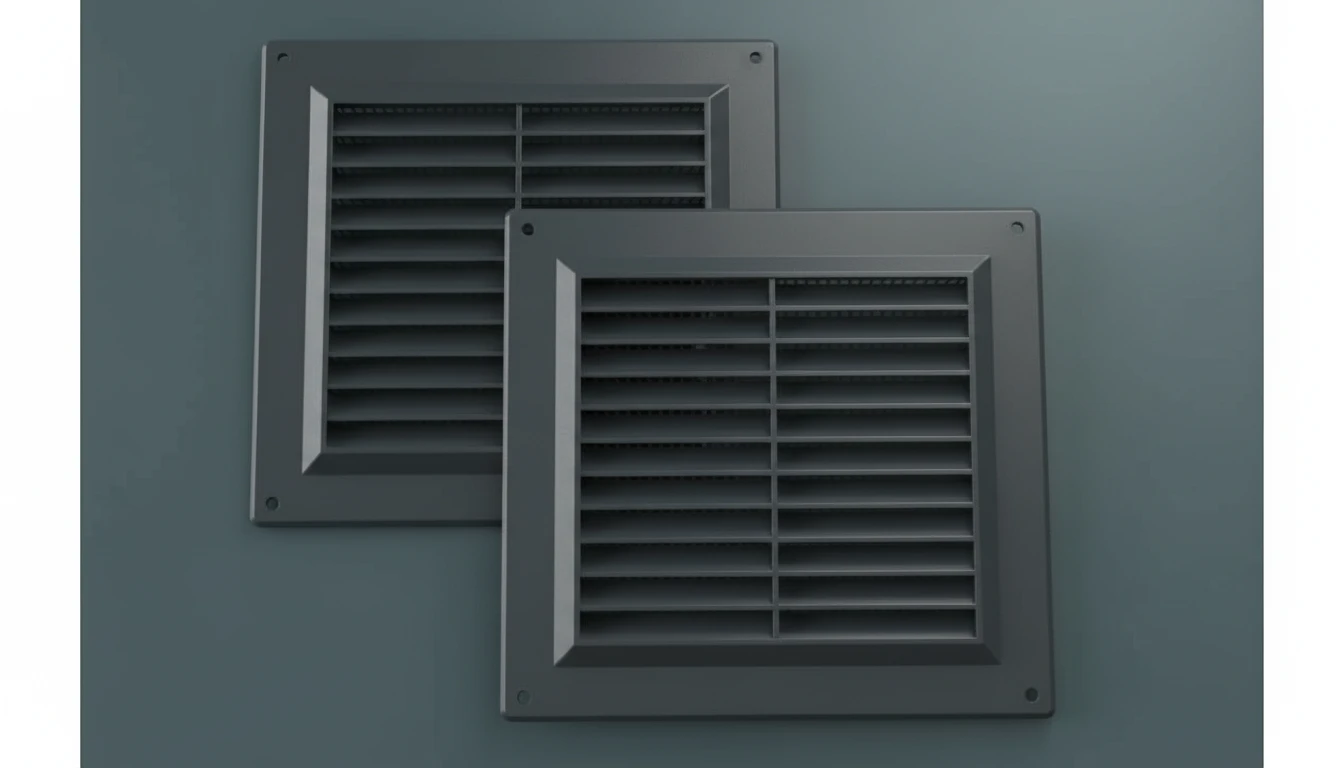
Manufacturing cost reduction is often the primary driver for conversion. While injection molding tooling (molds) can be expensive, the per-unit cost and total cost of ownership drop significantly compared to metal processing.
The "Net-Shape" Advantage
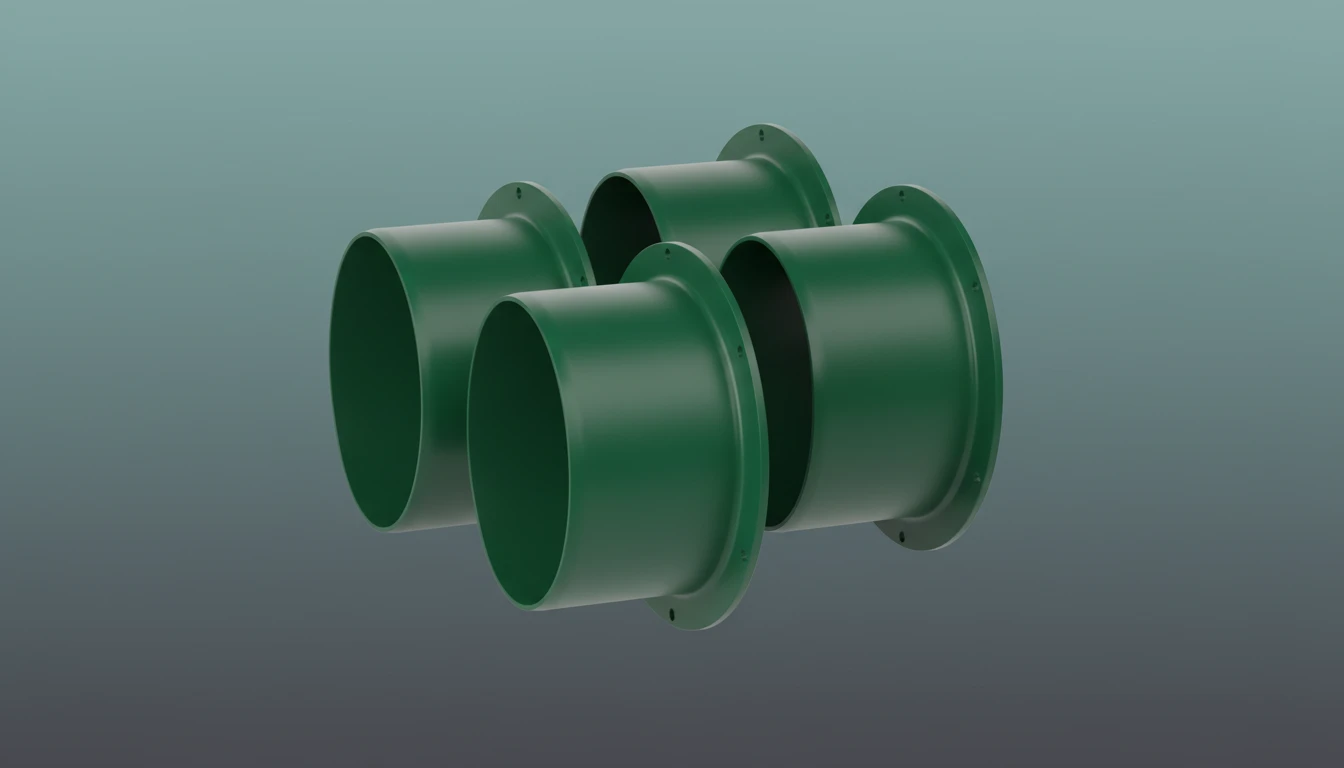
Metal parts often require die casting followed by trimming, drilling, tapping, and painting (for corrosion protection). Injection molding produces a "net-shape" part in a single cycle (often 30–60 seconds).
- Part Consolidation: A single molded part can often replace an assembly of 4–6 metal parts, screws, and washers.
- Secondary Operations: Plastic parts come out of the mold colored and finished, eliminating the need for painting or plating.
- Tool Life: High-quality hardened steel molds (Class 101) can run over 1 million cycles, offering long-term amortization of tooling cost4s.
What Are the Key Design Considerations for Preventing Warpage and Failure?
When executing a metal to plastic conversion, engineers must not simply copy the metal design. The geometry must be optimized for the injection molding process.
Wall Thickness and Ribbing
- Uniformity: Unlike metal casting, plastic requires uniform wall thickness to prevent sink marks and warpage.
- Coring: Thick metal sections must be "cored out" and reinforced with ribs to maintain stiffness without excessive material usage.
Thermal Expansion
Thermoplastics have a higher Coefficient of Linear Thermal Expansion (CLTE) than metals. Designs must accommodate expansion gaps, especially where plastic mates with metal components in high-temperature zones (e.g., heat exchangers).
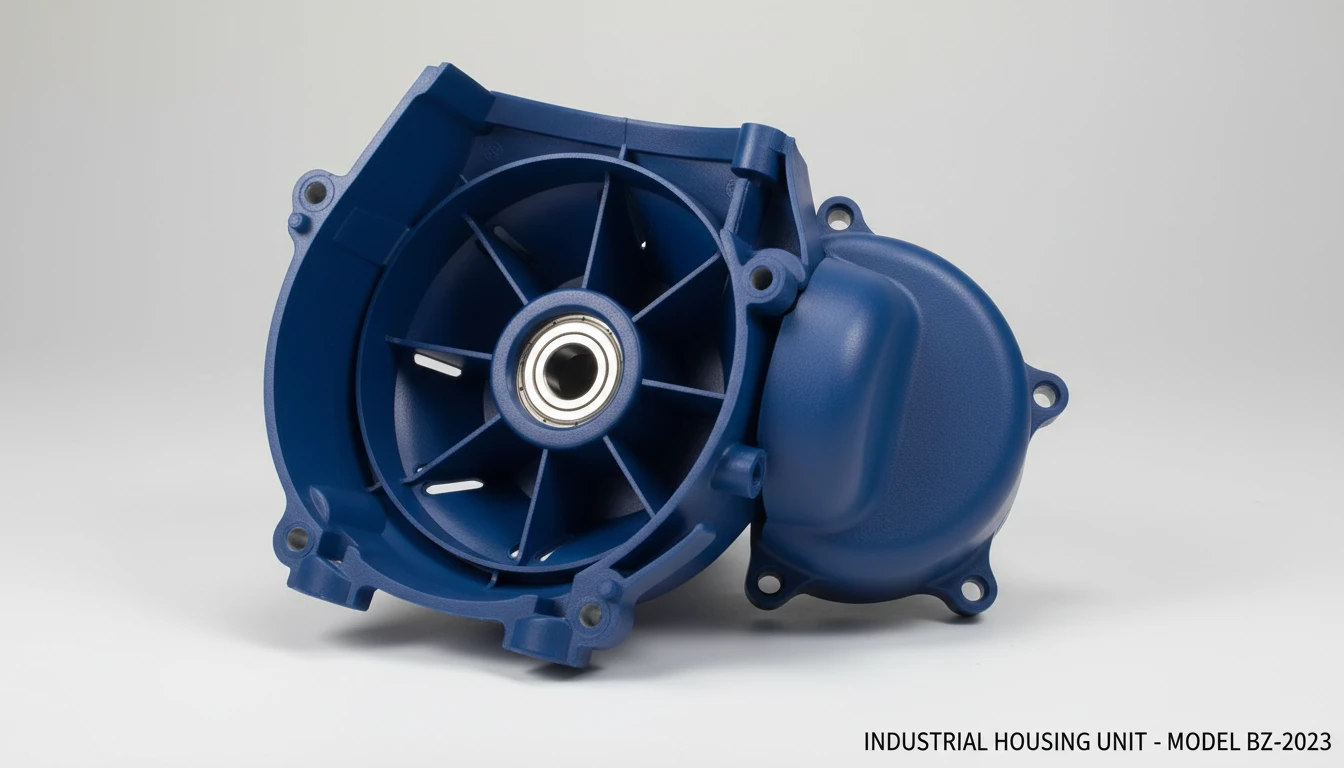
Part consolidation eliminates fasteners, seals, and assembly steps, reducing the Bill of Materials (BOM) and lowering the risk of assembly errors.
Injection molds are precision-engineered and often cost more initially than die-cast tools; however, the lower piece price and elimination of secondary operations result in a quicker ROI.
What Are the Advantages and Disadvantages of Metal-to-Plastic Conversion?
| Feature | Advantages (Plastic) | Disadvantages/Challenges |
|---|---|---|
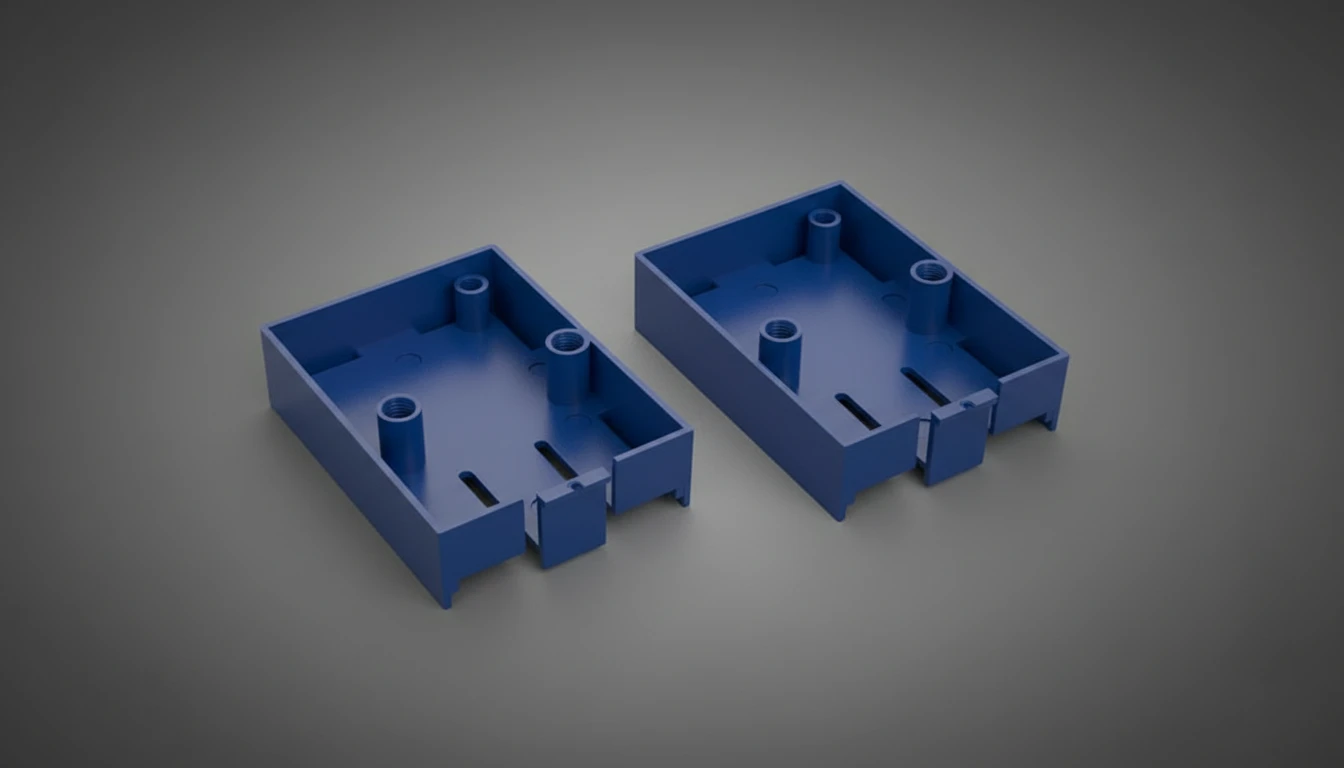
| Corrosion Resistance | Inherently rust-proof; requires no coating/plating. Ideal for corrosion resistance HVAC5 needs (condensate pans). | Certain polymers may degrade under UV exposure if not properly stabilized. |
| Weight | 30–50% lighter than aluminum; 80% lighter than steel. | Low mass may require design changes to dampen vibration/noise in some frequencies. |
| Design Freedom | Complex geometries, snap-fits, and living hinges are possible. | High initial tooling investment; difficult to modify molds once cut. |
| Thermal Conductivity | Low conductivity (insulator), reducing condensation on outer surfaces. | Poor heat transfer makes it unsuitable for heat exchanger coils (unless specialized conductive polymers are used). |
| Cost | Apprenez les facteurs clés dans la sélection des matériaux pour une performance optimale des systèmes CVC. | Material costs for high-performance resins6 (e.g., PEEK, PPS) can be high per pound. |
Where Are These Conversions Applied in the Industry?
The following application scenarios demonstrate where corrosion resistance HVAC and lightweighting properties are most utilized:
- Condensate Drain Pans: Formerly stainless steel, now almost exclusively Polypropylene (PP) or ABS/PC blends to prevent rust and leaks.
- Fan Impellers and Blowers: Glass-filled PA66 replaces aluminum to reduce rotational mass, lowering motor load and noise.
- Valve Bodies and Manifolds: PPS is used to replace brass in hydronic systems due to its resistance to hydrolysis and scale buildup.
- Compressor Housings: Sound-dampening polymers are used to encapsulate compressors, reducing operating noise.
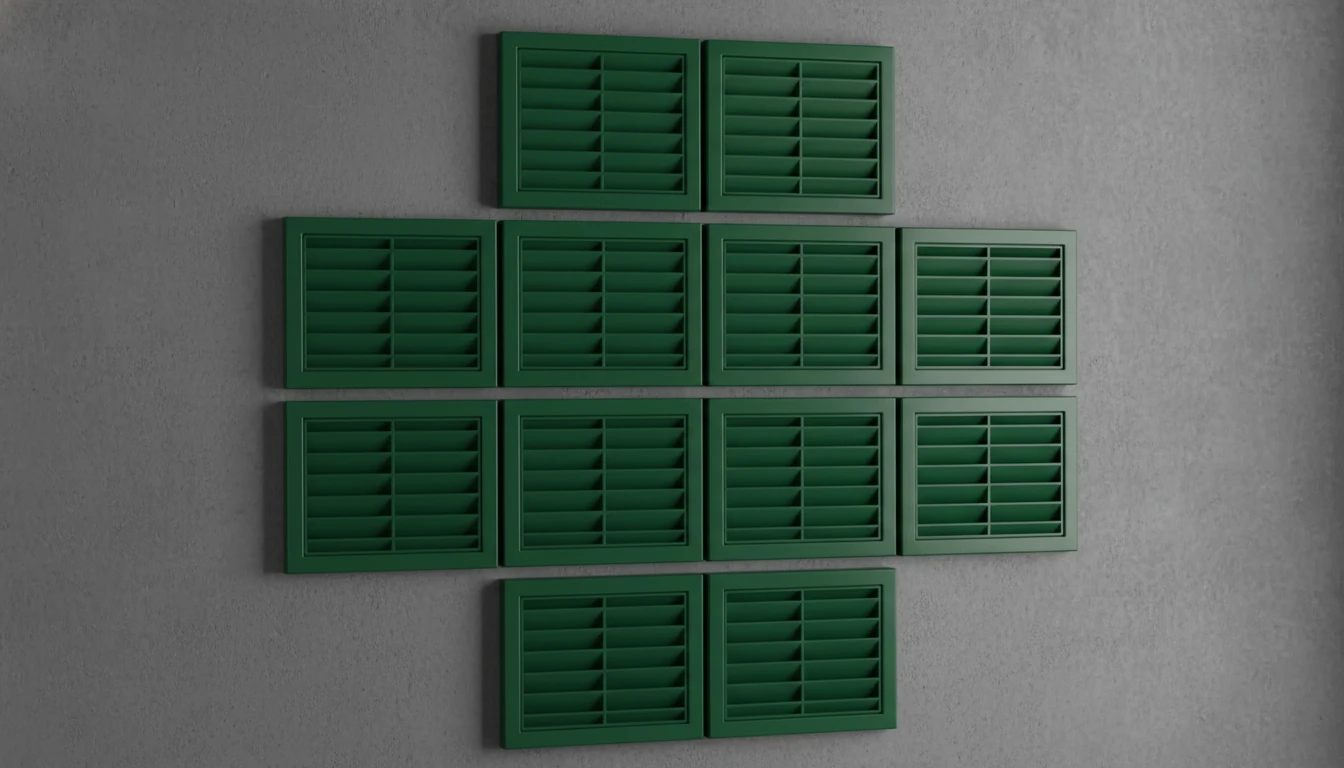
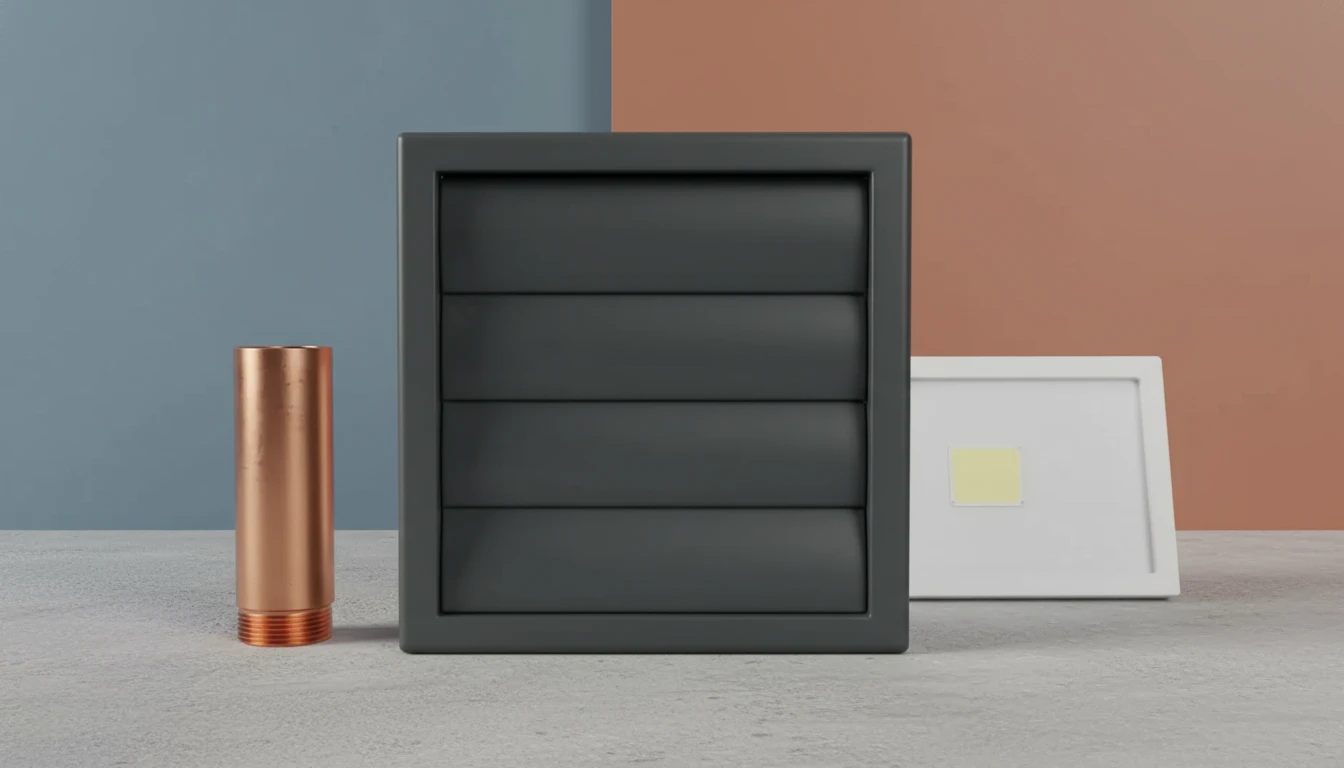
- Grilles and Diffusers: High-impact Polystyrene (HIPS) or ABS allows for aesthetic flexibility and integrated color without painting.
What Steps Should OEMs Take to Implement Conversion?
To ensure a successful transition, follow this stepwise process:
- Feasibility Analysis: Define the environmental conditions (temperature range, chemical exposure, UV).
- Material Selection: Consult with resin suppliers to select a polymer that meets UL 94 flammability and ASTM mechanical standards.
- Design for Manufacturing (DfM): Redesign the part with uniform walls, draft angles, and structural ribs.
- Mold Flow Analysis: Simulate the injection process to predict warpage, fiber orientation, and weld line locations.
- Prototyping: Use 3D printing or soft tooling to validate fit and function before cutting steel.
- Tooling and Validation: Fabricate production molds and perform rigorous testing (thermal cycling, burst pressure) on the initial "T1" samples.
Frequently Asked Questions (FAQ)
1. Can plastic parts really handle the high heat of a furnace environment?
Yes, provided the correct material is chosen. Materials like Polyphenylene Sulfide (PPS) and Polyphthalamide (PPA) have heat deflection temperatures exceeding 260°C (500°F), making them suitable for many near-furnace applications.
2. How does metal-to-plastic conversion improve corrosion resistance in HVAC?
Metals react with oxygen and water (oxidation) or chemicals. Corrosion resistance HVAC solutions utilize polymers which are chemically inert to water, salts, and mild acids found in HVAC condensate, eliminating rust and the need for protective coatings.
3. Will switching to plastic affect the acoustic performance of the HVAC unit?
Generally, it improves it. Plastics have higher inherent damping properties than metals, which helps absorb vibration and reduce noise transmission from motors and fans.
4. Is the tooling cost for injection molding prohibitive for lower volumes?
It can be. Injection molding is most cost-effective for annual volumes exceeding 5,000–10,000 units. For lower volumes, the amortization of the mold cost may not justify the switch unless the functional benefits (weight, corrosion) are critical.
5. Are these engineered plastics recyclable?
Most thermoplastic materials used in HVAC (PA66, PP, PBT) are fully recyclable. They can be reground and reprocessed, aligning with circular economy goals, unlike thermoset plastics or mixed-material metal assemblies which are harder to separate.
Summary
Metal-to-plastic conversion in HVAC manufacturing is a strategic move toward higher efficiency and durability. By replacing heavy, corrodible metal parts with engineered thermoplastics, manufacturers achieve significant HVAC lightweighting, eliminate corrosion failures, and realize substantial manufacturing cost reductions through part consolidation. While the process requires careful material selection7 and design expertise, the long-term benefits in product performance and supply chain efficiency make it an essential practice for modern HVAC OEMs.
-
Explore the versatility of engineered thermoplastics and their role in modern manufacturing. ↩
-
Gain insights into injection molding and its advantages over traditional manufacturing methods. ↩
-
Understanding HVAC lightweighting can help you grasp its significance in energy efficiency and cost reduction. ↩
-
Learn about the factors that affect tooling costs and how to manage them effectively. ↩
-
Find out which materials provide the best corrosion resistance for HVAC applications. ↩
-
Explore the advantages of high-performance resins in enhancing HVAC system durability. ↩
-
Learn the key factors in selecting materials for optimal performance in HVAC systems. ↩





