
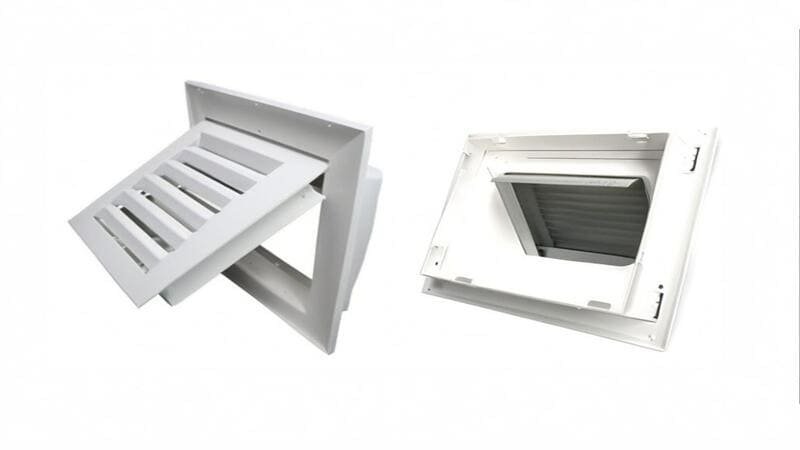
n'est plus une expérience de niche ; c'est une exigence d'approvisionnement pour répondre.
– Post-Consumer Recycled (PCR) materials often require “compatibilizers” to maintain impact strength in structural components.
– Bio-resins like PA11 (Castor Oil-based) are viable for specific high-heat spacers but remain cost-prohibitive for large housings.
– Achieving green building HVAC materials certification often involves blending 30–50% PCR with virgin resin to balance compliance with performance.
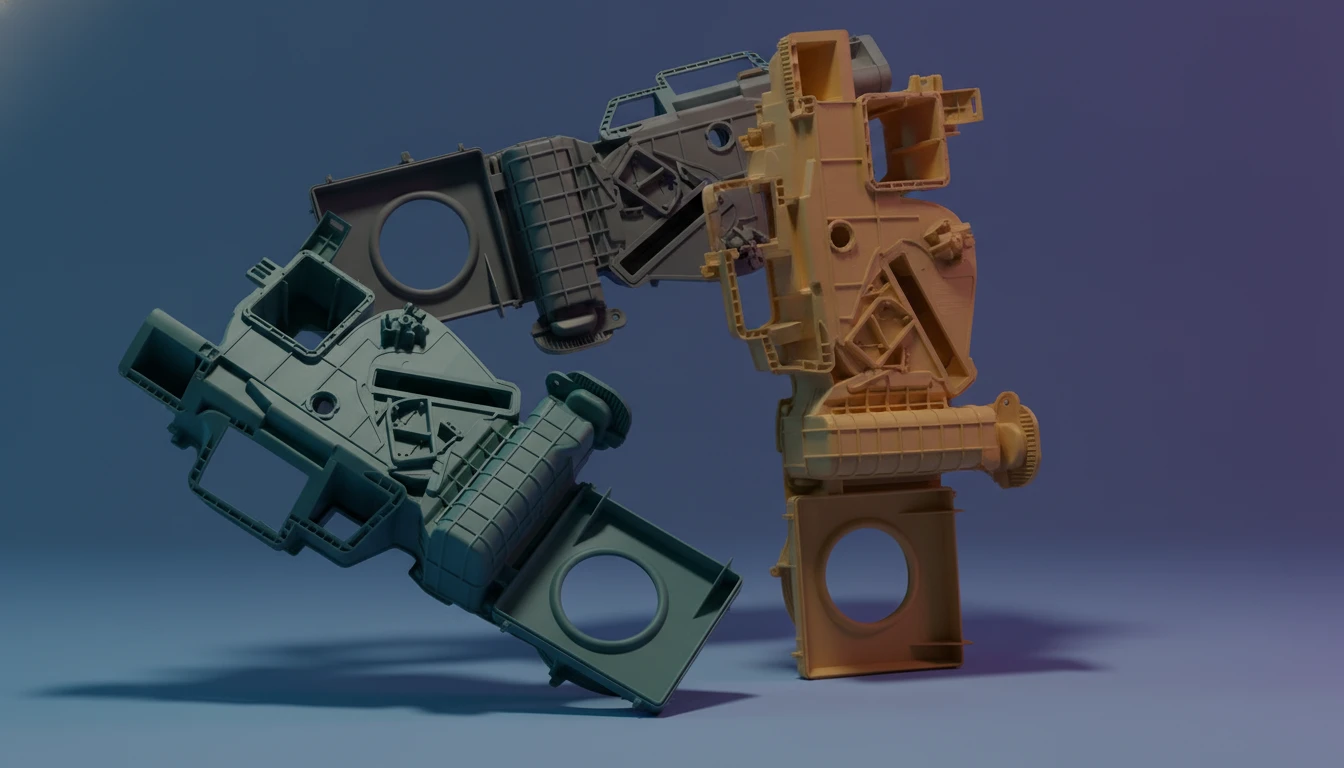
What Defines Sustainable HVAC Manufacturing in the Factory?
In the boardroom, sustainable HVAC manufacturing is about corporate responsibility and carbon footprints. On my factory floor, it is effectively a challenge of managing variability.
When we discuss circular economy manufacturing, we typically manage two distinct material streams:
- Post-Industrial Recycled (PIR): This is the "easy" stream. It consists of our own runners, sprues, and reject parts that we regrind and feed back into the hopper. We know the chemistry; it is safe and predictable.
- Post-Consumer Recycled (PCR): This is the difficult stream. It comes from recycled bottles, automotive scrap, or electronics. It carries contamination risk, degraded polymer chains, and unpredictable rheology (flow behavior).
The operational goal is to integrate these materials to meet LEED (Leadership in Energy and Environmental Design) standards without causing fan blades to shatter or drain pans to crack after five years of thermal cycling.
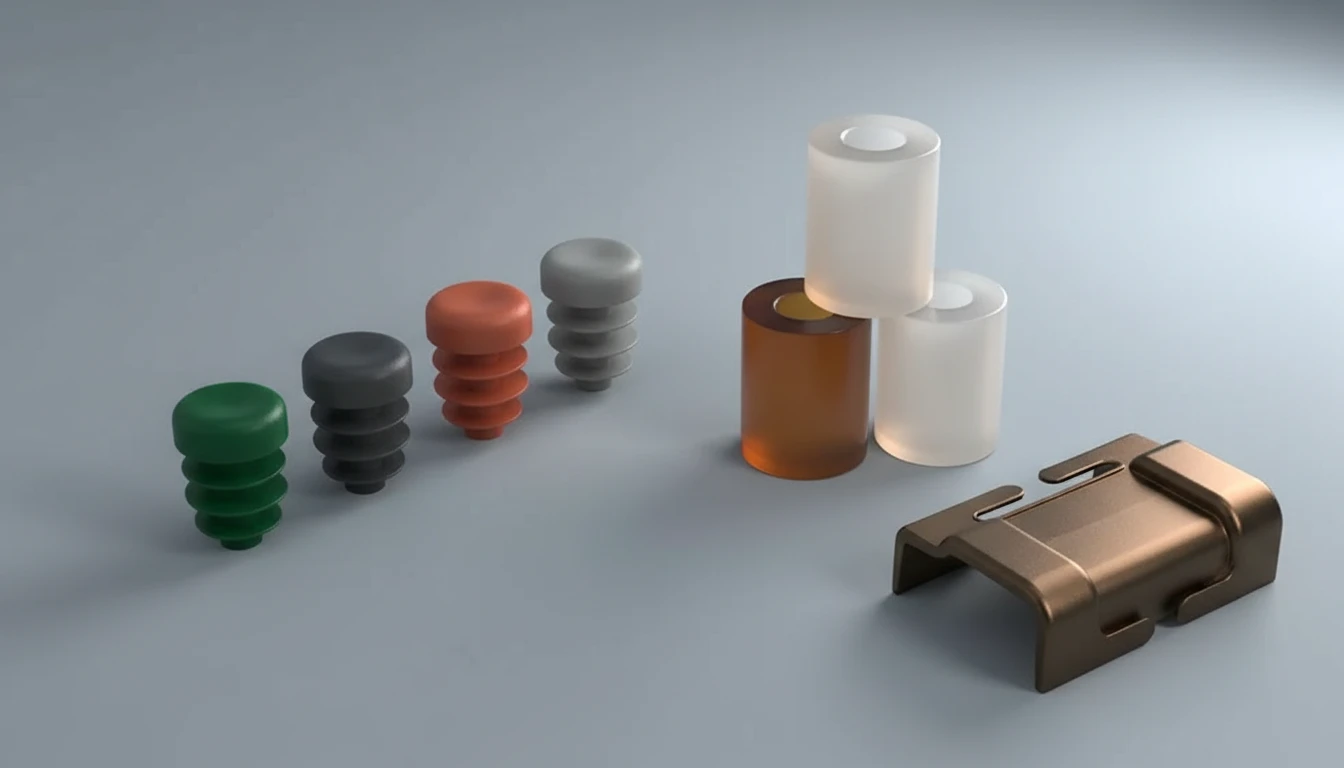
How Do Different Material Classes Compare?
We evaluate sustainable polymers based on three factory metrics: Process Window (how stable it is to mold), Mechanical Integrity, and Cost.
| Material Type | Stability | Heat Deflection | Cost Factor | HVAC Application |
|---|---|---|---|---|
| Virgin PP (Polypropylene) | High | Standard | 1.0x | Standard Base Pans, Fan Blades. |
| PCR PP (Recycled) | Low (Variable MFI) | Lower | 0.8x – 1.2x | Non-structural covers, internal baffles. |
| PCR ABS (Acrylonitrile Butadiene Styrene) | Medium | Medium | 0.9x | Remote control housings, wall vents. |
| Bio-PA (Polyamide 11 – Castor) | High | High | 2.5x – 3.0x | High-heat bushings, valve components. |
| Ocean-Bound Plastic | Very Low | Low | 1.5x | Aesthetic marketing components (Limited use). |
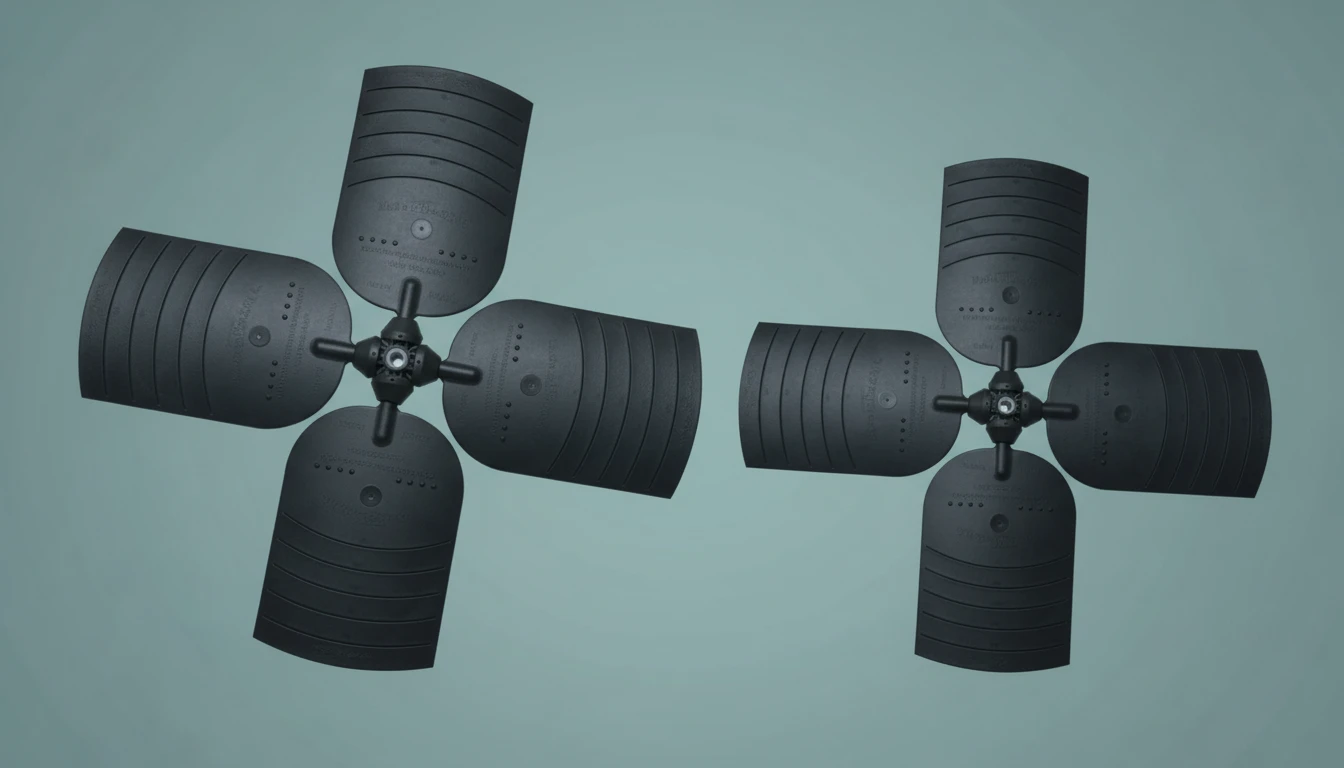
What Are the Real-World Challenges with Eco-Friendly Injection Molding?
In a recent project for a European client requiring La taille de la porte compte : for a wall-mounted AC unit, we attempted to switch the main front panel from Virgin ABS to 100% PCR ABS.
The Failure:
During the T1 trial, we experienced massive "splay" (silver streaks on the surface) and the parts were brittle upon ejection. The PCR material contained trace moisture and microscopic contaminants that gassed off at our standard 230°C melt temperature.
The Fix (Process Optimization):
- Drying Protocol: We doubled the desiccant drying time (4 hours at 80°C) compared to virgin material. PCR absorbs moisture more aggressively due to degradation.
- Filtration: We installed a finer mesh filter nozzle on the injection unit to catch non-melted particles (rubber or metal dust) often found in recycled feedstocks.
- The Blend: We could not run 100% reliably. We settled on a 30% PCR / 70% Virgin blend. This satisfied the "green" requirement while maintaining the UL 94 HB flammability rating and surface finish quality.
Most engineering bio-plastics (like Bio-PET or Bio-PA) are chemically identical to fossil-based plastics; they are simply derived from plants. They are designed for durability and high heat resistance, not biodegradation.
Recycled polymers have shorter molecular chains due to previous heat histories (thermal degradation). This increases the Melt Flow Index (MFI), making the plastic flow easier, often requiring us to back off injection pressure to prevent flash.
How Do Green Building Standards Impact Material Selection?
When architects aim for LEED or BREEAM certification, they look for "Environmental Product Declarations" (EPDs). They specify green building HVAC materials that contribute to the building’s overall sustainability score.
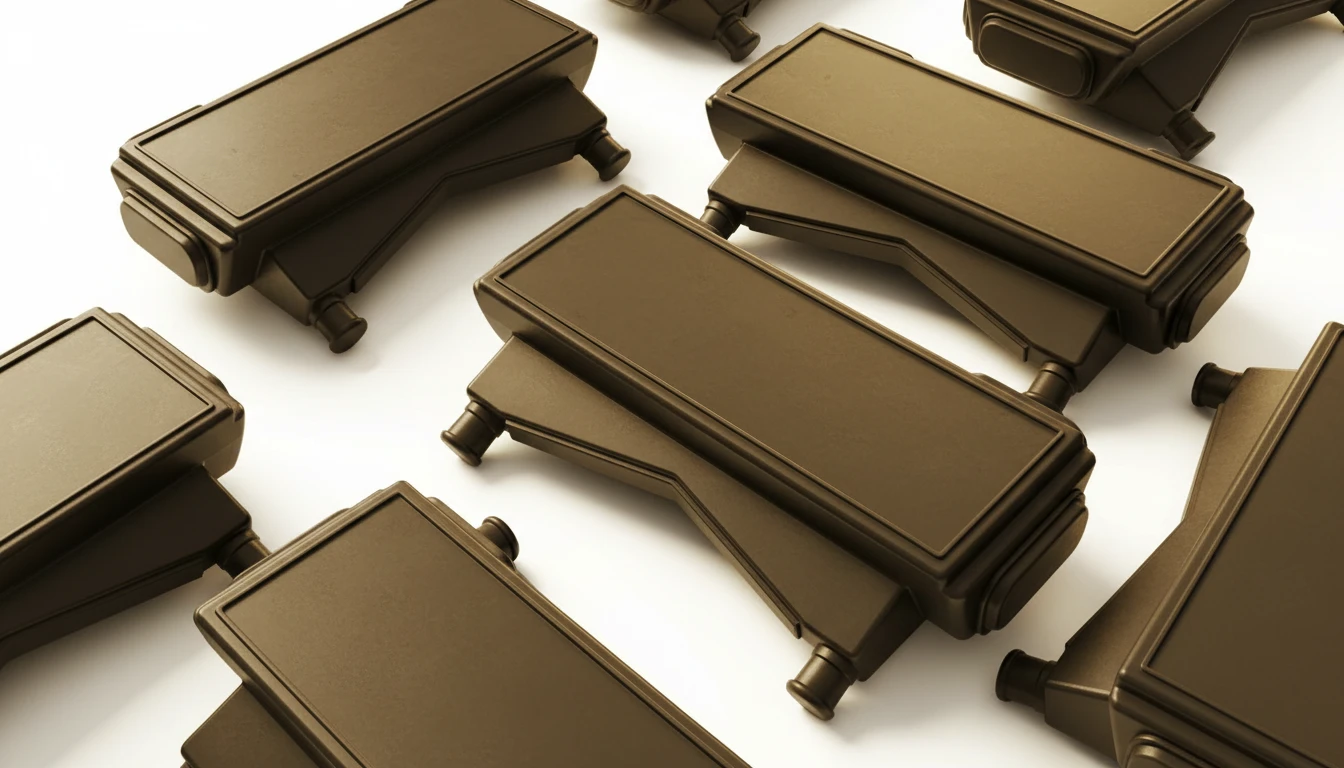
This pressure forces us to innovate, particularly with hidden components like the condensate drain pan.
- The Strategy: Since the drain pan is not visible, we can use "utility grade" black PCR Polypropylene.
- The Benefit: We divert significant waste from landfills.
- The Risk: We must rigorously test for chemical resistance. Some PCR sources contain traces of surfactants or cleaning agents that can react with HVAC coil cleaners, causing stress cracking (ESC). We strictly certify the source of our PCR to avoid "mystery plastic."
What Are the Pros and Cons of Sustainable Polymers?
| Feature | Advantages | Polycarbonate (PC) |
|---|---|---|
| Regulatory Compliance | Meets EU RoHS, REACH, and California mandates for recycled content. | Certification paperwork is heavy; you must prove the "Chain of Custody" for the waste. |
| Marketing | A powerful selling point for premium "Eco-Series" HVAC units. | Aesthetic limitations; PCR is hard to color-match (usually limited to Black or Dark Grey). |
| Cost Strategy | Potential savings if supply chains are stable and volume is high. | High cost of Quality Control (QC) to test incoming batches for contamination. |
Practical Tips for Molders and Designers
- Design for "Downcycling": When designing an HVAC unit, avoid over-molding rubber onto plastic (like soft-touch grips on a remote). It makes the part impossible to separate and recycle later. Use mechanical snap-fits instead.
- Accept Visual Flaws: If you specify recycled plastics in HVAC, you must relax your cosmetic standards. You will see minor "gels" or black specks. Use a heavy texture (like MT-11010) on the mold surface to hide these imperfections.
- Gate Size Matters: Recycled materials often have higher shear sensitivity. I always open up the gates by 10–15% when designing a mold for PCR to reduce shear stress and prevent the material from degrading further during injection.
Recycled resins often have different shrinkage rates (typically higher variance). If tight tolerances are required for assembly, the mold usually requires steel-safe adjustments or completely new core/cavity dimensions.
Grinding up your own factory scrap (sprues, runners, rejects) and immediately re-feeding it into the process eliminates shipping emissions and guarantees material purity, making it the highest-yield sustainable practice.
FAQ: Sustainable HVAC Manufacturing
Can recycled plastics pass UL 94 V-0 fire ratings?
It is difficult but possible. Recycled plastics often have degraded additives. To achieve V-0 (self-extinguishing), we typically have to add fresh flame retardants to the PCR mix, which can make the material brittle. We usually reserve V-0 requirements for virgin material areas (electronics boxes) and use PCR for HB-rated areas (housings).
What are Bio-Resins used for in HVAC?
We see success with Bio-Polyamide (PA) derived from castor oil. It has excellent chemical resistance and heat stability. We use it for fuel lines in oil furnaces or high-heat spacers in heat pumps. It is currently too expensive for large structural housings.
Does using recycled plastic affect the warranty?
It shouldn’t, if tested correctly. However, we typically conduct accelerated life testing (thermal shock, vibration) on PCR parts for double the standard duration to ensure the variability of the material doesn’t lead to premature fatigue failure.
Why is black the most common color for recycled HVAC parts?
Recycled feedstock comes in many colors. To make a consistent product, we add Carbon Black. It overpowers the mix of red, blue, and white base materials, resulting in a uniform black part. It also provides UV protection.
What is the "Circular Economy" in HVAC?
It means designing the unit so it can be dismantled and recycled at the end of its life. This involves avoiding glues, using compatible plastics (mono-material construction), and marking all plastic parts clearly with ISO codes (e.g., >PP-TD20<) so recyclers know exactly what they are processing.
Technical Summary
Integrating recycled plastics in HVAC and bio-resins is no longer a niche experiment; it is a procurement requirement for meeting green building standards. https://hvacoretech.com/wp-content/uploads/2025/09/百叶窗3.jpeg bio-resins remain specialized due to cost, the industry is standardizing on blended PCR/Virgin Polypropylene and ABS for housings and pans. Success in this transition relies on robust factory controls: stringent feedstock testing, modified injection parameters (lower pressure, better filtration), and design allowances for wider material tolerances. The future of HVAC manufacturing requires not just airflow efficiency, but material loop efficiency.





