
– Scale Strategy: Achieving fractions of a cent per part requires high-cavitation tooling (32+ cavities) or stack molds to double output without increasing press tonnage.
– Material Economy: Utilizing regrind (recycled runner systems) and commodity resins like PP or PE is essential for cost control in non-structural consumables.
– Cycle Time Dominance: Every second counts. Conformal cooling channels and hot runner systems are mandatory to push cycle times under 10 seconds.
– Automation Integration: High-volume production fails if packing is manual. In-line robotic picking, stacking, and boxing are critical for profitability.
What Are HVAC Consumables in a Manufacturing Context?
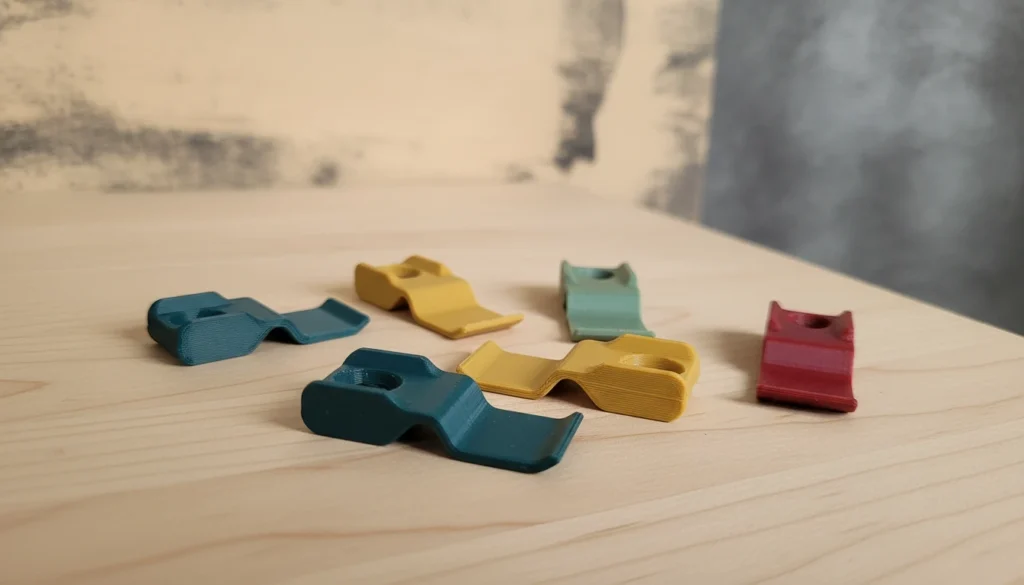
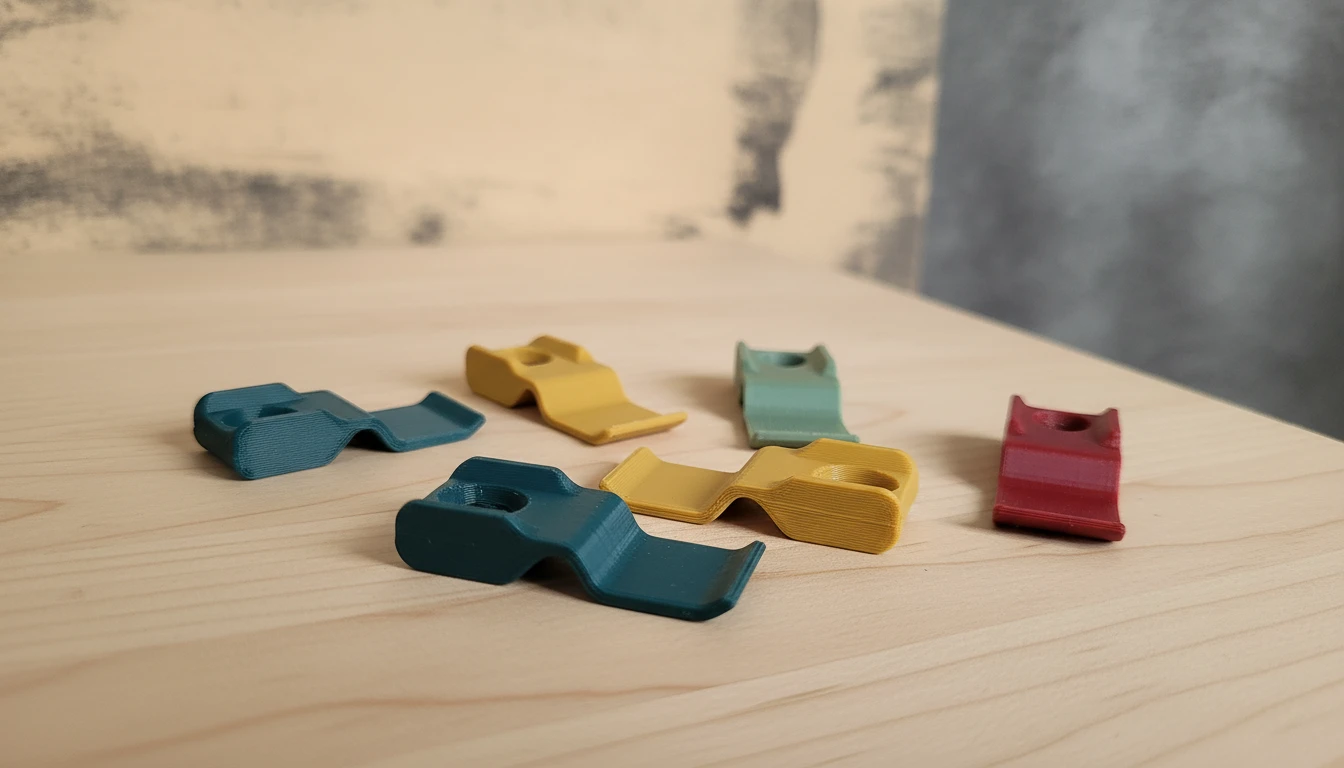
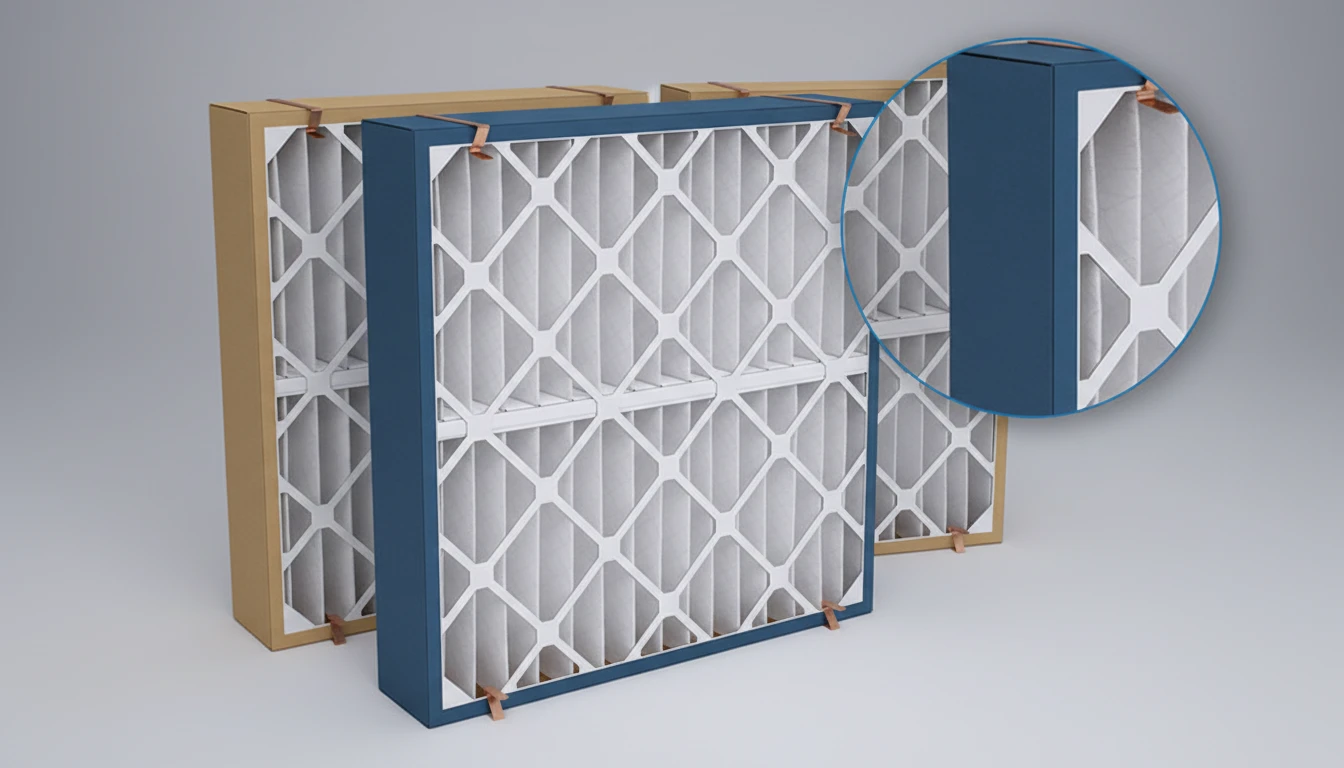
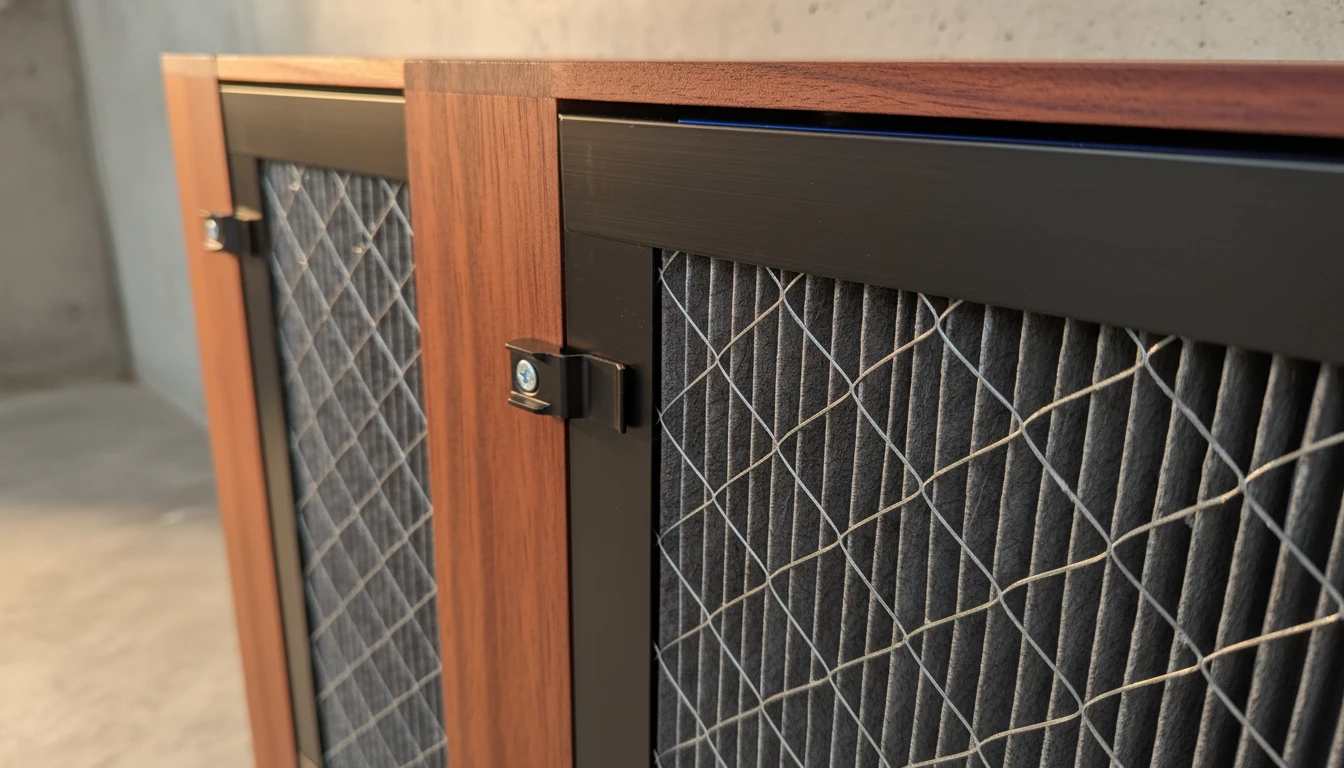
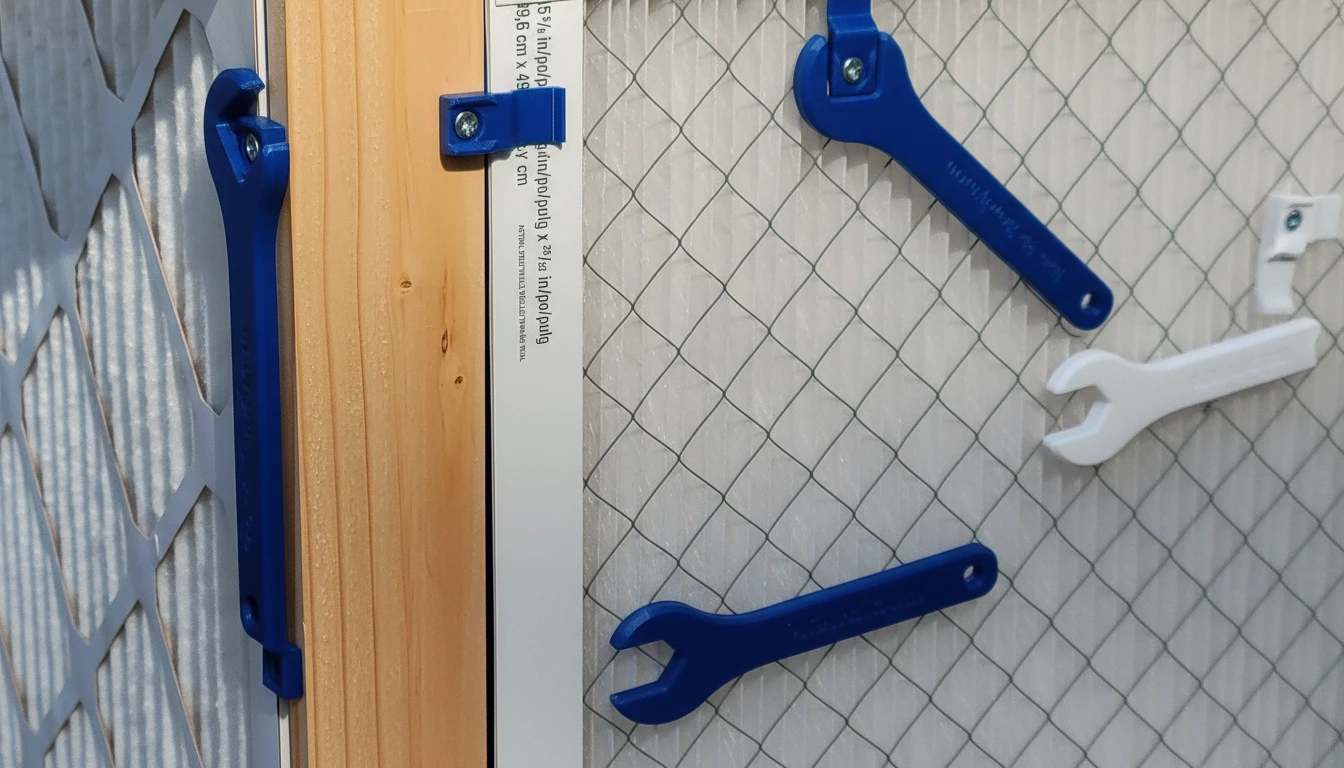
In the HVAC industry, "consumables" refers to the low-cost, high-volume plastic components that installers use by the bag-load, or that OEMs install in every single unit produced. This includes HVAC filter frame molding, mounting clips, cable ties, and line-set supports.
Unlike the complex housing of a thermostat, these parts are defined by extreme cost sensitivity. A difference of $0.005 per part determines profitability. Therefore, high volume injection molding for these components is not about "perfect" cosmetics; it is about speed, repeatability, and minimizing waste (scrap).
Key Parameters: Low-Volume vs. High-Volume Strategy
To succeed in plastic clips manufacturing, the production parameters must shift aggressively toward efficiency.
| Parameter | Standard Structural Part | High-Volume Consumable (Clip/Frame) | Manufacturing Implication |
|---|---|---|---|
| Mold Cavitation | 1, 2, or 4 cavities | 16, 32, 64, or Stack Molds | Requires higher precision mold making to ensure balanced filling across all 64 cavities. |
| Cycle Time | 30–60 seconds | 6–12 seconds | Requires aggressive cooling and high-speed injection presses (accumulators). |
| Runner System | Cold Runner (generating waste) | Hot Runner / Valve Gate | Eliminates the "sprue" waste, which is crucial when the part weighs less than the runner. |
| Tool Steel | P-20 (Pre-hardened) | H-13 or S-7 (Hardened) | Molds must withstand millions of cycles without flash developing at the parting line. |
Process: Strategies for Mass Production
When we set up a line for HVAC consumables, we don’t just put a mold in a press. We design a manufacturing cell. Here is the workflow for optimizing a filter frame or clip project:
1. Mold Design: The Multi-Cavity Approach
For a standard mounting clip, we utilize multi-cavity molds.
- Factory Reality: If we need 5 million clips a year, a 4-cavity tool running 24/7 isn’t enough. We build a 32-cavity tool. The challenge is "cavity balance"—ensuring cavity #1 and cavity #32 fill at exactly the same pressure. If unbalanced, #1 flashes while #32 is a short shot.
2. Hot Runner Implementation
In HVAC filter frame molding, the frame is thin and creates a large "window." A cold runner system would create a massive web of scrap plastic in the middle.
- Solution: Pourquoi les pinces en plastique se cassent-elles lors de l'installation en hiver ?.
3. Ejection Techniques: "Bump-Off" vs. Slides
Clips usually have undercuts (the "hook"). Using mechanical slides adds cost and slows the mold.
- Technique: For appropriate materials (like Polypropylene or Nylon), we design for "bump-off" ejection. The ejector pins push the part, and the plastic momentarily deforms (stretches) to snap off the steel core. This allows for faster cycles and denser cavity layout.
4. Automated Handling
When a mold opens and drops 64 clips every 8 seconds, a human operator cannot catch them.
- Automation: We use free-drop systems with under-press conveyors and diverters that fill boxes by weight. For filter frames, we use 3-axis robots to pick the frames and stack them directly into shipping cartons to prevent warpage while they are still warm.
A 'family mold' makes different parts (e.g., Clip A and Clip B) in the same mold. In high-volume production, this is a disaster. If Clip A has a defect, you must stop producing Clip B to fix the mold. Dedicated, single-SKU molds are required for stability and efficiency.
A stack mold has two parting lines (faces) stacked back-to-back. When the mold opens, parts eject from both sides simultaneously. This doubles the output (e.g., 32 + 32 cavities) using the same clamping tonnage as a single-face mold.
Advantages and Disadvantages of High-Volume Tactics
| Feature | Advantages | Polycarbonate (PC) |
|---|---|---|
| Hot Runner Systems | faster cycle times; zero material waste; lower pressure drop. | High upfront cost ($2k-$3k per drop); difficult to change colors (e.g., black to white). |
| Bump-Off Ejection | Simpler mold design; more cavities per square inch; faster mechanical action. | Limited to flexible materials; requires precise control of ejection speed to avoid whitening/stress marks. |
| Regrind Utilization | significantly reduces raw material cost (crucial for consumables). | Process instability; variation in viscosity can cause short shots; lower mechanical properties. |
Practical Tips for Consumables Manufacturing
-
Material "Dry-Blended" Reinforcement:
For plastic clips manufacturing, pure virgin Nylon (PA66) is expensive. We often use a "salt and pepper" blend of virgin material and high-quality industrial regrind. However, you must install magnetic separators in the hopper to catch any metal fines from the grinder, or you will destroy your hot runner tips. -
Filter Frame Warpage Control:
Filter frames are long, thin squares. They love to bow inwards (hourglass shape) as they cool.- Fix: We bow the mold steel slightly outwards (pre-compensation). We also use "differential cooling"—running the core side of the mold cooler than the cavity side—to intentionally induce stress that counteracts the natural warp.
-
Gate Location on Clips:
Never gate a clip at the point of high stress (the flex point). The gate area usually has residual stress and brittle crystalline structure. Gate on the thickest, non-moving part of the body to ensure the snap-arm remains flexible and robust.
HVAC Application Scenarios
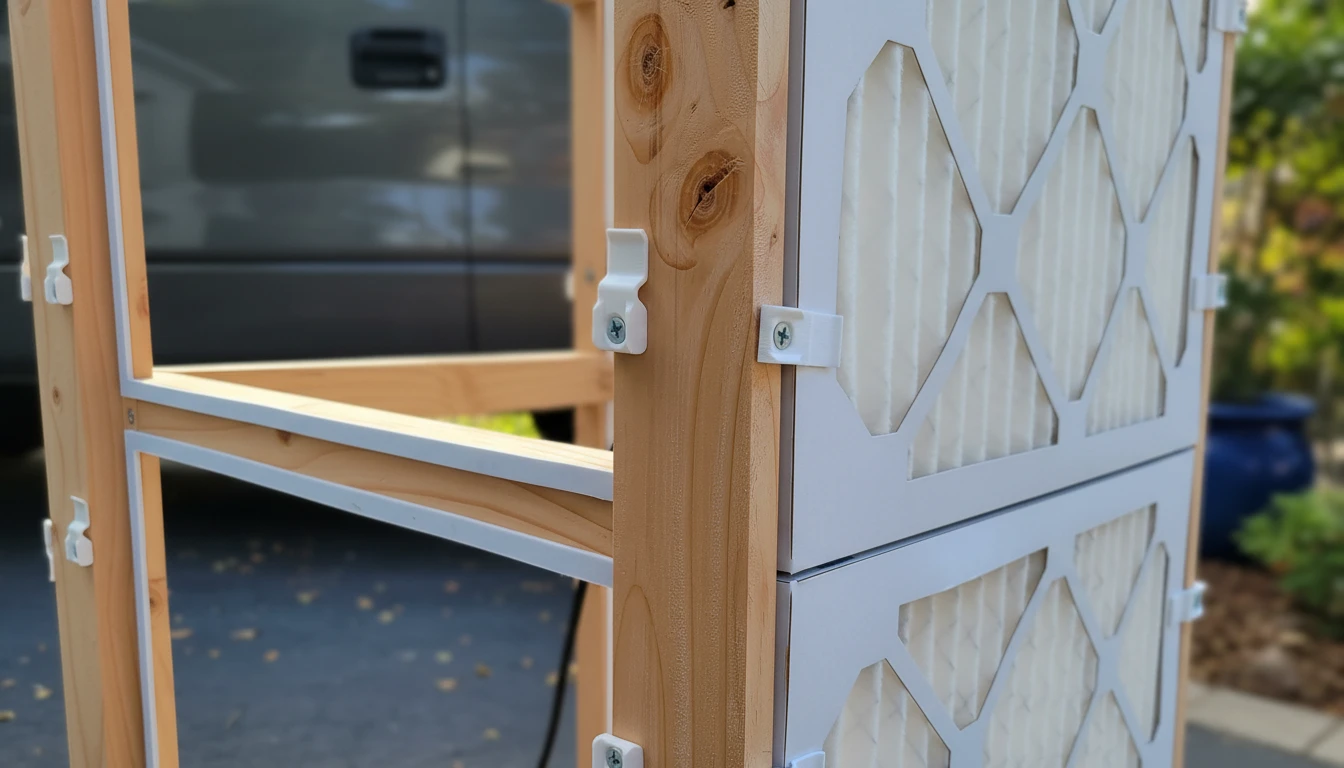
- Filter Frames: Typically Polypropylene (PP) or High-Impact Polystyrene (HIPS). We often use insert molding to bond the filter mesh directly into the plastic frame, eliminating the gluing step entirely.
- Lineset Covers & Clips: These require UV stability (ASA or PVC). High-volume extrusion is often used for the long straight covers, while injection molding handles the corner elbows and joiners.
- Vibration Isolator Mounts: These are "two-shot" consumables. We mold a rigid ABS core and overmold a soft TPE footer in a high-cavity rotary mold. This replaces the old method of buying a plastic part and gluing on a rubber pad.
Filter frames are non-structural and often hidden. Using 10-20% high-quality regrind (recycled runner material) is standard industry practice to keep costs down without compromising the frame's ability to hold the filter media.
Conformal cooling channels are 3D-printed or sintered to follow the exact contour of the part, rather than straight drilled lines. This extracts heat much faster, allowing parts to be ejected seconds sooner—a massive gain when producing millions of units.
FAQ: High-Volume Production Queries
What is the minimum volume to justify a hot runner mold?
Generally, if you are producing over 50,000 to 100,000 parts per year, the material savings from eliminating the sprue/runner often pay for the hot runner system within 12 months.
How do you ensure quality when producing 50,000 parts a day?
We cannot inspect every part. We use "Scientific Molding" principles (monitoring pressure/time curves) to reject any shot that deviates from the standard process window automatically. We also use vision systems to check for "short shots" (incomplete filling) on the conveyor belt.
Can you mold filter frames with the mesh already inside?
Yes, this is called Insert Molding. The filter media is robotically placed into the mold, and the plastic frame is injected around the edges. This creates a superior bond compared to cardboard frames but increases the cycle time.
Why do plastic clips break during winter installation?
Optimisation des Consommables de CVC grâce au Moulage par Injection Efficace impact-modified Nylon or condition the parts (steam bath) before shipping to restore moisture content.
What are the best materials for cheap but strong clips?
Acetal (POM) is excellent for spring-like clips (high memory, low friction) but difficult to mold (gassing). Polypropylene (PP) is the cheapest but creeps (stretches) under load. Nylon (PA66) is the strongest but most expensive.
Technical Summary
High-volume production of HVAC consumables like filter frames and clips is a game of margins. It requires a departure from standard molding practices, prioritizing multi-cavity tooling, hot runner efficiency, and automated handling. By utilizing stack molds and optimized cooling strategies, we turn plastic clips manufacturing into a highly efficient, continuous process that delivers millions of units at the lowest possible piece price, ensuring the supply chain for HVAC installation remains fluid and cost-effective.





