
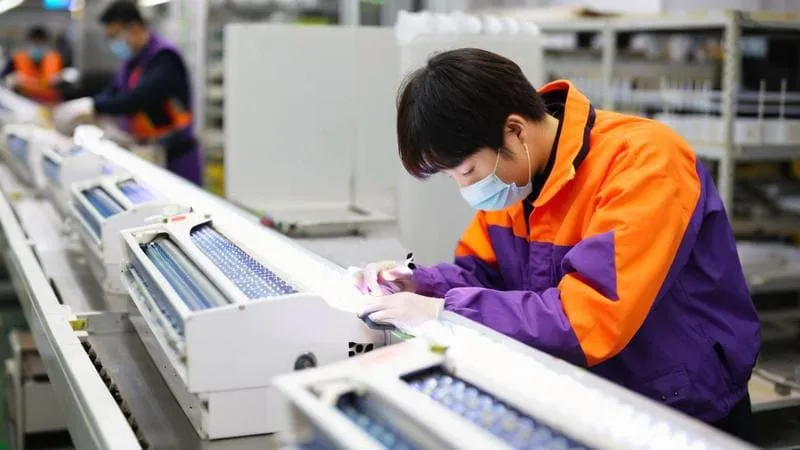
– Overmolding combines rigid substrates with elastomeric layers to create integral seals, eliminating manual gasket assembly.
– Using soft-touch materials (TPE/TPV) significantly lowers NVH (Noise, Vibration, Harshness) by decoupling vibrating components.
– Chemical compatibility between the rigid substrate and the overmold material is the single most critical factor for bond success.
– While tooling costs for 2-shot molding are higher, the reduction in labor and quality claims often yields a positive ROI for high-volume HVAC parts.

What is Overmolding in the HVAC Context?
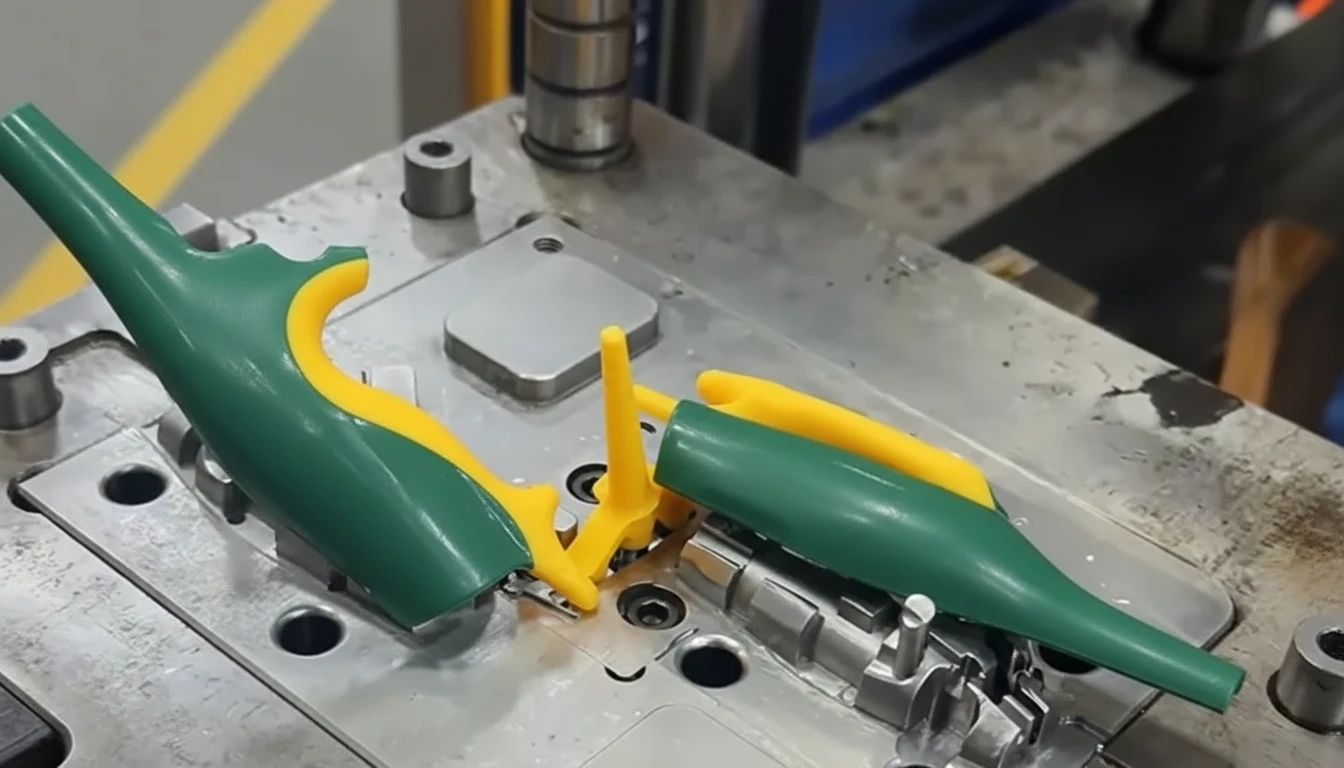
In the world of overmolding HVAC parts, we are rarely talking about making a handle feel "soft" for the user, as you might see in power tools. In our industry, overmolding is a functional engineering solution. It involves molding a rigid plastic substrate (typically Polypropylene or Nylon) and then molding a soft elastomeric layer (Thermoplastic Elastomer or TPE) directly over or onto it.
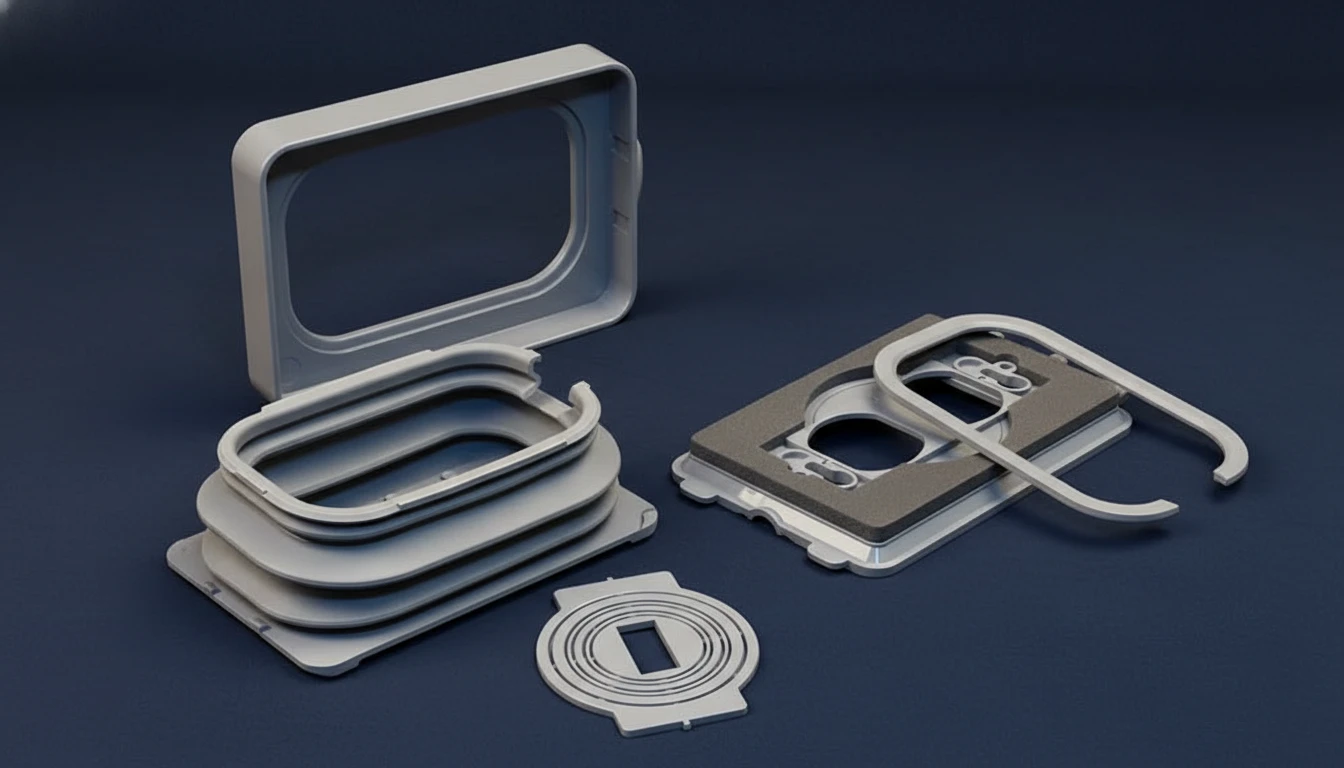
This process allows us to integrate gasket overmolding directly into the part geometry. From my time on the factory floor, I can tell you that eliminating the manual application of foam tape or glued rubber gaskets changes everything. It removes operator error, ensures a consistent airflow seal every single time, and significantly aids in HVAC vibration dampening.
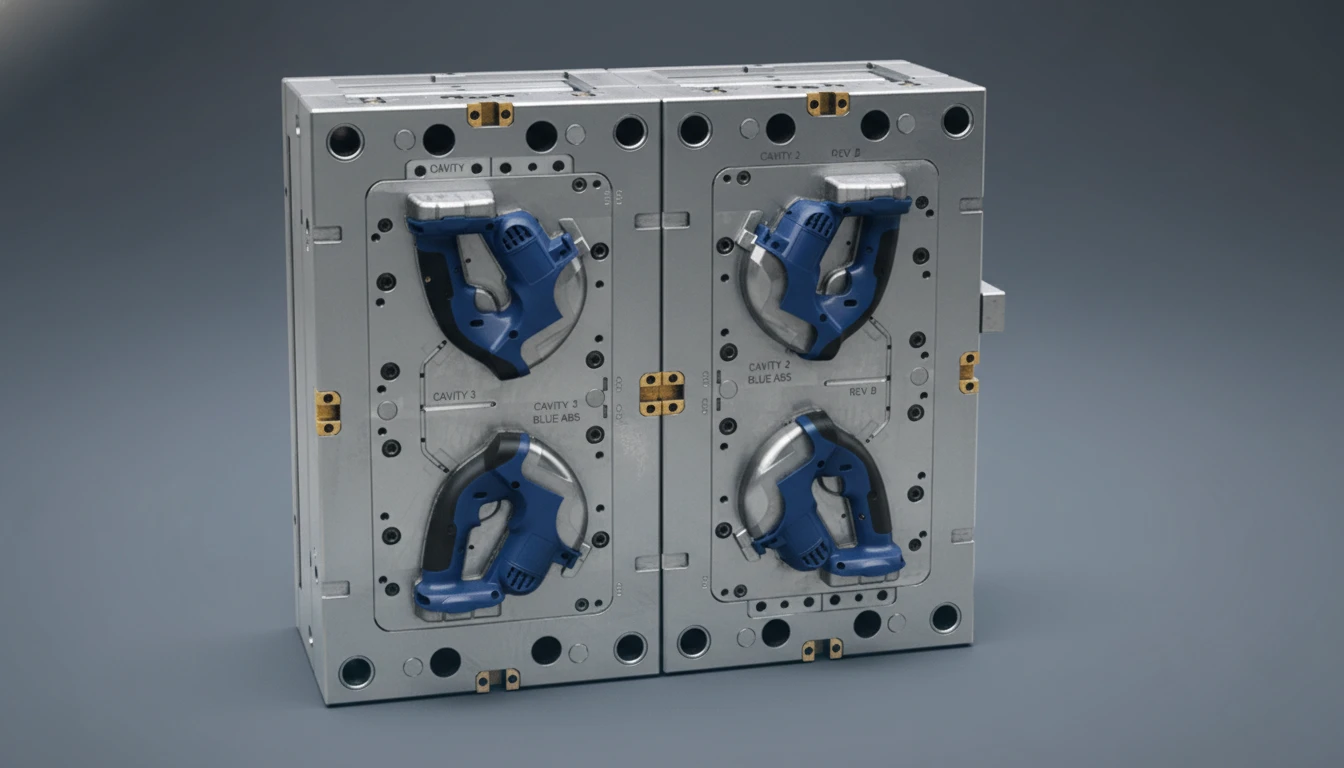
What Materials Work Best for HVAC Overmolding?
The success of soft-touch molding in HVAC relies heavily on material science. We need the rigid part to hold tolerance and the soft part to maintain a "compression set" (the ability to bounce back after being squeezed) even after years of thermal cycling.
Here are the typical material pairings we use in production:
| Rigid Substrate | Overmold Material | Bond Type | Typical HVAC Application |
|---|---|---|---|
| Polypropylene (PP) | TPE / TPO | Chemical Bond | Air damper blades, housing seals, drain pan plugs. |
| Nylon (PA6/PA66) | TPV / TPE | Mechanical/Chemical | Motor mounts, actuator gears, high-heat structural clips. |
| ABS / PC-ABS | TPU / TPE | Chemical Bond | Thermostat dials, user interface buttons, cosmetic vents. |
| Metal (Insert) | EPDM / Silicone | Adhesive/Mechanical | Valve seats, vibration isolators for compressors. |
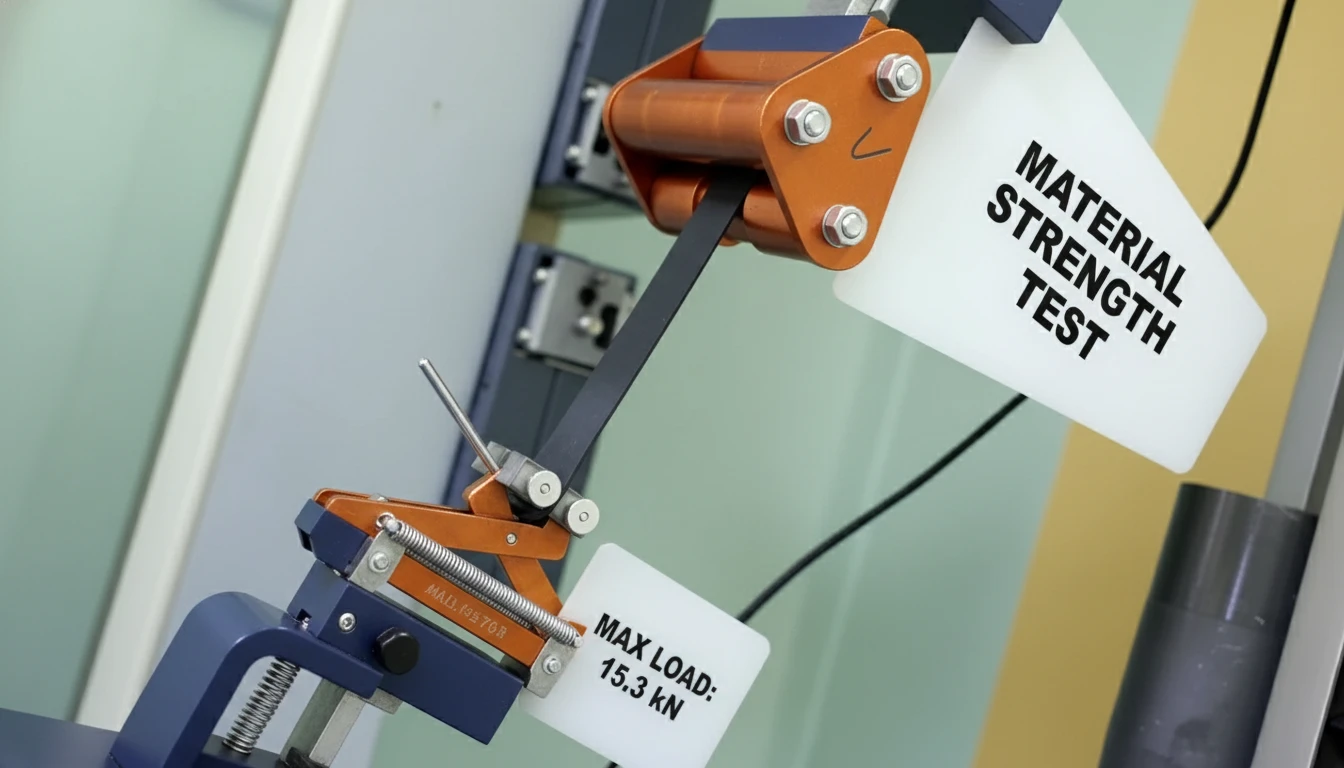
Case Study: Solving the "Rattle" in a Zone Control Damper
The Challenge:
On a project for a residential zoning system, we faced a persistent quality issue. The motorized damper blade—originally a single piece of injection-molded ABS with a manually applied foam gasket—was failing. The foam would degrade after two seasons of heating, or the adhesive would dry out, causing the gasket to detach. This led to air leakage (bypassing the zone) and, worse, a loud "clacking" noise every time the damper closed, generating customer complaints about noise reduction in HVAC.
The Factory-Floor Solution:
- Redesign for 2-Shot Molding: We redesigned the damper blade to be produced in a rotary platen mold.
- Material Selection:
- Shot 1 (Rigid): TPEとTPRの違いは何ですか?.
- Shot 2 (Soft): A customized TPV (Thermoplastic Vulcanizate) with a Shore A hardness of 40.
- Process: The mold rotates 180 degrees. The rigid blade is molded first, then the TPV is injected directly onto the sealing edge.
The Result:
The "clack" was eliminated because the soft TPV edge absorbed the impact of closing against the duct stop. The air seal was hermetic (Class 1 leakage rating). Most importantly, we eliminated the manual labor station for gasket application, reducing cycle time per unit by 45 seconds.
While chemical affinity is crucial, HVAC parts subject to shear forces (like damper seals) should always include mechanical interlocks or 'ribs' to physically anchor the soft material to the rigid substrate.
By integrating elastomeric layers at contact points, overmolding decouples vibrating components (like fans or motors) from the rigid chassis, dampening sound transmission.
Step-by-Step: The Manufacturing Process for NVH Reduction
When we design for HVAC vibration dampening, the process flow is distinct from standard injection molding.
- 1. 高温HVACコンプレッサーに最適なTPE材料はどれですか? We inject the rigid "skeleton." For a fan shroud, this is the structural plastic that bolts to the unit.
- Mold Transfer:
- Insert Molding: A robot moves the rigid part to a second cavity (or a second machine).
- Multi-Shot (2K): The machine rotates the mold core to the second position immediately.
- Overmold Injection: The TPE/TPV is injected.
- Crucial Parameter: The melt temperature of the overmold material must be close to the melt temp of the substrate to trigger a chemical melt-bond at the interface, but not so hot that it deforms the rigid part.
- Cooling & Ejection: Because TPEs are rubber-like, ejection can be tricky. We often use air poppets instead of ejector pins to push the soft part off the tool without tearing it.
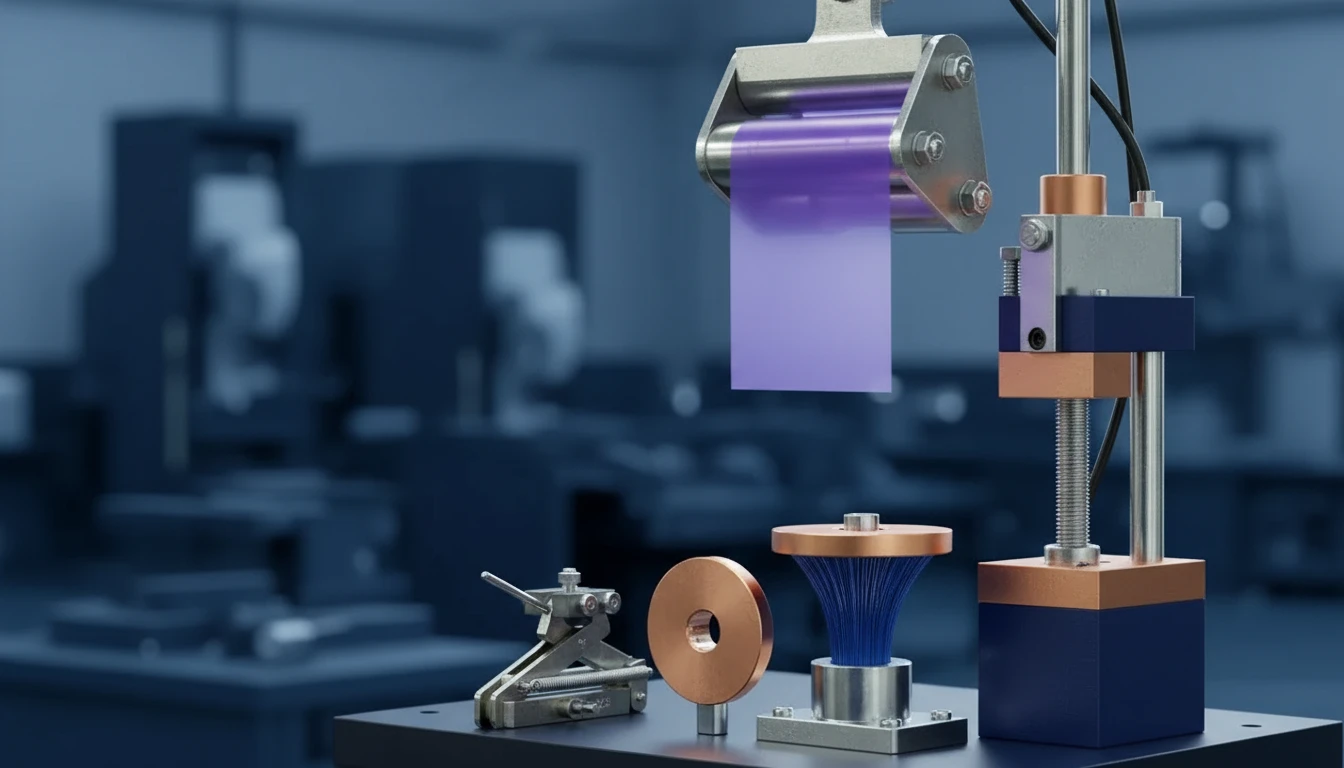
What Are the Advantages and Disadvantages?
| Feature | Advantages | Disadvantages |
|---|---|---|
| Sealing Performance | Creates a seamless, watertight, and airtight bond. No gaps for leakage. | If the seal is damaged, the entire part must be scrapped; it cannot be re-gasketed easily. |
| Assembly | Eliminates glues, screws, and manual gasket placement. Reduces SKU count. | Tooling costs are significantly higher (often double) due to complex mold mechanics. |
| Durability | Overmolded materials (like TPV) generally outlast foam tapes and adhesives in thermal environments. | Material selection is limited by chemical compatibility; you can’t just pick "any" rubber. |
| NVH Control | Directly isolates vibration at the source (e.g., motor mount interface). | Requires precise process control; "peeling" can occur if parameters drift. |
Practical Tips for HVAC Molders and Designers
Over the years, I’ve learned that overmolding HVAC parts requires attention to details that don’t appear in the datasheet:
- Watch the Shut-offs: When molding TPE onto a rigid substrate, the steel mold must "crush" against the rigid plastic to stop the TPE from flashing. If you crush too hard, you crack the rigid part. If you crush too light, you get flash that ruins the seal. Precision tooling is non-negotiable.
- Gate Location Matters: Never gate the soft material at a thin edge or a high-wear area. The high shear at the gate makes the material susceptible to peeling. Gate in a thick section and flow outward.
- Compression Set is King: For HVAC seals, "Shore A Hardness" isn’t enough. You must look at the "Compression Set" data at 70°C or higher. If the material flattens out and stays flat after a hot summer in an attic, the seal will fail when winter comes.
2-Shot requires expensive rotary molds and specialized machines. For lower volume HVAC parts (under 10,000 units/year), insert molding (transferring parts manually) is often cheaper due to lower tooling investment.
TPVs contain cross-linked rubber particles dispersed in a thermoplastic matrix, giving them superior performance in high-temperature HVAC environments compared to standard styrene-based TPEs.
FAQ: Overmolding in HVAC Manufacturing
What is the difference between TPE and TPV バーモールディング HVACシーリングと振動制御の革新
TPE (Thermoplastic Elastomer) is a broad category. TPV (Thermoplastic Vulcanizate) is a specific type of TPE that has chemically cross-linked rubber particles. For HVAC, TPV is generally superior because it resists compression set better at high temperatures and handles exposure to oils and HVAC coil cleaners better than standard TPEs.
Can we overmold a seal onto a metal blower housing?
Yes, but this is usually done via "insert molding." The metal part is loaded into the mold, heated (to improve adhesion), and then the plastic/rubber is injected. Adhesion to metal usually requires a bonding agent (primer) or mechanical locking features (holes the plastic flows through).
How much does overmolding reduce noise?
It varies, but isolating a blower motor with overmolded grommets can reduce structure-borne noise by 5–10 dB. It effectively breaks the vibration path between the motor and the sheet metal cabinet.
Is an overmolded part recyclable?
This is a challenge. While both materials (e.g., PP and TPE) are thermoplastics, separating them is difficult. However, because they are often from the same olefin family, they can sometimes be reground together and used for low-grade applications, though this is less common than recycling pure materials.
Why is my overmolded seal peeling off?
Peeling is usually caused by three things: 1) Incompatible materials (chemistry doesn’t match), 2) Cold substrate (the rigid part was too cold when the soft shot hit it), or 3) Contamination (if insert molding, the rigid part had dust or oil on it).
Technical Summary
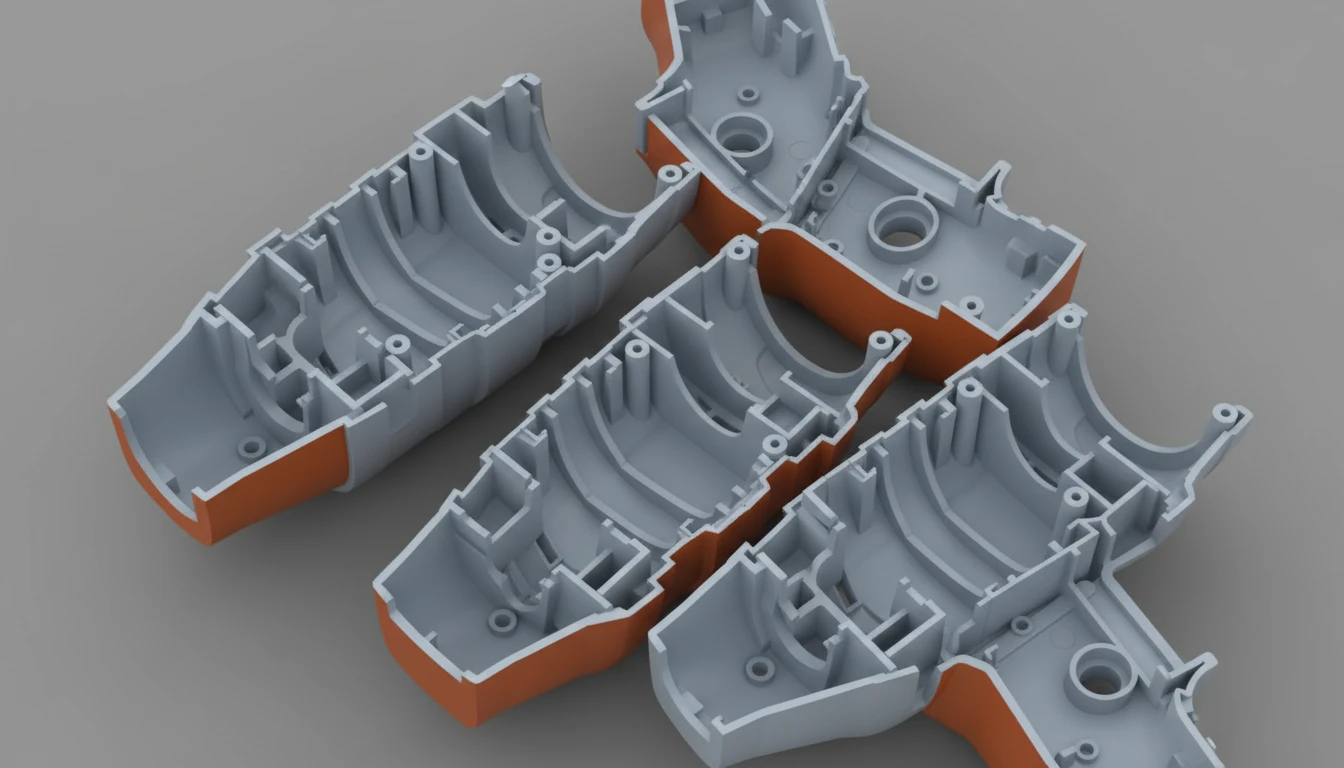
Overmolding is a transformative process for HVAC plastic components, moving beyond simple aesthetics to critical functionality. By integrating gasket overmolding and vibration dampening features directly into the mold, manufacturers can produce parts that are leak-proof, quieter, and faster to assemble. While the upfront tooling cost for 2-shot molding is high, the elimination of secondary assembly labor and the long-term reliability of the seal make it the standard for high-performance HVAC systems.





