

– Encapsulating metal components directly into plastic significantly reduces secondary assembly labor and costs.
– Pre-heating metal inserts is critical to prevent thermal shock and “hoop stress” cracking in the finished part.
– Insert molding offers superior pull-out strength and torque resistance compared to heat-staking or ultrasonic welding.
– Vertical injection molding machines are preferred for this process to utilize gravity for stable insert placement.
What is the Insert Molding Process in the Context of HVAC?
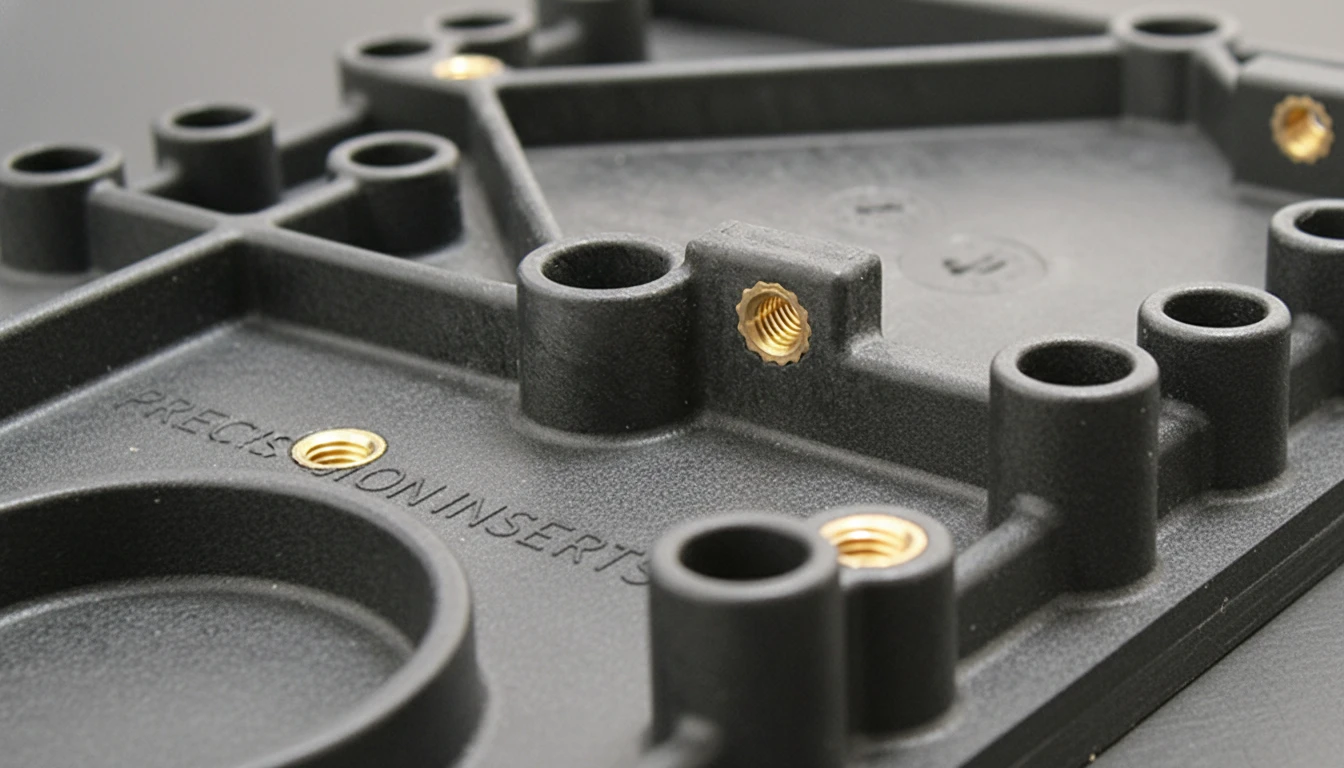
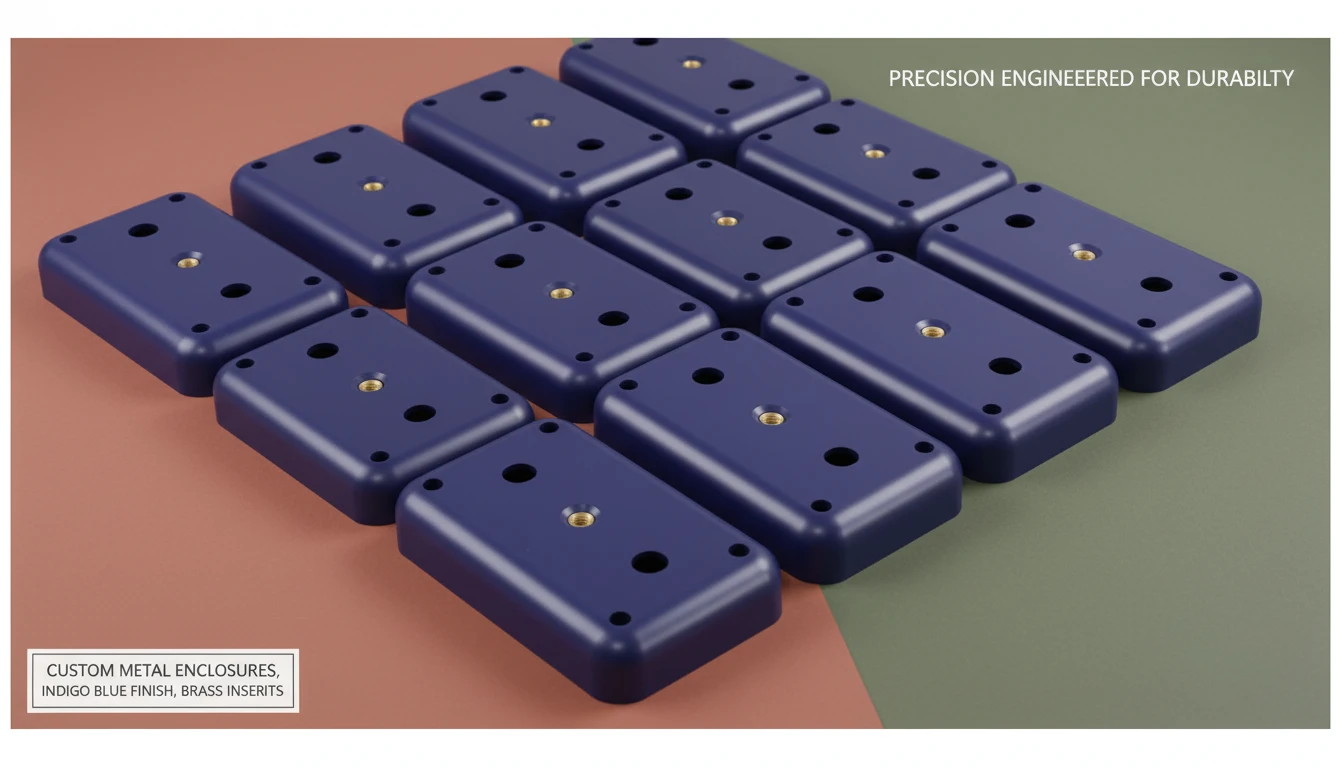
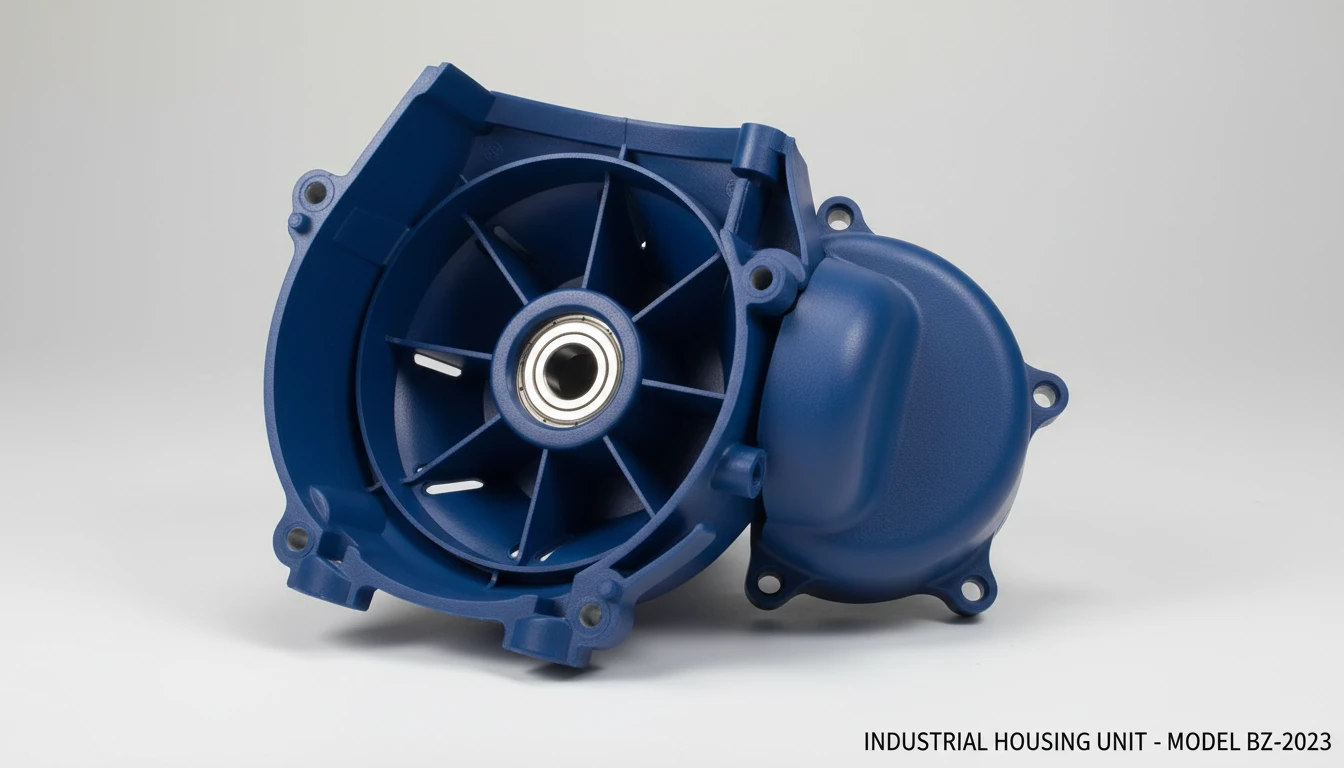
The insert molding process1 is a manufacturing technique where a pre-formed component—typically metal—is loaded into a mold, and thermoplastic material is injected around it to create a single, integrated part. In the Heating, Ventilation, and Air Conditioning (HVAC) industry, this is most commonly used to encapsulate threaded brass nuts, stainless steel shafts, or copper electrical contacts within structural plastic housings.
Unlike "overmolding" (which often refers to plastic-over-plastic), insert molding is primarily structural. It addresses complex part design2 challenges by combining the physical durability and conductivity of metal with the design flexibility, insulation, and corrosion resistance of high-performance plastics like Polyamide 66 (PA66) or Polybutylene Terephthalate (PBT).
First-Hand Factory Insight
In my experience overseeing HVAC component production lines, shifting from post-molding installation (heat staking) to insert molding is often the turning point for profitability. We once produced a damper actuator housing where the assembly team manually installed four brass inserts per unit. By moving to insert molding, we eliminated the bottleneck at the heat-staking station entirely. However, it required a shift in discipline: operators had to be trained to load inserts precisely, as a misloaded insert can destroy a $50,000 mold cavity in a split second.
Vertical clamps utilize gravity to keep inserts in place before the mold closes, reducing the risk of inserts falling out and damaging the tool.
Inserts require specific undercuts, knurling, or grooves to allow the plastic to flow around and mechanically lock the metal in place; smooth surfaces will fail under torque.
What are the Key Processing Parameters for Insert Molding?
Successful insert molding requires balancing the thermal properties of two very different materials. The following parameters are baseline references from our shop floor data logs for processing glass-filled nylon with brass inserts.
| Parameter | Typical Range | Unit | Factory Notes |
|---|---|---|---|
| Mold Temperature | 60 – 90 | °C | Keep the mold hot to ensure flow around the insert without knitting lines. |
| Insert Pre-Heat Temp | 80 – 120 | °C | Crucial: Cold metal in hot plastic causes stress cracking. Pre-heat inserts to match mold temp. |
| Injection Pressure | 80 – 120 | MPa | Higher pressure helps pack plastic into the knurling of the insert. |
| Holding Pressure | 50 – 70 | % of Inj. Pressure | Essential to compensate for shrinkage around the metal. |
| Injection Speed | Medium-Slow | mm/s | Too fast can displace the insert ("washout"); too slow causes cold flow marks. |
How Does Insert Molding Improve HVAC Assembly Efficiency?
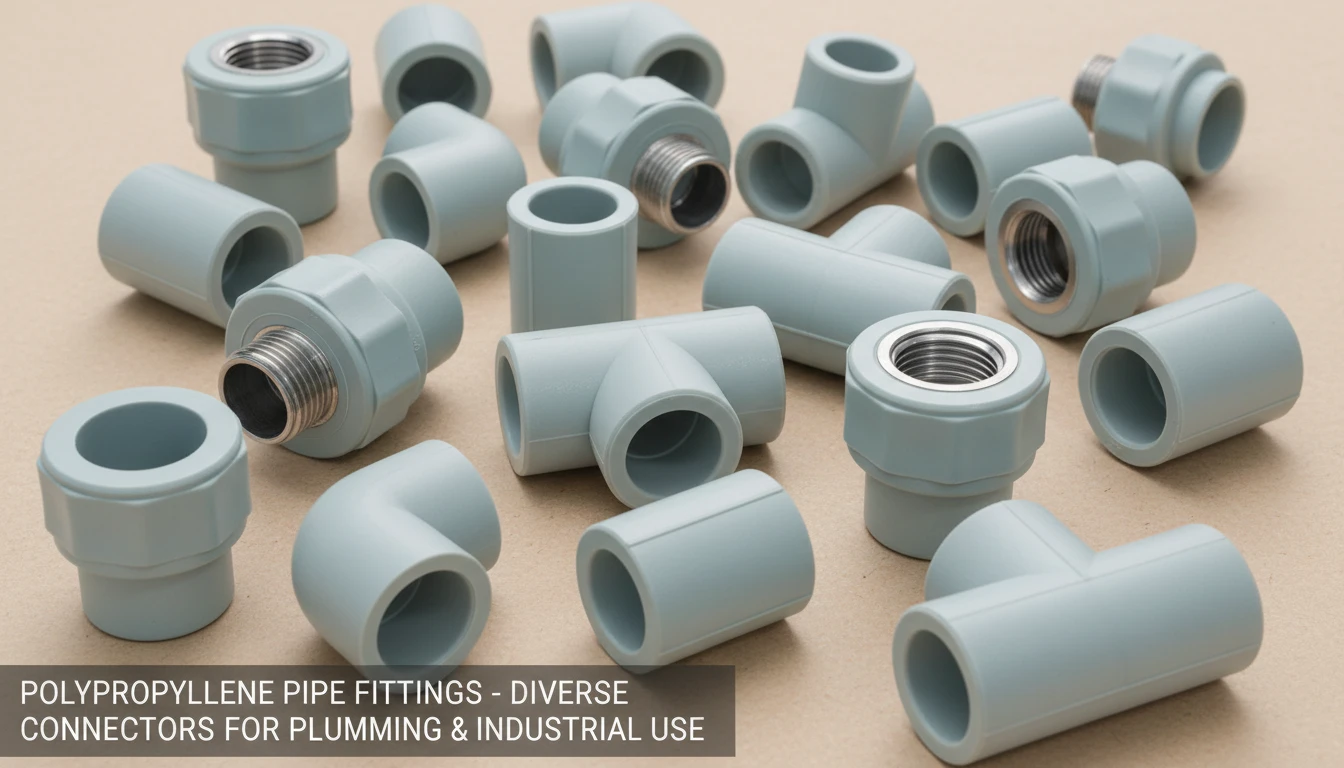
HVAC assembly efficiency is driven by part count reduction. In traditional assembly, a housing might require the plastic shell, four screws, four washers, and four heat-stake inserts. That is 13 separate SKUs to manage.
With insert molding, the threaded inserts plastic interface is created at the molding stage. The part comes off the press ready for final assembly.
Case Study: Blower Fan Hub
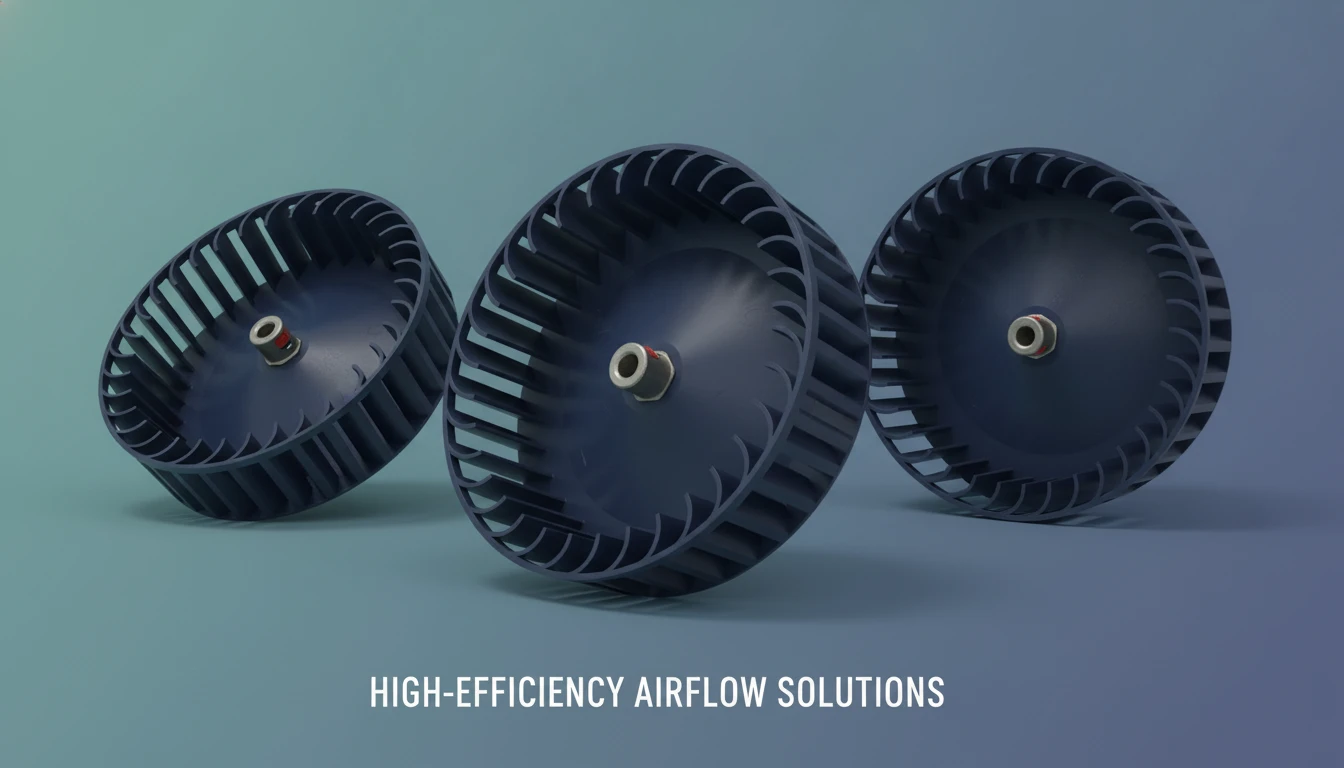
In a project for a high-velocity industrial blower, we initially used a plastic hub pressed onto a steel shaft. Under high heat and RPM, the plastic crept, and the hub slipped.
- The Fix: We redesigned the tool for insert molding, encapsulating a knurled steel bushing directly into the Polypropylene (PP) fan blade.
- The Result: The pull-out force increased by 300%. We also removed the adhesive station from the line, reducing manufacturing steps by 20%.
- The Challenge: We faced "flash" (excess plastic) inside the threads. We had to adjust the clamping force of the core pin holding the insert to create a tighter seal against the molten plastic.

What Materials Are Best Suited for HVAC Insert Molding?
HVAC components face thermal cycling (hot to cold) and humidity. The plastic must have a coefficient of thermal expansion (CTE) that tolerates the metal insert without cracking.
| Material | Full Name | Characteristics | Best HVAC Application |
|---|---|---|---|
| PA66 + 30% GF | Polyamide 66 (30% Glass Fiber) | High strength, heat resistance, good bond with knurled metal. | Valve bodies, structural brackets. |
| PBT | Polybutylene Terephthalate | Excellent electrical insulation, low moisture absorption. | Electronic control housings, sensor mounts. |
| PPS | Polyphenylene Sulfide | Extreme heat resistance, chemical resistance, rigid. | Heating elements, flue gas components. |
| PC | Polycarbonate | High impact strength, good dimensional stability. | Transparent covers requiring metal standoffs. |
Pre-heating minimizes the temperature differential between the molten plastic and the metal, reducing residual hoop stress as the plastic cools and shrinks around the insert.
The actual molding cycle is often longer due to the manual or robotic loading time; the efficiency gain is realized downstream by eliminating secondary assembly steps.
What Are the Common Defects and How Do We Troubleshoot Them?
In the factory, insert molding presents unique defect modes that don’t exist in standard molding.
1. Hoop Stress Cracking
- Observation: Tiny radial cracks appear around the metal insert 24–48 hours after production.
- Cause: The plastic shrinks as it cools, but the metal does not. This creates tension (hoop stress).
- Troubleshooting:
- Increase the wall thickness of the plastic boss (Rule of thumb: Boss diameter = 2.5x to 3x Insert diameter).
- Use a material with a lower shrinkage rate (e.g., adding glass fiber).
- Must Do: Pre-heat the inserts.
2. Insert Washout / Displacement
- Observation: The insert is tilted or moved off-center, causing scrap parts.
- Cause: Injection pressure is too high, or the "gate" (entry point of plastic) is aimed directly at the insert.
- Troubleshooting:
- Lower injection speed.
- Change gate location to allow plastic to flow around the insert rather than hitting it directly.
3. Flash on Threads
- Observation: Plastic leaks into the internal threads of the insert, making screws impossible to insert.
- Troubleshooting:
- Check the tolerance of the locating pin.
- Ensure the insert is fully seated.
- Verify the insert height tolerance (if the insert is too short, the mold won’t seal off the top).
What Are the Advantages and Disadvantages Compared to Post-Molding Assembly?
| Feature | Insert Molding | Post-Molding Assembly (Staking/Gluing) |
|---|---|---|
| Part Strength | High. Plastic flows into knurls for mechanical lock. | Medium. Relies on surface friction or adhesive. |
| Assembly Speed | Fast. Component is finished upon ejection. | Slow. Requires secondary operations/machines. |
| Part Consistency | Excellent. Fixed by mold precision. | Variable. Dependent on operator skill/machine calibration. |
| Mold Cost | High. Complex tooling required. | Low. Standard tooling used. |
| Risk | High. Bad insert = Scrapped plastic & metal. | Low. Bad insert = Save plastic part, retry insert. |
What is the Recommended Workflow for High-Volume HVAC Insert Molding?
For a project targeting complex part design with high volumes, we follow this sequence:
- Insert Design Verification: Ensure the metal insert has deep knurling and an undercut (hourglass shape) for pull-out resistance.
- Mold Selection: Use a Vertical Clamp / Vertical Injection machine with a rotary table. This allows the operator (or robot) to load station B while station A is injecting.
- Pre-Production Setup: Install an oven or induction heater near the press to keep inserts at 80°C–100°C.
- Loading: Place inserts onto core pins. Verify seating using sensors (mold protection) to prevent mold crash.
- Injection: Inject material. Ensure holding pressure is sufficient to pack plastic tightly against the metal.
- Cooling & Ejection: Longer cooling time is often needed to prevent the metal heat from re-melting the surrounding plastic upon ejection.
FAQ: Insert Molding for HVAC Applications
1. Is automation necessary for insert molding?
For high-volume production, yes. While manual loading is common for low volumes, human error (misplacement) is the leading cause of mold damage. We recommend simple pick-and-place robots for runs exceeding 10,000 units.
2. Can we use aluminum inserts instead of brass?
Yes, aluminum is lighter and cheaper, but it is softer. If the thread will be used frequently (serviceable part), brass or stainless steel is preferred to prevent thread stripping. Aluminum is fine for permanent, non-serviceable bonds.
3. How do you prevent the insert from spinning during assembly?
The insert must have "knurling" (a diamond-patterned rough surface). Straight knurls prevent rotation (torque), while undercuts or grooves prevent pull-out. A smooth cylinder will almost always fail.
4. What tolerances are required for the metal inserts?
Tolerances must be tight, typically ±0.02mm to ±0.05mm. If the insert is too large, it damages the mold pin. If it’s too small, plastic flashes over the threads. We require strict QA on incoming metal hardware before it hits the molding floor.
5. Why is a vertical machine better than a horizontal one?
In a horizontal machine, you must fight gravity to keep the insert in the mold before it closes. In a vertical machine, you load the insert down onto the mold face, and gravity keeps it stable. This significantly reduces cycle interruptions.
Technical Summary
Insert molding is a decisive strategy for enhancing HVAC assembly efficiency3. by integrating threaded inserts plastic interfaces directly during the molding phase, manufacturers can eliminate secondary stations, reduce SKU counts, and achieve superior mechanical bond strength. While it requires stricter process control—specifically regarding insert pre-heating and mold protection—the result is a robust, high-performance component ready for immediate installation.
-
Understanding the insert molding process can help you appreciate its efficiency and cost-effectiveness in manufacturing. ↩
-
Learn about the complexities of part design and how insert molding addresses these challenges effectively. ↩
-
Explore how insert molding can streamline HVAC production and enhance overall assembly efficiency. ↩





