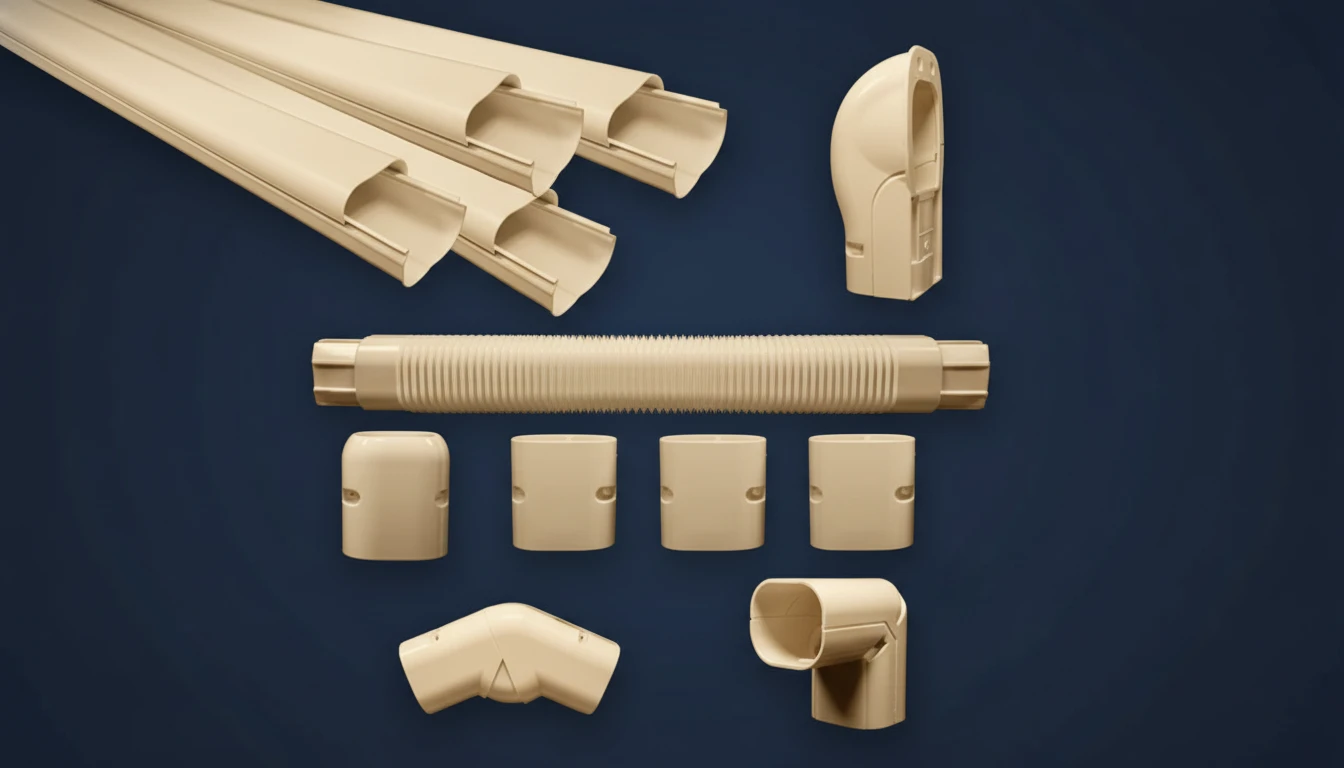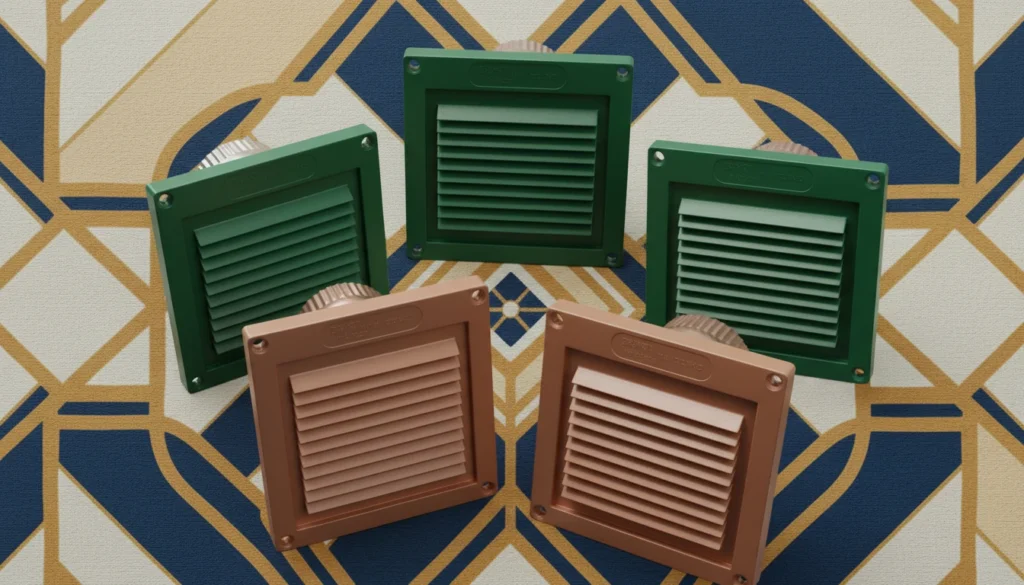
– Converting metal HVAC components to engineering thermoplastics can reduce system weight by 30–50%.
– Material substitution requires complete redesign for manufacturing (DFM) rather than simple geometry replication.
– High-performance polymers like PA66 and PBT offer superior corrosion resistance against condensate and chemicals.
– Integration of mounting features reduces assembly steps and lowers total HVAC OEM manufacturing costs.
What Is Metal-to-Plastic Conversion in the Context of HVAC Manufacturing?
In the heating, ventilation, and air conditioning industry, metal-to-plastic conversion is the engineering process of replacing components traditionally made from sheet metal, die-cast aluminum, or steel with high-strength engineering thermoplastics.
This is not merely a material swap. As a practitioner who has overseen the transition of centrifugal fan housings and drain pans from galvanized steel to polymers, I can attest that success depends on design adaptation. We utilize materials like Polypropylene (PP), Polyamide (PA/Nylon), and Polybutylene Terephthalate (PBT)—often reinforced with glass fiber—to replicate the structural integrity of metal while exploiting the design freedom of injection molding.
The primary goals in HVAC OEM manufacturing are lightweighting HVAC systems, eliminating corrosion risks in wet zones, and consolidating multiple assembly parts into a single molded unit to drive HVAC cost reduction1.
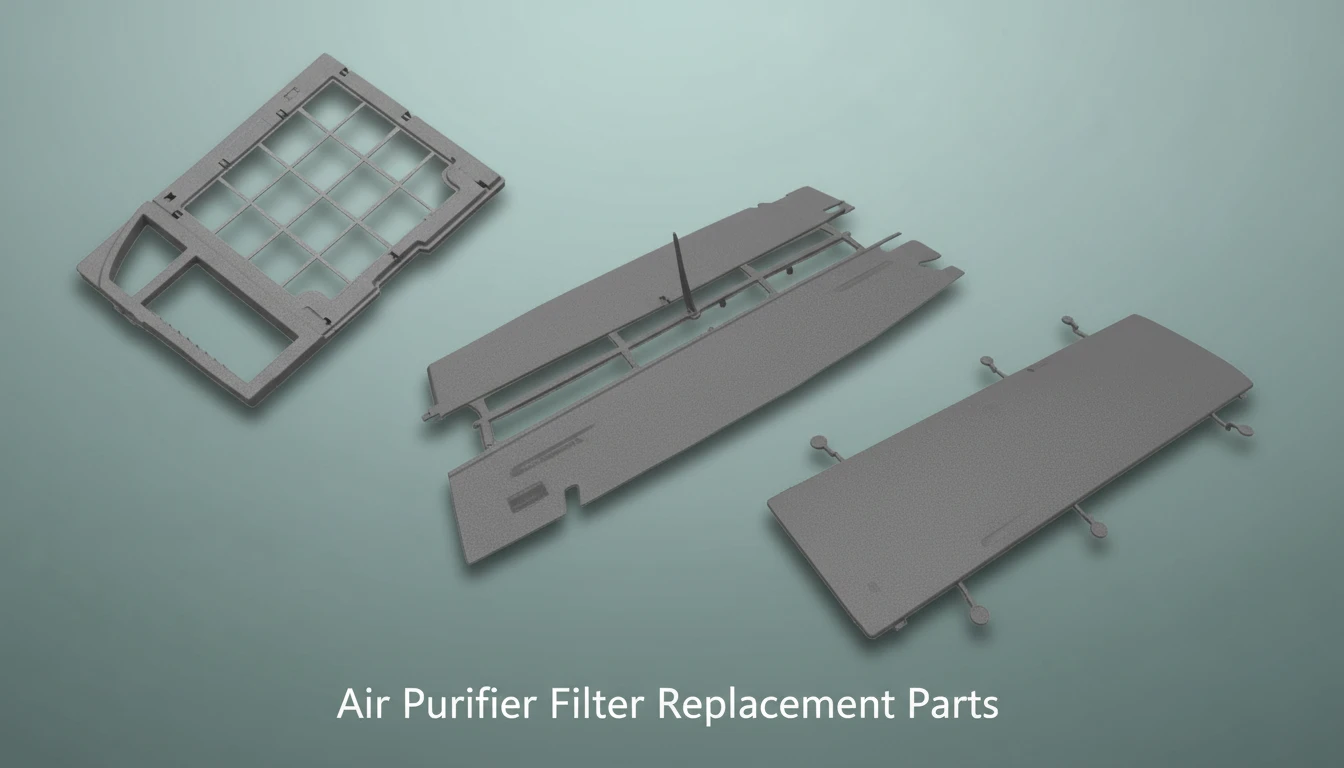
Real-World Case Study: Redesigning a Centrifugal Blower Housing
In a recent project for a commercial rooftop unit, our team was tasked with converting a heavy gauge galvanized steel blower housing to plastic. The steel version was heavy, prone to vibrational rattling, and required seven distinct assembly steps (riveting flanges, welding brackets).
The Challenge:
The engineering team was skeptical about the plastic housing’s ability to withstand the heat generated by the motor and the centrifugal force of the impeller.
The Factory Approach:
- Material Selection: We selected Polypropylene (PP) with 30% Glass Fiber. This offered the necessary thermal stability (Heat Deflection Temperature > 140°C) and structural rigidity.
- Structural Redesign: We could not use the thin walls of the steel design. Instead, we designed a honeycomb ribbing structure on the exterior. This provided stiffness without creating thick wall sections that would cause sink marks.
- Part Consolidation: We integrated the motor mounting bracket and the airflow cutoff plate directly into the mold.
The Outcome:
- Weight Reduction: The part went from 4.2 kg (steel) to 2.1 kg (plastic)—a 50% reduction.
- Assembly Efficiency: We eliminated 12 rivets and 3 welding operations. The assembly time dropped by 40%.
- Airflow: Because injection molding allows for complex 3D curvature, we optimized the volute curve, reducing air turbulence and improving fan efficiency by 3%.
How Do Critical Parameters Compare: Metal vs. Engineered Plastic?
When evaluating metal to plastic conversion HVAC projects, we look at specific physical properties. The table below illustrates why thermoplastic advantages often outweigh traditional metal in non-combustion zones.
| Parameter | Galvanized Steel / Aluminum | Engineering Plastic (e.g., PA66 + 30% GF) | Impact on HVAC |
|---|---|---|---|
| Density (g/cm³) | 7.8 (Steel) / 2.7 (Alum) | 1.3 – 1.6 | Drastic weight reduction; lower shipping costs; easier installation. |
| Thermal Conductivity | High (Conducts heat/cold) | Low (Insulator) | Plastic prevents sweating/condensation; reduces need for secondary insulation. |
| Corrosion Resistance | Low (Needs plating/coating) | High (Native resistance) | Essential for drain pans and outdoor grilles exposed to weather. |
| Design Freedom | Limited (Bending/Stamping) | High (Complex curves) | Allows aerodynamic optimization for smoother airflow. |
| Damping Capacity | Low (Transmits vibration) | High (Absorbs energy) | Reduces noise (NVH) from motors and airflow. |
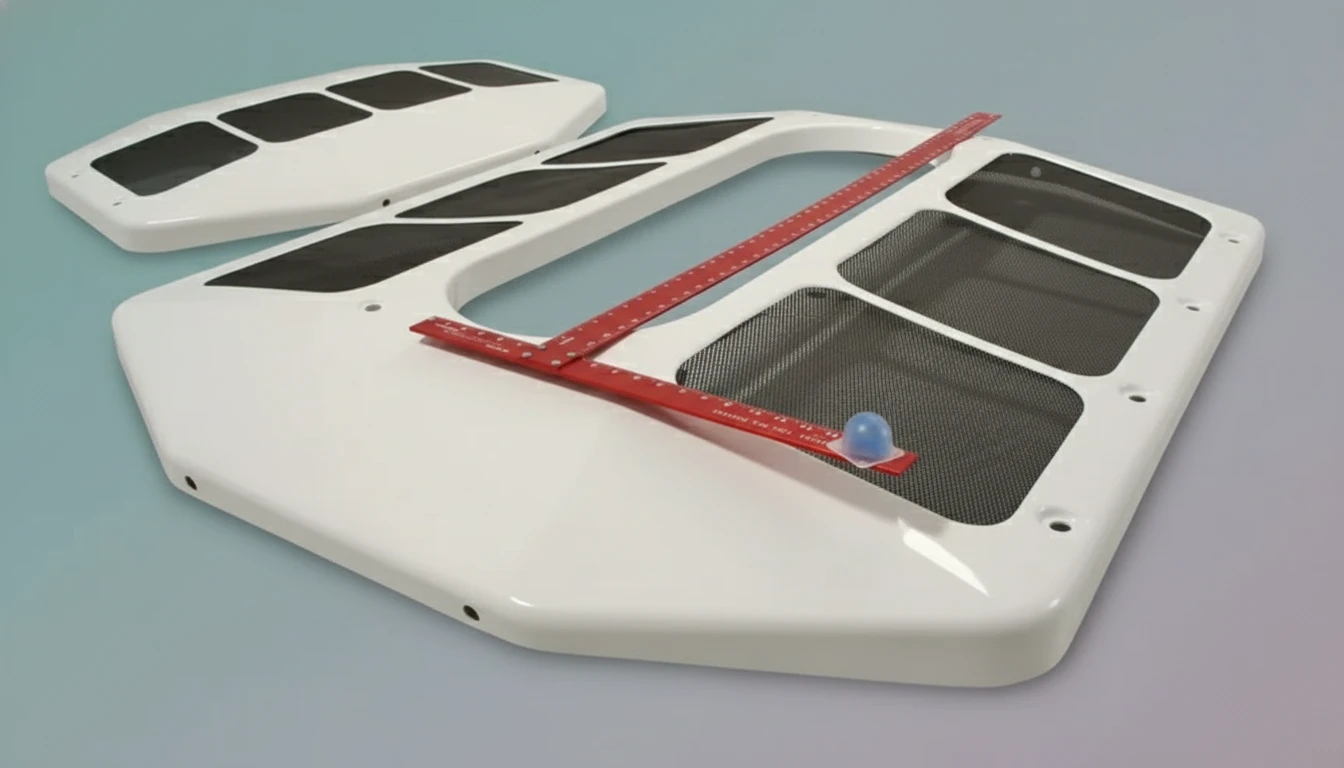
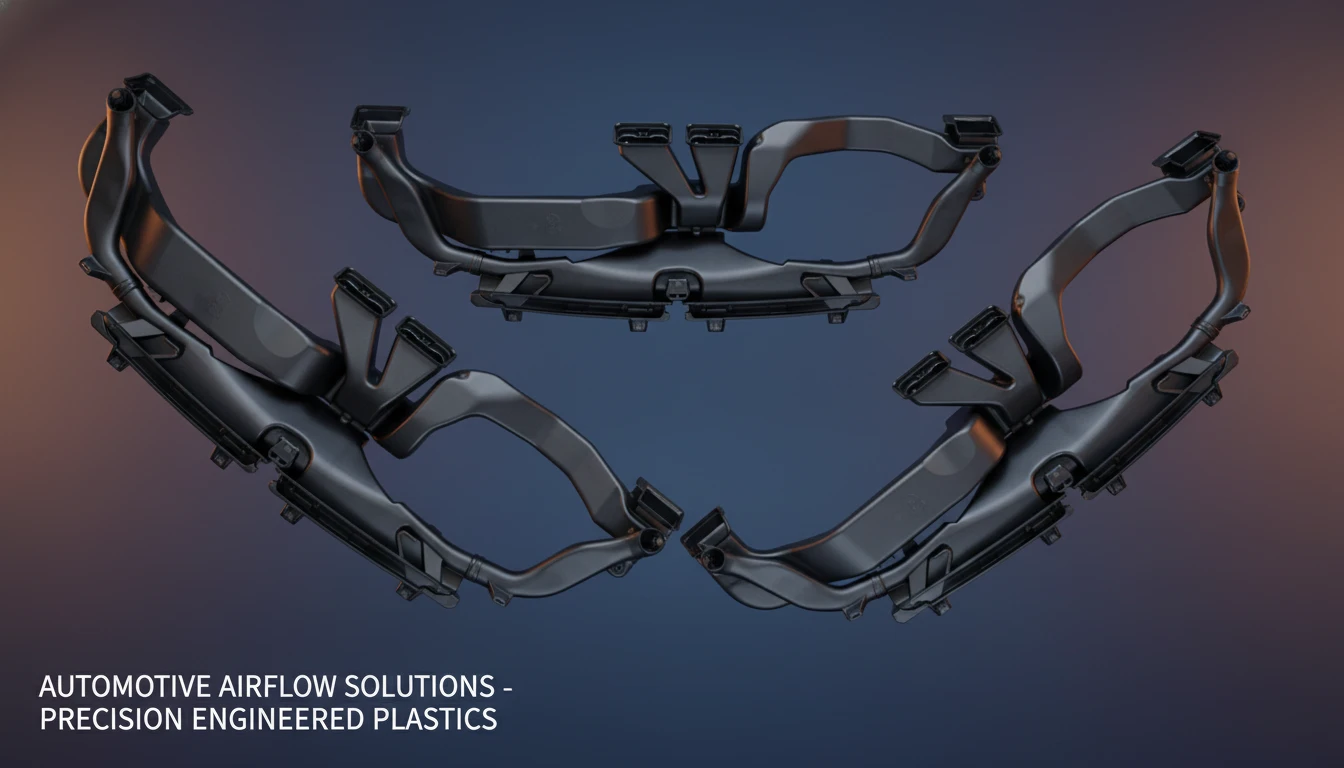
[Myth vs Fact] Material Strength & Design
Uniformly increasing thickness causes defects like sink marks and voids. Strength is achieved through strategic ribbing and gussets, not bulk thickness.
High-performance blends, such as Nylon 66 with 50% long glass fiber, offer tensile strengths comparable to die-cast aluminum or zinc, suitable for structural HVAC components.
What Are the Advantages and Disadvantages of Conversion?
While HVAC cost reduction1 is a major driver, the decision involves trade-offs. Here is what we see on the production floor.
| Feature | Advantages | Disadvantages |
|---|---|---|
| Tooling & Cost | Lower unit cost at high volume; elimination of secondary finishing (painting/deburring). | High initial investment. Injection molds are significantly more expensive than sheet metal dies. |
| Performance | Excellent corrosion resistance (no rust); reduced condensation; quieter operation. | Creep & Temperature. Plastics deform under long-term load (creep) and have lower maximum operating temps than steel. |
| Manufacturing | Part Consolidation. Can mold snaps, bosses, and threads directly, reducing BOM count. | Tolerances. Plastics shrink during cooling. Achieving tight tolerances (e.g., ±0.05mm) is harder than with machined metal. |
| Aesthetics | Color is molded in; no chipping or peeling paint. | UV stability requires specific additives; some plastics yellow or become brittle outdoors. |
Factory-Floor Insights: Troubleshooting the Transition
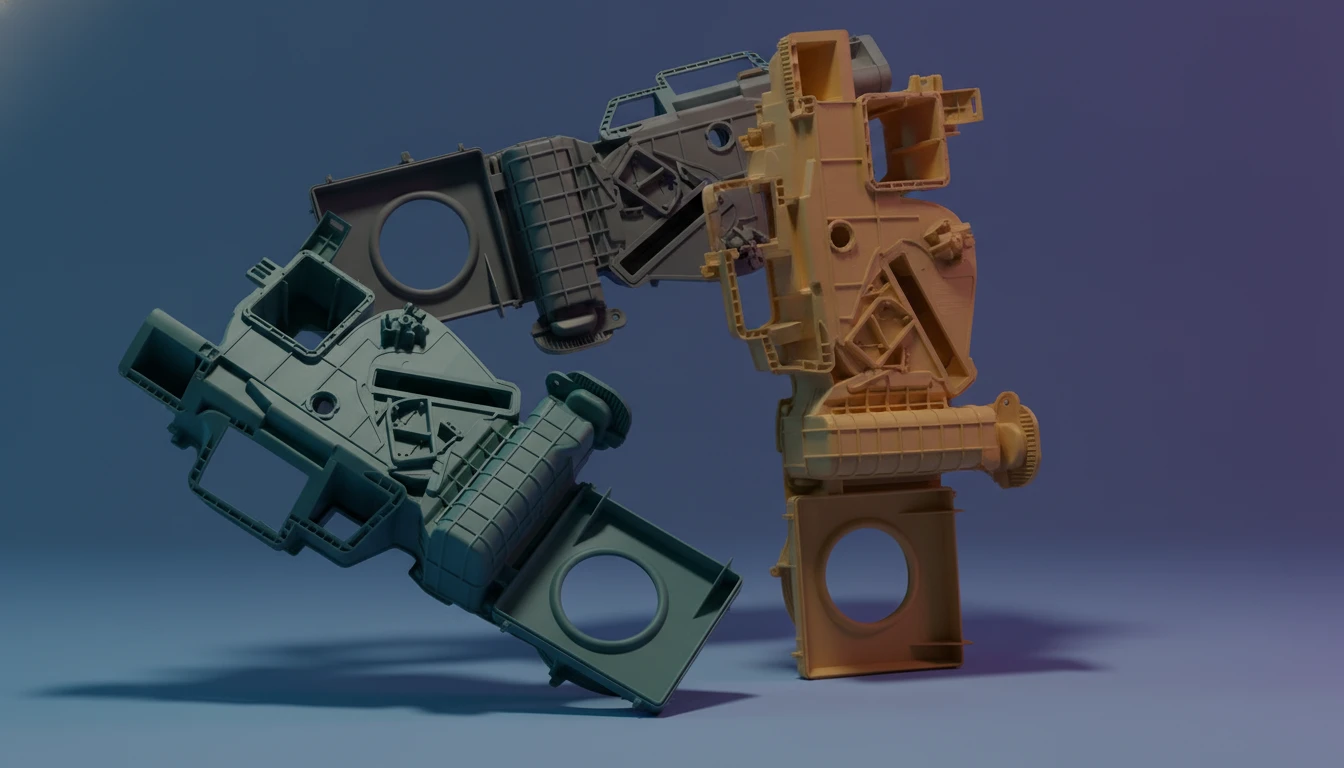
As an engineer who has dealt with the fallout of poor conversion strategies, here are practical insights for HVAC OEM manufacturing teams:
1. Watch the Creep
In one project involving a motor mount, the plastic relaxed over time due to the constant weight of the motor, causing the fan to misalign.
- Solution: We utilized metal inserts for the screw bosses and designed compression limiters. Never rely on plastic alone to hold high torque or sustained heavy loads without reinforcement.
2. Draft Angles are Non-Negotiable
Sheet metal designers are used to 90-degree bends. In injection molding, vertical walls need a draft (usually 1° to 2°) to eject from the mold.
- Observation: Failing to account for draft early in the design phase alters the internal volume of airflow components, potentially changing static pressure ratings.
3. The Warpage Battle
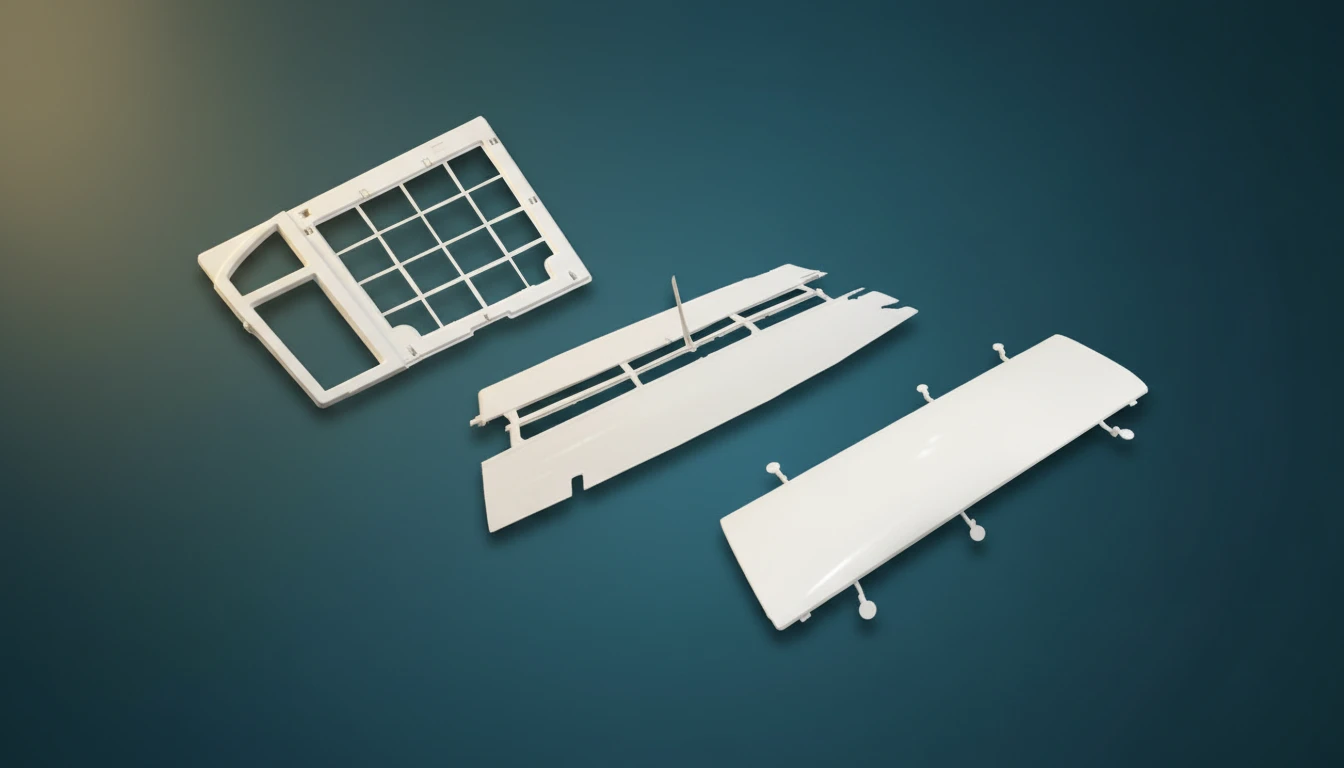
Long, flat metal parts (like filter access doors) are easy to stamp. Molding a long, flat plastic part often results in "banana" warpage due to differential cooling.
- Fix: We use Acrylonitrile Butadiene Styrene (ABS) or mineral-filled PP for dimensional stability and gate the mold from the center to ensure even flow.
Which HVAC Components Are Best Suited for Plastic Conversion?
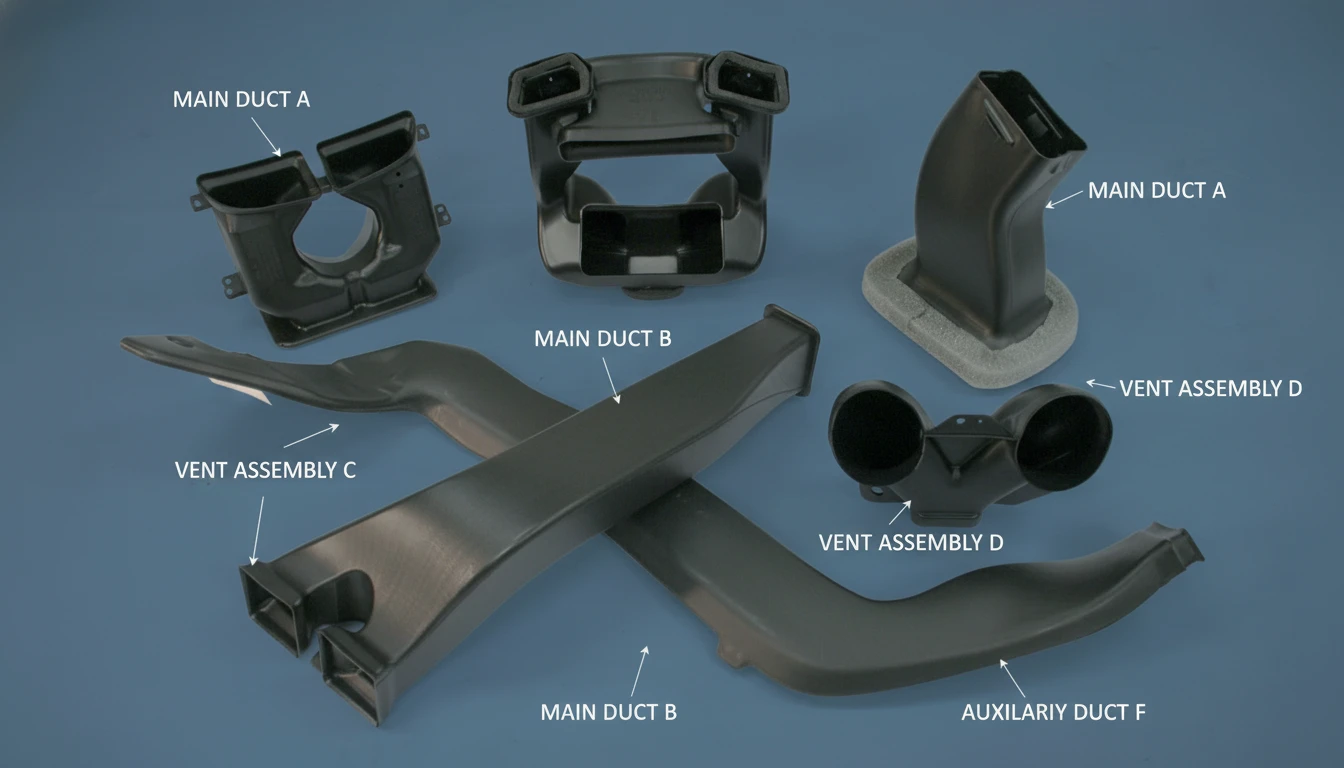
Not every part should be plastic. Heat exchangers and combustion chambers must remain metal. However, the following are ideal candidates:
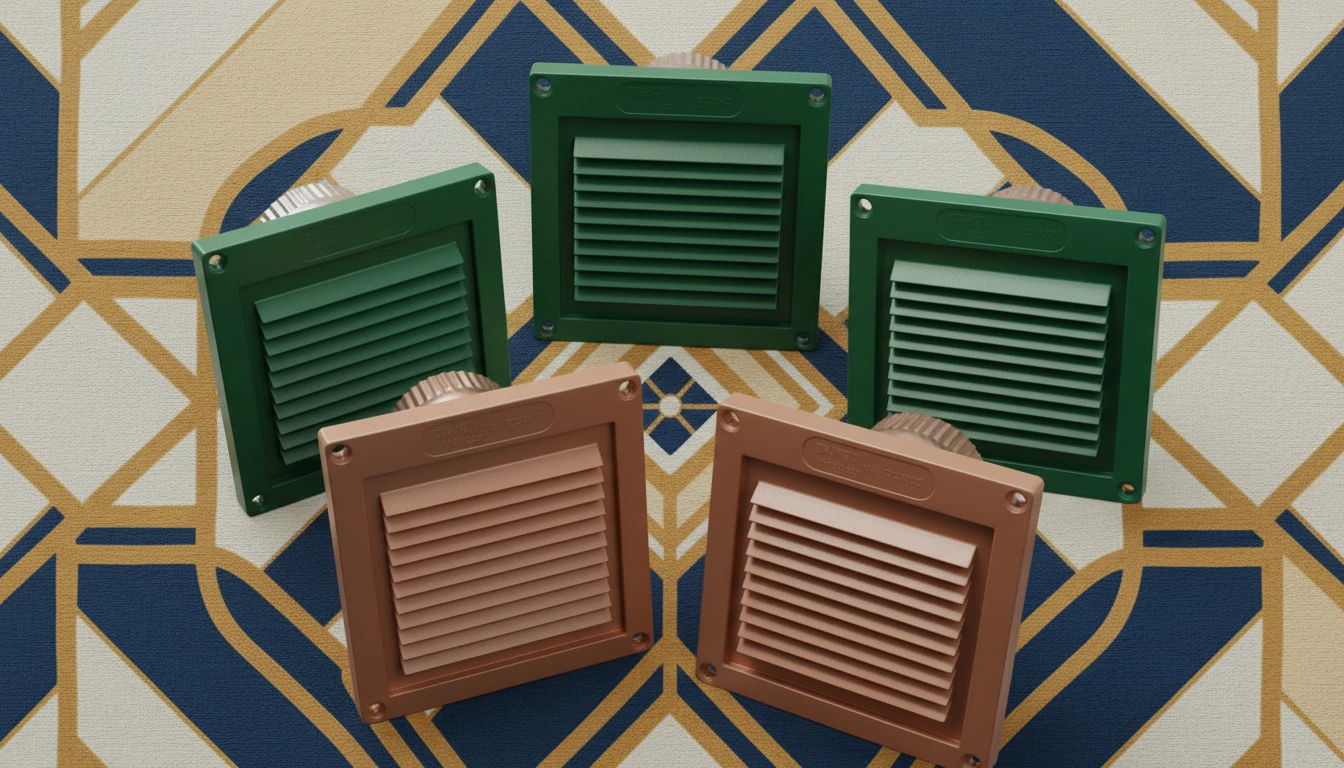
- Air Distribution: Diffusers, grilles, registers, and louvers (complex shapes, condensation resistance).
- Internal Structure: Blower housings, fan impellers/blades (reduced rotational mass).
- Water Management: Condensate drain pans, P-traps (corrosion immunity).
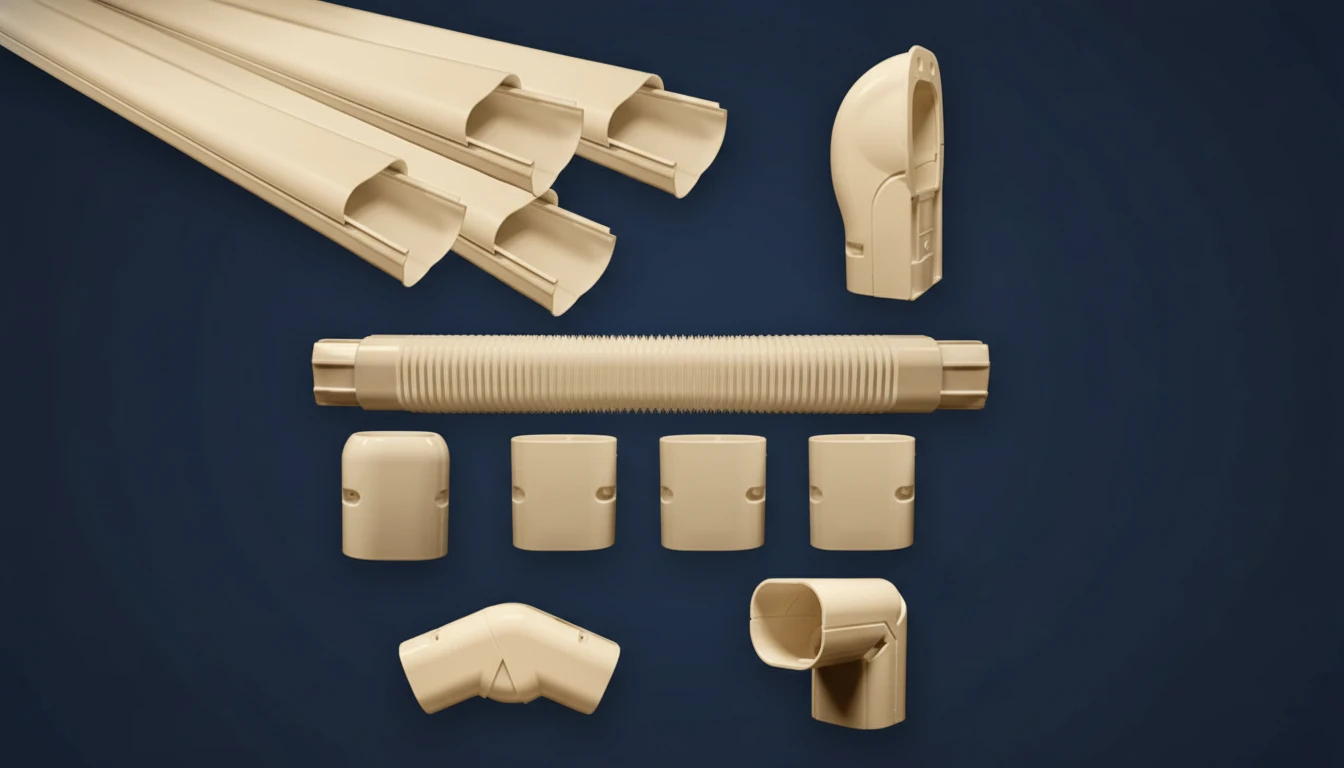
- Enclosures: Control box covers, service panels, electrical raceways.
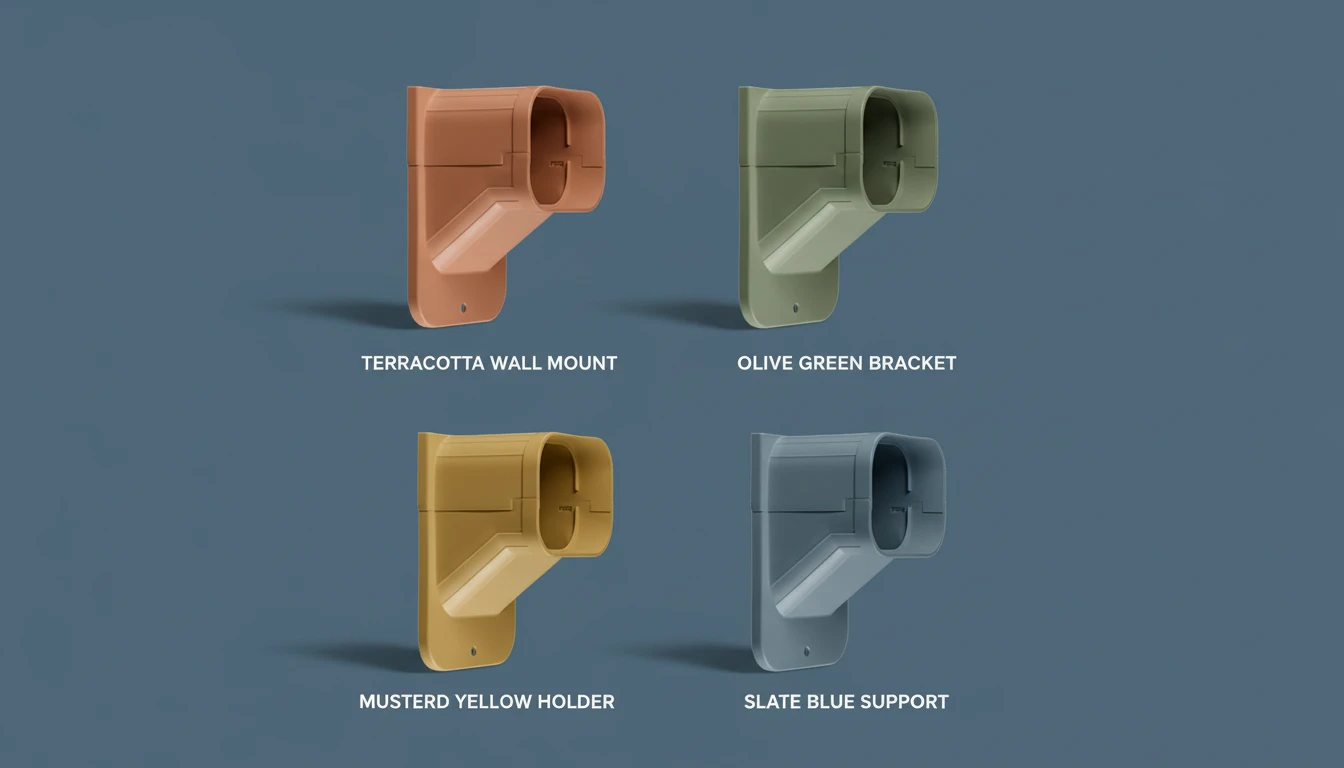
- Mounting: Vibration isolators, mounting brackets for lightweight sensors.
Step-by-Step Recommendations for Implementation
If you are considering a metal to plastic conversion HVAC project, follow this workflow to minimize risk:
- Environment Audit: Define maximum operating temperature, chemical exposure (refrigerants, cleaners), and UV exposure.
- Feasibility Analysis: Calculate the break-even point. Mold costs are high (often $20k–$100k+). This route usually makes sense only for annual volumes > 5,000 units.
- Material Selection:
- Indoor/Structural: Polyamide (PA6/PA66) + Glass Fiber.
- Wet/Drainage: Polypropylene (PP) or PVC.
- Aesthetic/Housing: ABS or Polycarbonate (PC).
- Mold Flow Analysis: Run simulation software to predict warpage and fiber orientation before cutting steel for the mold.
- Prototyping: Do not skip this. Use 3D printing (specifically SLS or SLA with similar resin properties) to check fit, though mechanical strength won’t match the molded part.
- Tooling Trial (T0/T1): Expect to adjust gate sizes and cooling times to dial in dimensions.
[Myth vs Fact] Tooling & Production
Plastic design requires uniform wall thickness to prevent warping and draft angles for ejection. Direct geometry copying usually leads to failure.
Injection molded parts emerge with finished surfaces, colors, and textures, eliminating the need for deburring, painting, or powder coating common in metalwork.
FAQ: Metal-to-Plastic Conversion in HVAC
1. How does metal-to-plastic conversion impact the fire safety rating of HVAC units?
Plastic components must meet strict flammability standards, such as UL 94 V-0 or 5VA. We use flame-retardant additives2 in the plastic resin. While metal is non-combustible, properly formulated plastics will self-extinguish and meet building codes for air handling units.
2. Can plastic drain pans really handle the same durability as stainless steel?
Yes, and often better regarding corrosion. Stainless steel can eventually corrode at weld points or if the grade is low quality. Engineered plastics like Polypropylene (PP) are immune to rust and chemical corrosion from coil cleaners, though they must be designed to resist cracking upon impact.
3. What is the biggest cost driver in switching to plastic?
The upfront tooling (mold) cost. A complex HVAC housing mold can cost between $50,000 and $150,000. However, the piece-part price is usually 30–50% lower than metal. The return on investment (ROI) typically relies on volume production.
4. Does switching to plastic affect the noise level of the HVAC unit?
Generally, it improves it. Plastics have higher material damping properties than metals like steel or aluminum. This helps absorb vibration from motors and fans, reducing the transmission of structure-borne noise and eliminating the "tinny" rattling common in sheet metal ducts.
5. Is it possible to over-mold metal inserts into the plastic for strength?
Absolutely. This is a standard practice in HVAC OEM manufacturing3. We frequently insert-mold threaded brass nuts or steel reinforcement bars into plastic components to handle high torque loads or provide robust mounting points that plastic threads alone cannot support.
Technical Summary
Metal to plastic conversion HVAC initiatives are a powerful lever for lightweighting HVAC systems and achieving HVAC cost reduction. By leveraging high-performance polymers like Glass-Filled Nylon and Polypropylene, OEMs can eliminate corrosion issues, improve airflow efficiency through complex geometries, and reduce assembly labor. However, success dictates that the part be engineered specifically for the injection molding process—focusing on wall uniformity, ribbing for strength, and draft angles—rather than simply copying a metal design into a plastic material.