
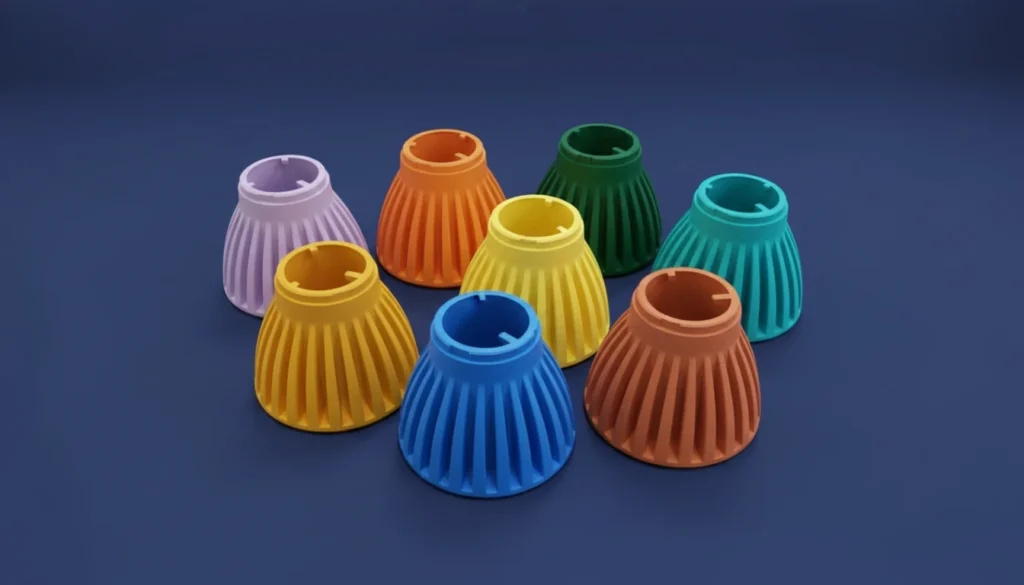
In the traditional HVAC world, heat transfer equals metal. Copper, aluminum, and stainless steel have ruled the roost for decades. However, as an engineer who has spent years on the factory floor dealing with the "Achilles’ heel" of metal—corrosion and weight—I have watched the emergence of Thermally Conductive Plastics (TCPs) with intense interest.
We are no longer just molding aesthetic covers; we are now experimenting with advanced polymers capable of moving heat. While they cannot match the raw thermal conductivity of copper, their application in condensing environments and complex geometries offers a fascinating shift in how we design heat exchangers.
Below is a technical breakdown of this innovation, grounded in the realities of injection molding and extrusion manufacturing.
– Thermally Conductive Plastics (TCPs) achieve conductivity via high loadings of graphite, ceramic, or metallic fillers.
– They are ideal for corrosive HVAC environments (condensing boilers, coastal AC units) where metals fail.
– Manufacturing is difficult: high viscosity, abrasive wear on tooling, and anisotropic thermal properties require specialized molding strategies.
– TCPs do not replace copper in high-heat/high-pressure coils but excel in low-temperature, complex-geometry heat exchangers.
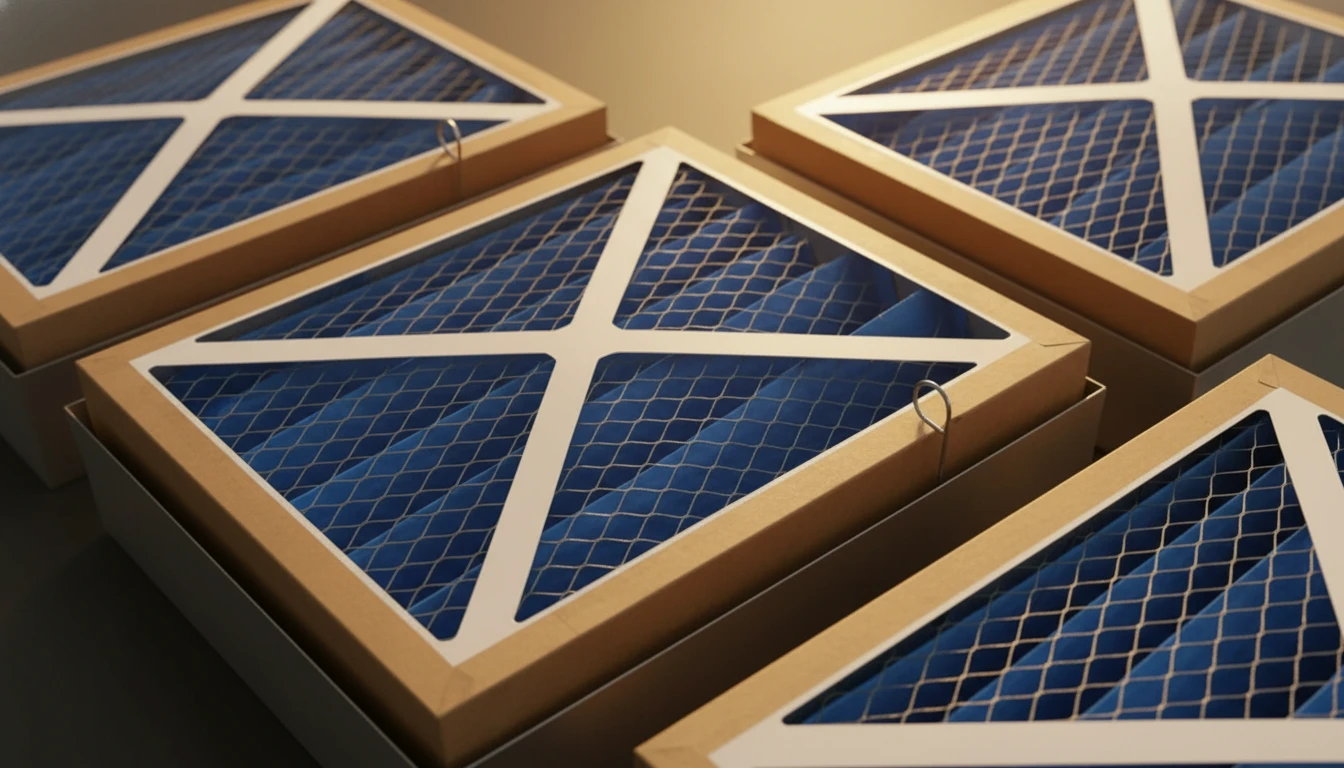
What Are Thermally Conductive Plastics in an HVAC Context?
In standard HVAC manufacturing, plastics like Polypropylene (PP) or Acrylonitrile Butadiene Styrene (ABS) are thermal insulators (typically 0.2 W/m·K). To create thermally conductive plastics, we take a base resin—often Polyamide (PA/Nylon), Polyphenylene Sulfide (PPS), or Polycarbonate (PC)—and compound it with conductive additives.
These additives typically fall into two categories:
- Electrically Conductive Fillers: Graphite fibers, carbon powder (high thermal efficiency, but electrically conductive).
- Electrically Insulating Fillers: Boron Nitride, ceramics (used where electrical isolation is required).
The result is a material that bridges the gap between traditional plastics and ceramics/metals, specifically for corrosion resistant heat transfer.
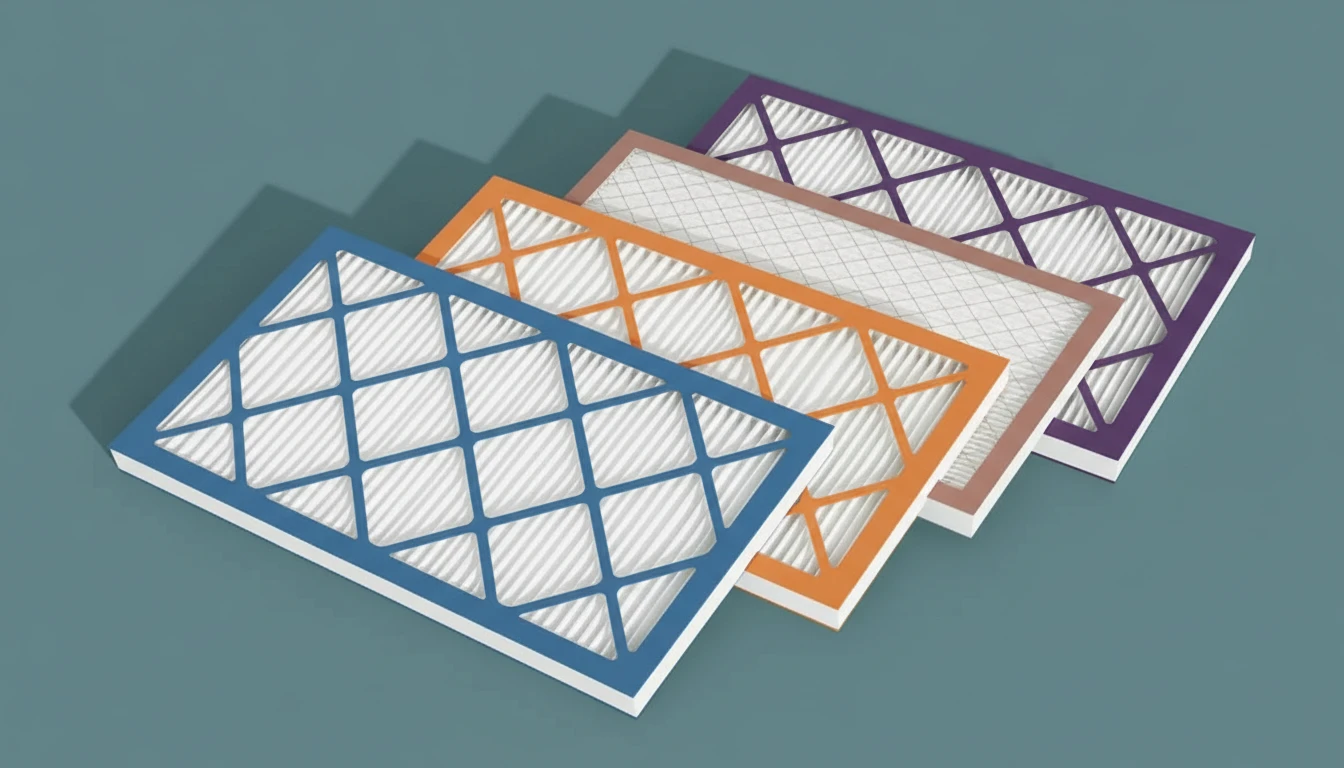
How Do TCP Parameters Compare to Traditional Materials?
When we evaluate materials for plastic heat exchangers, we look at specific thermal and mechanical metrics. The table below represents typical data I have encountered during material selection phases for HVAC OEM projects.
| Parameter | Standard HVAC Plastic (PP/ABS) | Thermally Conductive Plastic (TCP) | Aluminum (6061) | Copper |
|---|---|---|---|---|
| Thermal Conductivity (W/m·K) | 0.1 – 0.25 | 1.0 – 20.0+ | ~160 | ~385 |
| Density (g/cm³) | 0.9 – 1.2 | 1.4 – 1.7 | 2.7 | 8.9 |
| Corrosion Resistance | High | High | Low (needs coating) | Low (needs coating) |
| Molding Complexity | Low | Very High | N/A (Extrusion/Stamping) | N/A (Brazing/Finning) |
| Design Freedom | Excellent | Good | Limited | Limited |
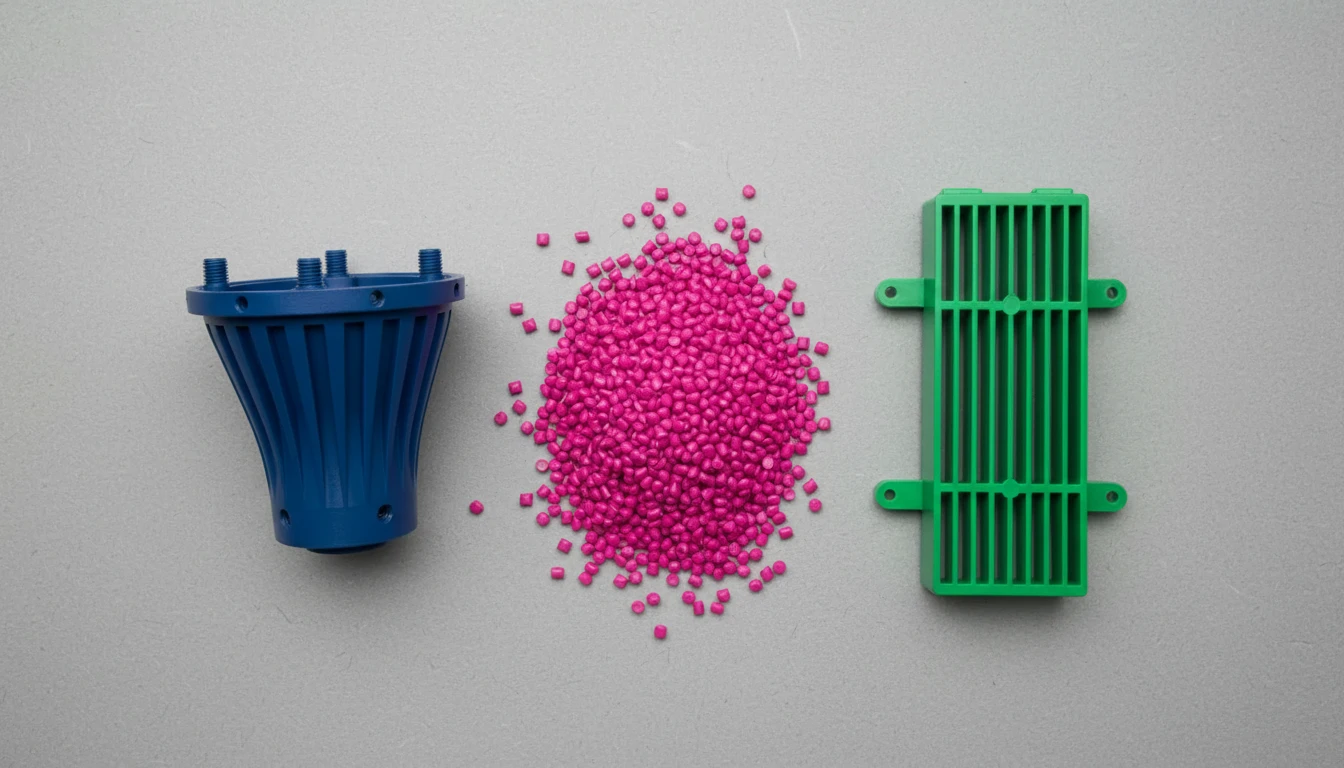
Myth vs. Fact: HVAC Material Performance
Acidic condensate from flue gases rapidly corrodes metals like aluminum. Plastics like PPS resist this acidity naturally, extending component life.
TCPs have lower conductivity than copper. To compensate, the design must utilize thinner walls and larger surface areas; a direct swap would result in massive performance loss.
What Are the Manufacturing Challenges in Real Production?
I have managed trial runs for HVAC innovation projects utilizing graphite-loaded PPS, and the transition from standard molding to TCP molding is jarring. Here is what actually happens on the shop floor.
1. The Viscosity Nightmare
TCPs are heavily loaded with fillers (sometimes up to 50-60% by weight). This drastically reduces the Melt Flow Index (MFI).
- Production Reality: We often have to run higher melt temperatures and injection pressures just to fill the cavity. In one trial for a heat recovery core, we experienced "short shots" (incomplete filling) repeatedly until we opened the gates significantly, which then introduced cosmetic issues.
2. Anisotropy (Directionality)
This is the most critical technical nuance. Fiber-based fillers (like graphite) align with the flow of the plastic.
- In-Plane vs. Through-Plane: Heat travels well along the fiber (in-plane) but poorly across the fiber (through-plane).
- The Trap: If you design a heat exchanger fin but the mold flow aligns the fibers perpendicular to the desired heat path, the part will not perform thermally. We have to run Moldflow simulations specifically to predict fiber orientation.
3. Tool Wear and Abrasion
Ceramic and mineral fillers act like sandpaper inside the injection barrel and the mold.
- My Experience: Standard tool steel wears out in weeks. For advanced polymers with abrasive fillers, we must use hardened steel or carbide-coated screws and barrels. I once saw a screw tip completely eroded after a long run of glass/ceramic filled Nylon.
What Are the Advantages and Disadvantages of TCPs?
| Feature | Advantages | Disadvantages |
|---|---|---|
| Corrosion | Impervious to salt spray, acidic condensate, and humidity. Ideal for coastal HVAC units. | None. |
| Weight | 40-50% lighter than aluminum equivalents. Reduces shipping costs and installation labor. | Heavier than standard plastics due to dense fillers. |
| Geometry | Injection molding allows for complex 3D surface features (turbulators) to enhance airflow, impossible with metal stamping. | High tooling cost for complex molds; brittle nature makes snap-fits risky. |
| Cost | Part consolidation (one molded piece vs. brazed assembly) reduces assembly labor. | Raw resin cost per kg is significantly higher than standard engineering plastics. |
Myth vs. Fact: Processing TCPs
Even with heavy fillers, the specific gravity of TCP is usually under 1.7, whereas aluminum is 2.7 and copper is 8.9, allowing for massive system weight reduction.
High shear rates during injection can break the conductive filler structures/fibers, reducing thermal performance. Specialized low-shear processing is required.
What Are the Practical Applications in HVAC?
Based on current HVAC plastic part design trends, these are the viable use cases:
- Condensing Boiler Flues & Heat Exchangers:
- Using Polyphenylene Sulfide (PPS) heavily loaded with graphite. The acidic condensate eats metal, but PPS survives. The thermal conductivity allows the latent heat to be captured efficiently.
- EV Battery Cooling Plates (Automotive/HVAC crossover):
- Liquid cooling channels molded directly into the part.
- LED Heatsinks for HVAC Controls:
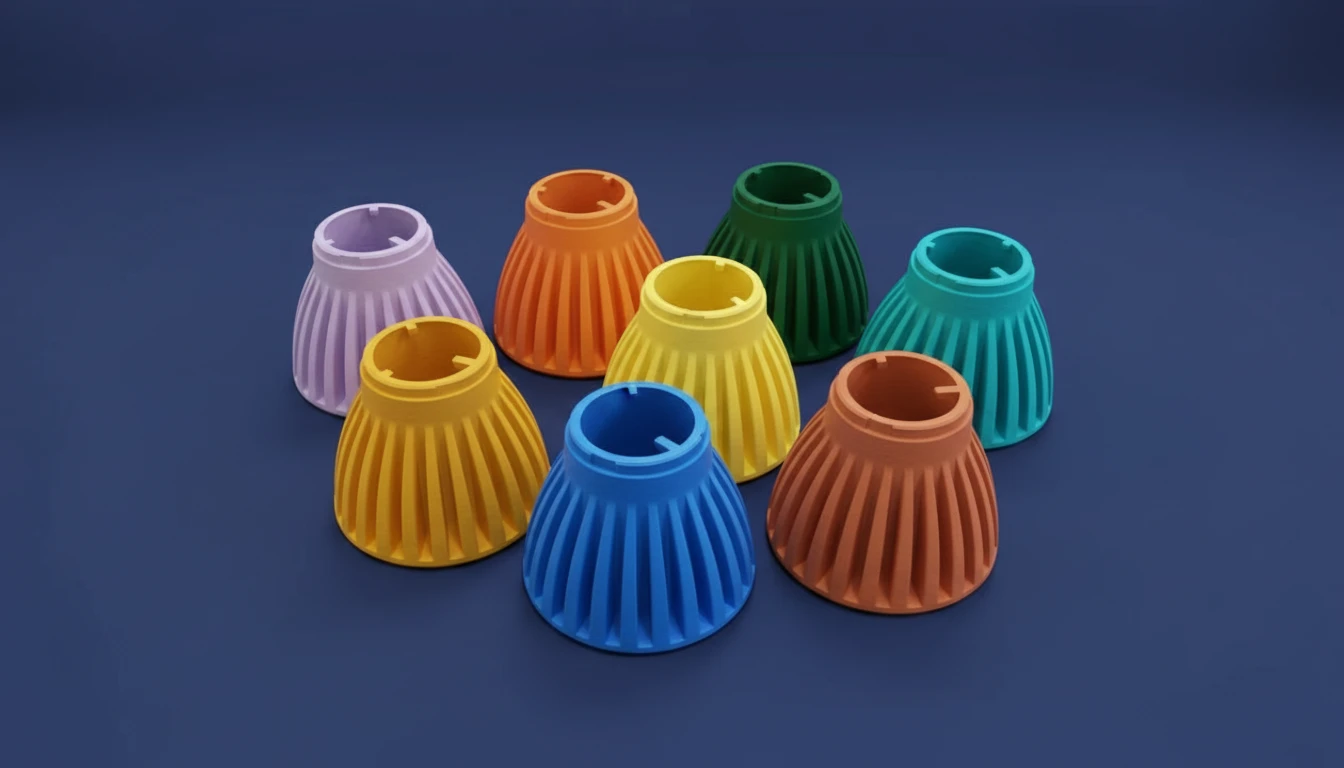
- Replacing die-cast aluminum heatsinks on control boards. Being electrically insulating but thermally conductive creates a safer component.
- Energy Recovery Ventilator (ERV) Cores:
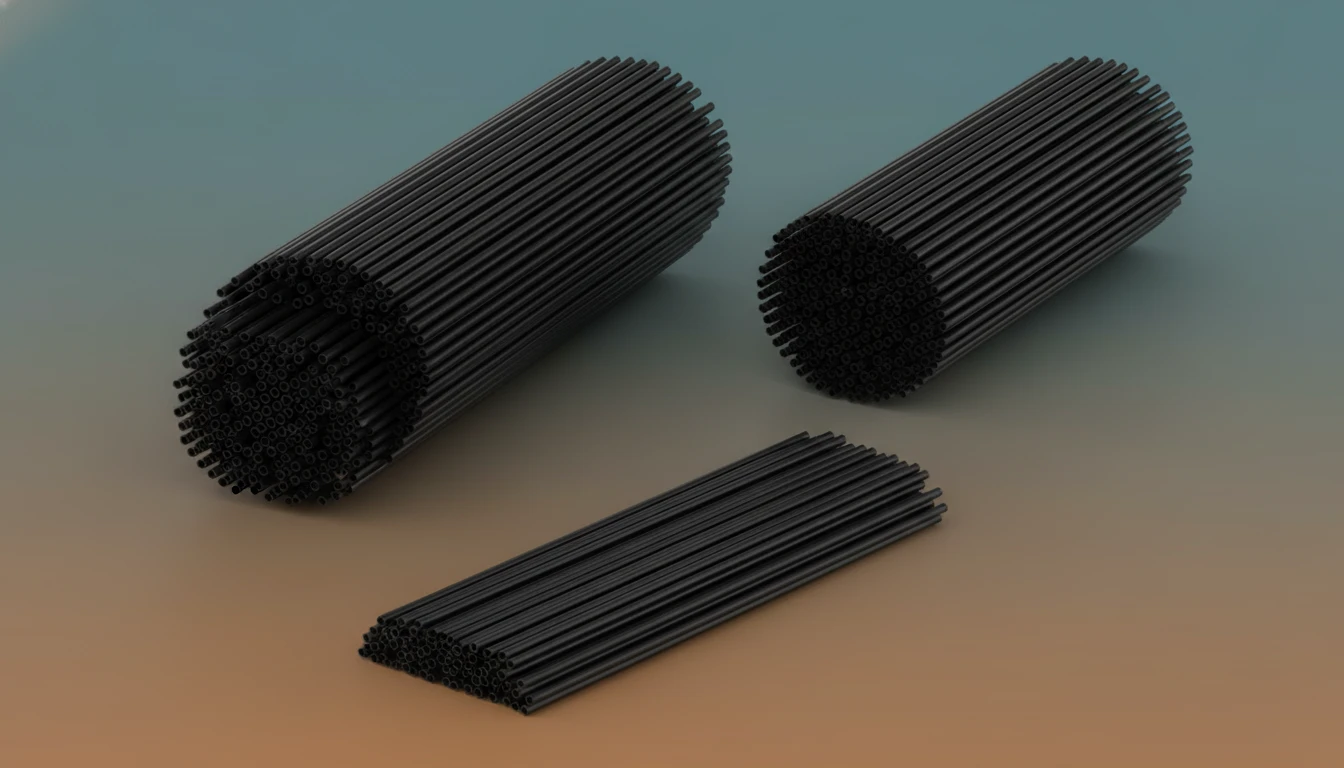
- Replacing paper or aluminum cores. Plastic allows for thinner walls and washability, preventing mold growth while exchanging heat.
How Should You Approach Manufacturing with TCPs? (Step-by-Step)
If you are looking to procure or manufacture HVAC plastic injection molding parts using TCPs, follow this workflow:
- Define the Thermal Goal: Don’t chase the conductivity of copper. Aim for "good enough" conductivity combined with a large surface area.
- Select the Matrix:
- High Temp (>150°C)? Use PPS or PPA.
- Moderate Temp (<100°C)? Use PA6 or PP.
- Optimize Wall Thickness:
- Thermal resistance ($R$) is $d/k$ (thickness divided by conductivity). Since $k$ is lower in plastics, you must minimize $d$. Aim for wall thicknesses between 0.5mm and 1.5mm.
- Tooling Preparation:
- Specify H13 hardened steel or equivalent for the mold.
- Gate location must ensure flow supports the heat transfer direction (manage fiber orientation).
- Assembly Planning:
- TCPs are often brittle. Avoid self-tapping screws. Use ultrasonic welding or chemical bonding for assembly sealing.
Frequently Asked Questions (FAQ)
1. Can thermally conductive plastics replace copper in refrigerant lines?
Generally, no. While chemically resistant, plastics struggle with the high burst pressures required in refrigerant cycles (e.g., R410A operating at 400+ psi). TCPs are better suited for water, glycol, or air-to-air heat exchange at lower pressures.
2. How much less conductive is plastic compared to aluminum?
Aluminum is roughly 150-200 W/m·K. A high-end TCP is around 10-20 W/m·K. While this seems like a massive gap, the overall heat transfer coefficient is often limited by the air-side film resistance, not the material itself. Therefore, the performance penalty is often much less than the numbers suggest.
3. Are these materials recyclable?
It depends on the matrix. A thermoplastic matrix (like Nylon or PP) can be reground and remolded, but the high filler content degrades significantly with each heat history. Re-using regrind in high-performance heat exchangers is risky due to fiber breakage reducing conductivity.
4. How do you seal plastic heat exchangers to prevent leakage?
In my factory experience, mechanical gaskets (EPDM) or laser welding are the best methods. Adhesive bonding can be difficult because chemically resistant plastics (like PPS) are notoriously hard to glue.
5. What is the cost difference between TCP and standard plastic?
TCPs are a premium product. The raw resin can cost 3x to 10x more than standard engineering plastics due to the expensive ceramic or graphite fillers. The cost saving comes from eliminating secondary operations (machining, brazing, painting) required for metals.

Technical Summary
Thermally conductive plastics represent a targeted HVAC innovation rather than a wholesale replacement for metal. They excel in corrosion resistant heat transfer scenarios where metals fail, such as condensing flues and chemical environments. For the manufacturing engineer, success lies in mastering the rheology of highly filled polymers—managing high viscosity, controlling fiber orientation for heat flow, and combating tool wear. By leveraging thin-wall designs and complex molded geometries, we can bridge the conductivity gap and produce lighter, longer-lasting HVAC components.





